🥘 The “Better Than Takeout” Glow-Up: Mastering the Ultimate Vegetable Tikka Masala
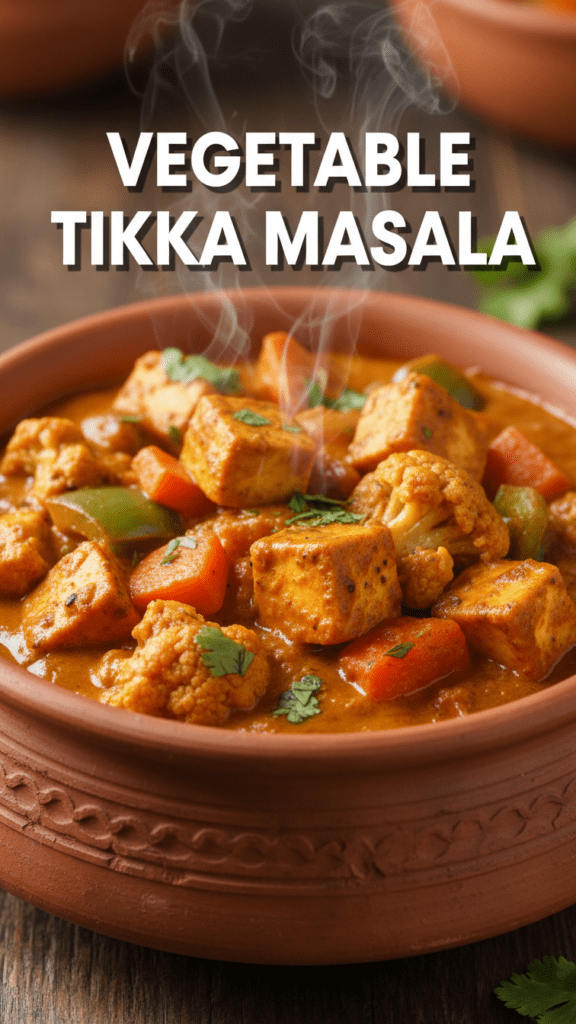
Let’s be honest: most of us have a deeply emotional relationship with our local Indian takeout spot. You know the one—the place where the delivery driver knows your gate code and doesn’t judge you for ordering enough garlic naan to build a small fortress. But what if I told you that you could achieve that exact same creamy, spicy, soul-warming magic in your own kitchen? Enter vegetable tikka masala, the crown jewel of “fakeaway” nights that actually tastes like it spent all day simmering in a copper pot.
I once served this to a friend who insisted that a meal without meat wasn’t dinner—it was just a “prolonged snack.” Three bowls later, he was scraping the pan with a piece of charred bread, questioning his entire life philosophy. That’s the power of a proper masala sauce. It’s thick, it’s vibrant, and it treats vegetables with more respect than most people treat their firstborn. Are you ready to stop paying for delivery and start making a curry that’ll make your neighbors knock on your door asking for a bowl?
🏆 Why This Vegetable Tikka Masala is the Actual GOAT
Why should you bother making vegetable tikka masala at home instead of just hitting “reorder” on an app? Because this recipe gives you total control over the “Three C’s”: Creaminess, Color, and Chili-heat. No more guessing if “medium” means “mild” or “molten lava.”
This dish is awesome because it’s a nutritional powerhouse disguised as a decadent treat. It’s packed with fiber, vitamins, and anti-inflammatory turmeric, but it feels like a warm hug for your stomach. It impresses guests because it looks professional—that deep orange hue is basically a status symbol in the foodie world. It’s the ultimate kitchen-flex, IMO.
🥦 The “Garden-Meets-Spice” Ingredient List
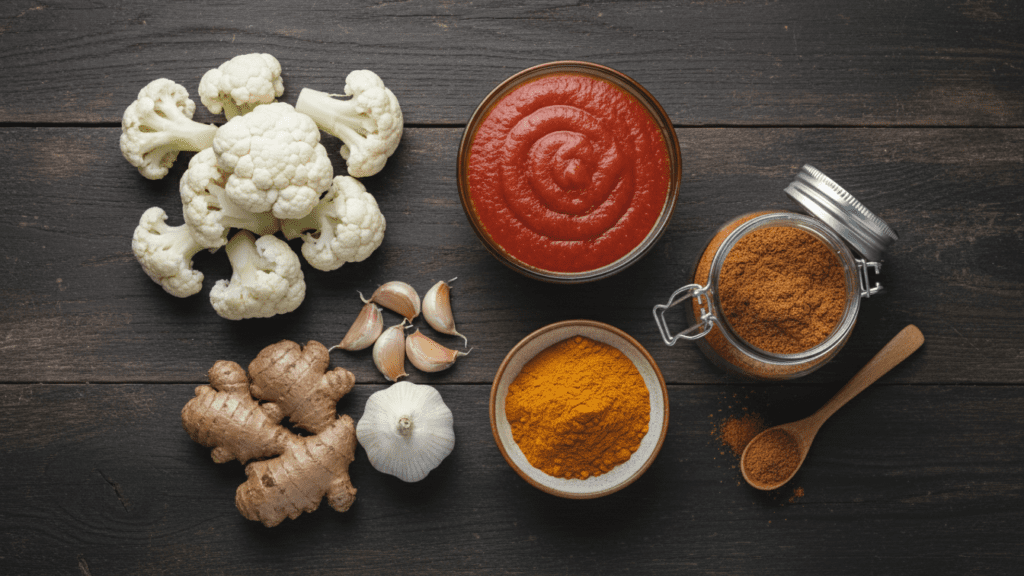
Don’t let the spice list intimidate you. Most of these are probably hiding in the back of your pantry anyway.
The Veggie Squad
- 1 Large Cauliflower Head: Cut into bite-sized florets.
- 2 Large Carrots: Sliced into thick rounds.
- 1 Cup Frozen Peas: For that pop of green.
- 1 Large Red Bell Pepper: Chopped into chunks.
- 1 Can (15 oz) Chickpeas: Drained and rinsed (optional, but great for protein).
The Masala Base
- 2 Tablespoons Ghee or Coconut Oil: For that authentic sizzle.
- 1 Large Yellow Onion: Finely diced.
- 3 Cloves Garlic & 1-inch Fresh Ginger: Grated into a paste.
- 1 Can (14 oz) Tomato Purée: Smooth is better than chunky here.
- 1 Cup Heavy Cream: Or full-fat coconut milk for a vegan twist.
- 2 Teaspoons Garam Masala: The secret soul of the dish.
- 1 Teaspoon Turmeric, Cumin, and Smoked Paprika: For that iconic glow.
- Salt & Pepper: To taste.
- Fresh Cilantro: For the “I’m a professional chef” garnish.
Key Substitutions
- Cream Swap: Use Greek Yogurt for a tangier, lower-calorie version (just don’t let it boil, or it’ll curdle and look like a science experiment).
- Veggie Swap: Feel free to throw in paneer cubes, tofu, or green beans.
- Spice Swap: If you’re out of smoked paprika, regular paprika works, but you’ll miss that “charred” tikka vibe.
🔪 Tools & Kitchen Gadgets Used
You don’t need a Tandoor oven in your backyard, but a few basics make this a breeze.
- Large Heavy-Bottomed Pot or Dutch Oven: Distribution of heat is everything. Check out enameled pots here!
- Sharp Chef’s Knife: For the massive amounts of veggie prep. Grab a reliable one here!
- Microplane or Grater: Essential for the ginger-garlic paste. This is a lifesaver!
- Wooden Spoon: For all that satisfying stirring. Classic sets are best!
👩🍳 Step-by-Step Instructions: The Masala Roadmap
Follow these steps, and don’t rush the onions. Onions sense fear and impatience.
1. The Veggie Roast (The Secret Step)
Preheat your oven to 400°F (200°C). Toss the cauliflower and carrots in a bit of oil and salt. Roast them for 15-20 minutes until the edges are slightly charred. This adds that “tikka” (grilled) flavor that you just can’t get from boiling. TBH, this is the difference between a good curry and a legendary one.
2. The Aromatic Foundation
While the veggies roast, heat your ghee in the pot. Add the onion and cook until golden brown. Add the garlic and ginger paste. Sauté for 2 minutes until your kitchen smells better than your favorite restaurant.
3. Bloom Those Spices
Stir in the turmeric, cumin, paprika, and garam masala. Let them toast in the oil for about 30 seconds. This “blooms” the spices, releasing their oils and ensuring your vegetable tikka masala doesn’t taste like raw dirt.
4. The Tomato Transition
Pour in the tomato purée. Simmer on low-medium heat for about 10 minutes. The sauce should darken and thicken. If it splashes, put a lid on it; your white shirt will thank you.
5. The Creamy Climax
Reduce the heat to low. Stir in the heavy cream (or coconut milk). Watch as the sauce turns that glorious, viral orange color. Add the roasted veggies, bell peppers, chickpeas, and peas.
6. The Final Simmer
Let everything mingle for another 5-10 minutes. Taste it. Needs salt? Add it. Needs more heat? Add a pinch of cayenne. Serve it over a mountain of basmati rice and garnish with fresh cilantro.
📊 Calories & Nutritional Info (The Guilt-Free Breakdown)
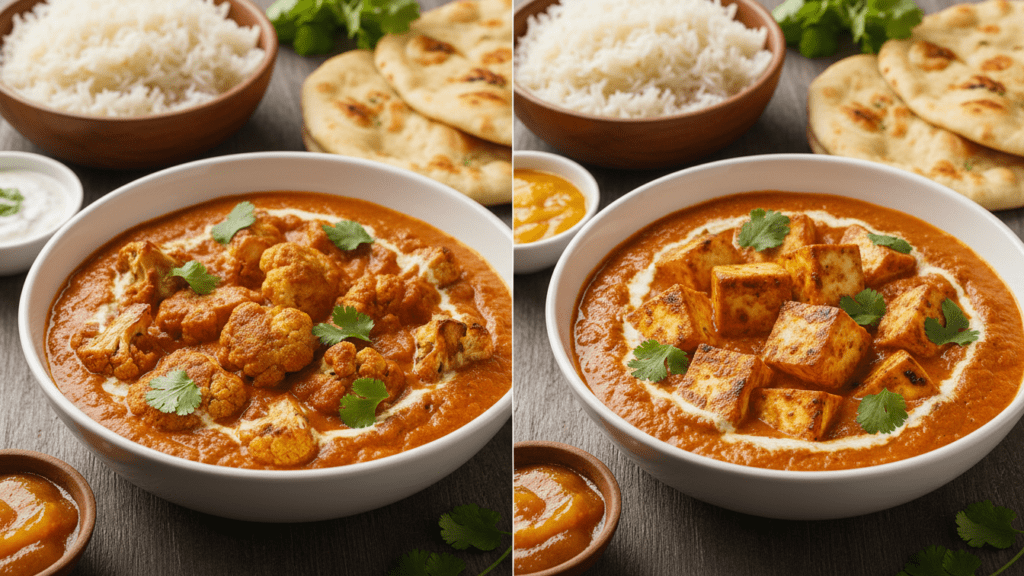
Since we skipped the deep-fried meats, this is actually pretty decent for you!
- Calories per serving: $\approx$ 310–360 kcal (without rice/naan).
- Fiber: High, thanks to the cauliflower and chickpeas.
- Vitamin C: Loaded from the peppers and tomatoes.
- Healthy Fats: If using coconut milk or ghee.
- Anti-inflammatory: High turmeric content for that internal glow.
🚨 Common Mistakes to Avoid (The “Curry Crimes”)
Avoid these pitfalls unless you want to end up with a sad, watery mess.
- Crowding the Pot: If you don’t roast the veggies first and just dump them in raw, they’ll release water and make the sauce thin and runny. Roast first!
- Burning the Spices: Spices burn in seconds. Keep that wooden spoon moving! Burnt spices = bitter curry.
- Using Cold Cream: If you dump ice-cold cream into a boiling pot, it might split. Temper your cream or lower the heat significantly first.
- Skipping the Salt: Tomatoes and cauliflower are salt-vampires. They will suck the flavor out of everything if you don’t season properly. 🙂
✨ Variations & Customizations
Because you’re the boss of your kitchen.
1. The Keto-Friendly Swap
Omit the chickpeas and carrots. Use extra cauliflower and spinach. Replace the rice with cauliflower rice or just eat it as a thick stew with a spoon.
2. The “Fire-Breather” Version
Add two chopped Thai bird’s eye chilies with the garlic and ginger. It adds a sharp, clean heat that cuts through the creaminess beautifully.
3. The Smoky Vegetarian Twist
Swap the cauliflower for roasted cubes of Halloumi cheese. It stays firm, salty, and adds a “meaty” texture that is frankly world-changing.
❓ FAQ Section: The Masala Mystery Solved
What is the difference between Tikka Masala and Butter Chicken?
IMO, Tikka Masala is slightly more tomato-forward and spicy, whereas Butter Chicken is creamier, sweeter, and uses a lot more… well, butter.
Can I make this in a slow cooker?
Yes! Put everything except the cream and peas in the slow cooker for 4 hours on high. Stir the cream and peas in 15 minutes before serving.
Why is Tikka Masala orange?
It’s a combination of tomato acidity, turmeric, and cream. Some restaurants use food coloring, but our turmeric/paprika combo gives you a natural, earthy glow.
Is vegetable tikka masala gluten-free?
Yes! As long as you don’t serve it with wheat-based naan, the dish itself is naturally gluten-free.
How long do leftovers last?
It actually tastes better the next day as the spices continue to party. It stays good in the fridge for 3-4 days.
Can I freeze tikka masala?
Absolutely. It freezes beautifully for up to 3 months. Just reheat gently on the stove.
Do I have to use cauliflower?
Nope. Use whatever is in your fridge! Zucchini, eggplant, and potatoes all work like a charm.
🥂 Final Thoughts: Go Forth and Curry!
You’ve done it. You’ve successfully navigated the aromatic world of Indian spices and emerged with a vegetable tikka masala that would make a professional chef weep with envy. You are now the master of the “fakeaway” and the savior of your grocery budget. Go ahead, take that first creamy bite—you’ve earned it. Just don’t tell your local delivery driver you don’t need them anymore; it’s nice to keep your options open. 😉