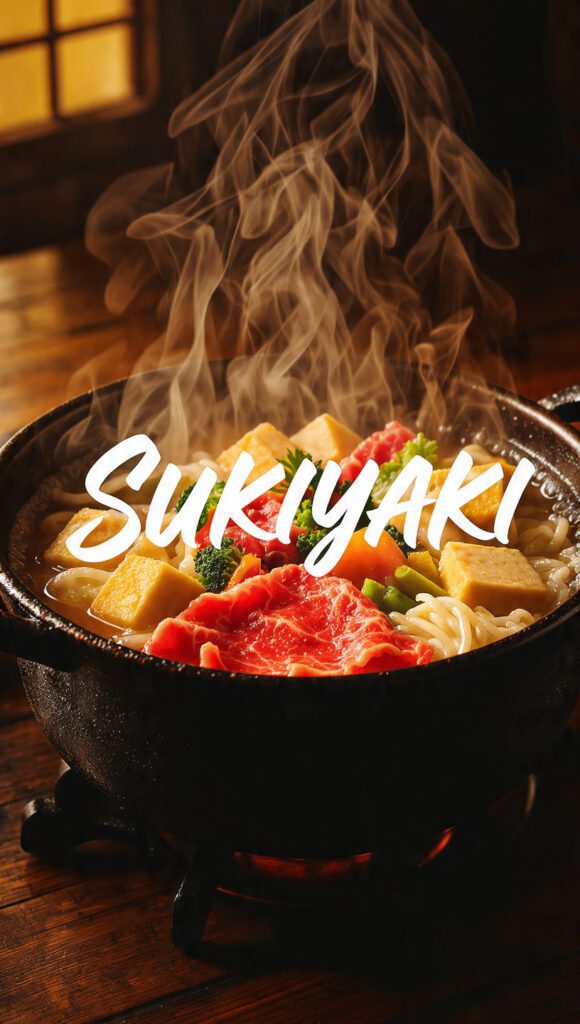
The Ultimate Guide to Authentic Sukiyaki: A Hot Pot Party in Your Living Room
Have you ever sat in a restaurant, watched a server artfully swirl thin slices of marbled beef in a bubbling iron pot, and thought, “I could definitely do this at home if I just had the courage and a better set of chopsticks”? Well, dust off your confidence because today we are mastering sukiyaki, the Japanese hot pot dish that essentially tastes like a savory, sweet hug for your soul. It’s the ultimate “one-pot wonder” that proves you don’t need a culinary degree to look like a gourmet chef in front of your judgmental in-laws.
I once tried to make a “simplified” version using leftover deli roast beef and a bottle of teriyaki sauce—let’s just say my kitchen smelled like regret and the cat refused to come near the table for three days. TBH, once you learn the actual secret to a perfect warishita sauce, you will realize that the real thing is actually easier than the fake version. Ready to turn your dining table into a high-end Tokyo eatery without the airfare?
Why This Recipe is Awesome
Why should you bother with sukiyaki instead of just ordering pizza? For starters, it is the king of social dining. You don’t just “eat” it; you experience it. It’s a communal, bubbling centerpiece that forces people to put down their phones and actually engage in the ancient art of conversation.
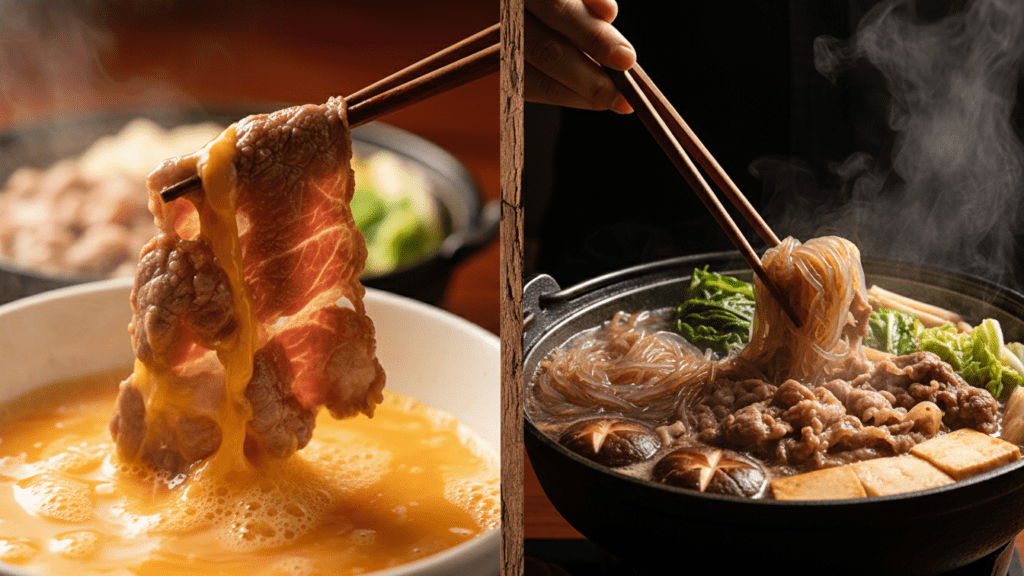
The flavor profile hits every single pleasure center in your brain. You get the richness of the beef, the umami punch of the soy sauce, and the gentle sweetness of the mirin. It’s basically a science experiment where every variable leads to deliciousness. Plus, it impresses guests like nothing else. Pulling out an electric skillet and cooking dinner right in front of people makes you look incredibly sophisticated, even if you’re secretly wearing pajama bottoms under the table. 🙂

- Easy to Use
- Make Your Own Recipes
- Thoughtful Gift
It also serves as the perfect “clean out the fridge” meal. Do you have some sad-looking spinach or a random block of tofu? Throw them in. The sauce is so powerful it could probably make a leather shoe taste halfway decent. Who doesn’t love a high-reward situation that rewards you for being resourceful?
Ingredients
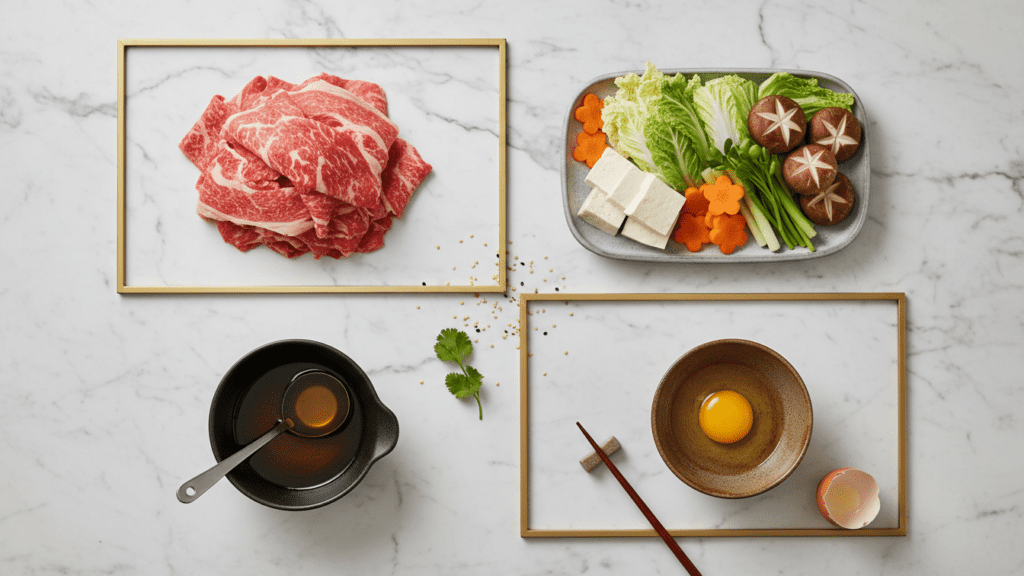
Gather your supplies, but don’t panic if your local grocery store doesn’t have a “Japan” aisle. Most of these are staples, and a quick trip to an Asian market (or a click on the internet) will cover the rest.
The Warishita Sauce (The Secret Sauce)
- 1/2 cup Soy Sauce (The savory backbone)
- 1/2 cup Mirin (Japanese sweet cooking wine—don’t skip this!)
- 1/2 cup Sake (Dry cooking sake for depth)
- 1/4 cup Granulated Sugar (Yes, it needs to be sweet)
The Main Event
- 1 lb High-Quality Beef (Ribeye or sirloin, sliced paper-thin—look for “shabu-shabu” style)
- 1 block Firm Tofu (Grilled or plain, cut into cubes)
- 1 bag Shirataki Noodles (The bouncy, translucent yam noodles)
- 1 head Napa Cabbage (Roughly chopped)
- 1 bunch Enoki or Shiitake Mushrooms
- 1 bunch Negi or Scallions (Sliced diagonally)
- 1-2 cups Fresh Spinach or Shungiku (Chrysanthemum greens)
- Fresh Eggs (Optional, for dipping—ensure they are pasteurized!)
Tools & Kitchen Gadgets Used
You don’t need a professional laboratory, but a few specific tools make the process feel like a professional operation rather than a chaotic mess.
- Electric Skillet or Portable Butane Stove – Essential for cooking at the table; nobody wants to stand in the kitchen while everyone else has fun.
- Cast Iron Sukiyaki Pot or Shallow Skillet – Cast iron holds heat like a grudge and browns the beef perfectly.
- Long Cooking Chopsticks or Tongs – To move your ingredients around with the grace of a pro.
- Small Saucepan – For whisking together your warishita sauce.
- Fine Mesh Skimmer – To remove any “scum” that floats to the top during cooking (keep it classy!).
- Sharp Chef’s Knife – For julienning those veggies with surgical precision.
Step-by-Step Instructions
Alright, let’s get to the “cooking” part. It’s a bit of a performance, so make sure your audience is watching.
Step 1: Craft the Warishita
In your small saucepan, combine the soy sauce, mirin, sake, and sugar. Bring it to a gentle simmer over medium heat until the sugar dissolves completely. Remove it from the heat. This is your liquid gold; treat it with respect.
- Easy to Use
- Make Your Own Recipes
- Thoughtful Gift
Step 2: Prep the Platter
Arrange all your vegetables, tofu, and noodles on a large, beautiful platter. Organize them by color to satisfy your inner perfectionist. Slicing the beef paper-thin is crucial; if it’s too thick, you’ll be chewing until next Tuesday. IMO, freezing the beef for 20 minutes makes it much easier to slice.
Step 3: Sear the Beef
Heat your electric skillet to medium-high. Add a tiny bit of oil (or a piece of beef fat if you’re being authentic). Sear a few slices of beef just until they change color. Pour a splash of the warishita sauce over the beef to caramelize it. Eat these first—it’s the “chef’s tax.”
Step 4: The Construction Phase
Arrange the tofu, cabbage, mushrooms, and noodles in the pot in neat sections. Do not just dump them in like you’re filling a trash can! Pour the remaining warishita sauce over everything until it reaches about halfway up the ingredients.
Step 5: The Simmer Down
Cover the pot (if you have a lid) or just let it bubble away. As the vegetables release their moisture, the sauce will grow. Flip the ingredients occasionally so they soak up all that salty-sweet goodness. Add the spinach or chrysanthemum greens at the very last minute; they only need thirty seconds to wilt.
Step 6: The Dip (The Brave Part)
Beat a fresh egg in a small individual bowl. When a piece of beef is done, dip it directly into the raw egg before eating. It creates a silky, creamy coating that balances the saltiness. If the idea of raw egg scares you, just skip it—I won’t tell the traditionalists.
Calories & Nutritional Info
For the folks who like to know exactly what they’re doing to their bodies, here is the breakdown. It’s actually surprisingly balanced!
- Calories: ~450-550 kcal per serving.
- Protein: 35g (High-quality beef and tofu).
- Fats: 25g (Mostly from the marbled beef—worth it).
- Fiber: 6g (All those leafy greens).
- Notes: This dish is packed with iron and B vitamins. FYI, shirataki noodles are virtually calorie-free, so you can eat a mountain of them without guilt.
Common Mistakes to Avoid
Don’t let your Japanese dinner turn into a tragedy. Avoid these classic slip-ups:
- Overcrowding the Pot: If you pack it too tight, nothing cooks evenly. Give the beef room to breathe.
- Boiling the Beef for Too Long: Sliced beef cooks in seconds. If you leave it in for ten minutes, it will turn into a leather belt. Cook and eat as you go.
- Skipping the Mirin: Regular wine or vinegar won’t work. You must use mirin for that specific glossy sweetness.
- Using Soft Tofu: Soft tofu will disintegrate into a white cloud of sadness. Use firm or extra-firm tofu only.
- Forgetting the “Scum”: Use your skimmer to remove the grey foam that rises. It’s not poison, but it’s definitely not a good look for your dinner party.
Variations & Customizations
Once you master the base, feel free to branch out.
- The Keto-Friendly Hero: Swap the sugar in the warishita for allulose or monk fruit sweetener. Since the noodles are already low-carb, this becomes a keto dream meal.
- The Spicy Szechuan: Add a tablespoon of chili crisp or gochugaru to the sauce. It’s not traditional, but it adds a fiery kick that pairs perfectly with the beef.
- The Vegetarian Swap: Replace the beef with large portobello mushroom caps and extra thick slices of grilled tofu. Use vegetable dashi instead of just water if the sauce gets too thick.
FAQ Section
What is the best beef for sukiyaki? The best beef is highly marbled ribeye. You want that fat to melt into the sauce. Look for beef labeled as “shabu-shabu” or “thinly sliced” at the market.
Can I make sukiyaki without a special pot? Absolutely! A shallow cast iron skillet or even a wide non-stick pan works perfectly fine. The “at-the-table” experience is what matters most.
What is shirataki noodles made of? They are made from konjac yam. They are 97% water and 3% fiber, making them a fantastic low-calorie addition. IMO, they are the best part of the dish. 🙂
Is the raw egg dipping sauce safe? In Japan, eggs are highly regulated for raw consumption. In other places, use pasteurized eggs to be safe. It’s optional, but it really makes the dish authentic.
How do I store leftovers? Put them in an airtight container for up to two days. Reheat it in a pan with a splash of water, but be careful not to overcook the beef into oblivion.
What is the difference between Sukiyaki and Shabu-Shabu? Sukiyaki is cooked in a sweet and salty sauce, while Shabu-Shabu is “swished” in a light kombu broth and dipped in sauces afterward. Sukiyaki is much richer!
Can I use chicken instead of beef? You can, but it’s a different dish. Beef is the traditional star because its fat creates the signature flavor of the warishita.
Final Thoughts
There you have it—the sukiyaki recipe that will officially make you a household legend. It’s messy, it’s bubbling, and it’s a lot more interesting than another night of tacos. Once you realize how easy it is to make a “chef-level” meal on your own coffee table, you’ll never look at your electric skillet the same way again.
Go ahead, pour yourself a drink and enjoy the smug satisfaction of a successful party. Just try not to act too surprised when your friends start asking when the next “Hot Pot Night” is. Ready to ruin restaurant sukiyaki for yourself forever? Happy simmering!