
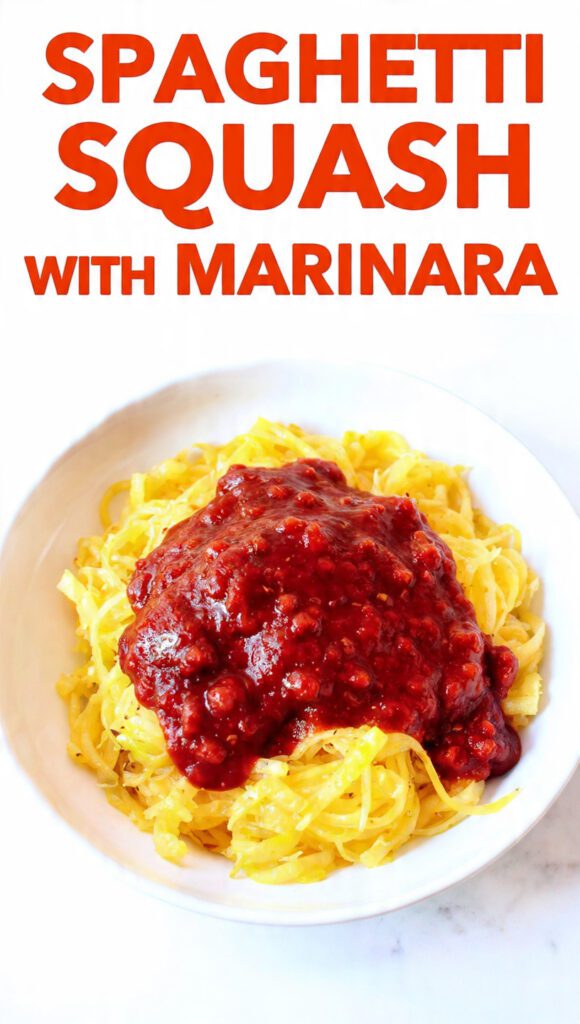
The Ultimate Guide to Spaghetti Squash with Marinara: Nature’s Pasta Hack
Let’s be real: we’ve all stood in the produce aisle staring at a spaghetti squash like it’s a prehistoric egg that might hatch if we look at it too long. You want the comforting, soul-hugging experience of a big bowl of noodles, but your favorite pair of jeans is currently staging a protest against your pasta habit. What if I told you that you could have a giant mountain of “noodles” for the caloric price of a single slice of bread? Enter the spaghetti squash with marinara, the culinary world’s favorite magic trick that turns a hard yellow gourd into slurppable, savory ribbons of joy.
I once served this to a die-hard carb enthusiast who didn’t realize he was eating a vegetable until halfway through the bowl. He looked at me like I’d just performed an illicit alchemical transmutation. Why do we settle for heavy, bloat-inducing wheat when we can peak as health icons with a fork and a dream? If you can slice a vegetable without losing a finger and wait for an oven to do its thing, you’ve basically mastered the art of “fancy-lazy” cooking. Ready to ditch the box and embrace the vine? 🙂
Why This Recipe is Actually Awesome
Why should you care about a vegetable masquerading as a noodle? First off, it’s a nutritional powerhouse that doesn’t taste like sadness. You get to drown your plate in rich, garlicky sauce and mountain of parmesan because the base is virtually calorie-free. It is the ultimate “I’m an adult who makes healthy choices” meal that secretly feels like a massive cheat day.
The texture is the real hero here. Unlike zucchini noodles, which can turn into a watery puddle if you blink too hard, spaghetti squash has a delightful “al dente” snap that actually holds up to a heavy sauce. TBH, it’s also the perfect vessel for cleaning out your fridge. Throw in some leftover spinach, that last bit of sausage, or those olives you bought for a party that never happened. It’s efficient, it’s flashy, and it makes you look like a kitchen wizard with minimal effort.
Need another reason? It’s naturally gluten-free, keto-friendly, and incredibly filling. You won’t find yourself scavenging for snacks an hour later. It’s the Swiss Army knife of dinner: elegant enough for guests, but easy enough for a chaotic Tuesday night in your pajamas.
Our Top Pick

Papier Herb Garden Recipe Journal - Hardback Design
Capture your culinary ideas and favorite memories with this beautifully designed recipe journal. Organized sections for breakfast, lunch, dinner, and treats make it easy to record recipes, ratings, dietary notes, and cooking tips, along with measurement and conversion guides. Extra pages let you list favorite restaurants, shops, and places to try. Crafted with a premium hardback cover, luxurious 100gsm paper, and a gold foil accent, it’s both durable and stylish. Thoughtfully designed to suit any kitchen, it makes a practical, timeless gift for family, friends, or yourself.
The “Pasta” Pantry: Ingredients
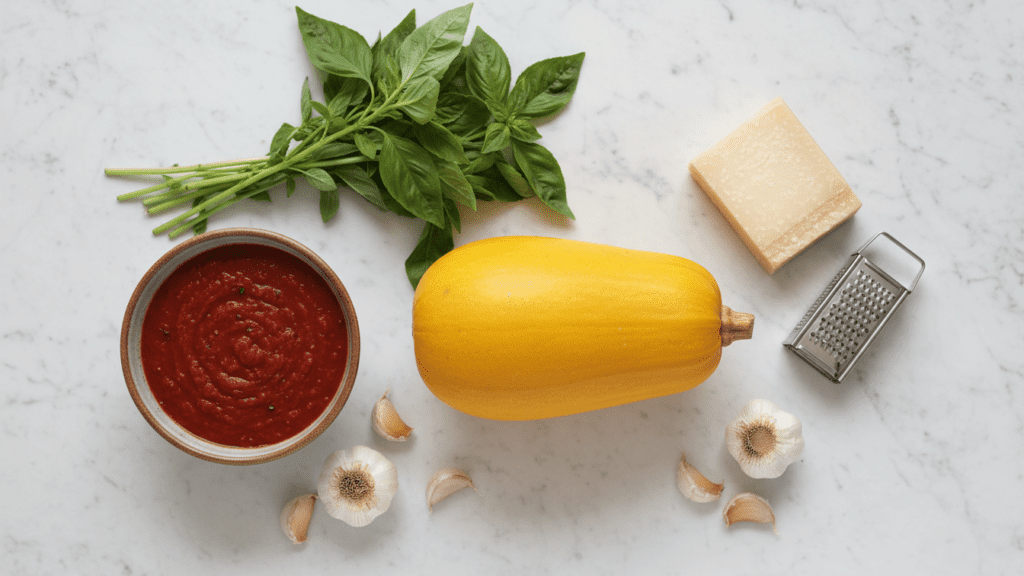
Don’t worry, we aren’t hunting for truffles. Most of this is probably already in your kitchen, hiding behind the salt shaker.
- Spaghetti Squash: Look for a medium-sized, heavy gourd (about 3 pounds) with a vibrant yellow skin.
- Marinara Sauce: Use your favorite high-quality store-bought jar or make a quick batch with crushed tomatoes.
- Olive Oil: A good drizzle for roasting is non-negotiable.
- Garlic: At least three cloves, minced. We don’t do “one clove” in this house.
- Parmesan Cheese: Freshly grated is best, but we won’t tell the food police if you use the shaker.
- Fresh Basil or Parsley: For that “I am a professional chef” garnish.
- Salt and Pepper: To bring out the squash’s natural sweetness.
- Red Pepper Flakes: Optional, for those who like a little tingle on the tongue.
Tools & Kitchen Gadgets You’ll Need
To dominate the spaghetti squash with marinara game, you need the right tools. If you try to cut a raw squash with a butter knife, you’re going to have a bad time.
- Large, Sharp Chef’s Knife: Essential for getting through that thick rind without a trip to the ER.
- Rimmed Baking Sheet: To catch any stray juices during the roasting process.
- Sturdy Metal Fork: For the satisfying “shredding” phase.
- Parchment Paper or Silicone Mat: To prevent the squash from sticking to your pan forever.
- Small Saucepan: To warm up that glorious marinara while the squash roasts.
- Tongs: For tossing your “noodles” with the sauce like a pro.
Step-by-Step Instructions
Step 1: The Great Slice
Preheat your oven to 400°F (200°C). Place your squash on a stable cutting board and slice it in half lengthwise. Pro tip: if the squash feels like a rock, microwave it for 3 minutes first to soften the skin. It makes the cutting process much less of a workout.
Step 2: Seed Removal
Use a large spoon to scoop out the seeds and the stringy “guts” from the center. It’s exactly like carving a pumpkin, just with less mess and more hunger. Don’t throw the seeds away—you can roast them later for a snack if you’re feeling particularly “zero-waste.”
Step 3: The Seasoning Rub
Drizzle the inside of each half with olive oil and sprinkle generously with salt and pepper. Rub the minced garlic over the flesh for an extra flavor punch. Place the squash face down on your parchment-lined baking sheet. Roasting them face down steams the inside while caramelizing the edges.
Step 4: The Patient Wait

Slide the pan into the oven and roast for 40 to 50 minutes. You’ll know it’s ready when the skin feels slightly soft and the edges look golden brown. Don’t rush it! A crunchy squash is a sad squash.
Step 5: The Shredding Ceremony
Let the squash cool for 5 minutes so you don’t burn your hands. Take a fork and gently scrape the flesh from the edges toward the center. Watch as it transforms into perfect, noodle-like strands. It is arguably the most satisfying thing you can do in a kitchen. 🙂
Step 6: The Saucy Marriage
Warm your marinara in the saucepan. You can either scoop the squash strands into a bowl and top with sauce, or pour the sauce directly into the “squash boat” for a built-in bowl experience. Top with a mountain of parm and fresh basil.
Our Top Pick

LuBudingJoy Blank Recipe Book
B5 Blank Recipe Book – Create and organize your favorite recipes in one beautiful place. This hardcover recipe book (10" × 7.3") features 150 blank pages and includes DIY category stickers. Designed with conversion charts, content tables, and a back pocket for loose notes.
Calories & Nutritional Info

Here is the part where you feel exceptionally good about your life choices.
- Calories: Approximately 150-200 kcal per serving (including the sauce!).
- Carbs: About 15g to 20g of complex, slow-burning carbs.
- Fiber: A solid 4g, which is great for your gut health.
- Vitamin A & C: High levels to keep your skin glowing and your immune system sharp.
- Potassium: More than a banana, surprisingly!
Common Mistakes to Avoid
- Overcooking: If you leave it in for an hour and a half, you’ve made squash mash. Check it at 40 minutes.
- Skipping the Squeeze: If your squash is looking watery, pat it with a paper towel before adding sauce. IMO, nobody likes a soggy noodle.
- Cutting it the Wrong Way: If you want long, epic noodles, cut the squash crosswise (into rings) instead of lengthwise. The strands grow in circles!
- Using a Dull Knife: This is a recipe for disaster. Use your sharpest blade and take your time.
- Under-seasoning: Squash is a blank canvas. If you don’t use enough salt, it will taste like… well, plain squash. Season early and often.
Variations & Customizations
Feeling adventurous? Give these three twists a go:
The Keto Meat-Lover
Add browned Italian sausage or ground beef to your marinara. Top with fresh mozzarella and broil for 2 minutes until bubbly for a low-carb “lasagna” vibe.
The Spicy Arrabiata
Toss a teaspoon of red pepper flakes and some chopped kalamata olives into the sauce. It adds a punchy, Mediterranean heat that pairs perfectly with the squash’s mild flavor.
The Vegetarian Pesto-Swap
Skip the red sauce entirely and toss the strands in three tablespoons of basil pesto and toasted pine nuts. It’s fresh, green, and feels like a summer garden on a plate.
FAQ Section
Is spaghetti squash actually a good substitute for pasta? While it doesn’t taste exactly like wheat, it provides that same twirl-on-a-fork satisfaction. It’s the best veggie substitute because it doesn’t get mushy as easily as zucchini.
How do I make my spaghetti squash less watery? Roast it cut-side down. This allows moisture to drip out onto the pan rather than pooling in the center of the squash.

Can I cook spaghetti squash in the microwave? Yes! Poke holes in the skin and microwave for 10-12 minutes. However, you’ll miss out on the caramelized flavor you get from the oven.
How long does leftover spaghetti squash last? It stays fresh in an airtight container for 3 to 5 days. It actually reheats quite well in a pan with a little extra sauce.
Can I eat the skin of the spaghetti squash? Technically yes, but it’s very tough and not particularly tasty. Most people treat the skin like a natural bowl and leave it behind.
What is the best way to cut a spaghetti squash safely? Cut the stem off first to create a flat surface, then stand it up and cut down through the center. Stability is key to avoiding slips!
Is spaghetti squash with marinara keto-friendly? Yes! It is one of the best keto-friendly “pasta” options. Just ensure your marinara sauce doesn’t have added sugars.
Final Thoughts
There you have it—a meal that’s so healthy it should probably come with a gym membership, but tastes so good you’ll forget you’re eating a gourd. This spaghetti squash with marinara is about to become your new weeknight obsession. It’s easy, it’s cheap, and it makes you look like you have your life together.
Go ahead, give it a try. And hey, if you end up eating the entire squash in one sitting, don’t sweat it. It’s basically just water and sunshine. Tag me in your photos or just sit in your sauce-covered bliss. Happy shredding!