Snail Caviar: The Ultimate Gourmet Appetizer That Costs More Than Your Rent
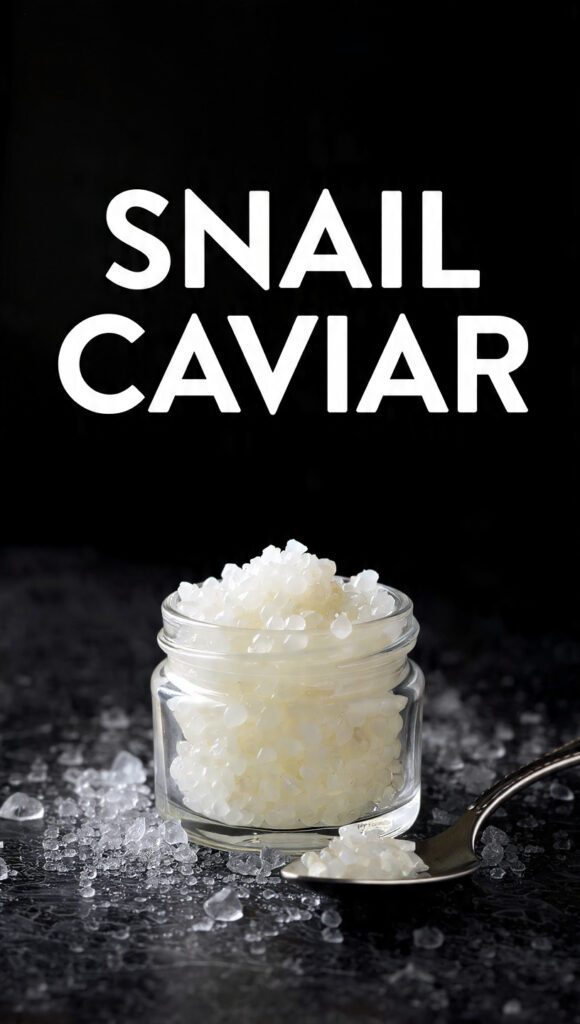
Let’s just address the elephant in the room. Or rather, the snail in the garden. You thought you were fancy when you ate regular fish roe, didn’t you? Cute. We are stepping into the elite, bizarre world of Snail caviar, also known by its chic French name, caviar d’escargots. This is the ultimate “I’m eating something ridiculously expensive and you’re eating ramen” appetizer.
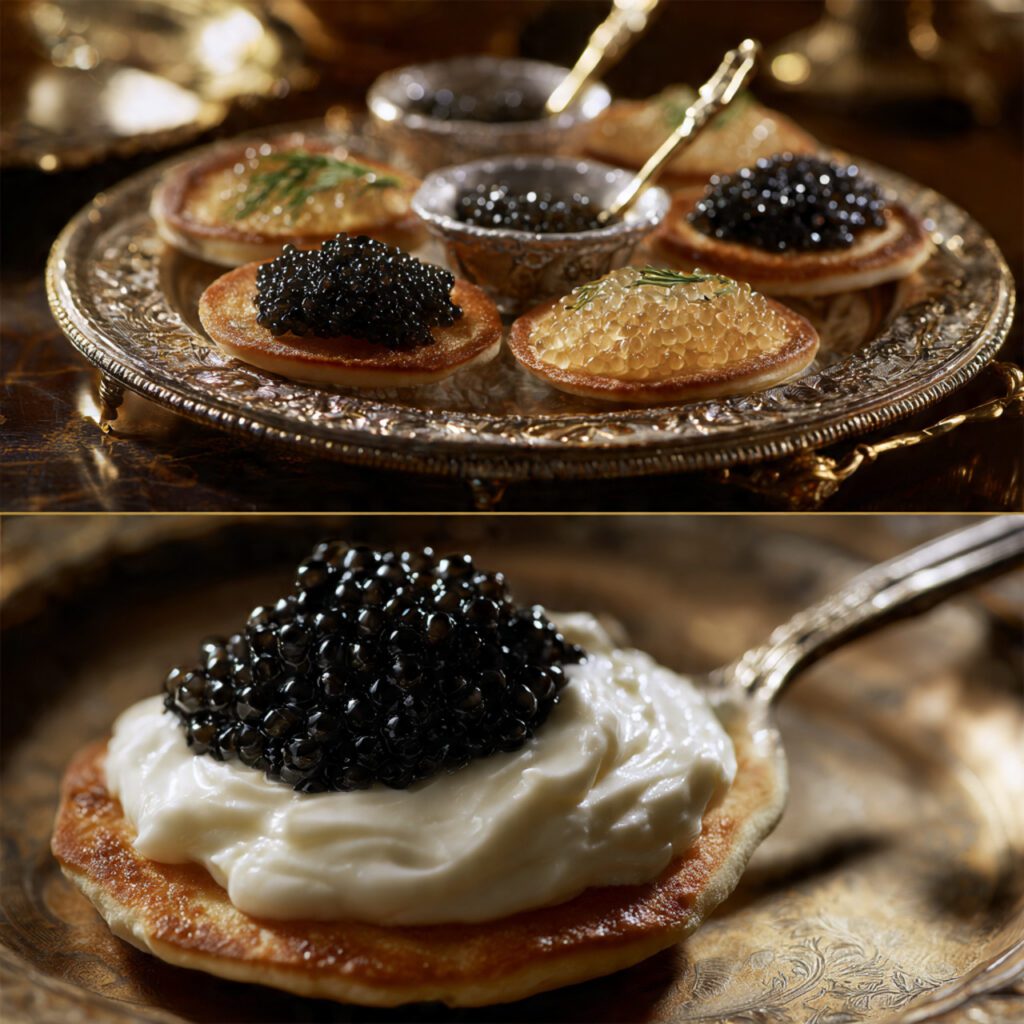
Forget the price tag (it often costs more than real sturgeon caviar, FYI); this is about the experience. These tiny, pearlescent white eggs have a subtle, earthy flavor, a delicate pop, and they look like miniature pearls. We’ll show you the simplest, most elegant way to serve this culinary flex without accidentally crushing your precious investment. Get ready to shock your guests and elevate your appetizer game to truly absurd levels.
Why This Recipe Is Awesome (Elegance, Earthiness, and Exclusivity)
Why bother with the eggs of a garden pest? Because it’s surprisingly delicious, unique, and requires absolutely zero cooking.

First, The Unbelievable Texture and Flavor. Snail caviar boasts a soft, earthy flavor reminiscent of damp forest floor, mushrooms, and baked asparagus. Unlike fish roe, it lacks the strong fishy taste. The texture is a gentle pop followed by a smooth melt—it’s delicate, luxurious, and totally unique. Why eat something predictable when you can eat the essence of a French forest?
Second, The Ultimate Flex. This is highly specialized, incredibly rare, and screams gourmet exclusivity. Serving this guarantees gasps of surprise and immediate questions. You look like a culinary risk-taker and a person of immense (and possibly questionable) taste. IMO, a dish that requires only chilling and plating is the best kind of elegance.
Third, Zero Cooking Required. Seriously, the work is done by the snail farmers. Your job is presentation. You just chill the jar and assemble the serving elements. TBH, this is the fastest way to achieve maximum appetizer impact.
The Goods: Ingredients You Need
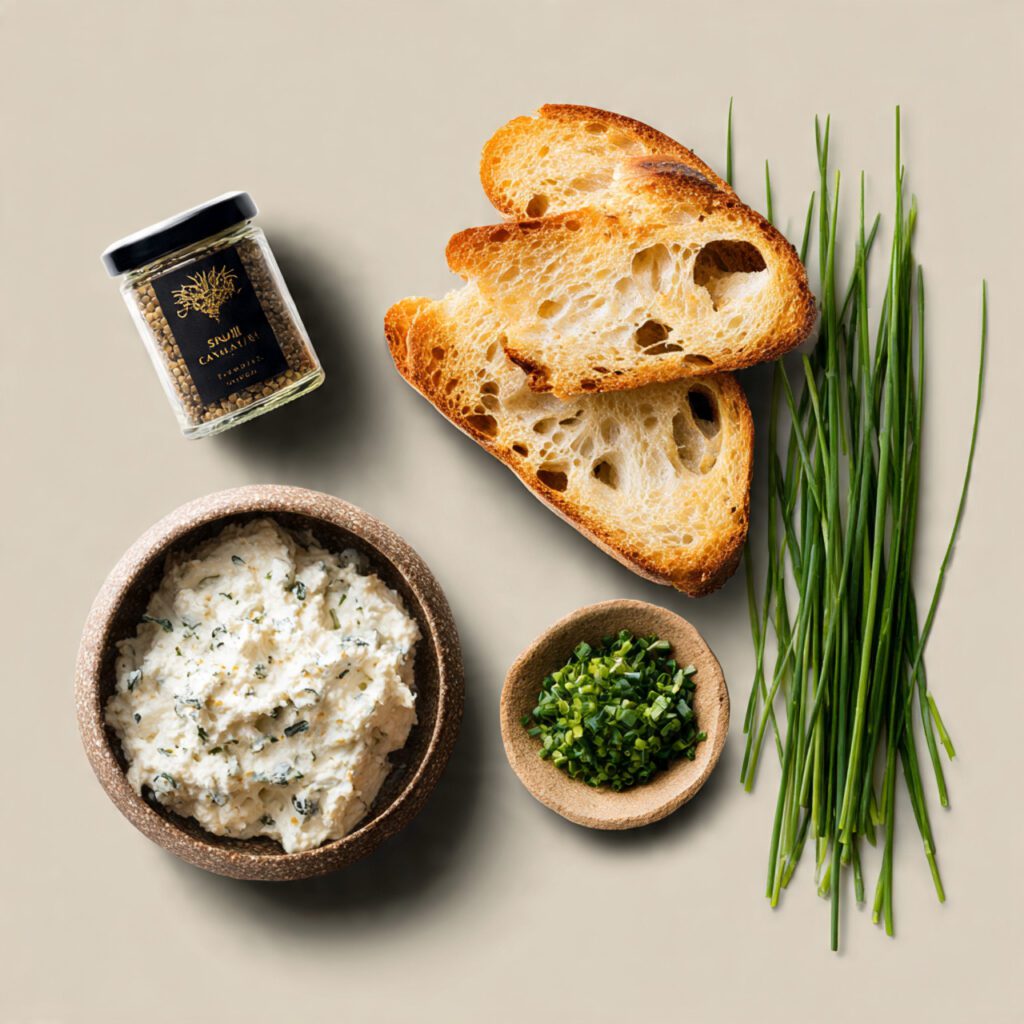
Since you cannot—and should not—harvest these yourself, we are focusing entirely on presenting the preserved, jarred product.
- The Precious Pearls (MUST BE HIGH QUALITY):
- 1 Jar (30g or 50g) Snail Caviar (Caviar d’escargots), chilled.
- The Neutral Vessels (The Carriers):
- Mini Toasts (Croûtes): Small, very thin slices of toasted baguette.
- Or: Unsalted, neutral-flavored water crackers.
- The Creamy Contrast:
- Crème Fraîche: High-quality, chilled (or full-fat sour cream).
- Or: Whipped unsalted butter.
- The Fresh Garnish (The Brighteners):
- Fresh Chives, finely minced.
- Fresh Parsley, very finely minced.
- Lemon Zest (optional, for a little zing).
H3 Key Substitutions (Budget Breakdown)
- No Crème Fraîche? Use chilled Mascarpone cheese or full-fat Greek yogurt, mixed with a tiny pinch of salt, for a similar creamy base.
- Toasting Substitute: Use small, thin blinis (pancakes) for a softer, slightly sweeter base, which works beautifully with the earthy caviar.
- Flavor Swap: While you shouldn’t swap the caviar, if you want a budget option with a similar pop, try wasabi flying fish roe (tobiko) on blinis—it’s cheap, crunchy, and still colorful.
Tools & Kitchen Gadgets Used (The Minimalist Approach)
Your focus is on serving cold, not cooking hot. Keep everything small, shiny, and elegant.
- Non-Metallic Spoon (Mother-of-Pearl or Plastic): CRUCIAL! For serving the caviar. Metal spoons can impart a metallic taste and diminish the delicate flavor.
- Small Ramekins/Serving Dishes: For the caviar and the crème fraîche. Presentation is everything.
- Small Spreader Knife: For the crème fraîche.
- Cutting Board and Sharp Knife: For mincing the chives and parsley.
- Serving Platter/Slate Board: Keep this chilled for an elegant presentation.
- Kitchen Scale (Optional): Just to measure how much of your savings you’re about to consume.
Step-by-Step Instructions (Chill, Plate, and Admire)
This is perhaps the fastest, most low-effort high-end appetizer you will ever create. Time is spent chilling and arranging.
H3 Step 1: Chill the Caviar (Mandatory Cold)
- Ensure your jar of snail caviar is deeply chilled in the refrigerator. Caviar is always best served ice-cold.
- Chill your serving platter and crème fraîche as well. Cold temperatures enhance the texture and the delicate flavor pop.
H3 Step 2: Prep the Serving Vessels
- Slice your baguette into thin slices (about 1/4 inch). Place the slices on a baking sheet and toast them lightly until crisp (croûtes). Let them cool completely.
- Transfer the crème fraîche to a small, elegant ramekin and place it on the serving board.
H3 Step 3: The Elegant Assembly
- Arrange the croûtes/blinis neatly around the crème fraîche on the chilled platter.
- Garnish the platter by lightly sprinkling the minced chives and parsley over the crème fraîche and near the croûtes.
- Carefully open the jar of snail caviar. Place the jar (or transfer the caviar gently) into a small bowl of crushed ice positioned on your platter. This is the best way to maintain the cold temperature.
H3 Step 4: Serve with the Right Spoon
- Place the non-metallic serving spoon next to the caviar jar.
- Instruct guests to use the spoon to scoop a small amount of caviar (1/2 teaspoon) onto a croûte that has been spread with crème fraîche. Do not stir the caviar.
- Serve immediately! Watch your guests gasp.
Calories & Nutritional Info (The Feather-Light Treat)
Snail caviar is mostly water, protein, and collagen, making it surprisingly light. This is an estimate for a small, single serving (1/2 tsp caviar on one croûte).
- Estimated Calories Per Serving (1 croûte with topping): ~40–60 calories. The fat comes mainly from the crème fraîche and butter.
- Low in Calories and Fat: Caviar itself is very low in fat.
- Rich in Collagen: Snail eggs contain high levels of collagen, beneficial for skin and joint health. (So, it’s basically an expensive beauty product.)
- High in Trace Minerals: Contains zinc, iodine, and magnesium.
- Protein Content: Provides a small but noticeable protein boost.
Common Mistakes to Avoid (Destroying the Delicacy)
This delicacy is fragile and expensive. Treat it with respect!
- Using a Metal Spoon: Metal reacts with the delicate flavor of the caviar, often leaving a metallic, bitter taste. Only use mother-of-pearl, bone, plastic, or glass spoons.
- Serving Warm Caviar: Warm caviar loses its crisp texture and becomes soft and slightly mushy. Caviar must be served ice-cold.
- Not Rinsing Capers/Salty Items: If you use a substitution like capers, make sure you rinse them well. The delicate earthiness of the snail caviar is easily overwhelmed by strong saltiness.
- Over-Seasoning the Base: The creamy base (crème fraîche) should be neutral. You don’t want strong garlic, pepper, or herbs in the base; they should only be used as a delicate garnish. Let the caviar shine.
Variations & Customizations (Flavor Upgrades)
While the caviar flavor is delicate, you can change the creamy base or the vessel for variety.
- Lemon-Zest Crème Fraîche: Mix the crème fraîche with a tiny amount of fresh lemon zest (about 1/4 teaspoon per cup) to give the creamy base a bright, zesty tang that contrasts the earthy caviar.
- Smoked Salmon Blinis (Hybrid Swap): Place a tiny piece of smoked salmon on the blinis first, then a dab of crème fraîche, and finally the caviar. The richness of the salmon complements the earthiness beautifully.
- Vegetarian Swap (High-End): Skip the caviar. Use a small spoonful of high-quality truffle paste mixed with the crème fraîche on the croûtes. You get the earthy, high-end feel without the snail eggs.
FAQ Section (The Luxury Logistics)
Questions about this specific luxury item are common. Here are the facts you need.
- Q: Is Snail Caviar safe to eat?
- A: Yes. Commercial snail caviar is safely processed, preserved, and often pasteurized. It is entirely safe for consumption. Do not eat snail eggs found in your garden!
- Q: How long does Snail Caviar last once the jar is opened?
- A: Due to its delicate nature, consume it within 3 days of opening, keeping it tightly sealed and refrigerated.
- Q: Does Snail Caviar taste fishy?
- A: No! It is an entirely different flavor profile—earthy, herbaceous, and mineral, often tasting like mushrooms or truffles, not fish.
- Q: Why is Snail Caviar so much more expensive than fish caviar?
- A: Snails lay very few eggs (about 100 eggs once per year), and the eggs must be meticulously hand-harvested and sorted. The labor and rarity drive the price up dramatically.
- Q: What is the best way to store an unopened jar?
- A: Keep the jar refrigerated (around 32°F to 40°F / 0°C to 4°C) until you are ready to serve it.
- Q: Can I cook with Snail Caviar?
- A: No. Cooking or heating it destroys the delicate texture and flavor pop. It must be served cold and raw as a garnish or appetizer.
- Q: What drink pairs well with Snail Caviar?
- A: A very dry, crisp Champagne, Prosecco, or a cold, dry white wine (like Muscadet or Sancerre). The acidity cuts the richness of the crème fraîche and contrasts the earthiness.
Final Thoughts (The Posh Palate)
You went beyond basic salmon roe, you embraced the bizarre, and you served an appetizer that is truly the height of luxury. That Snail caviar presentation is proof that you have a fearless, posh palate. You are officially an elite foodie.
Go ahead, enjoy that last, delicate pop of luxury. Did you realize elegance could be this simple (if you ignore the price)? I bet you’ll never look at a garden snail the same way again. Now, what impossible delicacy are you serving next weekend?