One-Pot Meals: Master the Art of Minimal Cleanup and Maximum Flavor
Be honest. The worst part of cooking isn’t the chopping; it’s the inevitable mountain of pots and pans staring you down after dinner. It’s a tragedy that ruins every delicious meal. But what if I told you that you could make a complete, balanced, and intensely flavorful dinner using one-pot meals? And I mean one pot, period.
Welcome to the ultimate solution for weeknight exhaustion. We’re talking about recipes where the protein, the starch, and the veggies all cook together, mingling their delicious juices and creating deep, complex flavors. This isn’t just about convenience; it’s about flavor development and, most importantly, minimal cleanup. Get ready to reclaim your evenings and banish scrubbing forever.
Why One-Pot Meals Are Awesome (Flavor Fusion and Cleaning Freedom)
One-pot cooking isn’t a shortcut; it’s a superior cooking method for several excellent reasons.
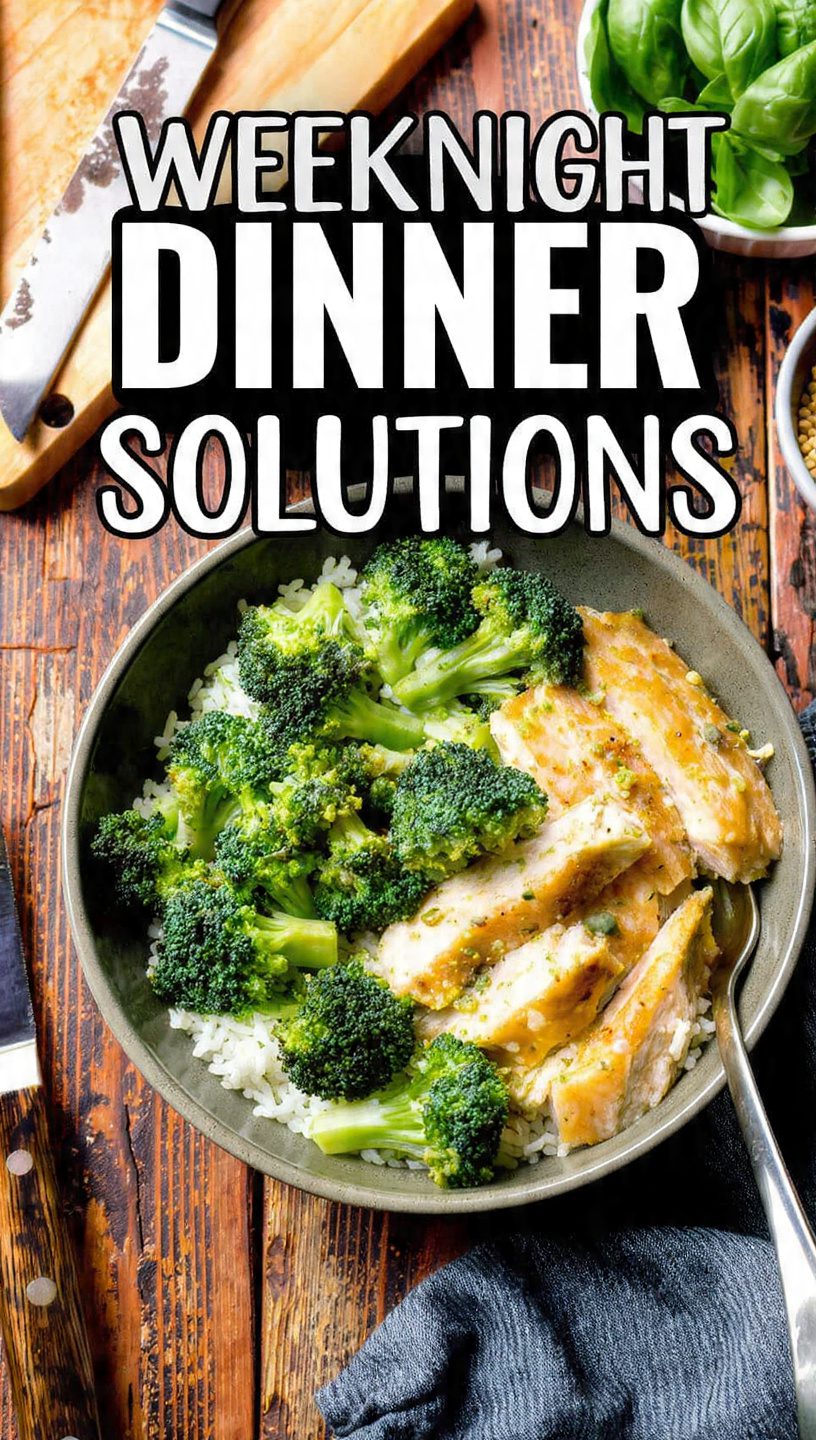
First, Unbelievable Flavor Fusion. When ingredients simmer together in one pot, their flavors meld. The rice absorbs the seasoned broth, the chicken tenderizes in the sauce, and the veggies caramelize slightly. This creates a depth of flavor you simply can’t achieve when cooking components separately. Why make separate dishes when you can create a culinary marriage?
Second, The Ultimate Cleanup Hack. You use one Dutch oven, one skillet, or one baking dish. That’s it. You are literally trading five dirty dishes for one. IMO, this is the single greatest invention in the history of home cooking. You spend 10 minutes prepping and 5 minutes scrubbing.
Third, Efficiency and Speed. While the cooking time might be slightly longer than a 30-minute sprint, the hands-on time is incredibly short. You dump, stir once, cover, and walk away. This frees you up to finally fold that laundry or, better yet, just relax. TBH, the less time I spend monitoring a pot, the happier I am.
The Goods: Ingredients (The Kitchen Sink Method)
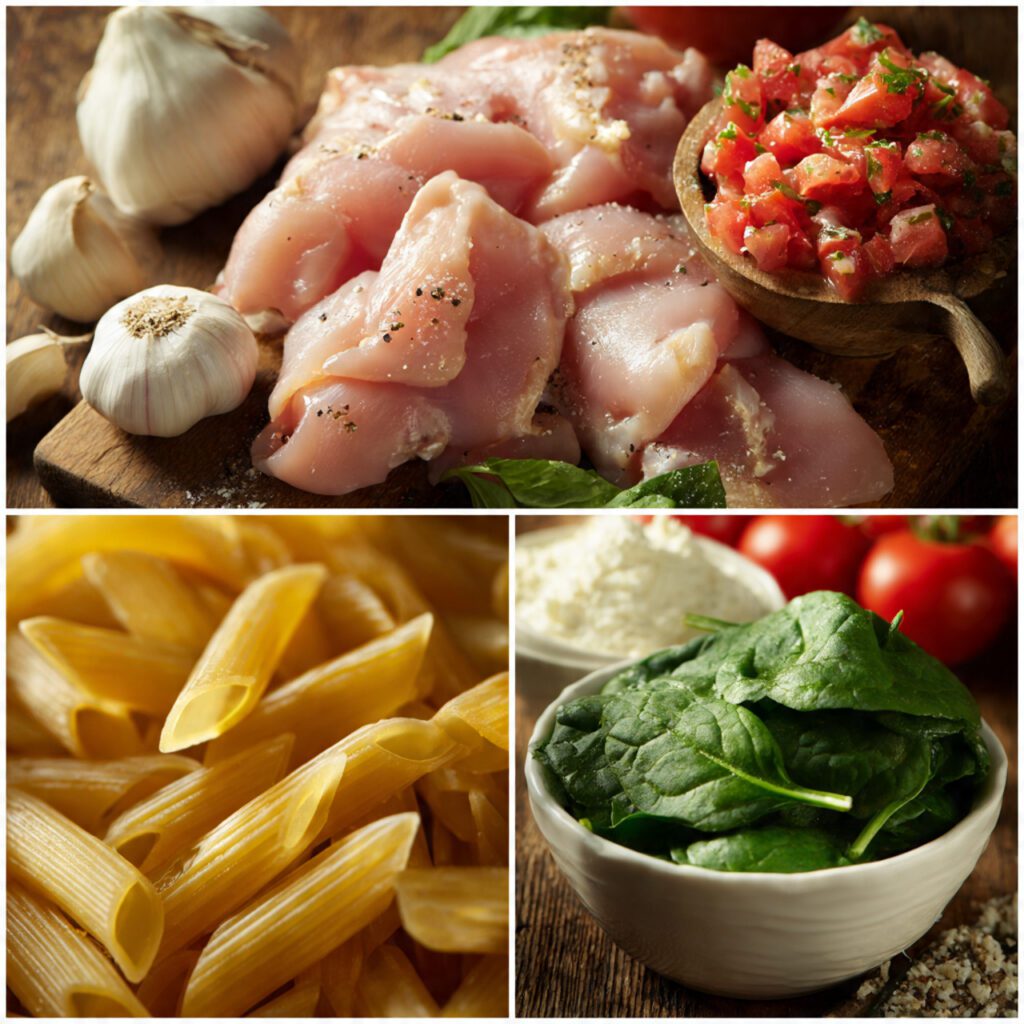
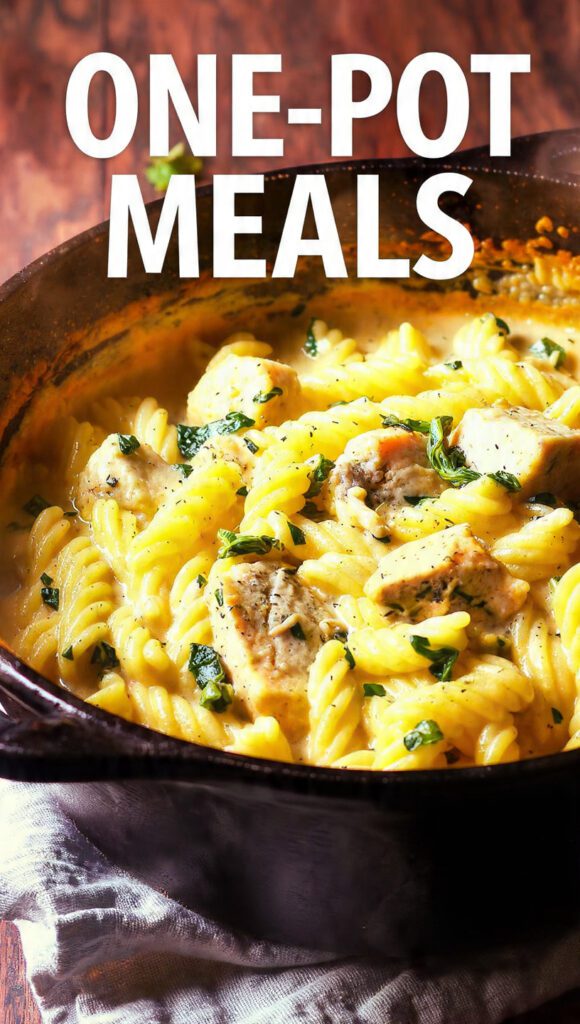
The secret to a great one-pot meal is selecting ingredients that cook in similar amounts of time or stagger the additions accordingly. We’ll use a creamy Tuscan Chicken Pasta as our example, a classic one-pot wonder.
- The Protein & Fat:
- 1 pound Boneless, Skinless Chicken Thighs (sliced into 1-inch chunks).
- 2 tablespoons Olive Oil.
- 1/2 cup Heavy Cream.
- The Flavor Base:
- 1 medium Yellow Onion, diced.
- 4 cloves Garlic, minced.
- 1 teaspoon Dried Italian Seasoning.
- 1/2 teaspoon Red Pepper Flakes (optional, for a kick).
- Salt and Pepper.
- The Starches & Veggies:
- 1 cup Uncooked Short Pasta (Penne, Rotini, or Farfalle).
- 1 (14.5 oz) can Diced Tomatoes (undrained).
- 4 cups Chicken Broth (low sodium).
- 1 cup Fresh Spinach (added right at the end!).
- The Finish:
- 1/2 cup Grated Parmesan Cheese.
H3 Key Substitutions (Mix and Match Your Pot)
- Chicken Thighs Swap: Use Italian sausage (removed from casings and crumbled) or canned white beans (added at Step 4) for vegetarian options.
- Pasta Substitute: Use rice (substituting 1 cup pasta for 1 cup rice, but increasing liquid to 5 cups and cooking time to 25 mins).
- Dairy-Free/Vegan Swap: Replace heavy cream with full-fat canned coconut milk or a thick cashew cream.
Tools & Kitchen Gadgets Used (The Minimalist Arsenal)
You need one star player, which should be a workhorse that goes from stovetop to table.
- Large, Deep Skillet or Dutch Oven (Mandatory): A 10-12 inch skillet with high sides or a 5-quart Dutch oven. This is the only cooking vessel we use.
- Sharp Chef’s Knife and Cutting Board: For the initial (and minimal) chopping.
- Measuring Cups and Spoons: For accurate liquid and spice ratios.
- Wooden Spoon or Spatula: For stirring and scraping the bottom (prevent burning!).
- Can Opener: For the tomatoes.
- Lid for the Skillet/Pot: Crucial for simmering and allowing the starch to cook evenly.
Step-by-Step Instructions (Sauté, Simmer, Serve)
This recipe uses the ‘Sauté First’ technique, which builds the flavor base before introducing the liquid and starch.
H3 Step 1: Sear the Protein and Build the Base (10 mins)
- Heat the olive oil in your Dutch oven or deep skillet over medium-high heat.
- Add the chicken thighs and season lightly with salt and pepper. Sear for 5-7 minutes until browned on all sides. Remove the chicken and set aside.
- Reduce the heat to medium. Add the diced onion to the pot and sauté for 3 minutes until softened.
- Add the minced garlic, Italian seasoning, and red pepper flakes. Cook for 1 minute until fragrant.
H3 Step 2: Liquid and Starch (Simmer and Cook) (15 mins)
- Pour in the chicken broth and the can of diced tomatoes (undrained). Scrape up any browned bits on the bottom of the pot—that’s all flavor!
- Bring the mixture to a rapid simmer. Add the uncooked pasta and return the seared chicken thighs to the pot.
- Reduce the heat to low, cover the pot with a tight-fitting lid, and simmer for 12-15 minutes. Check the pasta package for approximate cooking time, but it usually takes about 15 mins for short pasta.
H3 Step 3: Finish and Serve (5 mins)
- After 12-15 minutes, check the pasta. It should be tender, and most of the liquid should be absorbed. If it looks dry, add a splash more broth. If it looks soupy, remove the lid and simmer uncovered for 2 minutes.
- Stir in the heavy cream and fresh spinach. Cook for 1 minute until the spinach wilts.
- Remove the pot from the heat. Stir in the grated Parmesan cheese until melted and creamy. Taste and adjust salt and pepper if needed.
- Serve directly from the pot! Place a trivet under it, and call dinner done.
Calories & Nutritional Info (Balanced and Hearty)
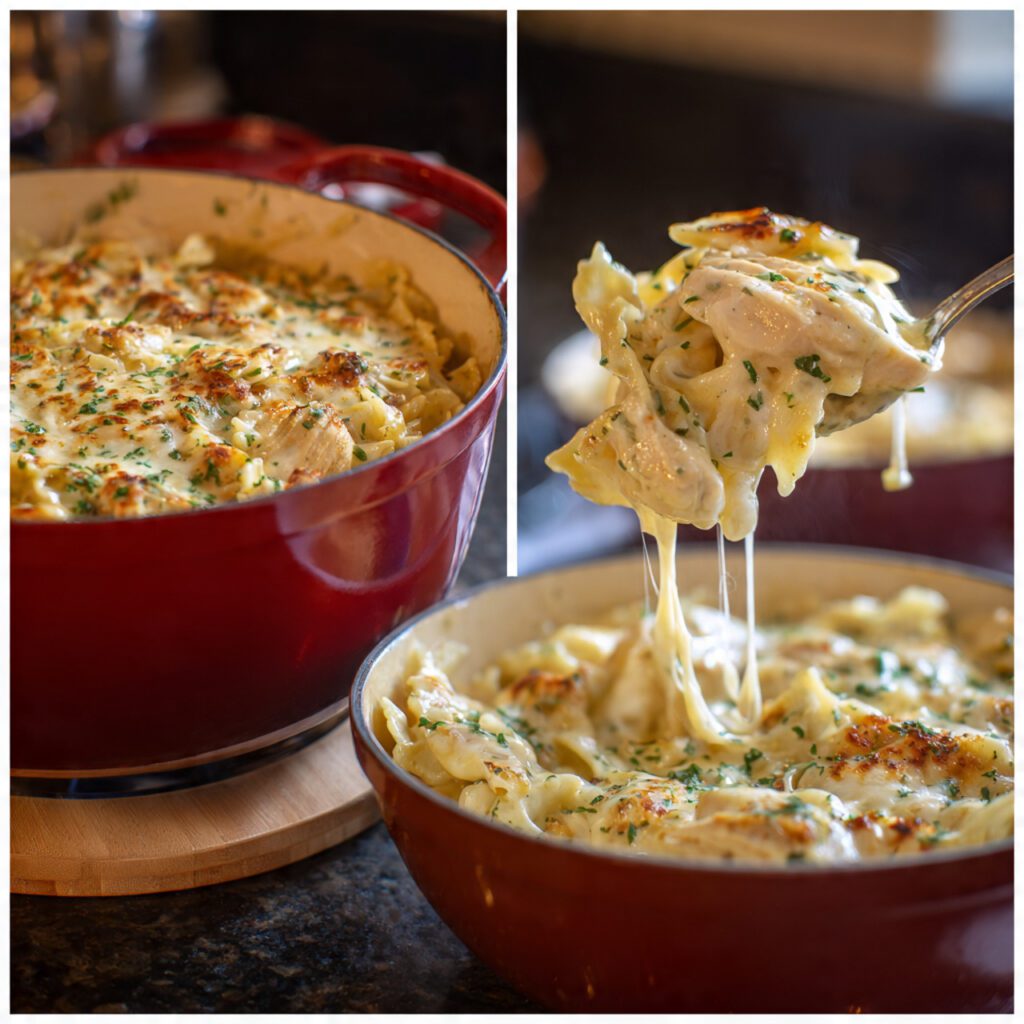
This dish combines protein, carbs, and veggies in one hearty, flavorful serving. This estimate is for one serving (1/4 of the recipe).
- Estimated Calories Per Serving (1/4 of recipe): ~550–650 calories. It’s a complete, filling main course.
- High in Protein: Chicken thighs and Parmesan provide a great protein source.
- Fiber & Vitamins: Tomatoes and spinach contribute fiber, Vitamin A, and Vitamin C.
- Carbohydrates: From the pasta and cream.
- Lower Cleanup Stress: Zero calories, infinite value.
Common Mistakes to Avoid (The Sticky Bottom Tragedy)
The biggest risk in one-pot cooking is burning the starch or ending up with mushy pasta.
- Not Scraping the Bottom: If you don’t scrape up the browned bits in Step 2, they will stick and eventually burn the bottom of your pasta. Scrape vigorously when adding the liquid!
- Forgetting to Use a Lid: The lid traps steam, which is essential for cooking the pasta and rice evenly and ensuring the liquid absorbs properly. Cover the pot tightly during simmering.
- Using Thin Broth: Thin or low-quality broth results in a bland final dish. Use rich, full-flavored broth because the rice/pasta absorbs all that flavor. You want deep flavor, not dishwater.
- Not Staggering Veggies: Don’t add quick-cooking veggies (like spinach) until the very end. Adding them at the start guarantees a mushy, flavorless disaster.
Variations & Customizations (One Pot, Endless Possibilities)
The one-pot technique applies to almost any cuisine! Use this framework to create your own combinations.
- Spicy Mexican Quinoa Bowl: Sauté ground turkey with chili powder and cumin. Add quinoa (1 cup), 4 cups broth, and a can of diced tomatoes and corn. Simmer for 15 minutes. Top with sour cream and cilantro.
- Lentil Curry (Vegetarian Swap): Sauté onion/garlic, add curry paste and red lentils (1 cup). Use canned coconut milk and water instead of broth. Simmer for 20 minutes. Finish with a squeeze of lime.
- Keto Chicken and Cauliflower: Skip the pasta/rice. Sauté sliced chicken/sausage. Add 1 cup heavy cream, 1 cup broth, and chopped cauliflower florets. Simmer for 15 minutes until tender. Top with cheese.
FAQ Section (The Lone Pot Philosophy)
Newcomers to the one-pot lifestyle often have legitimate concerns about cooking starch and protein together.
- Q: Does the pasta really cook properly without pre-boiling?
- A: Yes! The pasta absorbs the flavored broth as it simmers, releasing its starch into the liquid, which creates that thick, creamy sauce naturally. It’s science!
- Q: How much liquid do I need for one-pot pasta?
- A: Generally, aim for a ratio of 4 cups of liquid per 1 cup of uncooked pasta (or rice/quinoa), plus any liquid from canned tomatoes.
- Q: Why does my rice/pasta stick to the bottom of the pot?
- A: Your heat is too high, or you didn’t scrape the bottom well enough in Step 2. Use low heat and stir briefly right after it comes to a simmer.
- Q: Can I use different types of pasta?
- A: Yes, but stick to short, sturdy shapes (penne, rotini). Long, thin pasta (angel hair) can clump easily. Adjust cooking time for different shapes.
- Q: What is a Dutch oven and do I need one?
- A: A Dutch oven is a heavy, thick-walled pot (usually cast iron). It maintains heat beautifully and is ideal for one-pot cooking because it prevents scorching. A large, deep skillet with a lid works too.
- Q: Can I use frozen chicken?
- A: No. You should thaw chicken before searing to ensure it cooks evenly and the searing step works correctly. Frozen chicken releases too much water into the pot.
- Q: How should I store leftovers?
- A: Store leftovers in an airtight container in the fridge for 3-4 days. The starch will continue to absorb the liquid, so add a splash of milk or broth when reheating to restore creaminess.
Final Thoughts (The Cleanup Champion)
You made a delicious, complex meal, and you only dirtied one pot. You are officially a master of the one-pot meals philosophy. That creamy, hearty dinner is proof that less dishwashing equals more happiness.
Go ahead, scoop out that last creamy serving. Did you realize dinner could be this easy and satisfying? I bet you’ll be throwing away that sponge tonight. Now, what single-pot cuisine are you tackling next?