

Stop the Car! Copycat McDonald’s Fries Recipe (Crispy, Salty, Addictive!)
Raise your hand if you’ve ever pulled up to the drive-thru, grabbed that glorious red carton, and inhaled a perfect, fresh, salty stick of potato goodness. We’ve all been there—addicted to that signature flavor and crisp-on-the-outside, fluffy-on-the-inside texture. But then you get the dreaded soggy fries. The tragedy! Don’t you wish you could have that perfect fry experience anytime, right in your own kitchen? Well, prepare yourself, because I’ve cracked the code to making the iconic McDonald’s fries at home. This isn’t just a recipe; it’s a nostalgic, crunchy taste trip, and it’s about to save you so many trips through the drive-thru.
Why This Recipe is Your Golden Ticket to Fry Heaven
Why bother making these at home when you can just drive two miles? Because frankly, homemade is often better, always hotter, and you control the salt-to-potato ratio (which, let’s be honest, is the most important ratio in life). This recipe utilizes the secret technique—the double-fry method—to achieve that famous crispness without losing the fluffy center. Plus, you get to skip the judgmental look from the cashier when you order a second large fry for “a friend.” This recipe is easy, impresses every single human you serve it to, and satisfies that specific, deep-seated craving for fast-food perfection.
Ingredients: The Simplicity is the Genius
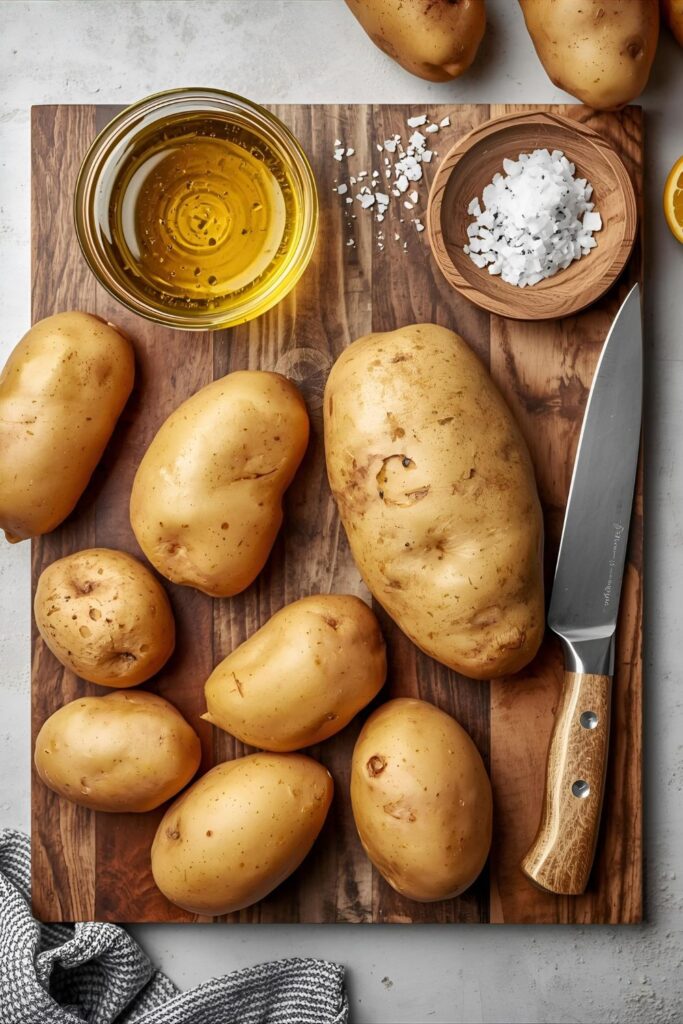

The genius of McDonald’s fries lies in their minimal ingredients. We’re keeping it clean, classic, and absolutely delicious. You really only need four things to achieve peak potato perfection.
- Russet Potatoes: About 4 large ones. Russets are non-negotiable—they have the perfect starch content for that fluffy interior.
- Oil for Frying: About 6 cups (or enough to submerge the fries). Use vegetable oil, canola oil, or peanut oil. High smoke point is key!
- Dextrose (Optional but Recommended): About 1 tablespoon per batch of blanching water. This is a simple sugar that gives the fries their signature golden color. You can find it online or skip it; they’ll still taste amazing.
- Fine Salt: Use lots! A generous amount of fine-grained salt makes all the difference for maximum adhesion and that salty punch.
Tools & Kitchen Gadgets Used
You don’t need a commercial fryer, thank goodness. But a few simple kitchen staples will make this process safer and more successful.
- Sharp Chef’s Knife or French Fry Cutter: For getting those perfect, thin sticks.
- Large Bowl: For soaking and blanching the potatoes.
- Large Pot or Dutch Oven: Use this for frying the potatoes safely. Heavy-bottomed pots are best for maintaining oil temperature.
- Deep-Fry Thermometer: Absolutely essential! Frying is about temperature control, not guessing.
- Slotted Spoon or Spider Strainer: For safely lowering and removing the fries from the hot oil.
- Wire Rack & Baking Sheet: For draining the finished fries. Draining on a wire rack keeps them crispy underneath.
- Paper Towels: For blotting oil (before and after frying!).
Step-by-Step Instructions: The Double-Fry Method Exposed

This is where we get serious. The single most important step is the double-fry. It’s the secret sauce (or, well, the secret technique). Follow these steps precisely for the best McDonald’s fries copycat you’ve ever tasted.
Step 1: Slice and Soak Your Spuds
Peel your Russet potatoes (or don’t, if you like the skin—I won’t tell). Slice them into thin sticks, about 1/4 inch thick. Consistency matters here! Now, place all the cut fries into a large bowl of ice-cold water for at least 30 minutes. This removes excess starch, which prevents them from sticking together and makes them crispier.
Step 2: The Dextrose Bath (Optional Color Trick)
Drain the potatoes. If you’re using the dextrose, dissolve 1 tablespoon in 4 cups of hot water and soak the drained fries in this solution for 5 minutes. Drain and pat the fries bone-dry with paper towels. Seriously, they need to be dry.
Step 3: The First Fry (Blanching)
Pour your oil into the heavy-bottomed pot and heat it to 325°F (160°C). Use your thermometer! Fry the potatoes in small batches for about 3 minutes each. They should look pale, slightly cooked, but not browned. Remove them with the spider strainer and spread them on a wire rack to cool completely—at least 15 minutes, or you can even freeze them for later!
Step 4: The Second Fry (The Crisp Factor)
Reheat the oil to 375°F (190°C). This is your final temperature! Fry the blanched, cooled fries again in small batches. This time, fry them for about 2-3 minutes, or until they are deep golden brown and perfectly crisp. Don’t overcrowd the pot, or the temperature will drop, and you’ll get sad, greasy fries.
Step 5: Salt Immediately
Remove the beautifully browned fries and place them immediately onto the wire rack. Here’s the trick: Season them heavily and immediately with fine salt. Toss them right away while the oil is still shimmering hot so the salt sticks perfectly. Serve instantly! Seriously, don’t wait.
Calories & Nutritional Info (A Delicious Indulgence)
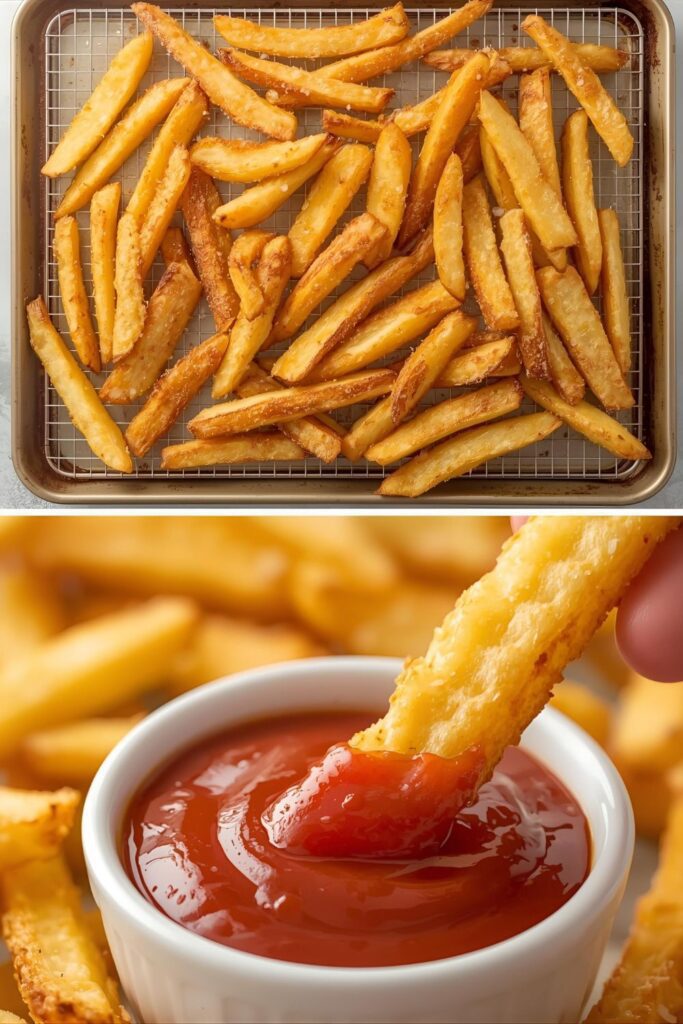
We all know French fries are an indulgence, but hey, you made them at home! You deserve this. Since the portion sizes vary wildly, here’s an estimate for a generous single serving (about $1/4$ of the potato total).
- Estimated Calories Per Serving: Approximately 300-400 calories (depending on oil absorption).
- Carbohydrates: Roughly 40-50g (all that glorious potato starch).
- Fat Content: About 15-25g (the price you pay for crispy perfection).
- Sodium: Highly variable, but generally high (because you’re salting them like a pro).
- Nutritional Note: Potatoes offer some potassium and Vitamin C. See? It’s practically a vegetable side dish!
Common Mistakes to Avoid (The Fry Fails)
Listen up, because a few key missteps can lead to utter potato tragedy. Don’t let your perfect fries turn into greasy sticks of disappointment.
- Not Soaking the Potatoes: Skipping the ice bath leaves too much starch on the surface, which leads to sticky, soft, and unevenly browned fries. Soak them!
- Frying Cold/Wet Fries: If the potatoes are still wet, the oil will sputter and cool down immediately. Always pat the fries bone-dry before the first fry.
- Ignoring the Thermometer: Guessing the oil temperature is basically a guarantee of disaster. You must use a deep-fry thermometer to hit those precise 325°F and 375°F marks.
- Overcrowding the Pot: Too many fries at once drops the oil temperature instantly. This means greasy fries that don’t crisp. Always fry in small batches.
- Salting Too Late: Salt needs to hit the fries when they are piping hot and still covered in a thin layer of oil. Salt immediately after removing them from the pot!
Variations & Customizations: Your Fries, Your Rules
You’ve mastered the classic McDonald’s fries, but now you can tweak the recipe to suit your mood.
- Garlic Parmesan Upgrade: Immediately after salting, toss the hot fries with a mix of minced fresh garlic, chopped parsley, and grated Parmesan cheese. It adds a sophisticated, savory punch.
- Spicy Peri-Peri Fries: After the second fry, sprinkle your fine salt, and then toss them with a blend of smoked paprika, cayenne pepper, and a touch of brown sugar. Sweet heat is always a winner.
- Air Fryer “Healthier” Version: Cut and soak the potatoes as usual, then dry them completely. Toss them lightly in oil (maybe $1$ tablespoon). Air fry at 380°F (195°C) for 15 minutes, shaking halfway, until golden brown. You miss the double-fry texture, but it’s a quick, easy alternative!
FAQ Section: All Your Burning Fry Questions Answered
You have questions about the world’s most popular french fry. I get it. We all want the secrets!
- Why do I need to double-fry the potatoes?The first fry (325°F) cooks the interior starch until it’s soft and fluffy. The second fry (375°F) evaporates any remaining moisture on the surface, creating that shatteringly crispy exterior. It’s the key to the famous texture.
- Can I use any type of potato?I mean, you can, but you shouldn’t. Russet potatoes are essential because their high starch content breaks down into that fluffy interior. Other types (like red or Yukon Gold) result in denser, waxier fries.
- What’s the best oil to use for the authentic flavor?The original flavor often involves beef tallow, but for home cooking and easier access, a high-quality vegetable or peanut oil works perfectly. Some people add a teaspoon of beef tallow (or beef flavoring) to their cooking oil for an extra layer of authenticity.
- Why did my fries turn out soggy?Usually, this happens because the oil temperature dropped too low (from overcrowding or starting too cool), or you didn’t dry the potatoes enough after soaking. Make sure your oil is hot and your batches are small!
- What is dextrose and can I skip it?Dextrose is a simple glucose sugar that helps the fries caramelize quickly, giving them that signature golden-yellow color. You can definitely skip it; the flavor will be the same, but the color might be slightly paler.
- How do I store the blanched (first-fry) fries?Let them cool completely on the wire rack. You can then store them in an airtight container in the fridge for up to 2 days, or freeze them in a single layer for later use.
- What dipping sauces pair best with these fries?Honestly, anything! Ketchup is the classic. For an elevated experience, try a spicy aioli, a homemade roasted garlic mayo, or even just high-quality malt vinegar (don’t knock it ’til you try it!).
Final Thoughts: Drive-Thru Who?
You now possess the knowledge to recreate the perfect McDonald’s fries in your own kitchen. You control the crispness, the salt, and the temperature—no more settling for lukewarm sadness from a paper bag! Go ahead, make a huge batch, dunk them in your favorite sauce, and realize you just unlocked a new level of culinary power. You’ll never crave those drive-thru lines again. (Unless, of course, the ice cream machine is actually working. Then maybe.) Enjoy your delicious, crunchy victory!

