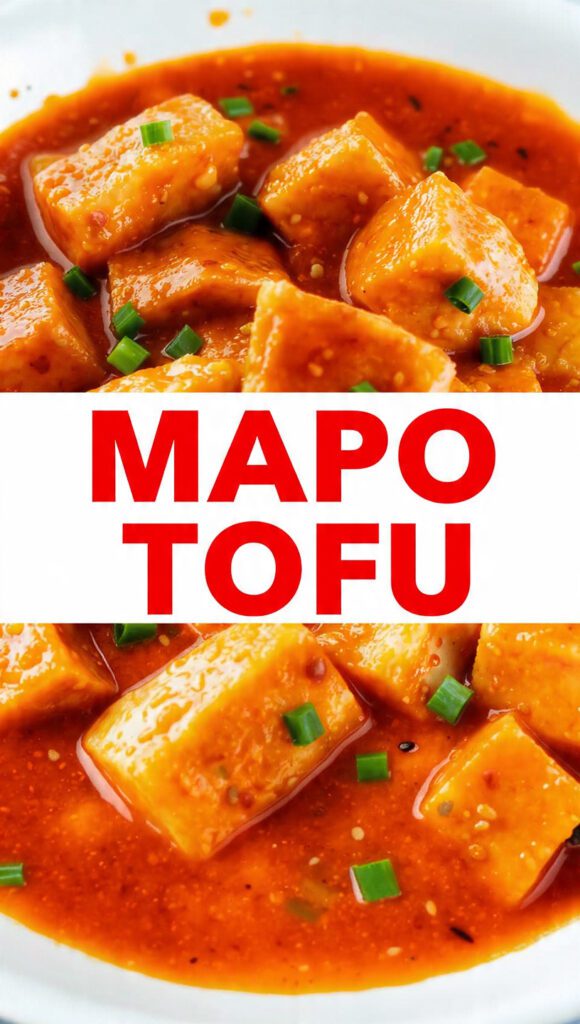
Authentic Mapo Tofu Recipe: The Spicy, Numbing Comfort Food You Didn’t Know You Needed
Have you ever sat in a Sichuan restaurant, taken a bite of something, and suddenly realized you couldn’t feel your tongue? Welcome to the wonderful world of mapo tofu, a dish that is essentially a rollercoaster for your mouth. Most people think tofu is the “sad beige” of the food world, but this recipe is here to prove that with enough chili oil and fermented beans, even a block of soy can become a legend.
I remember the first time I tried to make this for a date. I accidentally tripled the Szechuan peppercorns, and by the end of the meal, we were both sweating through our shirts and communicating via hand signals because our vocal cords had gone on strike. Since then, I have perfected the balance of “mala” (numbing heat). Do you want to master a dish that makes you look like a culinary wizard while simultaneously clearing your sinuses? Stick with me, friend.
Why This Recipe Is the Undisputed GOAT
Why should you bother making mapo tofu at home when you could just order takeout? For starters, most “mall-version” mapo tofu is just spicy ketchup with cubes of rubber. This recipe uses real, fermented broad bean paste to build a complex flavor profile that hits you with savory, salty, and then—of course—the heat. It is fast, it is flashy, and it proves you aren’t afraid of a little fire.
Beyond the flavor, this dish is a total showstopper for guests. It looks vibrant and expensive, but it actually comes together in about twenty minutes if you have your life together. You get to control the spice level, so you don’t actually have to see through time if you don’t want to. Ready to ditch the boring stir-fry and give your taste buds a wakeup call?
The Ingredients: The Spicy Squad
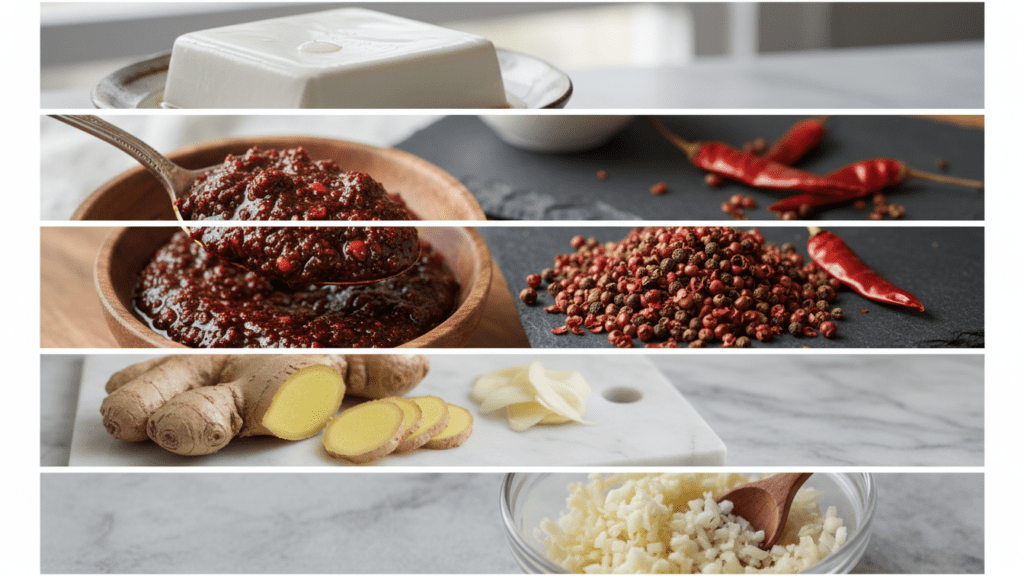
Don’t let the list of specific pastes scare you. You can find these at any local Asian market or the international aisle of your grocery store. If you can’t find them, I’ve got a few cheats for you.
- 1 lb Soft or Silken Tofu: Don’t use extra-firm; we want these to be like little clouds of joy.
- 1/4 lb Ground Pork or Beef: This is for the flavor and texture, not to be the main star.
- 2 tbsp Pixian Doubanjiang: This is fermented broad bean chili paste. It is the soul of the dish.
- 1 tbsp Douchi: Fermented black beans. Salty little flavor bombs.
- 1 cup Chicken Broth: Or water, if you’re feeling minimalist.
- 2 cloves Garlic: Minced. We measure this with our hearts.
- 1 tsp Ginger: Finely minced to cut through the richness.
- 2 tbsp Szechuan Peppercorns: Toasted and crushed. This is the “numb” part.
- 1 tbsp Cornstarch: Mixed with 2 tbsp water to make a slurry.
- Green Onions: Chopped for that “I’m a professional chef” garnish.
- Chili Oil: A generous drizzle, because we like to live dangerously.
The Arsenal: Tools & Kitchen Gadgets
You don’t need a professional Chinese kitchen, but a few specific tools make the process a lot less messy.
- Carbon Steel Wok: Essential for that high-heat “wok hei” flavor.
- Spider Strainer: To gently lift that delicate tofu without breaking it.
- Mortar and Pestle: To crush those peppercorns into a fine, numbing dust.
- Silicone Spatula: For folding the tofu into the sauce like you’re handling a newborn.
- Fine Mesh Sieve: If you want your peppercorn dust perfectly uniform.
Step-by-Step Instructions: The Path to Fire
Step 1: The Peppercorn Toast
Start by tossing your Szechuan peppercorns into a dry wok over low heat. Toast them until they smell like citrus and wood. Move them to your mortar and pestle and crush them into a powder. Do not skip the toasting step unless you want to chew on bitter gravel.
Step 2: The Tofu Bath
Cut your tofu into 1-inch cubes. Gently drop them into a pot of simmering salted water for about 2 minutes. This “toughens” them up so they don’t disintegrate the moment you look at them. TBH, this is the secret to tofu that keeps its shape.
Step 3: Sear the Meat
Wipe out your wok and add a splash of oil. Fry your ground meat until it’s crispy and brown. We want texture here, people! Move the meat to the sides and add your Pixian Doubanjiang and Douchi to the center. Fry the paste until the oil turns a brilliant, dangerous red.
Step 4: The Aromatic Dance
Throw in your ginger and garlic. Sauté for 30 seconds until your kitchen smells like a dream. Pour in the chicken broth and bring it to a simmer. IMO, this is the moment the magic happens.
Step 5: The Gentle Merge
Slide your drained tofu into the wok. Do not stir it! Instead, use your spatula to gently push the tofu through the sauce. Let it simmer for 3–5 minutes so the tofu absorbs all that spicy goodness.
Step 6: The Thickening Trick
Slowly drizzle in your cornstarch slurry while gently moving the tofu. The sauce will turn from watery to a glossy, thick glaze. Turn off the heat and stir in half of your crushed peppercorns and a big splash of chili oil. Garnish with a mountain of green onions. You did it!
Calories & Nutritional Info
I know, we don’t usually talk about calories when chili oil is involved, but here is the breakdown:
- Calories: ~320 kcal per serving.
- Protein: 22g (Tofu and pork—muscle food!).
- Total Fat: 18g (Mostly the “happy” kind from the oil).
- Carbohydrates: 12g.
- Sodium: High. Drink a lot of water after this.
Common Mistakes to Avoid (The Cheeky Guide)
- Stirring Like a Maniac: If you stir too hard, you’ll end up with “Mapo Mush.” Gently fold the tofu!
- Using Firm Tofu: Firm tofu doesn’t absorb the sauce. It just sits there being boring. Go silken or go home.
- Skipping the Salt Water Soak: This is why your tofu always breaks. Don’t be that person.
- Ignoring the Peppercorns: If you don’t toast and crush fresh peppercorns, you’re missing 50% of the flavor. Fresh is king.
Variations & Customizations
Feeling adventurous? Try these three spins:
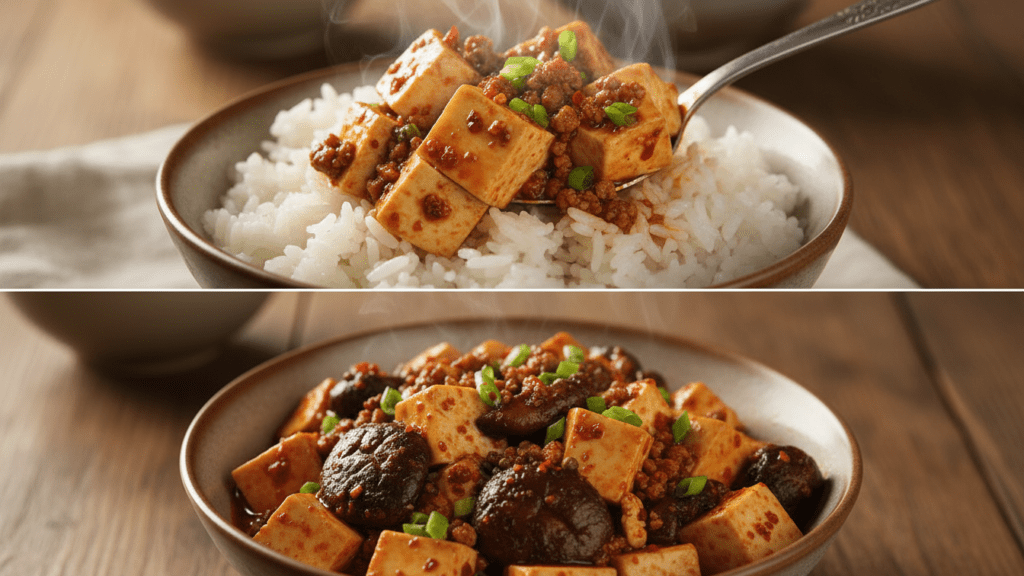
- The Vegetarian Swap: Replace the ground meat with finely chopped shiitake mushrooms. They have the same meaty “oomph” without the feet.
- The “Inferno” Mode: Add three dried Thai bird’s eye chilies to the oil during the aromatic stage. FYI, this is only for the brave.
- The Keto-Friendly Version: Skip the cornstarch slurry and let the sauce reduce further, or use a tiny bit of xanthan gum to thicken.
FAQ: Your Burning Questions Answered
How spicy is Mapo Tofu?
It depends on your Doubanjiang. Usually, it is a solid 7 or 8 out of 10. The peppercorns don’t add “heat,” just a numbing vibration.
Can I make this vegan?
Absolutely! Use mushroom broth and chopped mushrooms instead of pork. It’s just as satisfying.
What is the best side dish?
Steamed jasmine rice is the only correct answer. It acts as a fire extinguisher for your tongue.
Can I use silken tofu from a box?
Yes, but handle it with extreme care. It’s delicate!
Why is my sauce bitter?
You likely burnt the chili paste or the garlic. Keep the heat medium when frying the aromatics.
Is Mapo Tofu healthy?
It’s high in protein and low in carbs, but the sodium and oil can be a bit much. Moderation is a lie, but try your best. 🙂
How long do leftovers last?
Tofu actually tastes better the next day! It stays good in the fridge for about 3 days. Reheat gently on the stove.
Final Thoughts
There you have it—a mapo tofu recipe that will make you the most popular person at the dinner table. Once you realize how easy it is to make a restaurant-quality Szechuan sauce at home, you’ll never look at a takeout menu the same way again.
Go ahead, turn up the heat and embrace the numbing goodness! Just make sure you have some cold drinks standing by. Let me know in the comments if you survived the peppercorns. Happy cooking! 🙂