🥢 Takeout Who? Mastering the Ultimate Glossy Lo Mein Recipe at Home
Let’s be brutally honest: we have all fallen victim to the 8 PM siren song of a greasy cardboard box filled with noodles that arrive with the structural integrity of a wet paper towel. You know the routine—you pay twenty bucks for a “house special” lo mein, only to find two sad shrimp and a mountain of cabbage that’s been steaming in its own regret for thirty minutes. It’s a culinary tragedy! But then, you realize that making restaurant-quality noodles in your own kitchen takes less time than the delivery driver spends finding your house.
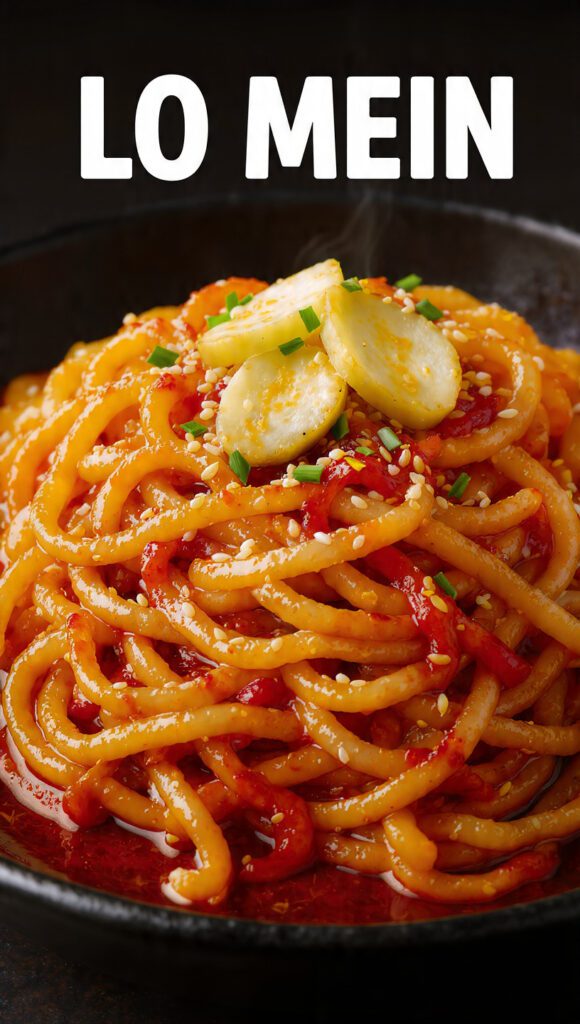
I once served a giant bowl of these glossy, umami-packed noodles to a friend who genuinely believed that “lo mein” was a flavor exclusively owned by a guy named Panda. After the first slurp of these ginger-infused, perfectly chewy strands, he actually asked if I had a secret industrial wok hidden in my laundry room. That, my friends, is the power of a proper sauce reduction and a high-heat pan. Are you ready to stop settling for lukewarm delivery and start building a legendary stir-fry masterpiece in your own kitchen?
🏆 Why This Lo Mein Strategy is the Actual GOAT
Why should you bother whisking sauce when you could just click an app? Because this method delivers a level of “bite” and garden-fresh depth that a commercial kitchen simply cannot preserve in transit. We are talking about tender, “velveted” protein and snap-crisp veggies encased in a sauce so glossy you can practically see your own reflection in the bowl.
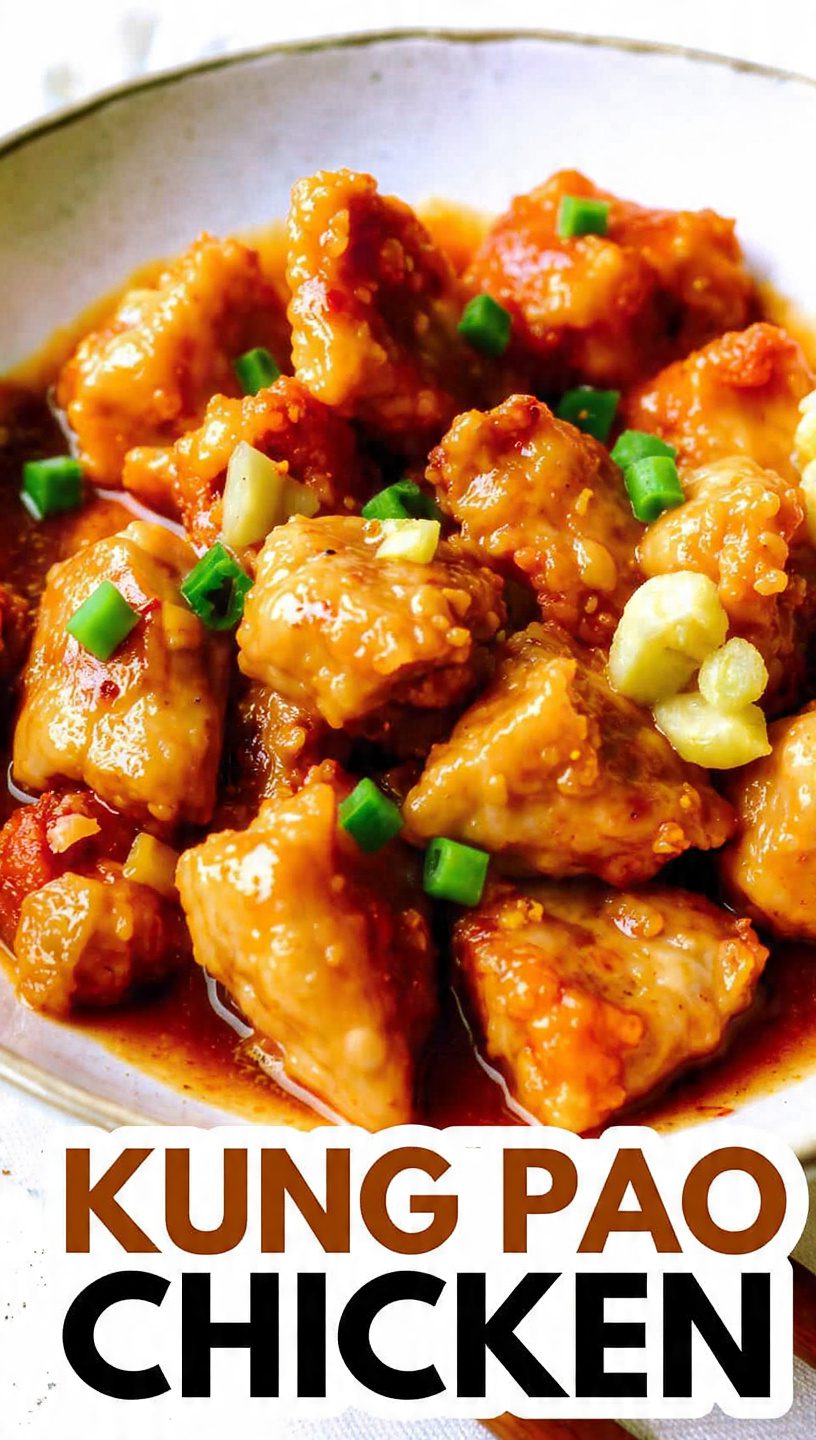
This recipe is awesome because it’s a high-impact “flex” for anyone who wants to look like a professional chef with minimal effort. It impresses guests because it looks incredibly technical (that sheen!), when in reality, you just know how to handle cornstarch and a skillet effectively. Plus, you get to control the sodium levels, so you won’t wake up feeling like you swallowed a salt lick. It’s the undisputed champion of weeknight wins, IMO.
🧂 The “Noodle-Elite” Ingredient List
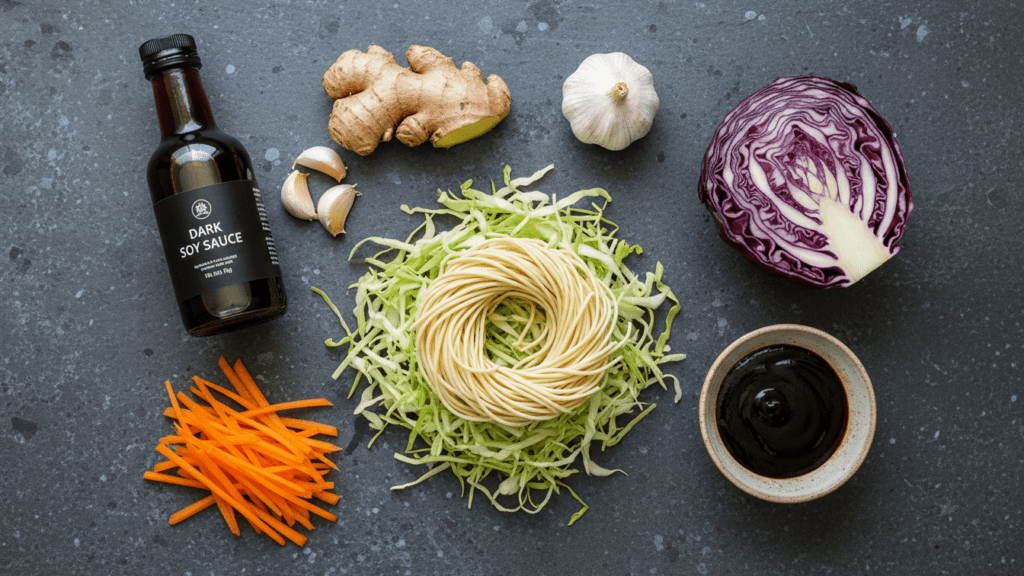
Success depends entirely on the texture of your noodle and the quality of your aromatics. Don’t go for “spaghetti” here unless you want to feel the crushing weight of culinary disappointment. 🙂
- 1 lb Egg Noodles: CRUCIAL. Look for “Fresh Lo Mein” noodles in the refrigerated section. If you must use dry, don’t overcook them!
- 1 lb Protein of Choice: Thinly sliced chicken breast, flank steak, or peeled shrimp.
- 2 Cups Cabbage: Shredded thin so it wilts just enough to cling to the noodles.
- 1 Large Carrot: Julienne cut (fancy talk for “matchsticks”).
- 1 Bunch Green Onions: Sliced on a bias (whites for the pan, greens for the top).
- 3 Cloves Garlic & 1 Inch Fresh Ginger: Minced into microscopic bits of flavor.
- The “Liquid Gold” Sauce:
- 3 Tbsp Soy Sauce (Low sodium, let’s be kind to our hearts).
- 1 Tbsp Dark Soy Sauce (This is for that iconic deep mahogany color).
- 1 Tbsp Oyster Sauce (The secret umami bomb).
- 1 Tsp Toasted Sesame Oil (The “smell of takeout” in a bottle).
- 1 Tsp Sugar (To balance the salt chaos).
Key Substitutions
- The Noodle Swap: If egg noodles are extinct in your town, use linguine, but undercook it by 2 minutes so it finishes in the sauce.
- The Soy Swap: Use Liquid Aminos or Tamari to make this a gluten-free haven (check your oyster sauce label too!).
- The Veggie Swap: Toss in snow peas or bell peppers if you’re feeling colorful.
🔪 Tools & Kitchen Gadgets Used
You don’t need a professional laboratory, but a hot surface is the difference between a sear and a steam.
- 14-inch Carbon Steel Wok: The absolute MVP for achieving that viral-worthy “Wok Hei” (breath of the wok). Check out top-rated woks here!
- Microplane Zester: For turning that ginger into a smooth, instant-melting cloud. Grab a precision one here!
- Stainless Steel Tongs: To toss the noodles without snapping them into sad little pieces. Check them out on Amazon!
- High-Heat Silicone Spatula: For scraping every drop of sauce from the bowl. Get a sturdy one here!
- Large Stockpot: For giving your noodles their initial hot bath.
👩🍳 Step-by-Step Instructions: The Path to Glossy Glory
Follow these steps precisely. Stir-frying is a game of speed and confidence. Prep everything before you turn on the fire.
1. The Noodle Bath
Boil your noodles according to the package, but stop 1 minute early. TBH, “al dente” is too soft for lo mein; we want “al resistance.” Drain and rinse with cold water to stop the cooking.
2. The Sauce Symphony
In a small bowl, whisk together the soy sauces, oyster sauce, sugar, and sesame oil. This is your flavor bomb. Have it standing by like a loyal sidekick.
3. The Screaming Sear
Heat a tablespoon of oil in your wok over high heat. When it starts to smoke slightly, add your protein. Cook until just charred on the edges, then remove it from the pan. Bold Key Info: Do not crowd the pan! We want a sear, not a gray meat soup.
4. The Aromatic Bloom
Add another splash of oil and toss in the garlic, ginger, and green onion whites. Sauté for exactly 30 seconds until your kitchen smells like a five-star Tokyo bistro.
5. The Veggie Flash
Dump in the cabbage and carrots. Toss for 2 minutes. We want them bright and snappy, not mushy like they’ve been sitting in a steam table since lunch. 🙂
6. The Great Integration
Add the noodles and the cooked protein back into the wok. Pour that sauce symphony over the top. Using your tongs, toss vigorously.
7. The Final Reduction
Let the noodles sit for 30 seconds against the hot metal to soak up the sauce. Toss again until every strand is lacquered in mahogany gold. FYI, if the sauce isn’t thick enough, let it bubble for another minute.
8. The Victory Lap
Top with green onion tops and serve immediately. Do not wait! Lo mein waits for no one.
📊 Calories & Nutritional Info (The Justification)
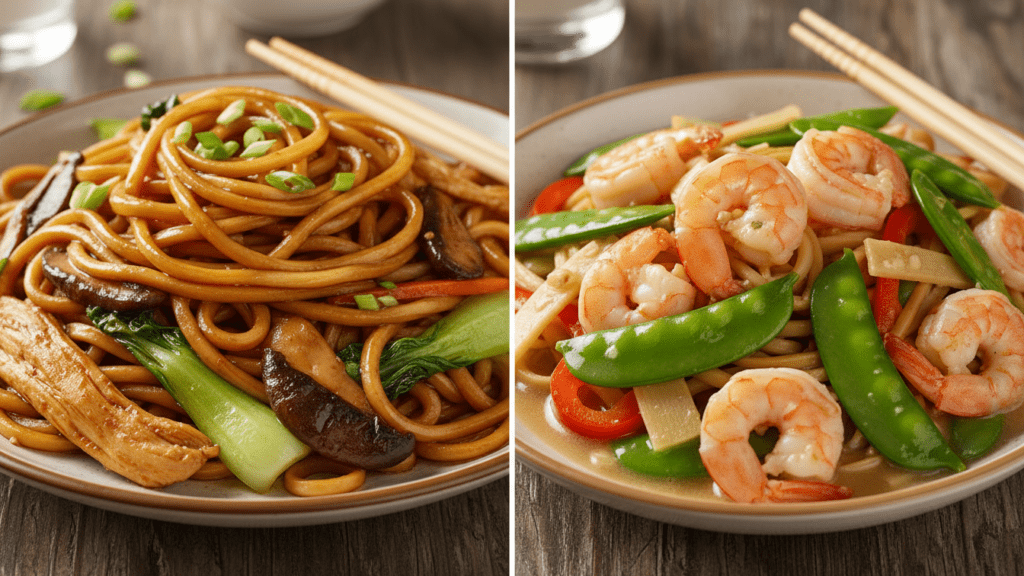
Since we used fresh ginger and made this at home without the industrial grease, we can legally pretend this is a wellness bowl.
- Estimated Calories Per Serving: $\approx$ 380–450 kcal.
- Protein Power: A solid 25-30g to keep those muscles happy.
- Sodium: 40% lower than takeout (your blood pressure says thanks).
- Fiber: A nice little boost from the cabbage and carrots.
- Mood: Scientifically proven to improve by 1,000% after the first bite.
🚨 Common Mistakes to Avoid (The Noodle Crimes)
Avoid these if you want people to actually keep talking to you at the dinner table.
- Overcooking the Noodles: Mushy noodles are a culinary felony. Keep them firm.
- Cold Pans: If the pan isn’t hot, the veggies will steam and get sad. Wait for the smoke.
- Skipping the Dark Soy: Without it, your noodles will look pale and sickly. Find the dark soy.
- Rushing the Prep: Stir-frying takes 5 minutes. If you’re still chopping garlic while the oil is smoking, you’ve already lost. Mise en place is your god now. 🙂
✨ Variations & Customizations
Because you’re the boss of this glossy noodle circus.
1. The Keto-Friendly Swap
Replace the noodles with shirataki noodles or zucchini noodles. It won’t have the same chew, but the sauce makes anything taste like a five-star meal.
2. The “Fire-Breather” Version
Add a tablespoon of Szechuan Chili Crisp or Sriracha to the sauce. The heat against the sweet oyster sauce is a sophisticated game-changer.
3. The Tofu Transformation
Swap the meat for cubed extra-firm tofu. Press the tofu for 20 minutes first so it sears like a dream. It’s a vegetarian miracle that even meat-eaters will steal.
❓ FAQ Section: Your Lo Mein Queries Answered
What is the difference between Lo Mein and Chow Mein?
Lo Mein means “tossed noodles” (soft and saucy), while Chow Mein means “fried noodles” (usually crispier and drier).1 IMO, Lo Mein is the superior comfort food.
Can I make this in a regular frying pan?
Yes! Use a large non-stick or cast iron skillet. Just make sure you don’t overfill it, or you won’t get that iconic sear.
How do I store leftovers?
Keep it in an airtight container for up to 3 days. To reheat, use a pan with a splash of water to restore the gloss; the microwave is where texture goes to die.
Is oyster sauce made of actual oysters?
Yes. It’s made from oyster extracts. If you’re vegan, look for “Vegetarian Mushroom Sauce”—it tastes almost identical!
Why is my lo mein dry?
You likely didn’t add enough liquid or you cooked it too long. Add a splash of chicken broth or water at the very end to loosen the sauce.
Do I have to rinse the noodles?
Absolutely. Rinsing with cold water removes the excess starch that makes noodles clump together into a giant dough ball. Rinse them!
What is dark soy sauce?
It’s thicker, less salty, and contains molasses. It’s primarily used for color and depth rather than pure saltiness. It’s the secret to that “restaurant look.”
🥂 Final Thoughts: Go Forth and Toss!
You’ve done it. You’ve successfully navigated the world of “Lacy Noodles” without having a public breakdown. You are now a titan of the wok and a hero of the weeknight dinner table. Go ahead, have that second bowl—it’s mostly just “protein and ginger,” right? Just don’t tell me if you still have a hidden delivery menu for the local “Golden Dragon” in your drawer; I have a reputation to maintain. 😉