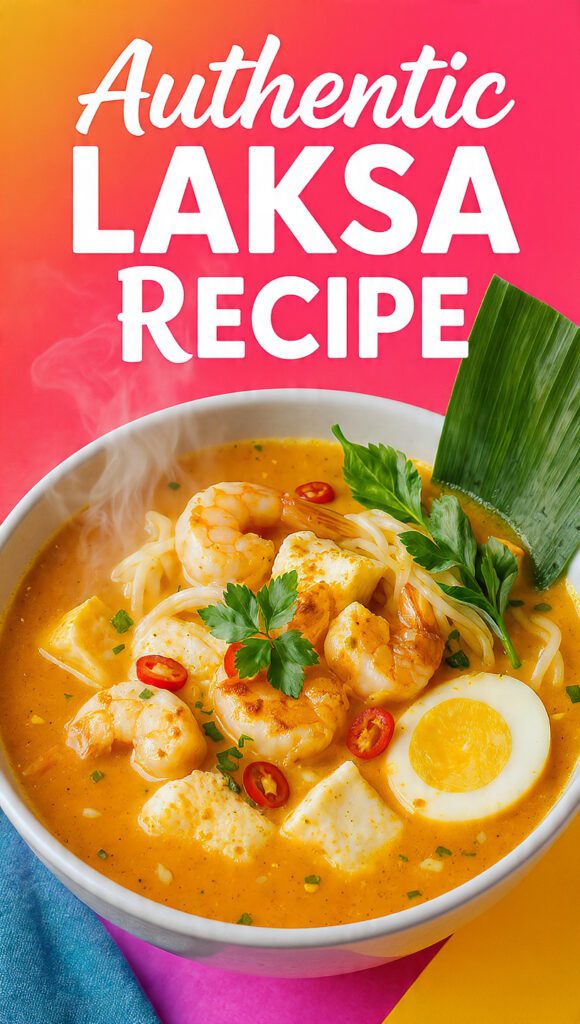
The Ultimate Laksa Recipe: A Spicy, Creamy Trip to Noodle Heaven
We have all been there. You are scrolling through your feed at 11:00 PM, and suddenly, a bowl of deep orange, coconut-milky goodness appears. You can practically smell the lemongrass and chili through the screen. Before you know it, you are raiding the pantry for a stale pack of ramen, crying because it just isn’t the same. Why do we torture ourselves when a world-class laksa recipe is actually within reach?
Honestly, if you haven’t experienced the life-changing magic of a proper laksa, we might need to reevaluate our friendship. It is the undisputed heavyweight champion of the soup world. It’s spicy enough to clear your sinuses, creamy enough to soothe your soul, and packed with enough noodles to make you forget your name. Ready to stop dreaming and start slurping? 🙂
Why This Recipe is Actually Awesome
Why should you bother making this when you could just buy a “just add water” cup? Because those cups taste like salty regret, that’s why. A homemade laksa is a tactical strike of flavor. We aren’t just making soup; we are building a masterpiece of Southeast Asian culinary engineering.
The beauty of this dish lies in the balance. You get the funky hit of shrimp paste, the zing of galangal, and the velvety hug of coconut milk. It impresses guests so much they might actually offer to do the dishes. Plus, it is surprisingly approachable once you break down the “secret” paste. TBH, once you master the base, you will feel like a kitchen wizard.
Our Top Pick

Papier Herb Garden Recipe Journal - Hardback Design
Capture your culinary ideas and favorite memories with this beautifully designed recipe journal. Organized sections for breakfast, lunch, dinner, and treats make it easy to record recipes, ratings, dietary notes, and cooking tips, along with measurement and conversion guides. Extra pages let you list favorite restaurants, shops, and places to try. Crafted with a premium hardback cover, luxurious 100gsm paper, and a gold foil accent, it’s both durable and stylish. Thoughtfully designed to suit any kitchen, it makes a practical, timeless gift for family, friends, or yourself.
Need one more reason? It is a one-bowl wonder. You get your protein, your veggies, and your carbs all swimming in a broth so good you’ll want to drink it out of a mug the next day. It’s efficient, it’s flashy, and it makes your house smell like a high-end bistro in Singapore or Kuala Lumpur.
The “Spice Route” Shopping List
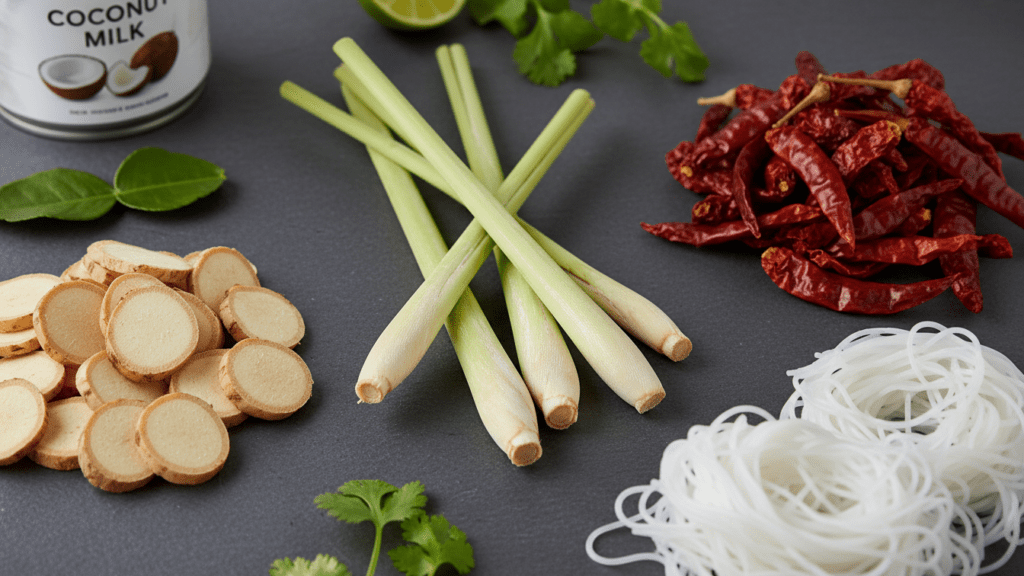
Don’t go trying to make this with regular chili powder. You need the aromatics to get that iconic punch.
- Laksa Paste Base: Dried chilies (soaked), shallots, garlic, lemongrass, galangal, and turmeric.
- Shrimp Paste (Belacan): The secret funk. It smells… interesting raw, but tastes like pure gold cooked.
- Coconut Milk: Use the full-fat canned version. This is not the time for “light” anything.
- Chicken Stock: High-quality stock makes a massive difference.
- Noodles: A mix of thick rice vermicelli and yellow egg noodles is the pro move.
- Proteins: Large shrimp (shells on for the stock if you’re fancy), chicken breast, or fish cakes.
- Tofu Puffs: These are non-negotiable. They act like tiny sponges for the broth.
- Garnishes: Bean sprouts, hard-boiled eggs, fresh mint, lime wedges, and Vietnamese coriander (laksa leaf).
- Key Substitution: Can’t find galangal? Use extra ginger with a tiny squeeze of lime.
Tools & Kitchen Gadgets You’ll Need
To execute a flawless laksa recipe, you need gear that can handle high-speed blending and deep-pot simmering.
- High-Speed Blender or Food Processor: To turn those tough aromatics into a silky-smooth paste.
- Large Heavy-Bottomed Pot or Dutch Oven: You need something that holds heat well and fits all that broth.
- Fine Mesh Strainer: For those of us who like a smooth, professional-grade soup.
- Mortar and Pestle: If you want to do it the old-school, “arm workout” way.
- Spider Strainer: To scoop your noodles and shrimp out of the boiling water with grace.
- Electric Kettle: To get your noodle water boiling faster than you can say “hungry.”
Step-by-Step Instructions
Step 1: The Paste Power-Up
Throw your soaked chilies, shallots, garlic, lemongrass, galangal, and turmeric into the blender. Add the shrimp paste. Blitz until it becomes a smooth, vibrant red paste. If it’s struggling to move, add a splash of oil.
Step 2: The Aromatics Sizzle
Heat a few tablespoons of oil in your large pot. Add the paste and fry it over medium heat. You are looking for the “oil to separate”—this means the water has evaporated and the spices are actually frying. Your kitchen should smell like a dream now.
Step 3: The Broth Build
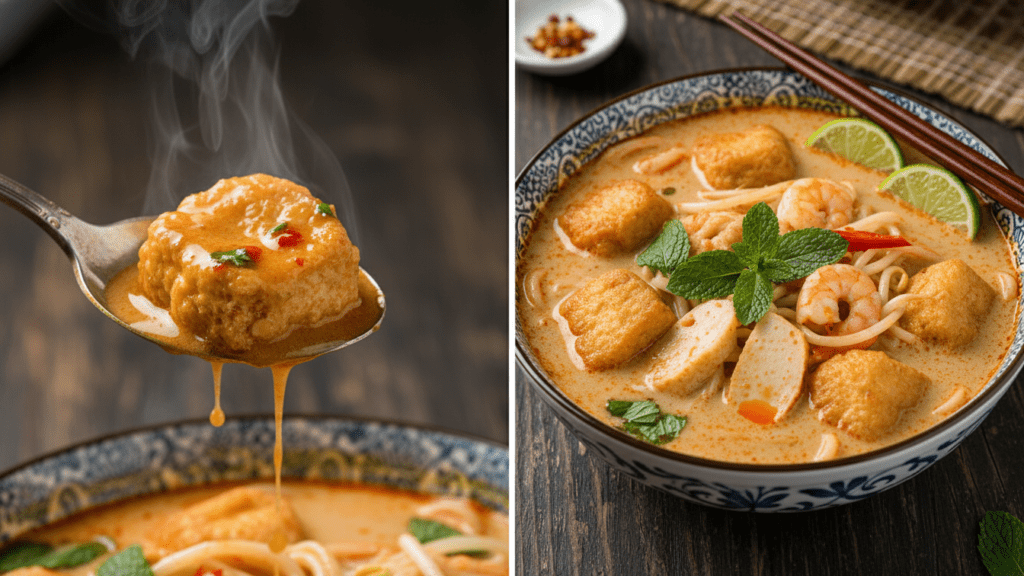
Pour in your chicken stock and bring it to a simmer. Stir in the full-fat coconut milk. Let the broth gently bubble for about 10-15 minutes so the flavors can have a little party. Add your salt or fish sauce here to taste.
Step 4: The Protein Plunge
Add your chicken and shrimp to the broth. Poach them until they are just cooked through. Throw in the tofu puffs during the last 5 minutes. They need time to soak up that spicy liquid like little delicious sponges.
Step 5: The Noodle Assembly
Blanch your rice and egg noodles in a separate pot of boiling water. Divide them into deep bowls. Ladle the hot broth, shrimp, and tofu over the noodles. Top with half an egg, sprouts, and a mountain of fresh herbs.
Our Top Pick

LuBudingJoy Blank Recipe Book
B5 Blank Recipe Book – Create and organize your favorite recipes in one beautiful place. This hardcover recipe book (10" × 7.3") features 150 blank pages and includes DIY category stickers. Designed with conversion charts, content tables, and a back pocket for loose notes.
Calories & Nutritional Info
You are eating a nutrient-dense bowl of fire and cream. Here is the breakdown:
- Calories: Approximately 550-700 kcal per serving (it’s the coconut milk, but it’s worth it).
- Protein: A solid 30g-35g from the shrimp and chicken.
- Carbs: About 50g of satisfying noodles.
- Healthy Fats: 25g-30g, mostly medium-chain triglycerides from the coconut.
- Vitamins: High levels of Vitamin C and Manganese from the fresh aromatics.
Common Mistakes to Avoid
- Boiling the Coconut Milk too Hard: If you crank the heat too high, the coconut milk can split. Keep it at a gentle simmer.
- Skipping the Shrimp Paste: You’ll lose that deep, savory “umami” that makes laksa… laksa. Don’t fear the funk.
- Using Old Spices: If your turmeric has been in the cupboard since the 90s, throw it out. Fresh aromatics are king.
- Not Squeezing the Lime: The acid cuts through the heavy coconut fat. Without it, the dish feels heavy. Always use lime.
- Overcooking the Noodles: Nobody likes a mushy noodle. Blanch them separately and add them at the last second.
Variations & Customizations
Feeling adventurous? Try these three spins:
The Keto/Low-Carb Version
Swap the rice noodles for shirataki (konjac) noodles or extra bean sprouts. The broth is naturally keto-friendly, so you can still enjoy that creamy goodness without the carb crash.
The Vegan Delight
Use a paste without shrimp paste (use miso for saltiness) and swap the chicken/shrimp for extra tofu and mushrooms. Use a high-quality vegetable stock to keep the depth of flavor.
The “Asam” Twist
If you prefer things sour rather than creamy, omit the coconut milk and add tamarind paste. This gives you a more “Penang style” vibe that is bright, tangy, and incredibly refreshing. IMO, it’s the best choice for a hot summer day. 🙂
FAQ Section
Is laksa very spicy? It has a kick, but since you are making it at home, you control the chilies! The coconut milk does a great job of mellowing out the heat.
What is the difference between Curry Laksa and Asam Laksa? Curry Laksa (what we made here) uses a coconut milk base and is creamy. Asam Laksa uses a fish-based broth with tamarind and is sour and spicy without the milk.
Can I use a store-bought paste? You can, but check the labels for preservatives. TBH, homemade paste tastes 10x better and doesn’t have that weird metallic aftertaste.
What are laksa leaves? They are also known as Vietnamese Coriander or Rau Răm. They have a unique, slightly peppery citrus flavor. If you can’t find them, a mix of mint and cilantro is a decent backup.
Can I make this in an Instant Pot? You can sauté the paste and simmer the stock in one, but since everything cooks so fast on the stove, it doesn’t really save you much time.
How long does the laksa broth last? The broth (without noodles) stays fresh in the fridge for 3 to 4 days. It actually tastes even better the next day as the spices continue to develop.
Why did my coconut milk curdle? This usually happens if the broth is too acidic or boiled too vigorously. Keep the heat medium-low once the milk is in the pot!
Final Thoughts
There you have it. You now possess the secret scrolls to the perfect laksa recipe. It’s bold, it’s beautiful, and it’s a heck of a lot cheaper than a plane ticket to Singapore.
Go ahead, give it a shot. And hey, if you end up wearing more of the orange broth on your shirt than you actually get in your mouth, just consider it a badge of honor. Tag me in your spicy creations, or just sit in your coconut-scented bliss. Happy slurping!