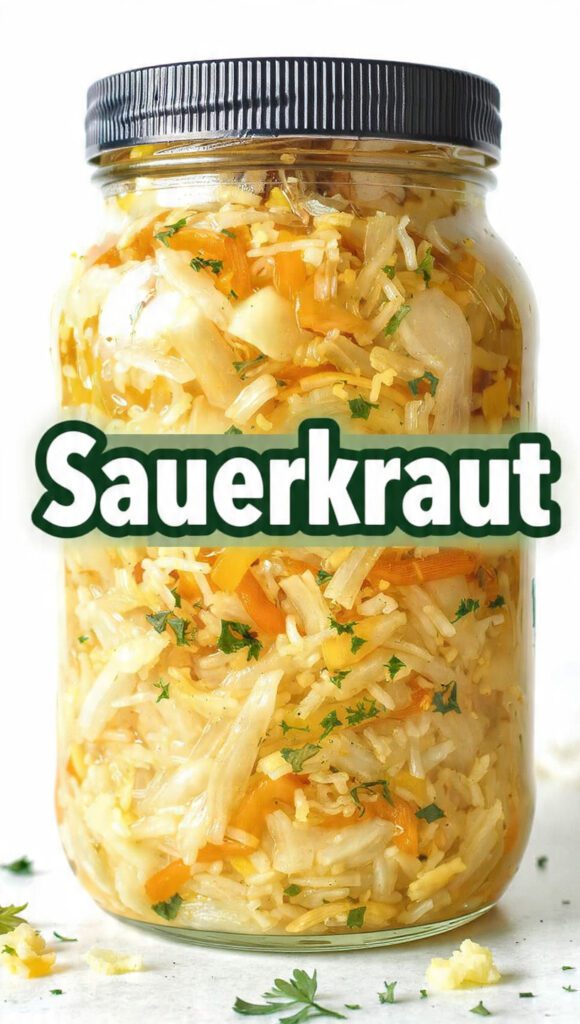
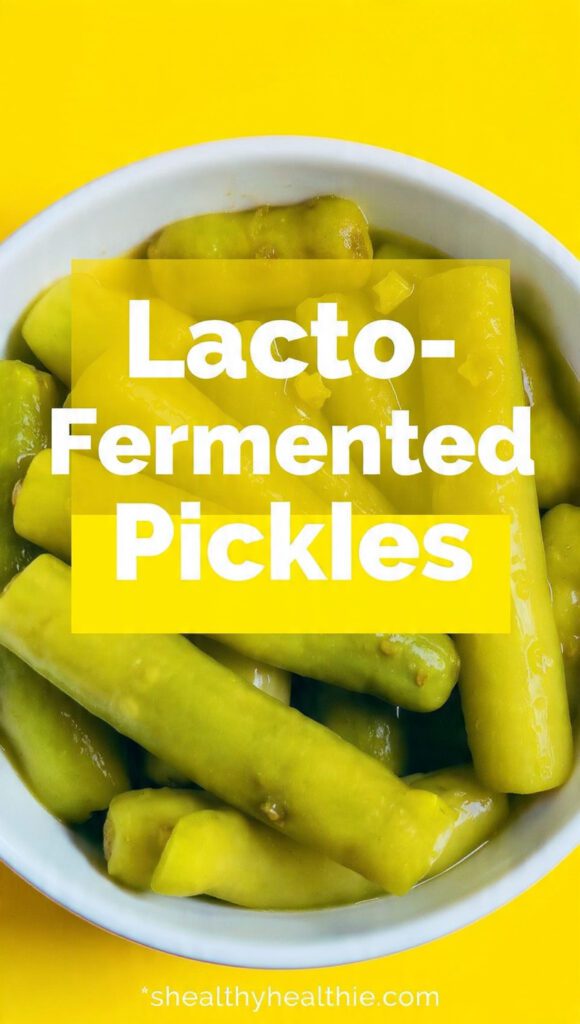
The Ultimate Guide to Lacto-Fermented Pickles: Ferment Like a Pro
We have all been there. You are standing in the “artisanal” aisle of the grocery store, staring at a jar of lacto-fermented pickles that costs twelve dollars. Twelve dollars! For a cucumber that sat in salty water! You want that crunch, that tang, and those gut-healing probiotics, but your bank account is currently staging a protest. What if I told you that you could out-pickle the professionals using nothing but water, salt, and a little bit of patience?
Honestly, if you aren’t currently bubbling a jar of vegetables on your counter, are you even living your best foodie life? It is the ultimate kitchen flex. I once convinced a neighbor that my bubbling crock was a high-stakes science experiment. In reality, I was just letting bacteria do all the heavy lifting while I watched Netflix. Ready to stop overpaying for “live cultures” and start your own probiotic empire? Let’s get salty. 🙂
Why This Recipe is Actually Awesome
Why should you bother fermenting your own when you can buy vinegar-soaked cucumbers in bulk? First off, the flavor profile of lacto-fermented pickles is a masterclass in complexity. We aren’t just hitting the “sour” button with white vinegar. We are inviting billions of Lactobacillus bacteria to a party, and they bring a zingy, bubbly, and deeply savory depth that vinegar simply cannot replicate.
TBH, the ease of cooking—or rather, “non-cooking”—is the real hero here. You don’t even have to turn on the stove. You basically chop, submerge, and wait. It impresses guests like crazy because nobody expects you to be an amateur microbiologist in your spare time. Pulling a crisp, home-fermented spear out of a jar makes you look like a domestic deity who has mastered the ancient arts of preservation.
Our Top Pick

Papier Herb Garden Recipe Journal - Hardback Design
Capture your culinary ideas and favorite memories with this beautifully designed recipe journal. Organized sections for breakfast, lunch, dinner, and treats make it easy to record recipes, ratings, dietary notes, and cooking tips, along with measurement and conversion guides. Extra pages let you list favorite restaurants, shops, and places to try. Crafted with a premium hardback cover, luxurious 100gsm paper, and a gold foil accent, it’s both durable and stylish. Thoughtfully designed to suit any kitchen, it makes a practical, timeless gift for family, friends, or yourself.
Finally, let’s talk about the health perks. These aren’t just snacks; they are tiny green bodyguards for your digestive system. They are high-volume, low-calorie, and pack more probiotics than a pallet of expensive yogurt. It’s efficient, it’s flashy, and it makes your kitchen smell like a boutique deli in Brooklyn. What else do you want from a vegetable?
The “Brine Tribe” Shopping List
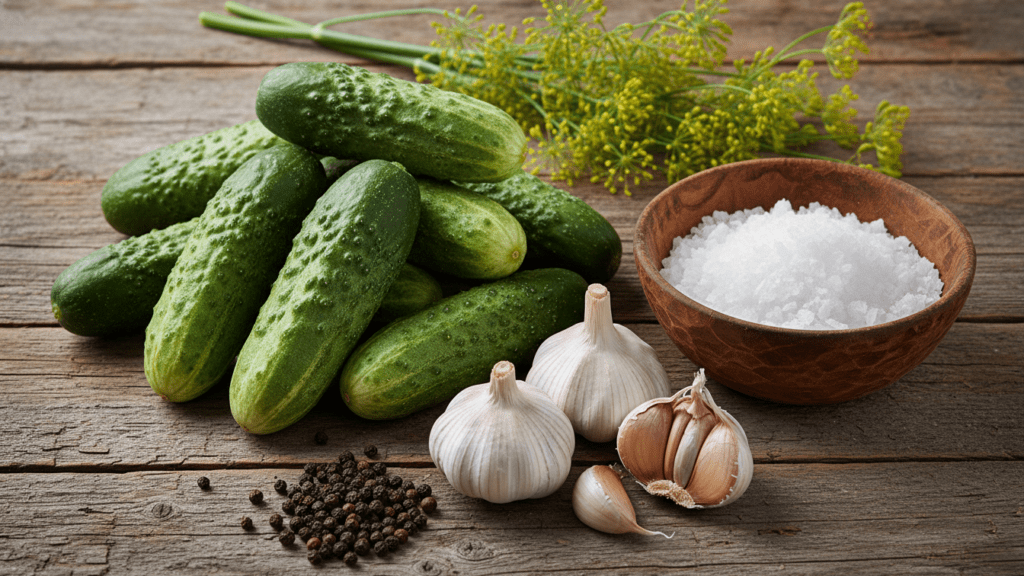
Don’t go trying to make this with those giant, waxy salad cucumbers. You need the right soldiers for this crunchy war.
- Kirby or Persian Cucumbers: Look for small, firm, and bumpy ones. Avoid anything coated in wax like the plague.
- Sea Salt or Kosher Salt: Use non-iodized salt only. Iodine can turn your brine a weird color and inhibit the “good guys.”
- Filtered Water: Chlorine is the enemy of fermentation. Use filtered or spring water.
- Fresh Dill: Grab a big bunch. We want the flowers, the stems, and the leaves.
- Garlic: Use way more than you think is socially acceptable. Like, six cloves per jar.
- Whole Peppercorns and Mustard Seeds: For that classic “deli style” kick.
- Bay Leaves or Grape Leaves: The “secret” ingredient. The tannins keep the pickles crunchy!
- Optional Heat: A few dried chilies if you want to wake up your taste buds.
Tools & Kitchen Gadgets You’ll Need
To master lacto-fermented pickles, you need a way to keep things submerged and oxygen-free. If you let them float, you aren’t making pickles; you’re making a science project gone wrong.
- Wide-Mouth Glass Mason Jars: The 1-quart size is the gold standard.
- Fermentation Weights: Glass discs that keep the veggies under the brine. No floaters allowed!
- Fermentation Lids (Airlocks): These let the CO2 out without letting the mold-loving air in.
- Kitchen Scale: To calculate your 2-3% salt brine with mathematical precision.
- Chef’s Knife: A sharp blade makes prep work feel like therapy.
- Small Bowl: For dissolving your salt into the water.
Step-by-Step Instructions
Step 1: The Cold Soak
First, soak your cucumbers in an ice water bath for about 30 minutes. This is the secret to a pickle that snaps back at you. While they chill, wash your jars with hot, soapy water. We want the Lactobacillus to win, not the random grime on your counter.
Step 2: The Bloom End Ritual
Slice off the very tip of the blossom end of each cucumber. The blossom end contains enzymes that can make your pickles mushy. FYI, if you skip this, don’t come crying to me when your pickles have the texture of a wet sponge.
Step 3: Pack the Jar
Toss your garlic, dill, peppercorns, and that tannin-rich bay leaf into the bottom of the jar. Pack the cucumbers in as tightly as possible. You want them wedged in there like commuters on a rush-hour subway train. The tighter they are, the less likely they are to float away.
Step 4: The Brine Bath
Mix 2 tablespoons of salt for every quart of filtered water. Stir until dissolved. Pour this salty elixir over the cucumbers until they are completely covered. Leave about an inch of headspace at the top. Crucial info: every piece of veg must be under the liquid.
Step 5: Weigh and Seal
Place your fermentation weight on top of the cucumbers to force them under the brine. Screw on your airlock lid. If you are using a regular lid, don’t tighten it all the way—you need to let the gas escape, or your jar might turn into a salty grenade.
Our Top Pick

LuBudingJoy Blank Recipe Book
B5 Blank Recipe Book – Create and organize your favorite recipes in one beautiful place. This hardcover recipe book (10" × 7.3") features 150 blank pages and includes DIY category stickers. Designed with conversion charts, content tables, and a back pocket for loose notes.
Step 6: The Patient Wait
Place the jar in a cool, dark spot on your counter. After 2 or 3 days, you’ll see the brine turn cloudy and tiny bubbles will rise. This is the sound of victory! Taste them after 5 to 7 days. If they are tangy enough, move them to the fridge. IMO, day ten is the sweet spot for maximum crunch. 🙂
Calories & Nutritional Info
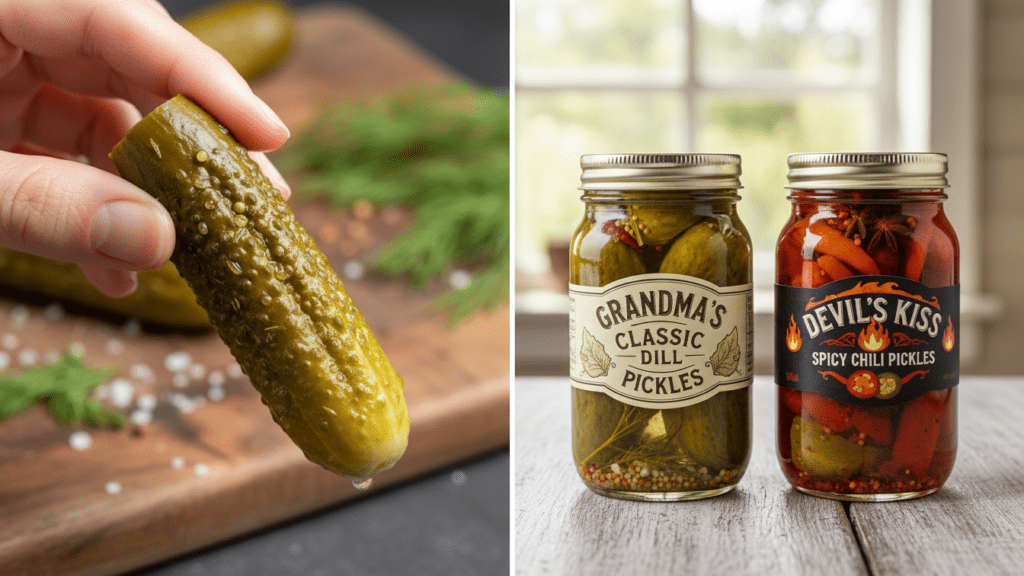
You are eating a nutrient-dense snack that is basically a multivitamin in disguise.
- Calories: Approximately 15-20 kcal per large pickle.
- Probiotics: Billions of live cultures for a happy gut.
- Vitamin K: High levels to keep your bones strong.
- Sodium: It is high (obviously), so enjoy in moderation if you’re watching your salt!
- Carbs: Virtually zero. Keto fans, rejoice!
Common Mistakes to Avoid
- Using Chlorinated Water: Chlorine kills bacteria. Use filtered water or your ferment will never start.
- Floaters: If a cucumber touches the air, it will grow “the fuzz” (mold). Keep it submerged at all costs.
- Wrong Temperature: If your kitchen is over 80°F, the pickles will ferment too fast and get mushy. Find a cool corner.
- Skipping the Tannins: Forget the bay leaf or grape leaf, and you’ll have soft pickles. Tannins are the crunch-protectors.
- Impatience: Don’t put them in the fridge after 24 hours. Give the bacteria time to work! TBH, good things come to those who wait. 🙂
Variations & Customizations
Feeling adventurous? Try these three spins:
The Spicy Szechuan Kick
Add a tablespoon of Szechuan peppercorns and fresh ginger slices to the jar. It creates a numbing, vibrant heat that pairs perfectly with Asian dishes.
The Keto “Everything” Pickle
Add everything bagel seasoning (minus the salt) to your brine. It’s a savory, crunchy explosion that makes for the ultimate low-carb snack.
The “Curry” Ferment
Swap the dill for turmeric, mustard seeds, and coriander. The pickles will turn a brilliant neon yellow and taste like a high-end Indian chutney. TBH, this version is a total showstopper on a charcuterie board.
FAQ Section
Is the white stuff at the bottom of the jar mold? No! That is usually sediment from the yeast and bacteria, which is totally normal. If it’s fuzzy and floating on top, that’s mold. If it’s at the bottom, it’s gold!

How long do lacto-fermented pickles last? In the fridge, they stay crunchy and delicious for up to 6 months. The flavor will continue to sharpen over time, making them even better.
Why is my brine cloudy? Cloudy brine is a sign of active fermentation. It means the Lactobacillus are doing their job perfectly. Don’t throw it out!
Can I use white vinegar in this recipe? No. Vinegar inhibits the growth of the bacteria we want. This is a salt-brine only operation. Save the vinegar for cleaning your windows.
What if my pickles are too salty? You can rinse them quickly before eating. Next time, try a slightly lower salt percentage (but stay above 2% for safety!).
Is lacto-fermentation safe? Yes! The salt and the lactic acid create an environment where harmful bacteria cannot survive. As long as it smells like a pickle and not a dumpster, you are safe.
Can I ferment other vegetables? Absolutely! Carrots, radishes, and green beans all work beautifully with this exact same brine method.
Final Thoughts
There you have it—your roadmap to becoming a fermentation legend. Making lacto-fermented pickles isn’t just about food; it’s about reconnecting with an ancient tradition that doesn’t involve a microwave. It’s cheap, it’s healthy, and it makes you look way more capable than you actually are.
Go ahead, give it a shot. And hey, if you end up naming your jars like I did, don’t worry—it’s a perfectly normal side effect of being a “pickle-head.” Tag me in your photos of your bubbling jars, or just sit in your kitchen and enjoy the sound of carbonation. Happy fermenting!