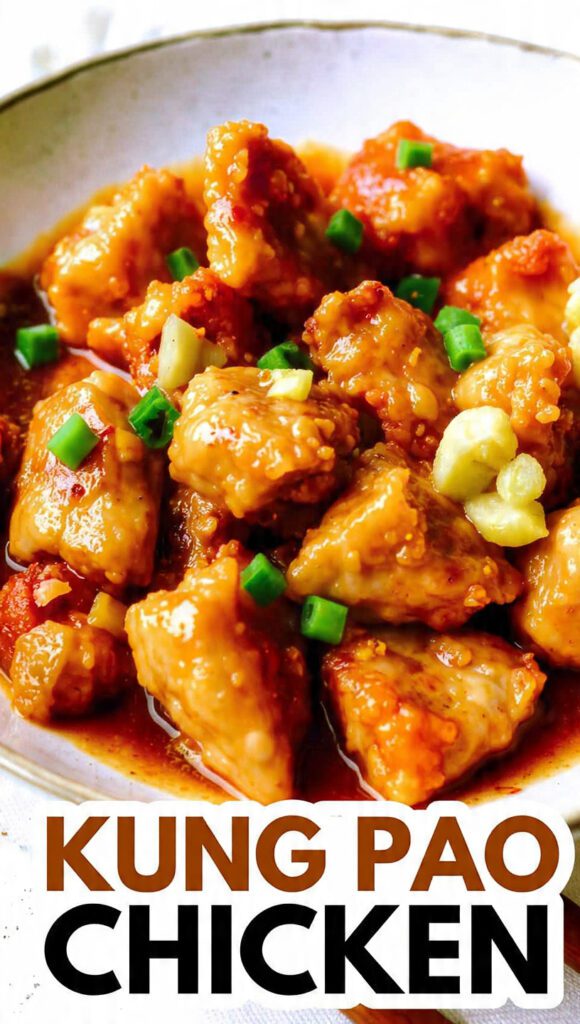
🥡 The “Wok-Star” Secret: Mastering the Ultimate Authentic Kung Pao Chicken
Let’s be brutally honest: we have all spent far too much money on lukewarm plastic containers of kung pao chicken that arrive at our door with the structural integrity of a wet sponge. You know the drill—it’s 7 PM on a Tuesday, you’re starving, and you pay thirty dollars for a box of gray meat and soggy peanuts. It’s a culinary tragedy! But then, you walk into a real-deal kitchen and smell that signature sear of dried chilies and Sichuan peppercorns, and you realize you’ve been living a lie.
I once served this to a friend who genuinely believed that “Chinese food” was a flavor profile exclusively owned by a guy named Panda. After one bite of this velvety, high-heat masterpiece, he actually asked if I had a secret industrial wok hidden in my laundry room. That, my friends, is the power of a proper marinade and a screaming-hot pan. Are you ready to stop settling for soggy deliveries and start building a legendary stir-fry masterpiece?
🏆 Why This Kung Pao Chicken is the Actual GOAT
Why should you bother dicing thighs and chilies when you could just click an app? Because this kung pao chicken recipe delivers a level of “Wok Hei” (breath of the wok) and tongue-tingling depth that a delivery driver simply cannot preserve in transit. We are talking about tender, “velveted” chicken that melts in your mouth, paired with peanuts that actually have a crunch.
This recipe is awesome because it hits the “Holy Trinity” of Szechuan flavor: salty, sweet, and spicy with that iconic numbing sensation. It impresses guests because it looks incredibly technical, when in reality, you just know how to handle cornstarch and a skillet effectively. Plus, it’s a one-pan wonder, meaning fewer dishes for your future self to cry over. It’s the undisputed champion of weeknight wins, IMO.
🍗 The “Szechuan-Elite” Ingredient List
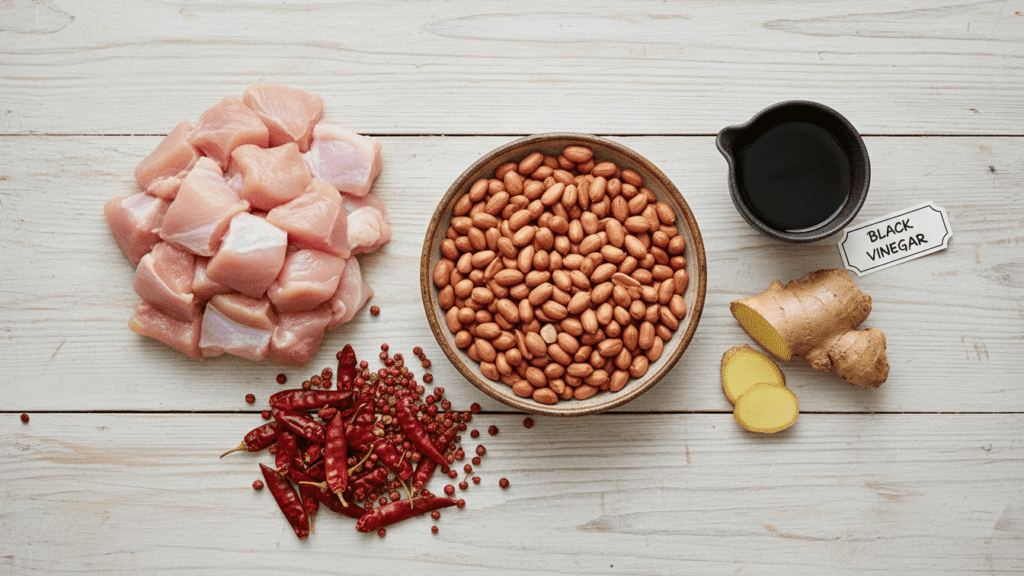
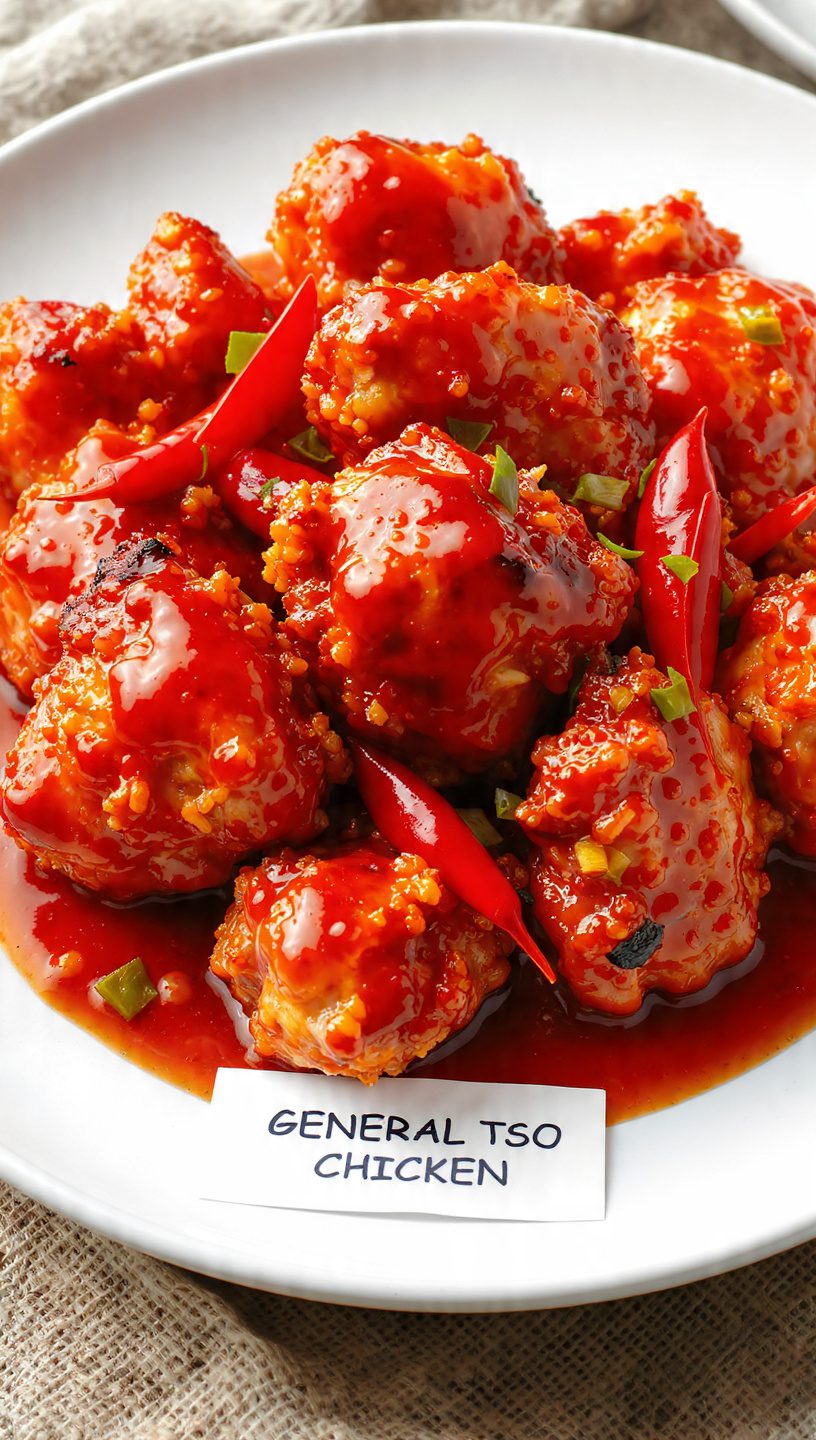
Success depends entirely on the cut of meat and the quality of your aromatics. Don’t go for “chicken breast” here, or your dinner will be as dry as a desert.
- 1.5 lbs Chicken Thighs: CRUCIAL. Boneless, skinless, and cut into 1-inch cubes. Thighs stay juicy under high heat.
- 1/2 Cup Roasted Peanuts: For that essential buttery crunch.
- 10-15 Dried Red Chilies: Snip them in half to release the seeds if you want to see through time.
- 1 Tablespoon Sichuan Peppercorns: The secret to that “numbing” buzz.
- 3 Cloves Garlic & 1 Inch Fresh Ginger: Minced into microscopic bits of flavor.
- 2 Green Onions: Sliced into “whites” for the wok and “greens” for the garnish.
The Legendary Sauce & Marinade
- 3 Tablespoons Soy Sauce: Divided for the marinade and the final sauce.
- 2 Tablespoons Chinkiang Vinegar: (Black vinegar) – this is the soul of the dish. TBH, balsamic is a sad but acceptable backup.
- 1 Tablespoon Shaoxing Wine: (Dry sherry works too).
- 1 Tablespoon Hoisin Sauce: For that glossy sweetness.
- 1 Tablespoon Cornstarch: The “Velveting” secret for that silky texture.
🔪 Tools & Kitchen Gadgets Used
You don’t need a professional laboratory, but a few basics will keep you from having a stir-fry-induced breakdown.
- Large Cast Iron Skillet or Wok: The absolute MVP for heat retention. Check out the best pans here!
- Stainless Steel Mixing Bowls: For the essential marinating and sauce-whisking phases. Grab a nesting set!
- Microplane Zester: For turning that ginger into a smooth paste. Get a precision one here!
- Silicone Spatula or Wok Turner: To keep things moving fast. Check them out on Amazon!
- Sharp Chef’s Knife: Because dull knives lead to ugly chicken. Grab a top-rated knife here!
👩🍳 Step-by-Step Instructions: The Path to Silky Glory
Follow these steps precisely. Stir-frying is a game of speed. Prep everything before you turn on the heat.
1. The Velveting Ritual
In a bowl, toss your chicken thighs with 1 tablespoon soy sauce, 1 tablespoon Shaoxing wine, and the cornstarch. This looks messy, but the cornstarch creates a protective barrier that keeps the chicken juicy and gives it that silky restaurant mouthfeel. Let it sit for 15 minutes while you contemplate your spice tolerance.
2. The Sauce Symphony
In another small bowl, whisk together the black vinegar, hoisin, remaining soy sauce, and a splash of water. This is your flavor bomb. Have it standing by like a loyal sidekick because once the fire starts, you won’t have time to measure.
3. The Numbing Bloom
Heat two tablespoons of oil in your skillet over medium heat. Add the Sichuan peppercorns and dried chilies. Fry them for 1-2 minutes until the chilies turn dark red and the oil smells like a spice market. Don’t burn them! Bitter spices are the enemy of joy. 🙂
4. The Screaming Sear
Crank the heat to High. Push the spices to the edge and add the chicken. Spread it out and DO NOT stir for at least 60 seconds. You want a dark, mahogany crust. Flip and cook for another 2 minutes until the chicken is mostly done.
5. The Aromatic Explosion
Toss in your minced garlic, ginger, and green onion whites. Sauté for exactly 30 seconds until your kitchen smells like heaven. If you start sneezing, you’re doing it right!
6. The Great Integration
Pour the sauce mixture into the pan. Let it bubble and thicken (thanks to the leftover cornstarch on the chicken). Add the peanuts back into the pan. Toss everything vigorously until every inch is coated in that glossy, dark sauce.
7. The Final Garnish
Top with the green onion tops. Serve it over steaming white rice and watch your family wonder when you became a professional chef. FYI, stir-fry waits for no one—eat it while it’s sizzling!
📊 Calories & Nutritional Info (The Justification)
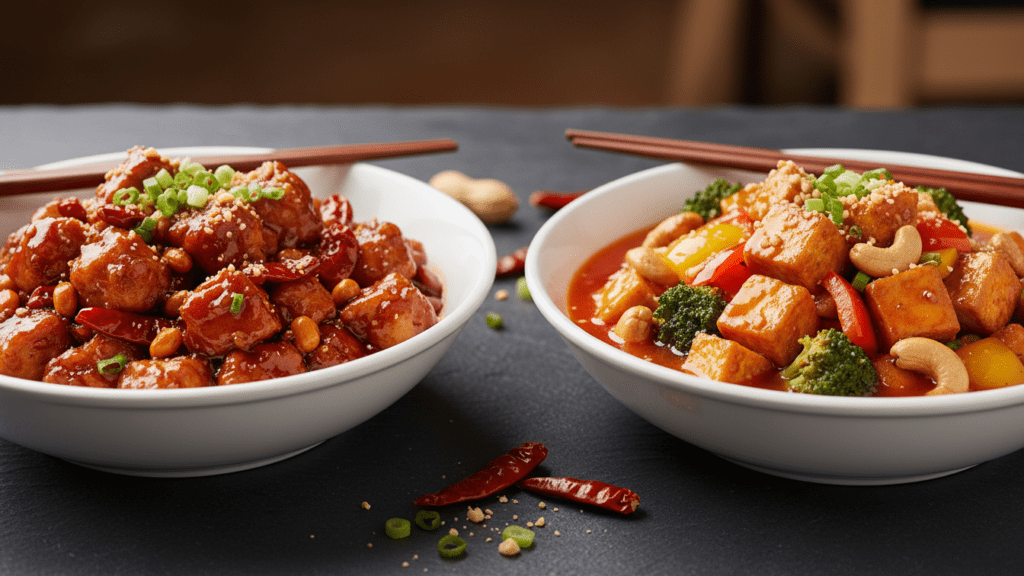
Since this is mostly protein and peanuts, we can legally pretend it’s a fitness meal. Right?
- Estimated Calories Per Serving: $\approx$ 380–450 kcal (without rice).
- Protein Power: A solid 30-35g to keep your muscles happy.
- Healthy Fats: Plenty of monounsaturated fats from the peanuts and sesame oil.1
- Metabolism Boost: The capsaicin from the chilies will keep your internal engine humming.
- Mood: 100% improved after the first savory, numbing bite.
🚨 Common Mistakes to Avoid (The Kung Pao Fails)
Avoid these if you want people to actually keep talking to you after dinner.
- Using Chicken Breast: It will turn into dry, chalky pebbles. Stick to thighs!
- Cold Skillets: If the pan isn’t hot, you won’t get a sear. Wait for the shimmer.
- Skipping the Black Vinegar: Regular white vinegar is too harsh. Find the Chinkiang vinegar!
- Discarding the Peppercorns: They provide the “Mala” sensation. Leave them in. 🙂
✨ Variations & Customizations
Because you’re the boss of this spicy circus.
1. The Keto-Friendly Swap
Ditch the hoisin and use liquid aminos and a dash of erythritol. Serve over cauliflower rice. It’s a low-carb dream that still hits the spot.
2. The “Fire-Breather” Version
Add a tablespoon of Szechuan Chili Crisp to the final sauce. It adds a crunchy, oily, volcanic heat that will challenge even the bravest souls.
3. The Vegetarian Swap
Replace the chicken with extra-firm tofu (pressed and cubed). Pan-fry the tofu first until crispy before following the rest of the steps. It absorbs the sauce like a dream!
❓ FAQ Section: Your Stir-Fry Queries Answered
How do I make the chicken really tender?
The secret is velveting. Coating the chicken in cornstarch and soy sauce before frying protects the proteins from the high heat, keeping them silky and soft.
Can I eat the dried chilies?
You can, but most people leave them on the plate. They are there to flavor the oil and the sauce. IMO, eating them is a daring feat for another day.
What is Sichuan peppercorn?
It isn’t actually a pepper! It’s a berry from the prickly ash tree that causes a numbing, tingling sensation in the mouth, known as “ma.”
Is Kung Pao Chicken actually healthy?
Absolutely. It’s a high-protein, relatively low-carb meal if you watch the sugar in the sauce. It beats the oily, breaded versions found in malls any day.
How do I store leftovers?
Keep it in an airtight container for up to 3 days. To reheat, use a skillet with a splash of water to keep the chicken from drying out.
Why is my sauce too thick?
You likely let it simmer too long. Add a splash of water or chicken broth to thin it back out to a glossy glaze.
Can I make this without a wok?
Yes! A large cast iron or stainless steel skillet works just as well. The key is the surface area and the high heat, not just the shape of the pan.
🥂 Final Thoughts: Go Forth and Sear!
You’ve done it. You’ve successfully navigated the world of “High Heat Aromatics” without having a public breakdown. You are now a titan of the skillet and a hero of the dinner table. Go ahead, have that second serving—it’s mostly just “spice” and protein, right? Just don’t tell me if you still have a hidden menu for the local Chinese place in your drawer; I have a reputation to maintain. 🙂