Bye Bye Bloat: The Kohlrabi Noodles Recipe That Will Convert Any Pasta Snob
Let’s be honest, you look at a kohlrabi and think, “What alien vegetable is this, and is it secretly judging my life choices?” It looks like a cabbage that swallowed a turnip, complete with creepy antennae. It is the definition of weird produce. But here’s the secret: that weird, bulbous thing is about to save your low-carb diet—and possibly your dinner party reputation.

We are talking about Kohlrabi noodles, the undisputed champion of the vegetable noodle world. Move over, sad, watery zoodles! Unlike zucchini, kohlrabi holds its shape, offers a satisfying crunch, and has a mild, subtly sweet flavor that beautifully mimics the neutral canvas of pasta.
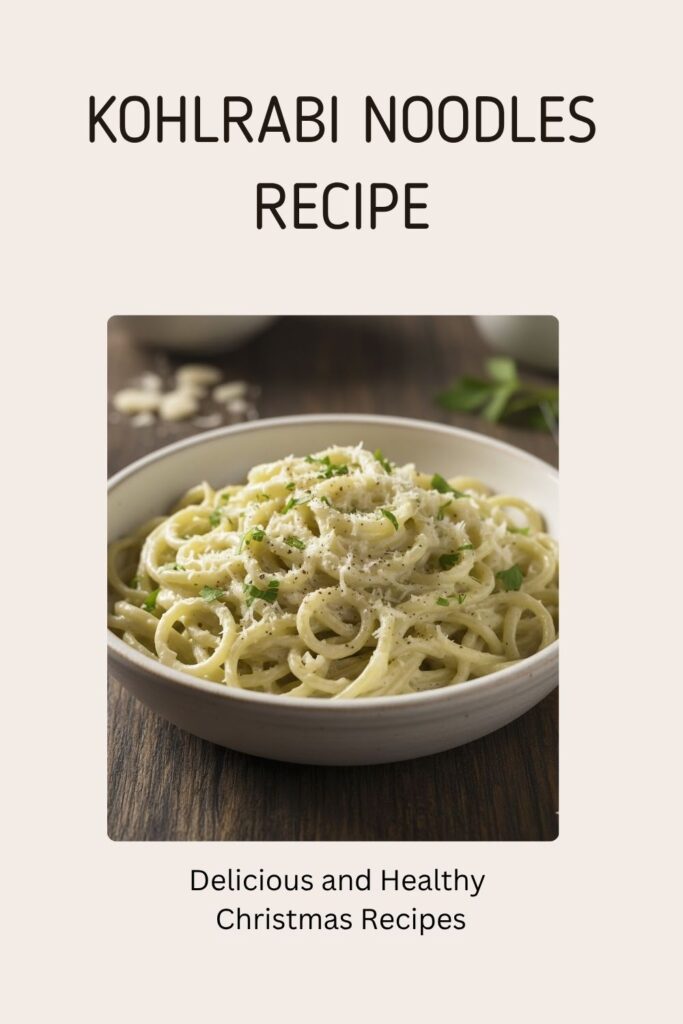
This recipe transforms the humble kohlrabi into an al dente, flavor-absorbing delight that’s perfect for slathering in creamy sauces or tossing in a vibrant stir-fry. Prepare to stop avoiding the kohlrabi and start worshipping it. Are you ready to spiralize your way to a better meal?
Why This Unpopular Veggie Deserves a Gold Medal

Why should you buy the weird cabbage-turnip hybrid instead of, you know, regular pasta? Because these noodles are pure genius.
First, The Texture Stays Put. This is the biggest win. Kohlrabi is sturdy. It belongs to the Brassica family (like cabbage and broccoli), which means it has a naturally crisp, firm texture. You can sauté or simmer these noodles, and they won’t turn into a watery, limp mess. They give you the chew you crave.
Second, Flavor is Friendly. Raw kohlrabi has a mildly peppery bite, kind of like a broccoli stem mixed with a light radish. When cooked, however, that peppery note disappears, and the vegetable develops a subtle, satisfying sweetness. It essentially becomes a delicious blank slate for whatever sauce you throw at it.
Third, It’s the Nutritional Superhero. For less than 40 calories per cup, you get a huge hit of Vitamin C and fiber. Seriously, a big bowl of these is pure low-carb, high-nutrient density. IMO, it’s the most satisfying way to eat your vegetables.
The Ingredients for Your Low-Carb Triumph
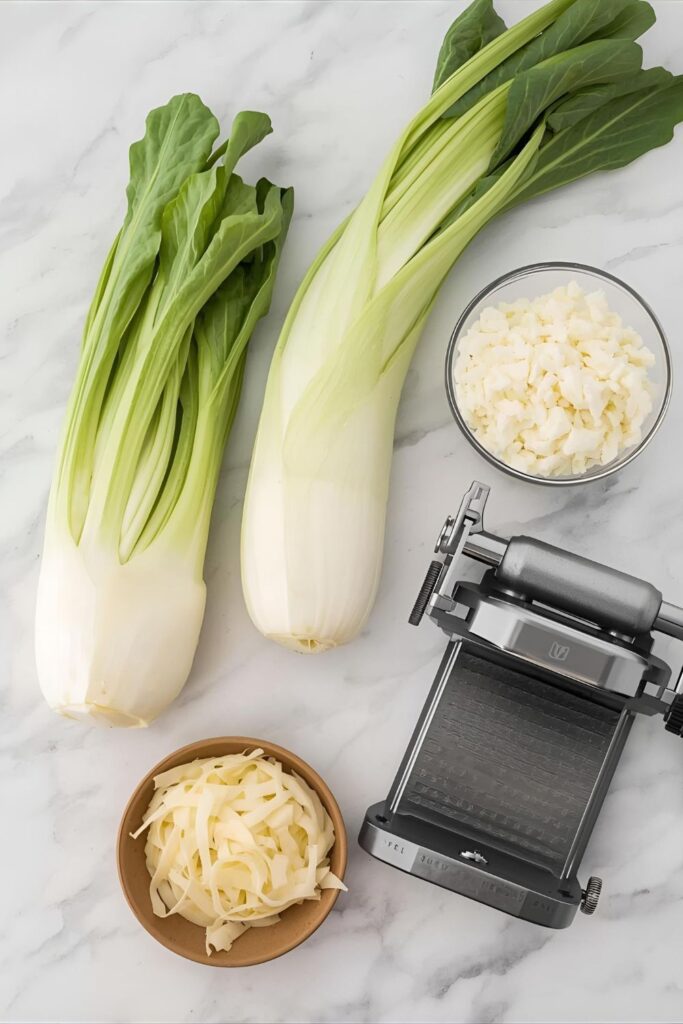
We’re going with a rich, savory Parmesan-Garlic Butter sauce because kohlrabi loves fat and flavor.
- 2 Large Kohlrabi Bulbs: Look for bulbs that are heavy and firm, about 3-4 inches in diameter.
- 3 tablespoons Unsalted Butter: Or olive oil for a non-dairy option.
- 2 cloves Garlic: Minced.
- ½ cup Heavy Cream: Full fat is best for that luscious sauce. Keto-friendly!
- ½ cup Grated Parmesan Cheese: Freshly grated, not the powdery stuff.
- 1 teaspoon Dried Thyme or Italian Seasoning: For warmth and depth.
- ½ teaspoon Salt and ¼ teaspoon Black Pepper: Essential seasoning.
- 1 tablespoon Fresh Parsley: Chopped, for garnish and freshness.
Tools to Help You Spiralize This Alien
You need one key piece of equipment to make this happen, plus the usual suspects.
- Countertop Spiralizer: This is essential. Kohlrabi is tough; a cheap hand-held spiralizer might not cut it. A sturdy model with strong blades is a must for cutting through the thick bulb.
- Sharp Chef’s Knife: For trimming the top and bottom of the kohlrabi.
- Vegetable Peeler: Use a sharp knife or strong peeler to remove the thick outer skin.
- Large Skillet/Wok: For sautéing the noodles quickly.
- Cutting Board: Standard issue.
- Tongs: For tossing the noodles in the sauce without breaking them.
Step-by-Step to Al Dente Veggie Noodles
Prep is the hardest part. The cooking is lightning-fast.
H3: Step 1: Prep the Kohlrabi (Peel it like you mean it)
- Wash the kohlrabi bulbs. Use a sharp knife or strong peeler to remove the thick, tough outer skin. Cut off any remaining stems and the root end. You only want the creamy white interior.
- Trim the top and bottom to create two flat, stable ends. This helps the kohlrabi sit properly on the spiralizer.
H3: Step 2: The Spiralizing Act
- Secure your spiralizer. Insert the trimmed kohlrabi onto the prongs.
- Use the blade that creates a thick spaghetti or fettuccine shape. Thin spirals risk turning mushy.
- Spiralize the kohlrabi. Use kitchen shears to cut the long strands into manageable lengths (about 6-8 inches) so you can actually eat them gracefully.
H3: Step 3: Sauté the Flavor Base
- Heat the butter (or oil) in your large skillet over medium heat.
- Add the minced garlic and the thyme/Italian seasoning. Sauté for 30-60 seconds until fragrant. Do not let the garlic burn!
H3: Step 4: The Lightning Finish
- Add the kohlrabi noodles to the skillet. Increase the heat to medium-high.
- Sauté for 3-5 minutes, stirring constantly. You want them to soften slightly but still retain a definite crispness (al dente!).
- Pour in the heavy cream and sprinkle in the salt and pepper. Stir and let the cream bubble for about 1 minute until it thickens slightly.
- Remove the skillet from the heat. Toss in the Parmesan cheese and fresh parsley. Toss well until the cheese melts and coats all the noodles in a luscious sauce. Serve immediately.
Estimated Calories & Nutritional Info

Eat a giant bowl of creamy pasta and feel smug about the macros. It’s possible!
- Serving Size: One generous serving (based on 2 servings).
- Estimated Calories: Approx. 350-400 kcal (High due to the cream and butter, but very low carb).
- Net Carbs: Approx. 8-10g
- Protein: Approx. 10-12g
- Fiber: Excellent source of dietary fiber.
- Vitamin C Power: High in Vitamin C, promoting immune health.
- Note: This recipe is naturally Gluten-Free and Keto-Friendly.
Common Mistakes to Avoid (The Kohlrabi Calamities)
Don’t let these blunders ruin your beautifully crafted meal.
H3: Ignoring the Outer Skin
The Mistake: You tried to spiralize the kohlrabi without thoroughly peeling the tough, fibrous outer layer. The Result: The spiralizer blade snags, the noodles come out stringy and tough, or you end up with inedible, woody bits in your final dish. The Fix: Peel that kohlrabi aggressively! You want to remove all the pale green skin until you hit the soft, white interior flesh.
H3: The Overcooked Mush
The Mistake: You let the noodles simmer in the sauce for too long, treating them like wheat pasta. The Result: Your firm noodles turn into a soft, watery, mushy heap. You’ve failed the texture test! The Fix: Cook for 5 minutes max! You want them al dente. They soften very quickly, and carryover heat will finish the job.
H3: Using a Floppy Spiralizer
The Mistake: You attempted to use a small, plastic, hand-held spiralizer designed for zucchini. The Result: The kohlrabi is too dense and breaks the handle. You get angry and your hands hurt. The Fix: Invest in a sturdy, metal countertop spiralizer, or use a julienne peeler/food processor for shreds instead.
Variations & Customizations
This is your blank canvas. Get creative!
H3: Spicy Thai Peanut Noodles
Swap the Parmesan sauce for a Thai Peanut Sauce (peanut butter, lime juice, soy/tamari, and a dash of Sriracha). Stir-fry the kohlrabi with shredded carrot and bell peppers. Top with crushed peanuts and cilantro for a savory, zesty, and crunchy low-carb take-out swap.
H3: Lemon Dill Salmon Fettuccine
Sauté the kohlrabi in olive oil, then toss it with a sauce made from lemon juice, fresh dill, capers, and a dollop of cream cheese. Serve immediately with flakes of grilled or baked salmon on top. This is a bright, fresh, Mediterranean-inspired meal.
H3: Cacio e Pepe Kohlrabi
Keep the sauce simple: melted butter, reserved pasta water (or broth), generous amounts of fresh cracked black pepper, and Pecorino Romano cheese. The sturdiness of the kohlrabi stands up perfectly to this sharp, classic sauce.
FAQ Section (Your Kohlrabi Qs, Answered)
Don’t be shy; everyone has questions about the alien vegetable.
H3: What does kohlrabi taste like when cooked?
When cooked, kohlrabi tastes very mild and slightly sweet, similar to a cooked broccoli stem or the heart of a cabbage, but much more tender. The peppery raw notes completely dissipate.
H3: Where do I find kohlrabi in the grocery store?
Look for it in the root vegetable or unusual produce section. It’s typically near the radishes, turnips, and celery root. Farmers markets often have the best selection.
H3: Can I eat kohlrabi noodles raw?
Yes! They are delicious raw and crunchy, perfect for adding to slaws or cold salads. If eating raw, no need to sauté—just toss with the dressing.
H3: Is the skin edible?
The skin is technically edible, but it’s very tough and fibrous, especially on larger bulbs. You should always peel the skin completely for a good noodle texture.
H3: Can I freeze kohlrabi noodles?
You can, but they will lose some crispness and become softer upon thawing. It’s better to freeze the bulb whole and peel/spiralize fresh, or just cook them right away for the best texture.
H3: How do I store fresh kohlrabi?
Remove the leaves (they draw moisture out), and store the bulb tightly wrapped in a plastic bag in the refrigerator crisper drawer. It will keep for up to several weeks if kept cold and dry.
H3: What can I use instead of a spiralizer?
If you don’t have a spiralizer, you can use a julienne peeler to create thin strips, or a food processor shredding blade to create a slaw-like texture. It won’t be a true noodle, but it will still be delicious!
Final Thoughts (The Vegetable Conqueror)
You’ve conquered the oddly-shaped, misunderstood kohlrabi and turned it into an elegant, delicious, low-carb meal. You are officially a vegetable whisperer.
Go forth and enjoy your perfectly firm, creamy Kohlrabi noodles. Now, tell me, which other weird vegetable deserves a noodle transformation next?

