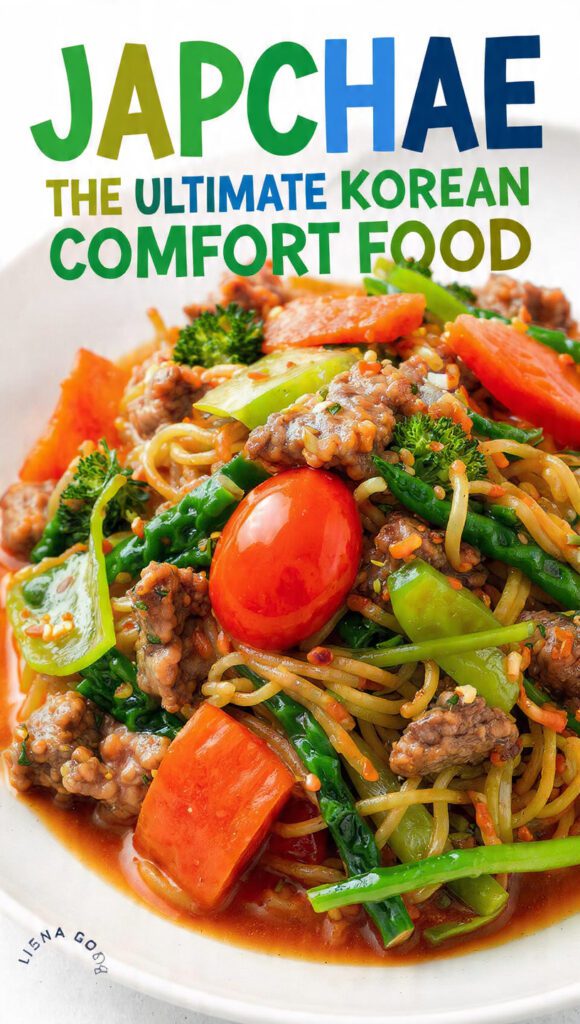
The Ultimate Guide to Authentic Japchae: Korean Glass Noodles Made Easy
We have all been there. You walk into a Korean restaurant, stare at the menu for twenty minutes, and then order the exact same bowl of bouncy, shiny, semi-transparent noodles you had last time. Why do we do this? Because japchae is the ultimate culinary hug, and frankly, life is too short for boring pasta. If you have ever wondered how to get that perfect sweet-and-savory balance at home without turning your kitchen into a chaotic disaster zone, you are in the right place.
Think making a traditional Korean feast requires a secret grandmother and a three-day commitment? Think again. I once tried to explain to my roommate that these noodles come from sweet potatoes, and the look of pure confusion on their face was priceless. TBH, once you master this recipe, you will realize that “glass noodles” are actually just a magic trick you can eat. Ready to trade your basic spaghetti for something with a little more personality?
Why This Recipe is Awesome
Why should you bother making japchae from scratch? For starters, it is the most visually stunning dish you will ever put on a table. The vibrant colors of the vegetables against the glossy, dark noodles make you look like a gourmet chef, even if you spent half the morning looking for a matching pair of socks. It is the ultimate “I have my life together” meal.
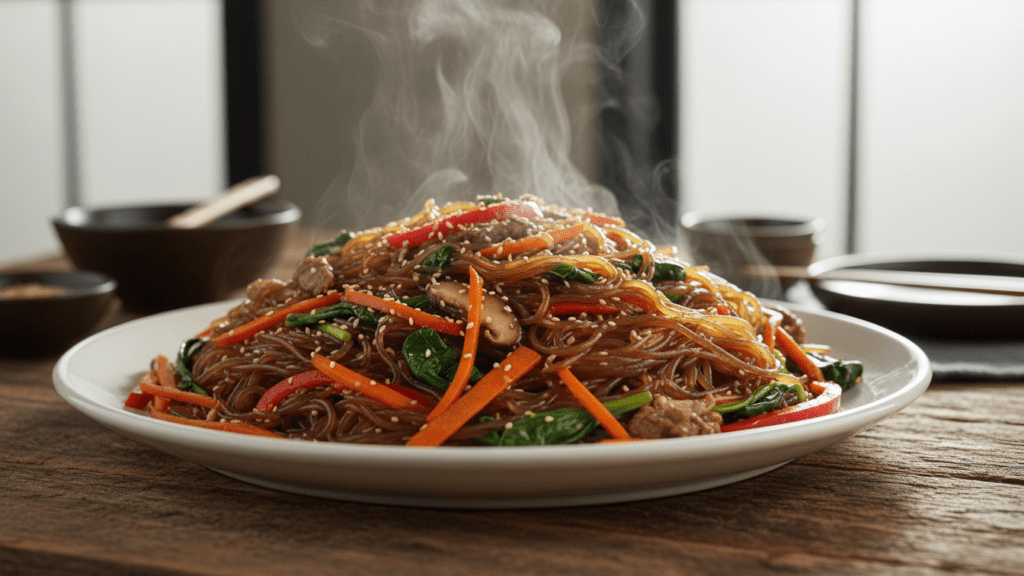
The flavor profile hits every high note: savory soy sauce, nutty toasted sesame oil, and just enough sugar to make your brain happy. Plus, the texture of Dangmyeon (sweet potato starch noodles) is unlike anything else in the world. It’s bouncy, chewy, and holds onto sauce better than your toddler holds onto a forbidden sharpie.
It also serves as the perfect “fridge clearer.” Do you have half a bell pepper and a sad handful of spinach looking at you? Throw them in. This dish is forgiving, flexible, and tastes just as good cold as it does hot. Who doesn’t love a high-reward, low-stress situation?
Ingredients
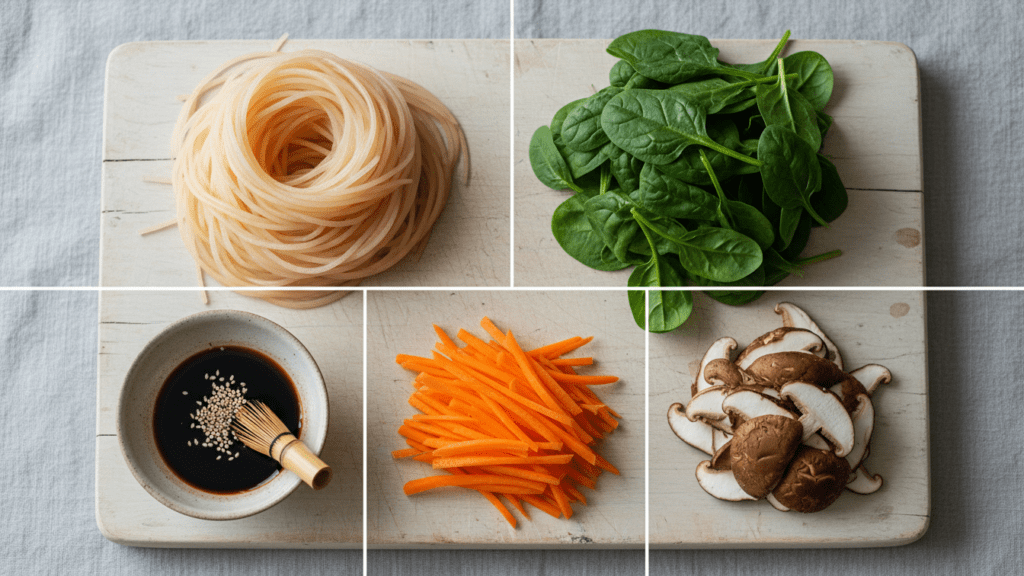
Gather your supplies, but don’t panic if you can’t find everything at your local convenience store. Most of these are staples, and a quick trip to an Asian grocery store will cover the rest.
- 8 oz Dangmyeon (Korean sweet potato starch noodles—the “glass” ones)
- 4 oz Lean Beef (Ribeye or flank steak, sliced into thin matchsticks)
- 1 bunch Fresh Spinach (About 5-6 oz)
- 1 medium Carrot (Julienned)
- 1 small Onion (Thinly sliced)
- 5-6 Shiitake Mushrooms (Fresh or rehydrated, sliced thin)
- 1 Red Bell Pepper (Thinly sliced for that pop of color)
- 2 tablespoons Vegetable Oil (For the stir-fry)
The Liquid Gold (The Sauce)
- 1/4 cup Soy Sauce (The savory backbone)
- 2 tablespoons Toasted Sesame Oil (Non-negotiable for that aroma)
- 2 tablespoons Granulated Sugar
- 1 tablespoon Minced Garlic (Measure with your heart, but at least a tablespoon)
- 1 teaspoon Toasted Sesame Seeds
- 1/2 teaspoon Black Pepper
Tools & Kitchen Gadgets Used
You don’t need a professional laboratory, but a few specific tools make the process much smoother. If you are missing these, they are total game-changers for your stir-fry game.
- Large Stainless Steel Wok or Skillet – You need plenty of surface area to toss everything without a “noodle escape” incident.
- Large Glass Mixing Bowl – Authentic japchae is often tossed by hand (with gloves!) in a big bowl.
- Stainless Steel Fine Mesh Strainer – Crucial for draining the noodles and blanching the spinach.
- Professional Chef’s Knife – All that julienning requires a blade that actually cuts.
- Digital Kitchen Scale – Precision is key when weighing your noodles so you don’t end up with too much sauce.
- Disposable Kitchen Gloves – For mixing the hot noodles and sauce together like a pro.
Step-by-Step Instructions
Alright, let’s get to the “cooking” part. It’s a bit of a dance, but I promise the results are worth every spin.
Step 1: Prep the Noodles
Boil a large pot of water and drop in your Dangmyeon. Cook them for about 6 to 7 minutes until they are chewy and translucent. Drain them, rinse with cold water, and—here is the secret—snip them with kitchen shears so they aren’t three feet long. Toss them with a teaspoon of sesame oil so they don’t turn into a giant, sticky brick.
Step 2: The Spinach Squeeze
In that same boiling water, blanch your spinach for exactly 30 seconds. Drain and plunge it into ice water. Now, squeeze that spinach like it owes you money. You want it as dry as possible before seasoning it with a pinch of salt and sesame oil.
Step 3: Sear the Protein
In your wok, heat a splash of oil over medium-high heat. Toss in your beef and shiitake mushrooms. Stir-fry them with a teaspoon of the sauce mixture until the beef is browned and the mushrooms are fragrant. Set them aside in your large mixing bowl.
Step 4: Sauté the Veggies
Wipe out your wok and add another drop of oil. Sauté the onions, carrots, and bell peppers separately or together (if you’re feeling lazy). You want them tender-crisp, not mushy. No one wants a vegetable that has given up on life. Toss them into the big bowl with the beef.
Step 5: The Big Toss
Combine your remaining sauce ingredients in a small bowl. Add the cooked noodles to your big mixing bowl with the veggies and beef. Pour the sauce over the top. Put on your kitchen gloves and mix everything together by hand. Why hand-mix? Because it ensures every single noodle gets a warm hug of sesame oil and soy sauce.
Step 6: The Finishing Touch
Taste your creation. Does it need more sugar? More soy? Adjust to your liking. Sprinkle a generous amount of toasted sesame seeds and black pepper over the top. Serve it on a big platter and prepare for the applause.
Calories & Nutritional Info
For the folks who like to track their fuel, here is the breakdown for a generous serving of this bouncy goodness:
- Calories: ~350 kcal per serving.
- Fats: 12g (Mostly those “good” sesame oil fats).
- Carbohydrates: 55g (Complex carbs from sweet potato starch).
- Protein: 10-12g (Depending on how much beef you used).
- Vitamin A: 120% DV (Thanks to all those carrots and spinach).
- Note: This dish is naturally gluten-free if you use Tamari instead of Soy Sauce. FYI, it’s a total win for the gut.
Common Mistakes to Avoid
Don’t let your dinner turn into a Pinterest fail. Avoid these common slip-ups:
- Overcooking the Noodles: If you boil them too long, they lose their “snap” and turn into mush. Stick to the 7-minute mark.
- Wet Spinach: If you don’t squeeze the spinach dry, your sauce will become a watery mess. Squeeze it hard.
- Dull Veggies: Stir-frying everything together for too long ruins the colors. Cook them quickly to keep the red, orange, and green vibrant.
- Skipping the Sesame Oil: This is the soul of the dish. Do not use cheap oil; use the toasted stuff.
- Not Snipping the Noodles: Unless you want to struggle with a three-foot noodle like a cartoon character, cut them with scissors.
Variations & Customizations
Want to switch it up? Try these three twists on the classic japchae.
- The Vegan Power-Up: Swap the beef for extra firm tofu matchsticks or double the amount of shiitake mushrooms. It’s just as savory and completely plant-based.
- The Spicy Kick: Add a tablespoon of Gochugaru (Korean chili flakes) to the sauce. It adds a beautiful red tint and a slow heat that wakes up the dish.
- Keto-Friendly Version: Omit the Dangmyeon and use shirataki noodles or zucchini spirals. You lose the classic “bounce,” but the sauce makes it taste incredible anyway.
FAQ Section
Can I make japchae ahead of time? Absolutely! It’s actually one of the few noodle dishes that reheats beautifully. Just toss it back in a pan with a splash of water and a tiny bit more sesame oil to revive the shine.
What are glass noodles made of? Authentic Korean glass noodles are made from sweet potato starch. This is why they have that unique, bouncy texture and are naturally gluten-free.
Why is my japchae so oily? You might have gone a little overboard with the vegetable oil during the stir-fry. IMO, the goal is to use just enough oil to sear, and let the sesame oil do the heavy lifting for flavor at the end. 🙂
Is japchae served hot or cold? Both! It is traditionally served at room temperature at parties, but many people prefer it warm as a main dish. It’s a “choose your own adventure” situation.
How do I stop the noodles from sticking together? Rinse them in cold water immediately after boiling to stop the starch from acting like glue. Tossing them with a little oil right away is also a pro move.
Can I use other vegetables? Yes! Feel free to add wood ear mushrooms, bok choy, or even cabbage. The more colors, the better it looks on your grid.
What is the best way to cut the beef? Freeze the beef for about 20 minutes before slicing. It makes it much easier to get those perfectly thin matchsticks that cook in seconds.
Final Thoughts
There you have it—the japchae recipe that will turn you into a household legend. It’s bouncy, it’s beautiful, and it’s surprisingly easy once you get the hang of the “prep and toss” rhythm. Once you realize how much better scratch-made noodles taste, you might never settle for the soggy take-out version again.
Give it a shot this weekend and let me know if you are team “hand-mix” or team “tongs.” Just don’t blame me when you start craving sweet potato noodles every single night. Ready to impress your friends with your new culinary magic trick? Happy tossing!