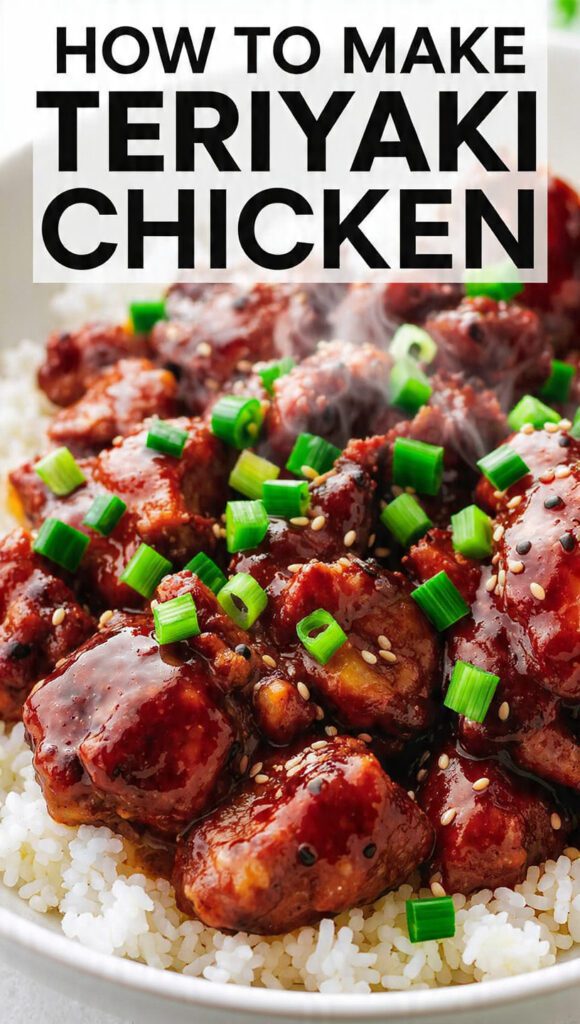
🥡 Better Than The Mall: Mastering How to Make Teriyaki Chicken at Home
Let’s be brutally honest: we have all fallen victim to the 8 PM siren song of a greasy food court sample on a toothpick. You know the routine—you’re walking through the mall, minding your own business, and suddenly you’re paying twelve dollars for a plastic container of gray meat swimming in a sauce that has the consistency of motor oil and the sugar content of a birthday cake. It’s a culinary tragedy! But then, you realize that learning how to make teriyaki chicken in your own kitchen is actually faster than finding a parking spot at the shopping center.
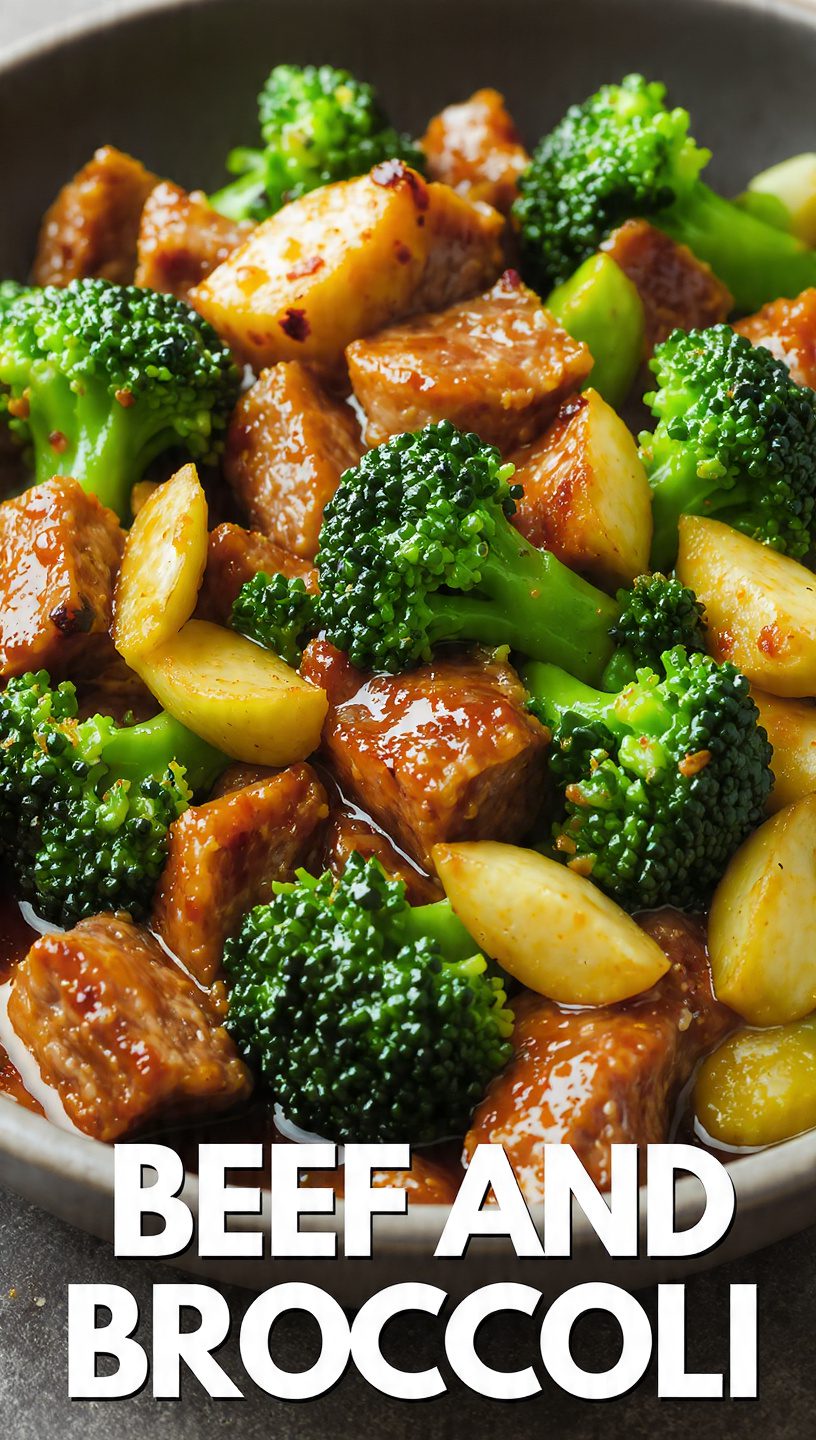
I once served a batch of this to a friend who genuinely believed that “teriyaki” was a flavor exclusively owned by a guy named Panda. After one bite of this glossy, ginger-infused masterpiece, he actually asked if I had a secret industrial-sized wok hidden in my laundry room. That, my friends, is the power of a proper reduction and a screaming-hot pan. Are you ready to stop settling for lukewarm delivery and start building a legendary stir-fry masterpiece?
🏆 Why This Teriyaki Strategy is the Actual GOAT
Why should you bother whisking sauce when you could just click an app? Because this method delivers a level of “char” and savory depth that a delivery driver simply cannot preserve in transit. We are talking about tender, “velveted” chicken thighs that stay juicy while the outside turns into a mahogany armor of flavor.
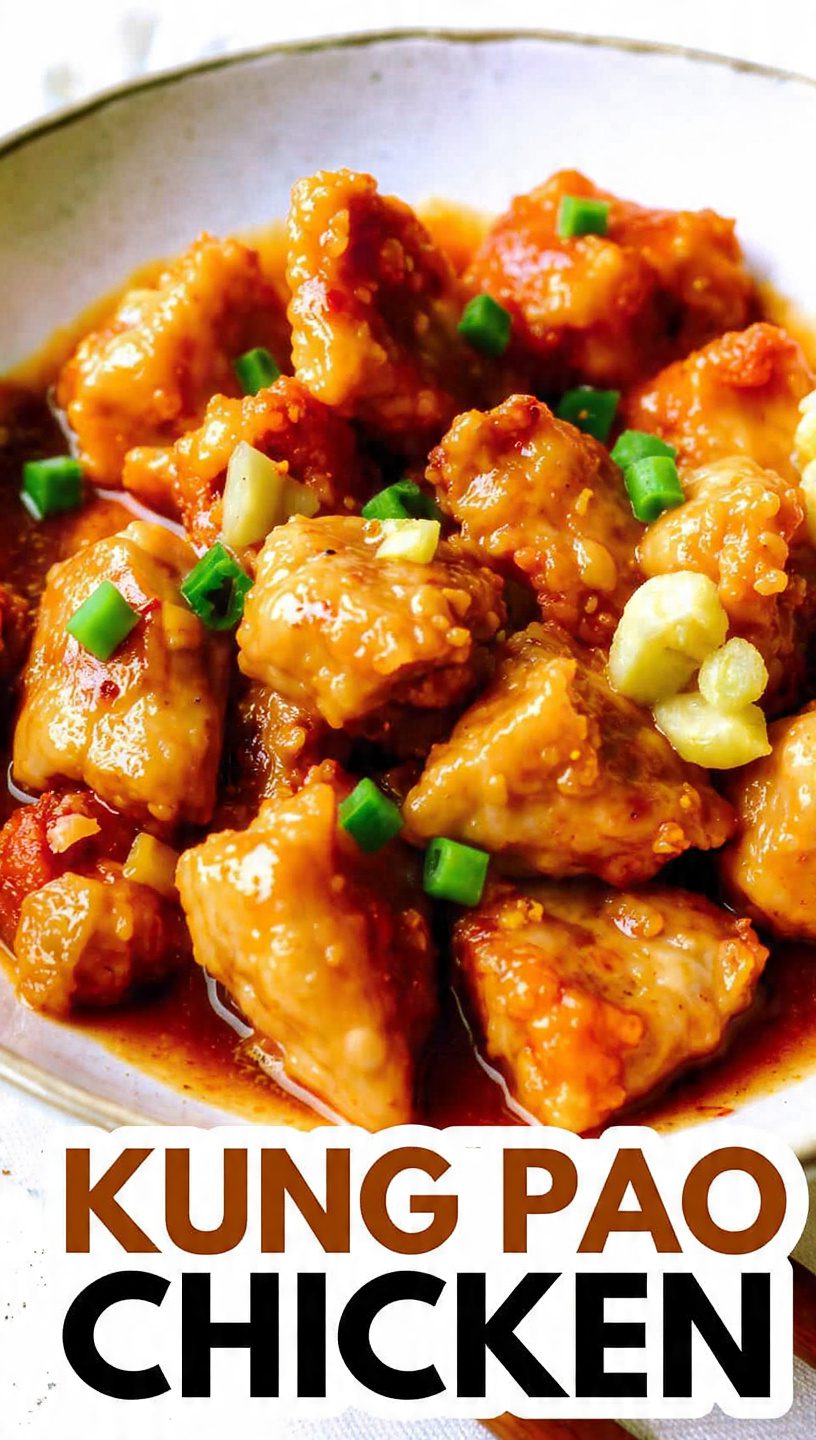
This recipe is awesome because it’s a high-impact “flex” for anyone who wants to look like a professional chef with minimal effort. It impresses guests because it looks incredibly technical (that gloss!), when in reality, you just know how to handle cornstarch and a skillet effectively. Plus, you get to control the sodium levels, so you won’t wake up feeling like you swallowed a salt lick. It’s the undisputed champion of weeknight wins, IMO.
🧂 The “Glossy-Elite” Ingredient List
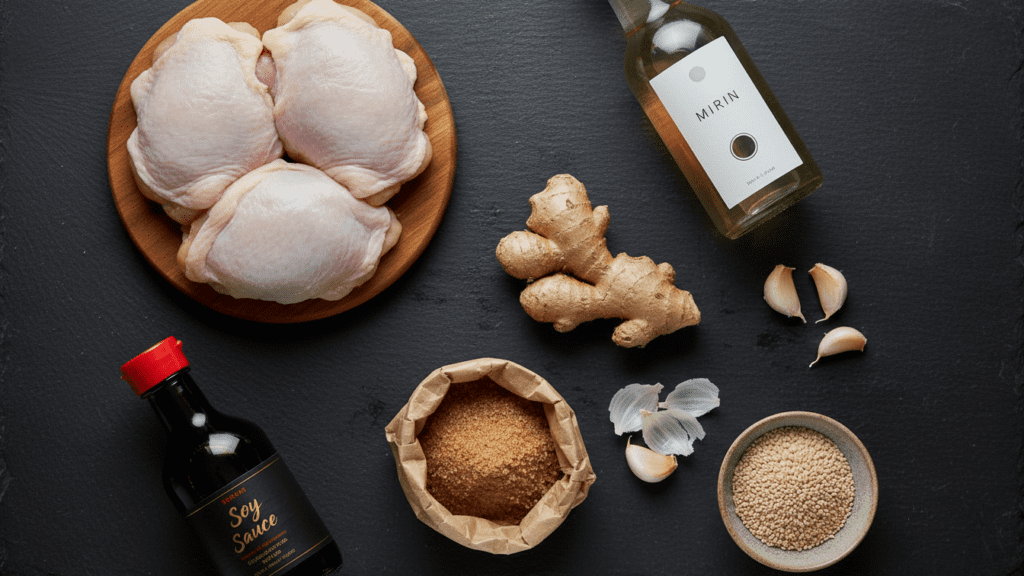
Success depends entirely on the cut of meat and the quality of your aromatics. Don’t go for “chicken breast” here, or your dinner will be as dry as a desert during a heatwave.
- 1.5 lbs Chicken Thighs: CRUCIAL. Boneless and skinless. Thighs contain enough fat to survive the high heat without turning into chalk.
- 1/2 Cup Soy Sauce: Use the low-sodium stuff so you can stay in control of the salt chaos.
- 1/4 Cup Mirin: The secret to that iconic Japanese sweetness and shine.
- 1/4 Cup Brown Sugar: To help the meat caramelize and get those “burnt ends” we all love.
- 1 Tablespoon Fresh Ginger: Grated into a pungent paste.
- 3 Cloves Garlic: Minced into microscopic bits of joy.
- 1 Tablespoon Rice Vinegar: To cut through the sugar with a little “zing.”
- 1 Teaspoon Sesame Oil: For that toasted, nutty aroma.
- 1 Tablespoon Cornstarch: The “Velveting” secret for that silky restaurant texture.
Key Substitutions
- The Mirin Swap: If you can’t find Mirin, use dry sherry with a pinch of extra sugar.
- The Sugar Swap: Use honey or maple syrup for a more “natural” sweetness, though the char won’t be quite as dramatic.
- The Soy Swap: Use Liquid Aminos or Tamari to make this a gluten-free haven.
🔪 Tools & Kitchen Gadgets Used
You don’t need a professional laboratory, but a few basics make this a fifteen-minute job instead of a sticky struggle.
- Large Cast Iron Skillet: The absolute MVP for heat retention and achieving that viral-worthy sear. Check out top-rated pans here!
- Microplane Zester: For turning that ginger into a smooth, instant-melting cloud. Grab a precision one here!
- Stainless Steel Mixing Bowls: For the essential marinating and sauce-whisking phases. Check out these nesting sets!
- High-Heat Silicone Spatula: For tossing the chicken without stripping the sauce. Grab a sturdy one here!
- Sharp Chef’s Knife: Because dull knives lead to raggedy chicken. Get a professional knife here!
👩🍳 Step-by-Step Instructions: The Path to Mahogany Glory
Follow these steps precisely. Stir-frying is a game of speed and confidence. Prep everything before you turn on the fire.
1. The Velvet Prep
Cut your chicken thighs into 1-inch bite-sized pieces. In a bowl, toss them with the cornstarch and a splash of soy sauce. TBH, this looks a little slimy at first, but this “velveting” technique creates a protective barrier that keeps the meat juicy while the outside gets crispy.
2. The Sauce Symphony
In another bowl, whisk together the remaining soy sauce, mirin, brown sugar, rice vinegar, and sesame oil. This is your flavor bomb. Have it standing by like a loyal sidekick because once the fire starts, you won’t have time to measure.
3. The Screaming Sear
Heat a tablespoon of oil in your skillet over high heat. When it starts to shimmer (or slightly smoke), add the chicken in a single layer. DO NOT stir for at least 90 seconds. You want a dark, mahogany crust. Flip and cook for another 2 minutes.
4. The Aromatic Bloom
Push the chicken to the edges and toss in your minced garlic and ginger. Sauté for exactly 30 seconds until your kitchen smells like a five-star Tokyo bistro. If you burn the garlic, we have to start the whole article over. Don’t be that guy.
5. The Thickening Performance
Pour the sauce mixture into the pan. Let it bubble and hiss. As the sugar and cornstarch react to the heat, the liquid will transform into a thick, glossy glaze. FYI, it should be thick enough to coat the back of a spoon.
6. The Final Integration
Toss everything vigorously for 60 seconds until every millimeter of chicken is lacquered in sauce. Add a handful of sliced green onions for a final flash of color.
7. The Presentation
Serve immediately over steaming white rice or broccoli. Top with toasted sesame seeds if you’re feeling extra. Do not wait! Teriyaki waits for no one. 🙂
📊 Calories & Nutritional Info (The Justification)
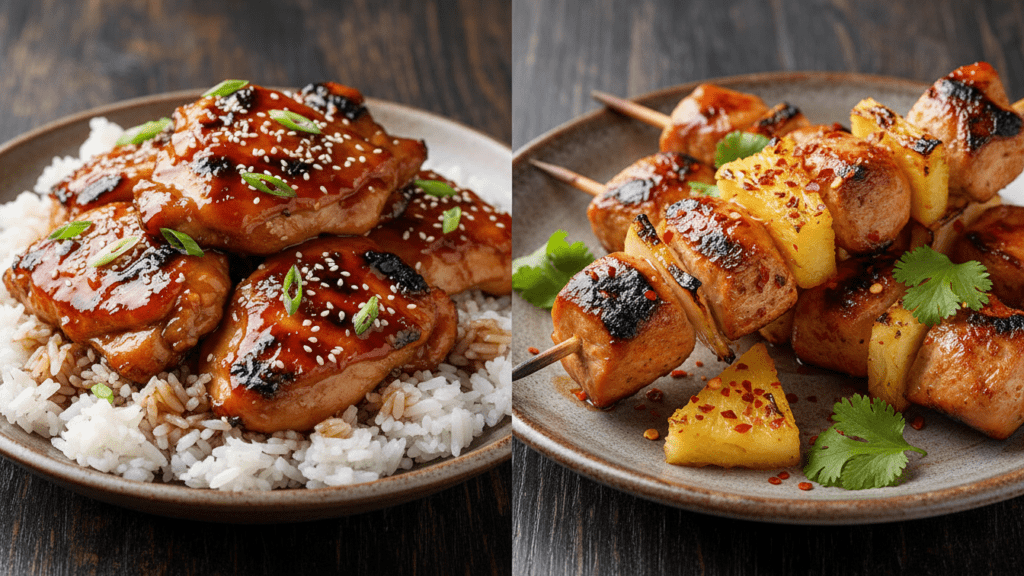
Since we made this at home without the industrial mystery fillers, we can legally pretend it’s a fitness meal. Right?
- Estimated Calories Per Serving: $\approx$ 350–410 kcal (without rice).
- Protein Power: A solid 28-34g to keep those muscles happy.
- Vitamin Boost: High levels of gingerol (thanks, ginger!) for anti-inflammatory wins.
- Sodium: 40% lower than takeout (your blood pressure says thanks).
- Mood: 100% improved after the first savory-sweet bite.
🚨 Common Mistakes to Avoid (The Teriyaki Crimes)
Avoid these if you want people to actually keep talking to you at the dinner table.
- Using Chicken Breast: It will turn into dry, chalky pebbles. Stick to the thighs!
- Cold Skillets: If the pan isn’t hot, the chicken will steam in its own juices and turn gray. Wait for the shimmer.
- Crowding the Pan: If you dump all the meat at once, the temp drops and the “sear” becomes a “soak.” Cook in batches!
- Over-Saucing: We want a glaze, not a soup. Simmer until it clings. 🙂
✨ Variations & Customizations
Because you’re the boss of this glossy chicken circus.
1. The Keto-Friendly Swap
Replace the brown sugar with monk fruit sweetener and use xanthan gum instead of cornstarch to thicken. Serve over cauliflower rice. It’s a low-carb dream that still hits the spot.
2. The “Fire-Breather” Version
Add a tablespoon of Sriracha or red chili flakes to the sauce. The heat against the sweet mirin is a sophisticated game-changer that will wake up your taste buds.
3. The Pineapple Express
Add fresh pineapple chunks to the skillet during the last two minutes of cooking. The fruit sugars will caramelize and add a tropical vibe that is honestly addictive.
❓ FAQ Section: Your Teriyaki Queries Answered
What is the difference between Teriyaki and Hibachi?
Teriyaki is a cooking technique where meat is glazed with a soy-sugar-mirin sauce.1 Hibachi usually refers to meat cooked on a high-heat flat grill with soy sauce, butter, and garlic, but without the thick, sweet glaze.
How do I make the sauce thicker?
The secret is the cornstarch slurry or simply letting the sugar reduce. If it’s too thin, simmer it for another 2 minutes—the heat does the work!
Can I make this in an air fryer?
You can, but IMO, the skillet method is superior for the glaze. If you must, air fry the chicken first, then toss it in a pan with the pre-simmered sauce.
Is Teriyaki Chicken actually Japanese?
Yes and no. The word “teriyaki” comes from “teri” (shine) and “yaki” (grill).2 While the flavor profile is Japanese, the thick, heavy sauce we love in the West was popularized by Japanese immigrants in Hawaii!
How long do leftovers last?
It stays good in the airtight container for up to 3 days. To reheat, use a skillet with a splash of water to restore the gloss; the microwave is where texture goes to die.
Can I use store-bought sauce?
TBH, no. Most bottled sauces are 90% corn syrup and preservatives. Making it from scratch takes five minutes and tastes like actual food.
Is Mirin essential?
Yes! Mirin provides the unique “teri” (gloss) that sugar alone cannot replicate. If you skip it, your chicken will be matte instead of shiny.
🥂 Final Thoughts: Go Forth and Sear!
You’ve done it. You’ve successfully navigated the world of “Screaming Hot Skillets” without having a public breakdown. You are now a titan of the stir-fry and a hero of the weeknight dinner. Go ahead, have that second serving—it’s mostly just “protein and ginger,” right? Just don’t tell me if you still have a hidden delivery menu for the local “No. 1 Kitchen” in your drawer; I have a reputation to maintain. 😉