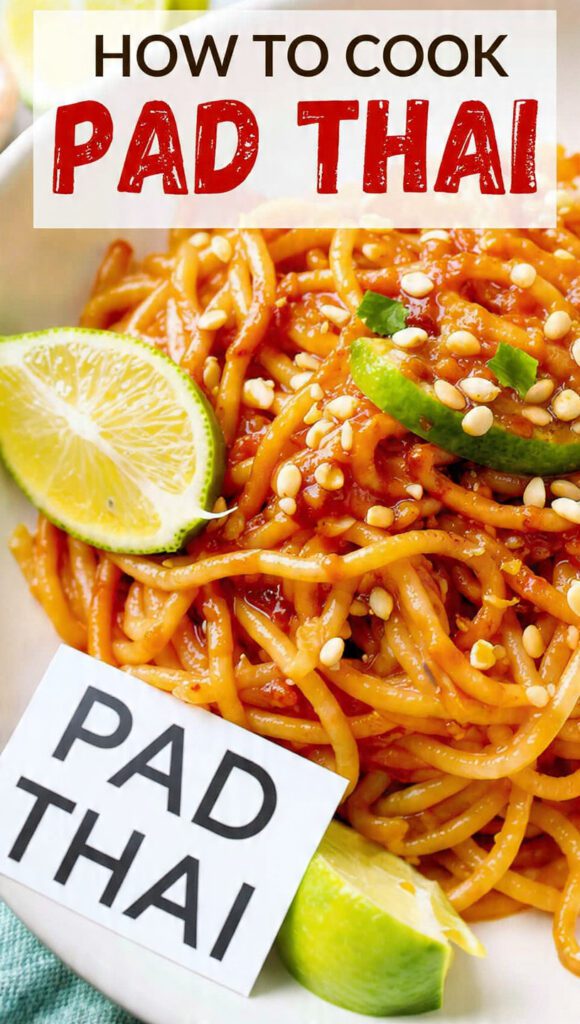
🍜 The “Ditch the Takeout” Manifesto: Mastering How to Cook Pad Thai Like a Pro
Let’s be brutally honest: we have all spent far too much money on lukewarm plastic containers of noodles that arrive at our door with the structural integrity of a wet sponge. You know the drill—it’s 8 PM on a Friday, you’re starving, and you pay forty dollars for a box of mushy rice sticks and exactly three sad shrimp. It’s a culinary tragedy! But then, you realize that learning how to cook pad thai at home is actually faster than waiting for a delivery driver to find your apartment complex.
I once served a batch of this to a friend who genuinely believed that “Thai food” was a flavor profile exclusively owned by a restaurant named “Siam Palace.” After one bite of these tangy, salty, slightly funky noodles, he actually asked if I had a secret industrial wok hidden in my laundry room. That, my friends, is the power of a proper tamarind balance and a screaming-hot pan. Are you ready to stop settling for soggy noodles and start building a legendary stir-fry masterpiece?
🏆 Why This Pad Thai Recipe is the Actual GOAT
Why should you bother soaking noodles and whisking sauce when you could just click an app? Because this method delivers a level of “Wok Hei” (breath of the wok) and savory depth that a delivery driver simply cannot preserve in transit. We are talking about noodles that have a distinct “chew,” paired with sprouts that actually stay crunchy.
This recipe is awesome because it hits the “Holy Trinity” of Thai flavor: salty (fish sauce), sour (tamarind), and sweet (palm sugar). It impresses guests because it looks incredibly technical, when in reality, you just know how to multi-task with a spatula. Plus, it’s a one-pan wonder, meaning fewer dishes for your future self to cry over. It’s the undisputed champion of weeknight wins, IMO.
🧂 The “Bangkok-Elite” Ingredient List
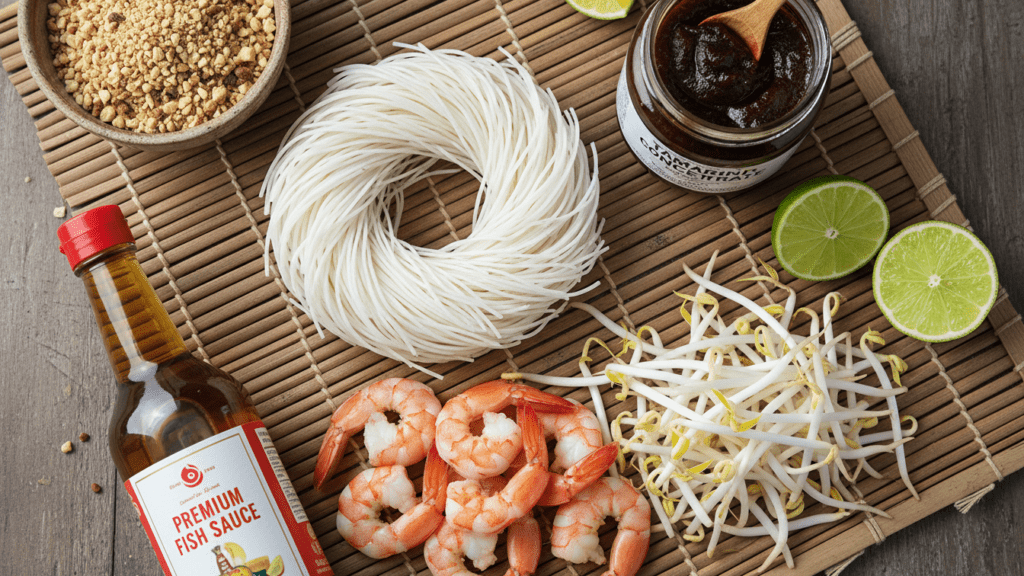
Success depends entirely on the quality of your sauce and the “snap” of your noodles. Don’t go for “pre-made bottled sauce” here, or your dinner will taste like a high-fructose corn syrup nightmare.
- 8 oz Dried Rice Sticks: (Medium width). Don’t boil them; we’re soaking them in lukewarm water until they’re flexible but firm.
- 1/2 lb Protein: Shrimp, chicken breast (sliced thin), or extra-firm tofu.
- 2 Large Eggs: Because a scramble makes everything better.
- 3 Tablespoons Tamarind Paste: CRUCIAL. Look for the Thai kind in a jar, not the sticky block.
- 3 Tablespoons Fish Sauce: The “funky soul” of the dish. Don’t smell it alone; just trust the process.
- 3 Tablespoons Palm Sugar: (Brown sugar is a respectable backup).
- 2 Cloves Garlic & 1 Shallot: Finely minced into microscopic bits of flavor.
- 1 Cup Fresh Bean Sprouts: For that essential “I’m healthy” crunch.
- Garnish: Roasted peanuts (crushed), fresh lime wedges, and cilantro.
Key Substitutions
- Sauce Swap: If fish sauce is too intense for your delicate soul, use soy sauce, though it won’t be as authentic.
- Veggie Swap: Toss in some garlic chives or green onions for that classic green streak.
- Noodle Swap: If you can’t find rice sticks, you can use linguine, but an angel loses its wings every time you do.
🔪 Tools & Kitchen Gadgets Used
You don’t need a professional laboratory, but a high-heat surface is the difference between a stir-fry and a soggy pile of regret.
- Large Carbon Steel Wok: The absolute MVP for heat distribution. Check out the best woks here!
- Stainless Steel Mixing Bowls: For the essential noodle-soaking and sauce-whisking phases. Grab a nesting set!
- High-Heat Silicone Spatula: To keep things moving fast without melting. Get a sturdy one here!
- Citrus Squeezer: Because manually squeezing limes is for people who enjoy hand cramps. Check them out on Amazon!
- Sharp Chef’s Knife: Because dull knives lead to ugly shallots. Grab a top-rated knife here!
👩🍳 Step-by-Step Instructions: The Path to Noodle Glory
Follow these steps precisely. Stir-frying is a game of speed. Prep everything before you turn on the heat.
1. The Noodle Meditation
Place your rice sticks in a bowl of lukewarm water. Let them soak for 30-45 minutes. TBH, they should feel like rubber bands—flexible enough to wrap around your finger but definitely not soft enough to eat yet. Drain them and set aside.
2. The Sauce Symphony
In a small jar, whisk together the tamarind paste, fish sauce, and palm sugar. This is your liquid gold. If the palm sugar is in a hard block, microwave it for 10 seconds to make it cooperate.
3. The Protein Sizzle
Heat two tablespoons of oil in your wok over high heat. Add your shrimp or chicken. Cook just until they aren’t raw anymore, then scoot them to the side. Don’t overcook them! Nobody likes rubbery seafood. 🙂
4. The Aromatic Bloom
Add a little more oil if the pan looks dry. Toss in your minced garlic and shallots. Sauté for exactly 20 seconds until your kitchen smells like a Thai street market. If you burn the garlic, we have to start the whole article over.
5. The Great Integration
Dump the drained noodles into the wok. Pour that sauce mixture over the top. Use your spatula to toss and turn. If the noodles look too dry, add a tablespoon of water. They will absorb the sauce and turn a beautiful translucent orange.
6. The Egg Performance
Push the noodles to one side of the wok. Crack your two eggs into the empty space. Scramble them until they are 80% cooked, then fold the noodles back over them. This ensures you get big, beautiful ribbons of egg rather than “egg dust.”
7. The Final Crunch
Toss in the bean sprouts and chives. Give it one last high-heat blast for 30 seconds. The sprouts should just barely start to wilt but still offer a defiant crunch.
8. The Presentation
Top with a mountain of crushed peanuts and a heavy squeeze of fresh lime juice. Serve it immediately. FYI, stir-fry waits for no one—eat it while it’s sizzling!
📊 Calories & Nutritional Info (The Justification)
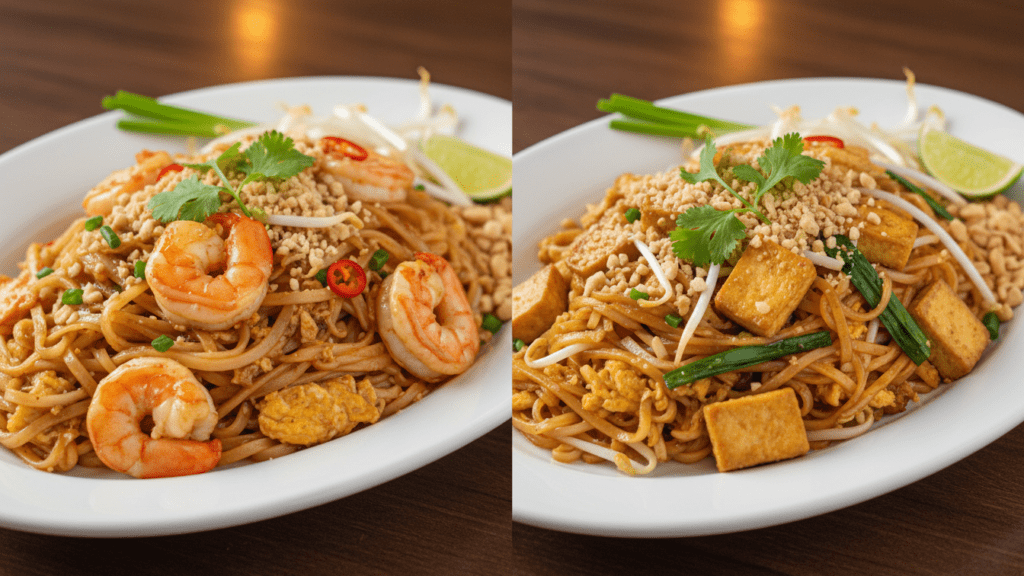
Since we made this at home without the mystery oils, we can legally pretend it’s a fitness meal. Right?
- Estimated Calories Per Serving: $\approx$ 450–520 kcal.
- Protein Power: A solid 25-30g from the shrimp and eggs.
- Fiber: A decent amount from the sprouts and aromatics.
- Vitamin C: Excellent levels from the fresh lime juice (great for the skin!).
- Mood: 100% improved after the first savory, tangy bite.
🚨 Common Mistakes to Avoid (The Noodle Crimes)
Avoid these if you want people to actually keep talking to you after dinner.
- Boiling the Noodles: If you boil rice sticks like pasta, you’ll end up with a giant clump of starch. Soak, don’t boil!
- Cold Woks: If the pan isn’t screaming hot, you won’t get that “char.” Wait for the shimmer.
- Not Using Tamarind: Vinegar is not a substitute for tamarind’s fruity depth. Find the paste!
- Crowding the Pan: If you try to make six servings at once, the temperature will drop and the noodles will steam. Cook in batches. 🙂
✨ Variations & Customizations
Because you’re the boss of this noodle circus.
1. The Keto-Friendly Swap
Ditch the rice sticks and use shirataki noodles or zucchini noodles. Use a sugar substitute instead of palm sugar. It’s a low-carb dream that still hits the spot.
2. The “Fire-Breather” Version
Add a tablespoon of Thai chili flakes (Prik Bon) to the sauce. It adds a smoky, intense heat that will challenge even the bravest souls.
3. The Vegetarian Swap
Replace the protein with extra-firm tofu and the fish sauce with vegan stir-fry sauce or light soy sauce. Add extra peanuts for that protein boost!
❓ FAQ Section: Your Pad Thai Queries Answered
How do I stop the noodles from sticking together?
The secret is cold water rinsing after draining and ensuring you have enough oil in your wok. Don’t let the drained noodles sit for too long!
Can I use regular sugar?
Yes, IMO, brown sugar works perfectly well as a substitute for palm sugar. It has that similar molasses-like depth.
What kind of tamarind should I buy?
Look for “Tamarind Concentrate” from Thailand. Avoid the Indian “tamarind paste” with seeds and skin, as it’s far too concentrated and sour.
Is Pad Thai actually healthy?
Absolutely. It’s a balanced mix of carbs, protein, and fresh vegetables. By making it at home, you avoid the excessive salt and sugar found in takeout.
How do I store leftovers?
Keep it in an airtight container for up to 2 days. To reheat, use a skillet with a splash of water; the microwave is where noodles go to die.
Why are my noodles crunchy?
You didn’t soak them long enough or you didn’t use enough liquid/steam during the stir-fry phase. Add a splash of water and cover for 30 seconds!
Can I make this gluten-free?
Rice noodles are naturally gluten-free! Just double-check your fish sauce brand to ensure there’s no hidden wheat.
🥂 Final Thoughts: Go Forth and Stir!
You’ve done it. You’ve successfully navigated the world of “Noodle Tension” without having a public breakdown. You are now a titan of the wok and a hero of the dinner table. Go ahead, have that second serving—it’s mostly just “plants” and protein, right? Just don’t tell me if you still have a hidden takeout menu in your drawer; I have a reputation to maintain. 🙂