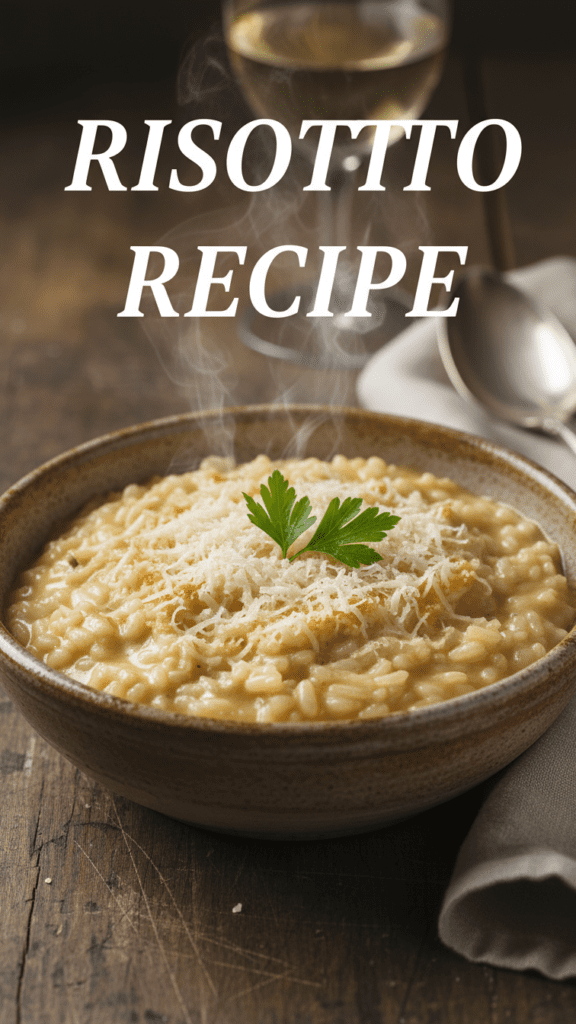
The Ultimate Creamy Risotto Recipe: Ditch the Stirring Anxiety, Embrace the Delicious!
Let’s talk about risotto. For years, I avoided it like a bad ex, convinced it was some mystical, chef-only dish requiring a degree in Italian culinary arts and an arm that could stir for hours. Every time I saw a risotto recipe, I imagined standing over a pot, enslaved by a wooden spoon, stirring until my arm fell off. Sound familiar?
Then, one glorious day, I discovered the secrets. And guess what? It’s not that hard. In fact, it’s surprisingly zen. Are you ready to stop being intimidated by this creamy, dreamy dish and start impressing everyone you know with your newfound risotto prowess? Let’s get stirring (but not too much stirring, don’t worry).
Why This Recipe is Absolutely Awesome
First of all, the texture. Oh, the glorious, velvety texture! This isn’t just rice; it’s a creamy, cheesy hug in a bowl. Each grain is perfectly cooked, neither crunchy nor mushy, suspended in a luxurious sauce. It’s the kind of dish that makes you close your eyes and hum with satisfaction.
Secondly, the aroma alone is worth the effort. Sautéed aromatics, wine, Parmesan – your kitchen will smell like a Michelin-star restaurant. You’ll practically float on air. Plus, the process itself is quite meditative. Once you get into the rhythm, it’s actually pretty relaxing. Who knew cooking could be therapy?
Finally, it screams “fancy dinner party” without actually requiring hours of agonizing labor. Serve this with a simple piece of roasted chicken or some sautéed greens, and suddenly you’re Martha Stewart. Your guests will be so impressed, they might even do the dishes. IMO, that’s a win-win. 🙂
The Risotto Essentials: Ingredients
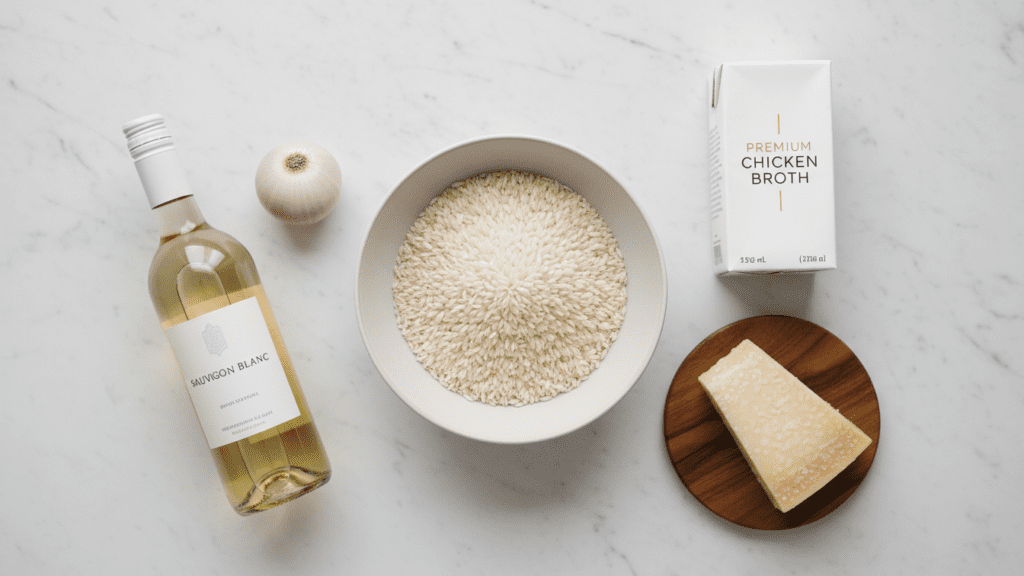
We’re keeping it classic, folks. No weird, obscure ingredients that require a quest to a specialty store. Quality over quantity here!
- Arborio Rice: This is non-negotiable. Its high starch content is what gives risotto its signature creamy texture. Do not substitute with long-grain rice unless you want sad, sticky rice instead of glorious risotto.
- Unsalted Butter: Use good quality butter. It’s a key flavor component and helps create that smooth finish.
- Shallots (or Onion): Finely minced. Shallots are milder and add a touch of elegance.
- Garlic: Just a couple of cloves, minced. Don’t overdo it; we want subtle flavor, not garlic breath that could scare away vampires.
- Dry White Wine: Something like Pinot Grigio or Sauvignon Blanc. It adds acidity and depth. Sub: More broth if you don’t drink alcohol, but you’ll miss a layer of flavor.
- Hot Chicken Broth (or Vegetable Broth): Keep it hot! Cold broth shocks the rice and messes with the cooking process.
- Parmigiano-Reggiano: Freshly grated, always. The pre-shredded stuff is a crime against cheese and will make your risotto grainy.
- Fresh Parsley: For a pop of color and freshness at the end.
- Olive Oil: A drizzle at the beginning to sauté the aromatics.
- Salt & Freshly Ground Black Pepper: Season to taste, but remember the broth and cheese add saltiness.
Tools & Kitchen Gadgets Used
You don’t need a professional kitchen, but a few specific tools will make your risotto journey a smooth one.
- Heavy-Bottomed Pot or Dutch Oven: This ensures even heat distribution and prevents scorching.
- Saucepan: To keep that broth hot throughout the cooking process. Crucial!
- Wooden Spoon: Your trusty companion for gentle stirring.
- Ladle: For adding the hot broth, scoop by scoop.
- Microplane Zester: For perfectly fluffy Parmigiano-Reggiano.
- Measuring Cups & Spoons: Accuracy helps, especially with the liquid ratios.
- Sharp Knife: For finely mincing those shallots and garlic.
Step-by-Step Instructions
1. The Aromatic Kick-Off
Heat a drizzle of olive oil and a knob of unsalted butter in your heavy-bottomed pot over medium heat. Add your finely minced shallots (or onion) and cook until they’re translucent and fragrant, about 3-4 minutes. Toss in the garlic and cook for just another minute. Don’t let it brown!
2. The Toasted Rice
Add the Arborio rice to the pot. Stir it constantly for 2 minutes, until the edges of the grains become translucent but the centers are still opaque. This “toasting” step (called tostatura) helps the rice absorb liquid evenly and prevents mushiness.
3. The Wine Bath
Pour in the dry white wine. It will sizzle dramatically. Stir until the wine is completely absorbed by the rice. This deglazes the pan and adds a wonderful depth of flavor. Breathe it in—that’s the good stuff!
4. The Broth Dance
Now for the main event! Add one ladleful of hot broth to the rice. Stir gently and continuously until the liquid is almost completely absorbed. Then, add another ladleful. Repeat this process for about 18-20 minutes. Do not add all the broth at once! That’s how you get boiled rice, not creamy risotto.
5. The Al Dente Check
After about 18 minutes, taste the rice. It should be creamy on the outside but still have a slight bite (al dente) in the center. If it’s too firm, add more broth, a splash at a time, until it reaches your desired consistency. You want it loose enough to spread a little on the plate, not a solid brick.
6. The Mantecatura Magic
Remove the pot from the heat. This is crucial! Stir in a generous knob of cold unsalted butter and a huge handful of freshly grated Parmigiano-Reggiano. Stir vigorously until the butter and cheese melt and emulsify, creating that luscious, creamy texture. This step is called mantecatura, and it’s where the magic happens.
7. The Finishing Flourish
Stir in some freshly chopped parsley. Taste and adjust seasoning with salt and pepper if needed. Serve immediately in warm bowls. Risotto waits for no one!
Calories & Nutritional Info
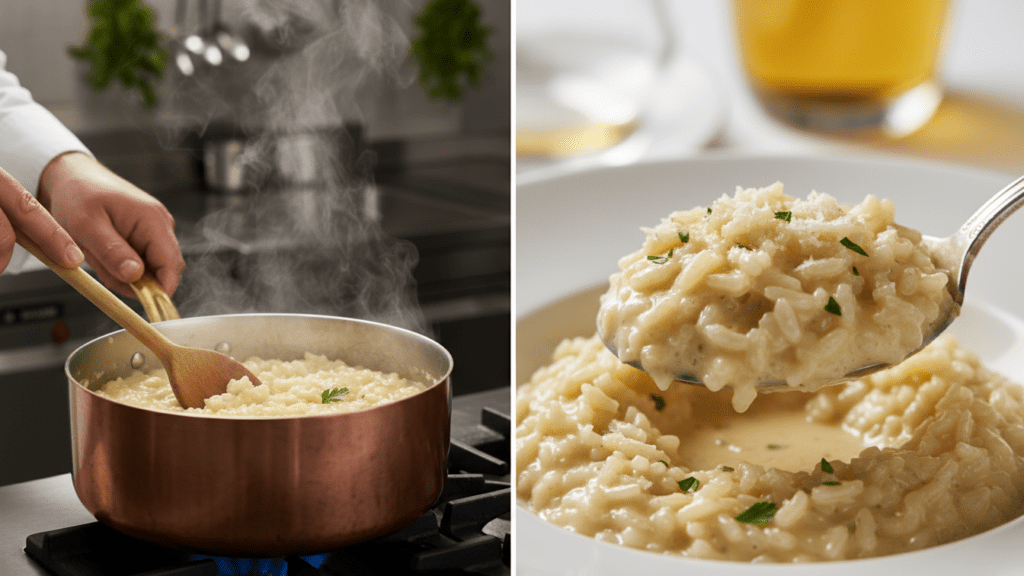
Yes, it’s decadent. No, we are not apologizing.
- Calories: Approximately 400-500 calories per serving (depending on butter/cheese generosity).
- Carbohydrates: About 50-60g from the Arborio rice. Your body needs fuel!
- Fat: Around 20-25g (mostly the good kind from butter and cheese).
- Protein: 10-15g, thanks to that glorious Parmesan.
- Note: Risotto is naturally gluten-free (just ensure your broth is too!). It also contains some B vitamins from the rice and calcium from the cheese. So, basically, it’s health food.
Common Mistakes to Avoid
Do not use cold broth. This is a rookie mistake! Cold broth lowers the temperature of the pot, extending cooking time and resulting in unevenly cooked rice. Keep that broth simmering gently in a separate saucepan.
Stop over-stirring OR under-stirring. Risotto needs consistent, but gentle, stirring. Over-stirring can break down the rice grains too much, making it gummy. Under-stirring can cause it to stick and cook unevenly. Find your rhythm!
Don’t add all the liquid at once. This is the fastest way to make rice pudding (unless that’s what you’re going for, in which case, carry on). The gradual addition of liquid is what coaxes the starch out of the rice, creating the creamy texture.
Avoid overcooking the rice. Risotto should be al dente—creamy on the outside, with a tiny, pleasing resistance in the center. Mushy risotto is just sad. Taste frequently as it gets close to the 18-minute mark.
Never skip the mantecatura. Removing the pot from the heat and stirring in cold butter and cheese is essential for that perfect, creamy consistency. Without it, your risotto will be stiffer and less luxurious. Why would you want a dry pile of rice when you can have a creamy cloud? :/
Variations & Customizations
Once you master the basic risotto recipe, the world is your oyster (or mushroom, or pumpkin!).
- Mushroom Risotto: Sauté sliced mushrooms (cremini, shiitake, or wild mushrooms) with the shallots. Add a splash of truffle oil at the end for extra decadence.
- Lemon-Asparagus Risotto: Blanch chopped asparagus and stir it in during the last 5 minutes of cooking. Finish with lemon zest and a squeeze of fresh lemon juice. So bright and fresh!
- Butternut Squash Risotto: Roast cubes of butternut squash until tender. Mash some and stir it into the risotto during the last few minutes, along with a pinch of nutmeg. Garnish with crispy sage.
FAQ Section: Your Risotto Quandaries Answered
What kind of rice is best for risotto?
Arborio rice is king! Its high starch content is perfect for that creamy texture. Carnaroli is another excellent choice, slightly firmer and more forgiving.
How do I know when risotto is done?
It should be creamy and flow a bit (“all’onda” – like a wave). The rice grains should be al dente, meaning tender with a slight bite in the center, not crunchy and not mushy.
Why do I need to add hot broth?
Adding cold broth shocks the rice, slows down the cooking process, and can lead to unevenly cooked grains. Keeping the broth hot ensures consistent cooking.
Can I make risotto ahead of time?
Risotto is best eaten immediately. It loses its creamy texture as it cools and sits. However, you can prep your ingredients (chop, grate, heat broth) ahead of time to make the active cooking faster.
What is the purpose of the wine in risotto?
The wine adds acidity, which brightens the dish and balances the richness. It also deglazes the pan, picking up any flavorful bits stuck to the bottom.
How much stirring does risotto really need?
Consistent, gentle stirring is key, especially when adding the broth. You don’t need to stir constantly every second, but frequent stirring helps release starch and prevents sticking.
Why is my risotto gummy?
You might be over-stirring, which can break down the rice grains too much. Or, you might be overcooking the rice. Aim for al dente!
Final Thoughts
You are now officially a risotto recipe master! No more fear, no more intimidation. Just pure, creamy, cheesy goodness, made by your own capable hands. You’ve earned those bragging rights.
Go forth and create culinary magic. Your friends will be amazed, your taste buds will sing, and your social calendar will suddenly fill with dinner requests. Just try not to eat the entire pot by yourself. What’s your favorite flavor of risotto? Let me know!