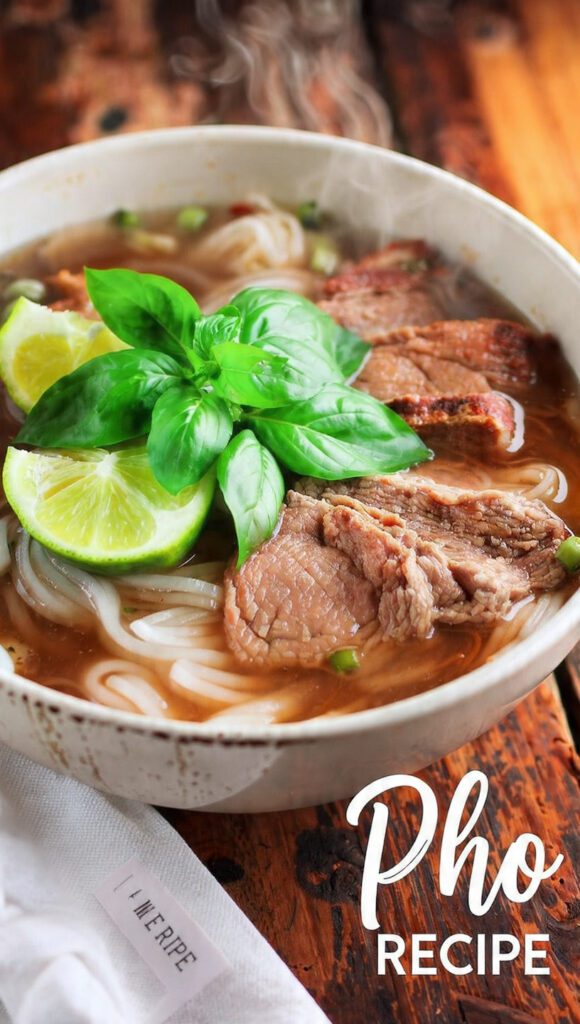
🍜 The “Better Than Your Favorite Hole-in-the-Wall” Guide: Mastering the Ultimate Pho Recipe
Let’s be brutally honest: we have all spent far too much money on lukewarm plastic containers of broth that arrive at our door with exactly three sad slices of beef and the structural integrity of a wet napkin. You know the drill—it’s 8 PM on a rainy Tuesday, you’re starving, and you pay forty dollars for a pho recipe someone else made with zero soul. It’s a culinary tragedy! But then, you walk into a real-deal Vietnamese kitchen, smell that signature charred ginger and star anise, and you realize you’ve been living a lie.
I once served a giant steaming bowl of this to a friend who genuinely believed that “soup isn’t a meal.” After the first sip of this marrow-rich, spice-infused liquid gold, he actually asked if I had a secret Vietnamese grandmother hidden in my pantry. That, my friends, is the power of a proper 6-hour simmer and toasted spices. Are you ready to stop settling for lukewarm deliveries and start building a legendary noodle masterpiece?
🏆 Why This Pho Recipe is the Actual GOAT
Why should you bother simmering bones for half a day when you could just click an app? Because this method delivers a level of clarity and aromatic depth that a delivery driver simply cannot preserve in transit. We are talking about broth so clean you can see the bottom of the bowl, yet so flavorful it feels like a warm hug for your internal organs.
This recipe is awesome because it’s a high-impact, ego-stroking flex for any home cook. It impresses guests because it looks incredibly technical, when in reality, you just know how to multi-task with a spice bag and a stockpot effectively. Plus, it’s the ultimate “food as medicine”—one bowl of this and your seasonal allergies will be too intimidated to stay. It’s the undisputed champion of weekend kitchen wins, IMO.
🧂 The “Broth-Elite” Ingredient List
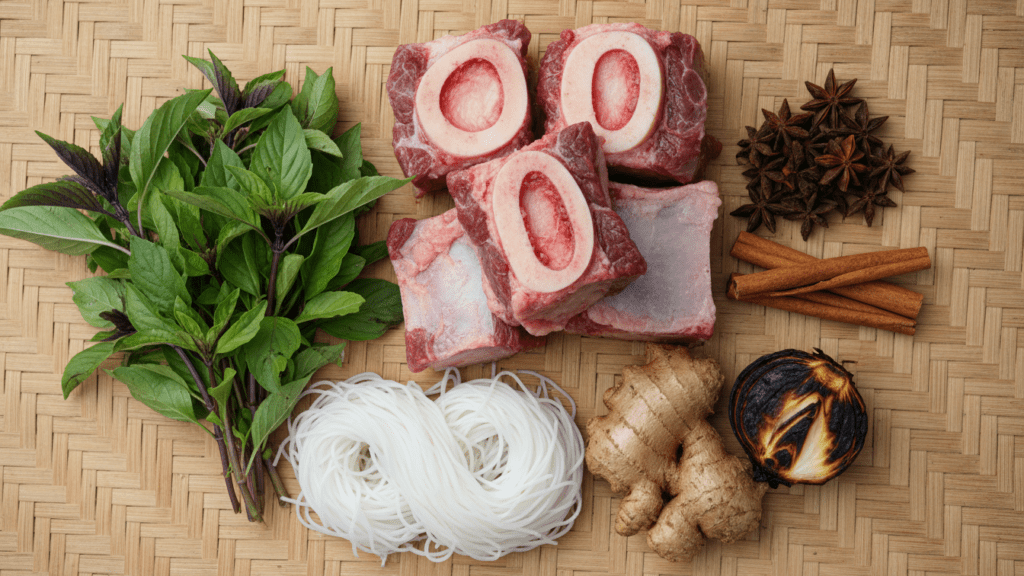
Success depends entirely on the quality of your bones and the freshness of your aromatics. Don’t go for “pre-made beef stock” here, or your soup will taste like a salty cardboard box.
The Liquid Gold (The Broth)
- 4 lbs Beef Marrow & Knuckle Bones: CRUCIAL. These provide the gelatinous body and rich “umami” punch.
- 1 lb Beef Chuck or Brisket: To add meaty flavor while simmering.
- 2 Large White Onions & 4 Inches Fresh Ginger: These must be charred to unlock their smoky sweetness.
- 5 Star Anise, 6 Cloves, 1 Cinnamon Stick: The “Holy Trinity” of Pho aromatics.
- 1 Tablespoon Coriander Seeds & 1 Black Cardamom Pod: For that floral, earthy undertone.
- ¼ Cup Fish Sauce: The “funky soul” of the dish. Use the premium stuff.
- 1 Tablespoon Rock Sugar: To balance the salt and spice (yellow rock sugar is best, TBH).
The Noodle Party (The Bowls)
- 1 lb Dried Rice Sticks (Pho Noodles): Soak them in cold water until they are pliable.
- ½ lb Beef Eye of Round: Sliced paper-thin (freeze for 30 minutes to make slicing easier!).
- Garnish: Fresh bean sprouts, Thai basil, cilantro, lime wedges, and sliced jalapeños.
- The Sauciness: Hoisin and Sriracha (obviously).
🔪 Tools & Kitchen Gadgets Used
You don’t need a professional laboratory, but a large pot is the difference between a feast and a disappointment.
- 12-Quart Stockpot: The skyscraper of the kitchen. Check out heavy-duty stockpots here!
- Stainless Steel Fine Mesh Strainer: To achieve that viral “crystal clear” broth. Grab a sturdy one here!
- Spice Infuser or Cheesecloth: To keep your aromatics from floating around like tiny wooden landmines. Get a spice bag here!
- Chef’s Knife: For all that therapeutic ginger-charring and beef-slicing.
- Kitchen Tongs: To handle the hot, charred aromatics without losing your fingerprints.
👩🍳 Step-by-Step Instructions: The Path to Clear Glory
Follow these steps precisely. Pho is a game of patience and temperature control. Prep your spices before you turn on the heat.
1. The Great Parboil
Place your beef bones in the stockpot and cover with cold water. Bring to a rolling boil for 10 minutes. TBH, the gray “scum” that floats to the top is gross, but this step is why restaurant pho is clear and yours usually isn’t. Drain the water, rinse the bones, and scrub the pot.
2. The Charring Ritual
While the bones are boiling, place your onions and ginger (skin on!) directly over a gas flame or under a broiler. Turn them until they are blackened and blistered. Rinse off the burnt skin under cold water—the smoky flavor is now locked inside.
3. The Spice Toast
In a dry skillet over medium heat, toss your star anise, cloves, cinnamon, coriander seeds, and cardamom. Toast for 2-3 minutes until you can smell them from the next room. Put them in your spice bag.
4. The Long Simmer
Return the clean bones to the pot. Add 6 quarts of filtered water, the charred onions/ginger, spice bag, and brisket. Bring to a boil, then immediately drop to a whisper of a simmer. DO NOT let it boil hard, or you’ll emulsify the fat and get cloudy broth. Contemplate your life choices for the next 6 to 8 hours.
5. The Seasoning Strike
Remove the brisket (save it for slicing!) and the bones. Add the fish sauce, rock sugar, and salt. Taste it! It should be slightly more seasoned than you think, because the unseasoned noodles and sprouts will dilute it later.
6. The Noodle Performance
Boil your soaked rice sticks for exactly 1-2 minutes until tender. Divide them into large bowls. Top with the simmered brisket and the raw paper-thin eye of round.
7. The Final Pour
Ladle the screaming-hot broth directly over the raw beef. The heat of the broth will cook the meat to a perfect medium-rare in seconds. FYI, this is the most satisfying part of the whole process. 🙂
📊 Calories & Nutritional Info (The Justification)
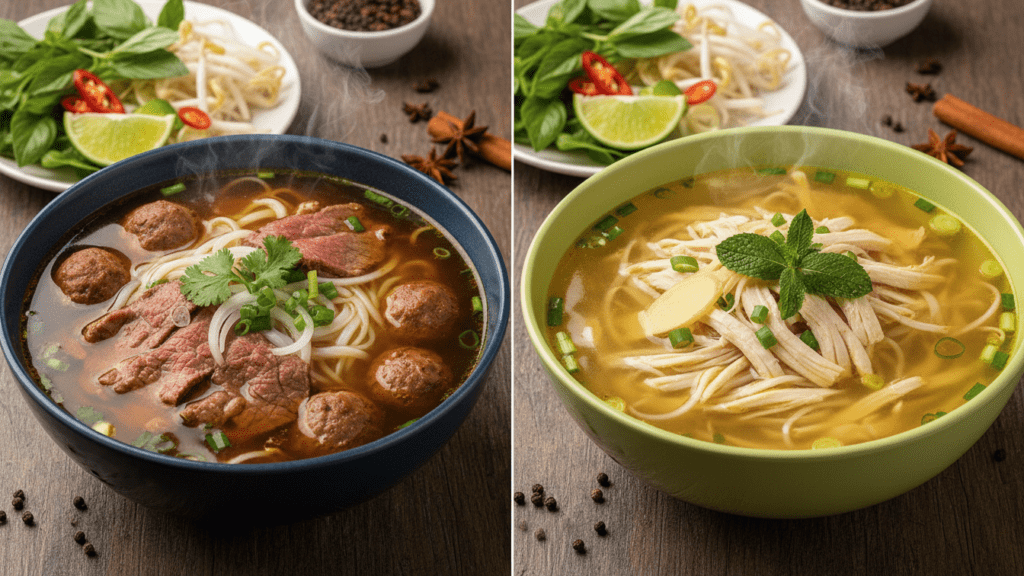
Since this is basically bone broth and herbs, we can legally pretend it’s a fitness meal. Right?
- Estimated Calories Per Serving: $\approx$ 450–550 kcal.
- Protein Power: A solid 35g thanks to the marrow and beef.
- Collagen Boost: Massive amounts for your skin and joints.
- Hydration King: It’s basically electrolyte water with better branding.
- Mood: 100% improved after the first aromatic slurp.
🚨 Common Mistakes to Avoid (The Pho Fails)
Avoid these if you want people to actually keep talking to you at the dinner table.
- Hard Boiling the Broth: This turns your clear soup into a murky, greasy mess. Keep it at a simmer!
- Skipping the Char: No char means no smoky depth. Burn those onions.
- Using Thin Pots: A cheap pot will scorch the bottom. Use a heavy stockpot.
- Over-seasoning with Sriracha: Taste the broth first! Don’t drown my hard work in hot sauce immediately. 🙂
✨ Variations & Customizations
Because you’re the boss of this aromatic circus.
1. The Keto-Friendly Swap
Replace the rice noodles with shirataki noodles or spiralized zucchini. The broth is already low-carb, making this a keto dream that actually tastes good.
2. The “Fire-Breather” Version
Infuse your bowls with chili oil and extra fresh bird’s eye chilies. It adds a volcanic heat that balances the sweet star anise perfectly.
3. The Vegetarian Miracle
Replace beef bones with charred leeks, carrots, and mushrooms. Use vegan fish sauce (made from pineapple or seaweed) to keep that essential funky depth.
❓ FAQ Section: Your Pho Queries Answered
Why is my pho broth cloudy?
You likely skipped the parboiling step or let the broth boil too hard. Remember: a gentle simmer keeps the fat from mixing with the water!
Can I make pho in a pressure cooker?
Absolutely. You can get a decent broth in about 90 minutes. However, IMO, the stovetop method allows for better flavor development and clarity control.
What noodles are best for pho?
Look for “Banh Pho” dried rice sticks. They come in different widths—medium is the standard for beef pho.
How do I store leftover pho?
Store the broth and noodles separately. If you store them together, the noodles will absorb all the broth and turn into a giant, soggy sponge.
Is pho actually healthy?
Yes! It is naturally gluten-free (check your hoisin sauce!), high in protein, and the ginger/spices have incredible anti-inflammatory properties.
What is the difference between Pho and Ramen?
Pho is rice noodle-based with a lighter, spice-forward clear broth. Ramen is wheat noodle-based with a heavier, often creamy, alkaline broth.
Why do I need rock sugar?
Rock sugar has a milder, cleaner sweetness than granulated sugar. it rounds out the saltiness of the fish sauce without making the soup taste like candy.
🥂 Final Thoughts: Go Forth and Slurp!
You’ve done it. You’ve successfully navigated the world of “6-Hour Aromatics” without having a public breakdown. You are now a titan of the stockpot and a hero of the dinner table. Go ahead, have that second bowl—it’s mostly just “infused water,” right? Just don’t tell me if you used a “pho bouillon cube” to cheat; I have a reputation to maintain. 😉