
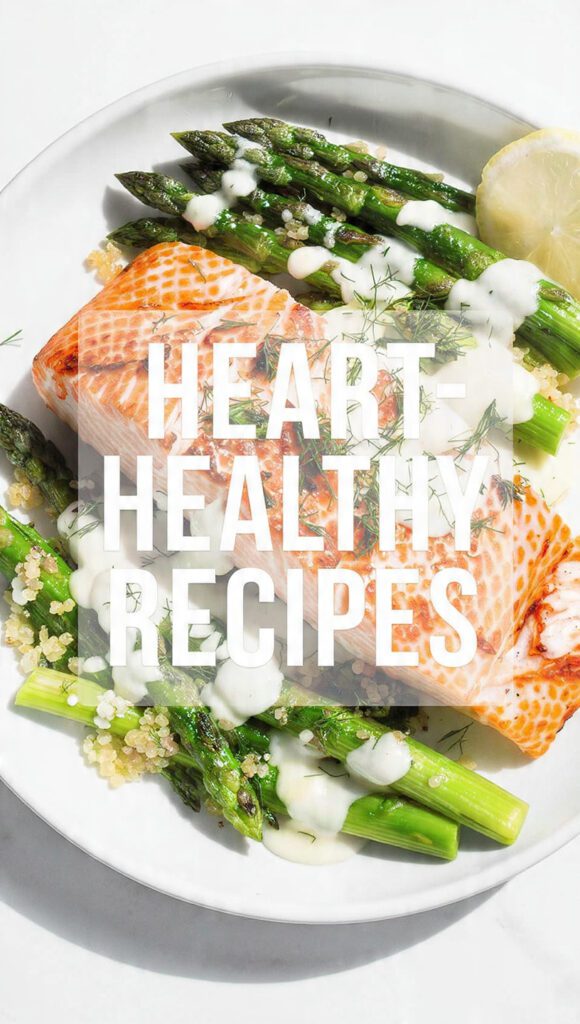
Flavor Without the Fuss: Easy Salmon with Roasted Asparagus & Quinoa (Heart-Healthy)
Let’s be honest: when you hear the phrase “heart-healthy recipes,” your eyes probably glaze over. You envision bland, steamed chicken and flavorless salads. But are we seriously going to sacrifice deliciousness for a longer life? Absolutely not! We want both. And this recipe—Roasted Salmon with Lemon-Dill Asparagus and Quinoa—is the proof that you can treat your tastebuds and your ticker with respect.
This is the kind of meal that makes you feel like an actual functioning adult who has their life together. It’s light, vibrant, packed with omega-3s, and takes less than 30 minutes from start to finish. Seriously, it’s so easy, it almost feels like cheating.
Why This Recipe Is the Ultimate Health Héro
Why should this be your go-to heart-healthy recipe? Because it hits all the high notes while keeping the bad stuff low.
First, Omega-3s. Salmon is a powerhouse of healthy fats, essential for cardiovascular health. Second, Low Sodium. We rely on fresh herbs, garlic, and citrus for flavor, not buckets of salt. Third, High Fiber. Quinoa provides complex carbs and fiber, keeping you full and regulating cholesterol.
Plus, it’s an elegant meal you can cook all on one sheet pan (minus the quinoa, but two dishes is basically one, right?). You get vibrant colors and fantastic flavor without the heavy saturated fats. Who said eating for your heart had to taste like a punishment?
The Ingredients: Clean and Lean
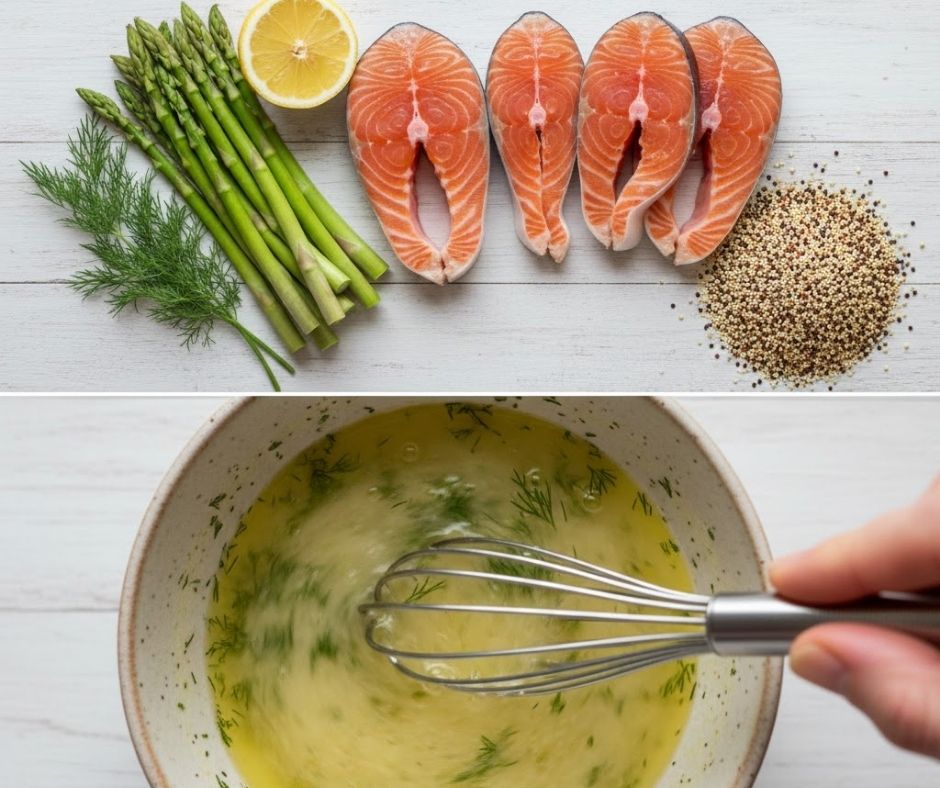
We are keeping it simple, fresh, and focused on healthy fats and whole grains.
- Protein: Two salmon fillets (about 5-6 oz each). Wild-caught is generally considered superior, FYI.
- Grains: 1 cup cooked quinoa. Cook this ahead of time to save major minutes.
- Veggies: 1 bundle of fresh asparagus, ends trimmed.
- Fats: Extra Virgin Olive Oil (measured precisely).
- Flavor Bombs: Fresh lemon (juice and zest), minced garlic, and fresh dill.
- Seasoning: Sea salt, cracked black pepper, and a pinch of smoked paprika.
Tools & Kitchen Gadgets Used
You need just a few essentials for this sheet pan wonder. Minimal tools, maximum results!
- Baking Sheet (Sheet Pan): Lined with parchment paper for the real zero-cleanup victory.
- Small Bowl: For mixing the lemon-herb marinade.
- Small Saucepan (Optional): For cooking the quinoa if you didn’t prep it already.
- Microplane Zester: To easily get that intense lemon zest.
- Chef’s Knife and Cutting Board: For trimming the asparagus and mincing the garlic.
Step-by-Step Instructions
Timing is everything here. We get everything on the pan and let the oven do the heavy lifting.
1. Prep the Quinoa (If Not Pre-Cooked)
Start cooking the quinoa according to package directions now. You need it finished roughly when the salmon comes out of the oven. If you pre-cooked it, you are already winning!
2. Marinate and Prep the Pan
Preheat your oven to 400°F (200°C). In a small bowl, whisk together 1 tablespoon of olive oil, the juice from half a lemon, the lemon zest, minced garlic, and a pinch of salt/pepper. This is your magic elixir.
3. Season the Salmon and Asparagus
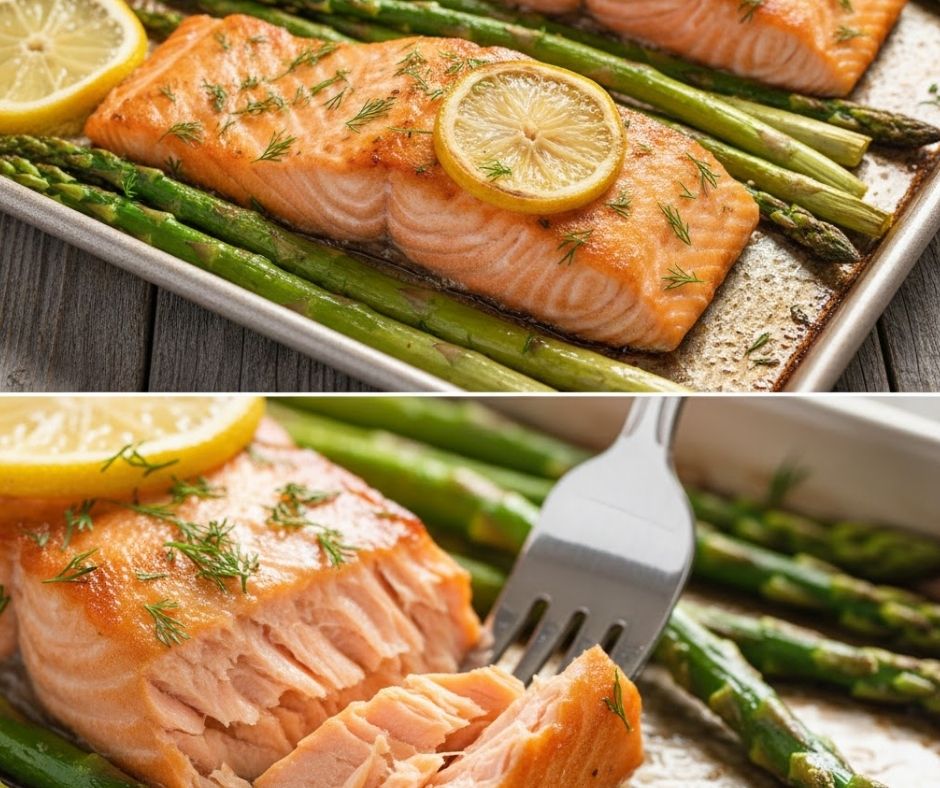
Place the asparagus spears on one side of the prepared baking sheet. Toss them with half of the lemon-dill mixture. Place the salmon fillets on the other side. Drizzle the remaining lemon-dill mixture over the salmon. Sprinkle a tiny bit of smoked paprika on the salmon for color and depth.
4. Bake to Perfection
Place the sheet pan in the preheated oven. Bake for 12-15 minutes. Salmon is done when it easily flakes with a fork and reaches an internal temperature of 145°F (63°C). The asparagus should be tender-crisp.
5. Plate and Serve
Fluff the cooked quinoa with a fork. Place a portion of quinoa on each plate. Top with the salmon and a generous serving of the asparagus. Garnish with a little extra fresh dill or parsley. Dinner is served—feel your heart thank you!
Calories & Nutritional Info
- Estimated Calories: ~420 kcal per serving
- Omega-3 Fatty Acids: High concentration from the salmon (DHA and EPA), essential for lowering blood pressure.
- Saturated Fat: Very low.
- Sodium: Low (controlled by using minimal added salt).
- Fiber: High, particularly from the quinoa and asparagus, beneficial for cholesterol regulation.
- Potassium: Excellent source, helps manage blood pressure.
Common Mistakes to Avoid
Even healthy eating requires precision. Don’t make these common slip-ups!
- Overcooking the Salmon: Dry salmon is sad salmon. Use a meat thermometer if you are unsure, but 12-15 minutes at 400°F is usually the sweet spot for a 1-inch thick fillet.
- Skipping the Lemon Zest: Lemon zest holds the oil and most intense flavor of the lemon. Skipping it leaves the dish tasting flat. Zest first, juice later.
- Drenching in Oil: Even healthy olive oil adds calories quickly. Measure your oil precisely to keep the saturated fat and calorie count genuinely low.
- Not Using Low-Sodium Broth: If you substitute chicken broth for water when cooking quinoa, make sure it’s low-sodium! Hidden sodium is the enemy of heart-healthy cooking.
- Under-Seasoning: Because we cut back on fat and salt, you need to rely on herbs and acid. If the dish tastes bland, add more fresh dill, garlic, or a final squeeze of lemon juice, not more salt.
Variations & Customizations
This is a beautiful base. Here are three ways to customize your heart-friendly plate.
The Mediterranean Kick
Swap dill for fresh oregano and mint. Add a handful of cherry tomatoes and black olives to the sheet pan during the last 5 minutes of cooking. Finish with a crumble of low-fat feta if your diet allows.
The Spicy Swap
Add a dash of crushed red pepper flakes to the oil mixture and a sprinkle of chili powder to the salmon before baking. The heat wakes up your senses and adds zero calories.
The Vegan/Plant-Based Swap
Replace the salmon with extra-firm tofu (pressed and cubed) or a cup of canned chickpeas (tossed in the same lemon-dill marinade). Both bake beautifully and deliver great protein!
FAQ Section
How do I ensure the salmon is moist? Bake it for the minimum time (12 minutes) and check it. Using parchment paper also helps lock in moisture.
Is quinoa truly heart-healthy? Yes. Quinoa is a complete protein and a whole grain packed with fiber and magnesium, which supports healthy blood pressure.
Can I substitute brown rice for quinoa? Yes, brown rice is also a whole grain, making it a healthy swap, but it will take longer to cook. Adjust your cooking time accordingly.
How can I make this salt-free? Omit the added salt entirely. Use a generous amount of garlic powder, onion powder, and extra fresh herbs/lemon to maximize natural flavors.
What other vegetables can I roast? Broccolini, zucchini, or chopped sweet potatoes (added 5 minutes before the salmon) work well. Avoid adding very watery veggies like mushrooms at the start, as they can make the pan soggy.
Can I grill the salmon instead of baking it? Absolutely. Brush the salmon and asparagus with the marinade and grill over medium heat for 4-6 minutes per side until cooked through.
How long does this meal last as meal prep? This dish holds up well for 3 days in the refrigerator. Store the salmon separately from the quinoa if possible, as the salmon can release liquid.
Final Thoughts
You did it! You created an elegant, delicious, and incredibly smart meal. This heart-healthy recipe proves that taking care of your body never means sacrificing flavor. Go ahead, enjoy every bite of that tender salmon and vibrant veggies. Your heart (and your tastebuds) will thank you. Now, what healthy masterpiece are you going to make next?