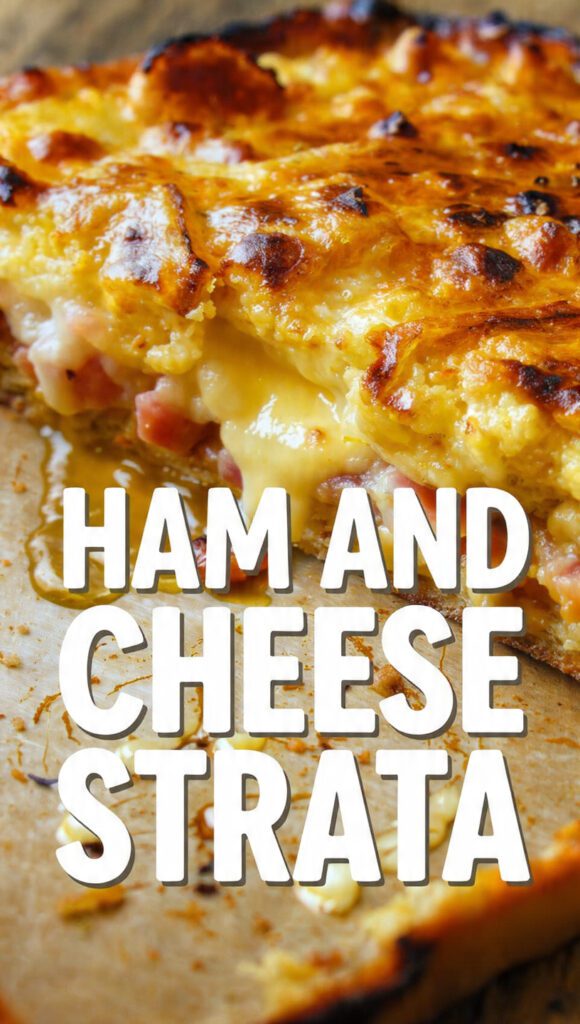
The Ultimate Ham and Cheese Strata Recipe: Your Morning Hero in a Dish
We’ve all lived through that one chaotic holiday morning. You wake up with the house smelling like old wrapping paper and desperation, realizing you have ten hungry relatives about to descend on your kitchen like a pack of caffeinated wolves. You consider cereal, but your pride won’t allow it. You think about pancakes, but you’d rather not spend two hours as a short-order cook while everyone else opens the “good” gifts. Enter the ham and cheese strata, the culinary equivalent of a “get out of jail free” card that actually tastes like a five-star brunch.
I remember the first time I made this for a group of “foodie” friends. I prepped it the night before, shoved it in the oven while I was still in my pajamas, and emerged forty minutes later looking like a domestic deity. They thought I’d been slaving away since dawn. TBH, I was actually catching up on reality TV while the oven did all the heavy lifting. Are you ready to stop being a martyr to the griddle and start living your best brunch life?
Why This Recipe Is the Undisputed GOAT
Why should you bother with a strata when you could just scramble some eggs? Because a ham and cheese strata is essentially a savory bread pudding that has gone to finishing school. It combines the buttery richness of brioche with the salty punch of ham and the gooey glory of melted Gruyère. It’s crispy on top, custardy in the middle, and structurally sound enough to be the centerpiece of any table.

Beyond the flavor flex, this dish is the ultimate “set it and forget it” masterpiece. The bread needs time to soak up the egg mixture, which means you must make it in advance. It’s not laziness; it’s science! It impresses guests every single time because it looks intentional and sophisticated, even though it’s basically a high-end fridge clean-out. Ready to reclaim your Sunday morning sanity?
The Ingredients: The Brunch Dream Team
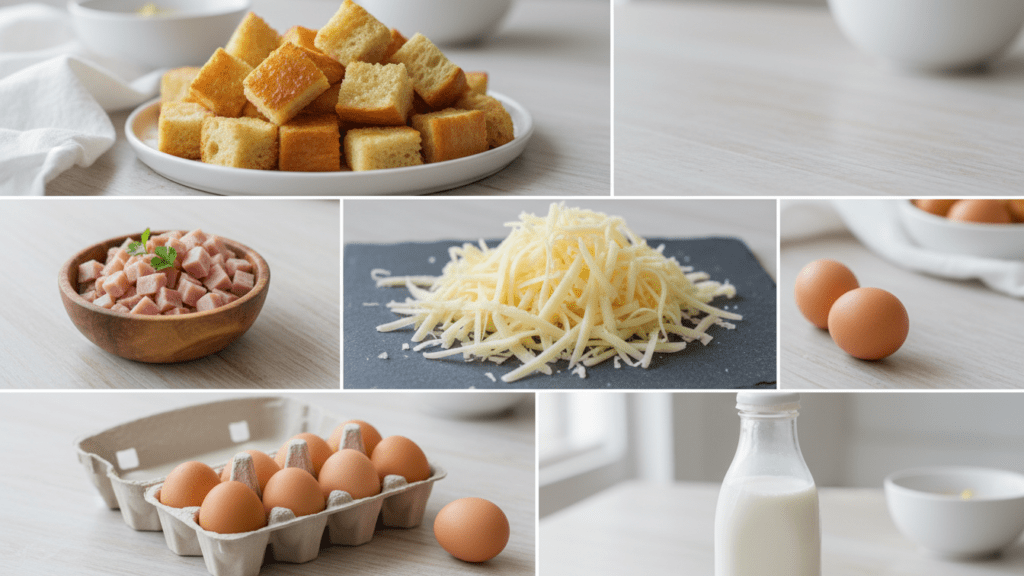
Don’t let the “casserole” vibe fool you; we are using top-tier players here. If you use sad, pre-packaged ham slices, your soul will know.
- 1 loaf Brioche or Challah: Cut into 1-inch cubes. Stale bread is your best friend here!
- 2 cups Cooked Ham: Diced into bite-sized cubes. Use the good stuff from the deli counter.
- 2 cups Gruyère or Sharp Cheddar: Grated. Gruyère adds that “fancy French bistro” vibe.
- 8 Large Eggs: Freshness matters, IMO.
- 3 cups Whole Milk: Do not use skim. We aren’t pretending to be on a diet today.
- 1/2 cup Heavy Cream: For that elite level of creaminess.
- 1 tbsp Dijon Mustard: The secret zing that cuts through the richness.
- 1/4 cup Fresh Parsley: Chopped, because we need a hint of green to feel healthy.
- 1 tsp Garlic Powder and a pinch of Nutmeg: Trust me on the nutmeg; it’s the secret weapon of every French chef.
- Salt and Black Pepper: To taste.
The Arsenal: Tools & Kitchen Gadgets
You don’t need a Michelin-star kitchen, but a few specific tools make this process a lot less messy. Check your cupboards; I bet you have these hiding somewhere.
- 9×13 Ceramic Baking Dish: Essential for even heating and looking cute on the table.
- Large Stainless Steel Whisk: To ensure your egg-to-milk ratio is perfectly emulsified.
- Glass Mixing Bowls: You need space to toss that bread without making a floury mess.
- Digital Kitchen Scale: Because “eyeballing” bread cubes is a dangerous game for your custard ratio.
- Silicone Spatula: The “clean-sweep” tool for every last drop of egg mixture.
Step-by-Step Instructions: The Art of the Soak
Step 1: The Bread Sacrifice
Start by cubing your brioche. If your bread is too fresh and bouncy, pop the cubes in a 300°F oven for 10 minutes to dry them out. Why? Because dry bread is a thirsty sponge, and we want it to drink that custard like it’s happy hour. Arrange half the bread in your greased baking dish.
Step 2: The Salty and Cheesy Layer
Scatter half of your diced ham and half of that glorious shredded cheese over the bread. Repeat the layers with the remaining bread, ham, and cheese. It should look like a delicious, chaotic mountain of potential. Bold move: don’t be stingy with the cheese in the corners.
Step 3: The Custard Convergence
In a large bowl, whisk together the eggs, milk, heavy cream, Dijon mustard, garlic powder, nutmeg, and parsley. Whisk it like you’re trying to win an Olympic medal. You want a uniform, pale-yellow liquid with zero streaks. FYI, this is where the flavor magic happens.
Step 4: The Big Pour
Slowly pour the egg mixture over your bread mountain. Use a spatula to gently press the bread down, ensuring every single cube gets a bath. Cover the dish with foil and stick it in the fridge for at least 4 hours—but letting it sit overnight is the only way to live.
Step 5: The Golden Hour
Preheat your oven to 350°F. Take the strata out of the fridge and let it sit on the counter for 20 minutes to take the chill off. Bake covered for 25 minutes, then remove the foil and bake for another 20-25 minutes. You’re looking for a slight jiggle in the center but a deep, golden-brown crust on top.
Step 6: The Rest and Serve
Let it sit for five to ten minutes before serving. If you cut it immediately, the custard will run away like a scared rabbit. Dust with a little extra parsley, take a photo for the group chat to prove you’re thriving, and dive in.
Calories & Nutritional Info
I’m going to be honest with you: this is comfort food. It’s high in protein, but we aren’t counting the butter in the brioche.
- Calories: ~420 kcal per serving.
- Protein: 24g (Ham and egg power!).
- Total Fat: 28g (The “happy” kind of fats… mostly).
- Carbohydrates: 18g (Depending on how much bread you crammed in).
- Vitamins: A decent hit of Calcium from all that cheese.
Common Mistakes to Avoid (The Cheeky Guide)
- Using Fresh Bread: This is the cardinal sin. Fresh bread turns into a soggy swamp. Dry your bread!
- Skimping the Soak Time: If you only let it sit for ten minutes, the center will be dry and sad. Give it at least 4 hours.
- Using Skim Milk: Do you want your strata to taste like watery regret? No? Use whole milk.
- Over-baking: If it looks like a dry sponge, you’ve gone too far. The jiggle is your friend.
Variations & Customizations
Feeling a bit adventurous with your leftovers? Try these three spins:
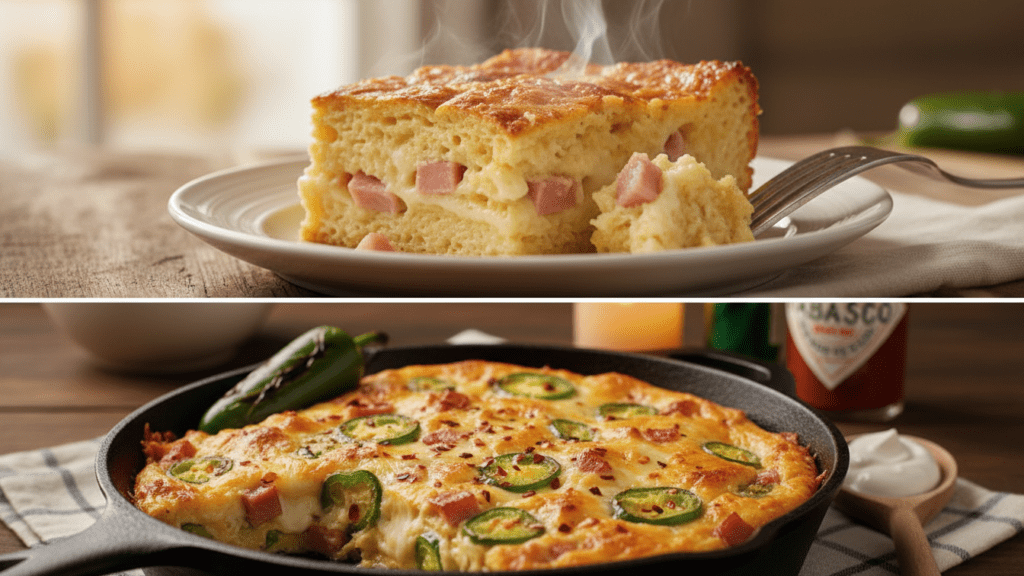
- The Spicy Morning Kick: Add a tablespoon of diced jalapeños and a dash of hot sauce to the custard. Top it with pepper jack instead of Gruyère.
- The Vegetarian Swap: Replace the ham with sautéed mushrooms, spinach, and sun-dried tomatoes. It’s earthy, sophisticated, and meat-free.
- The Keto-ish Alternative: Use a low-carb bread and increase the ham and cheese ratio. FYI, it won’t be as fluffy, but it hits the spot.
FAQ: Everything You’re Dying to Know
Why is it called a strata?
“Strata” means layers! It refers to the beautiful layers of bread, meat, and cheese that create the structure of the dish.
Can I make this with regular sandwich bread?
You could, but you shouldn’t. Sandwich bread lacks the structural integrity to handle the custard. IMO, brioche or challah is mandatory.
Why is my strata soggy?
You likely didn’t dry your bread enough or you used too much milk. Make sure your bread cubes feel like croutons before you soak them.
Can I freeze it?
Yes! You can freeze the unbaked strata (well-wrapped). Thaw in the fridge for 24 hours before baking.
Do I have to use ham?
Not at all! Cooked sausage, bacon, or even smoked salmon work beautifully. Just make sure the meat is already cooked before it hits the dish.
Is a strata the same as a quiche?
Close, but no cigar. A quiche has a pastry crust; a strata uses the bread as the “crust” and the filler simultaneously.
Can I add vegetables?
Absolutely. Just sauté them first to remove excess moisture, or you’ll end up with a watery casserole.
Final Thoughts
There you have it—a ham and cheese strata recipe that will make you the king or queen of the brunch scene. Once you master the overnight soak and the golden-brown crust, you’ll realize that flipping pancakes is for people who don’t know the secret to morning peace.
Go ahead, pour yourself a mimosa and enjoy the fact that your oven did all the hard work. Just don’t be surprised when your relatives refuse to leave. Happy eating! 🙂