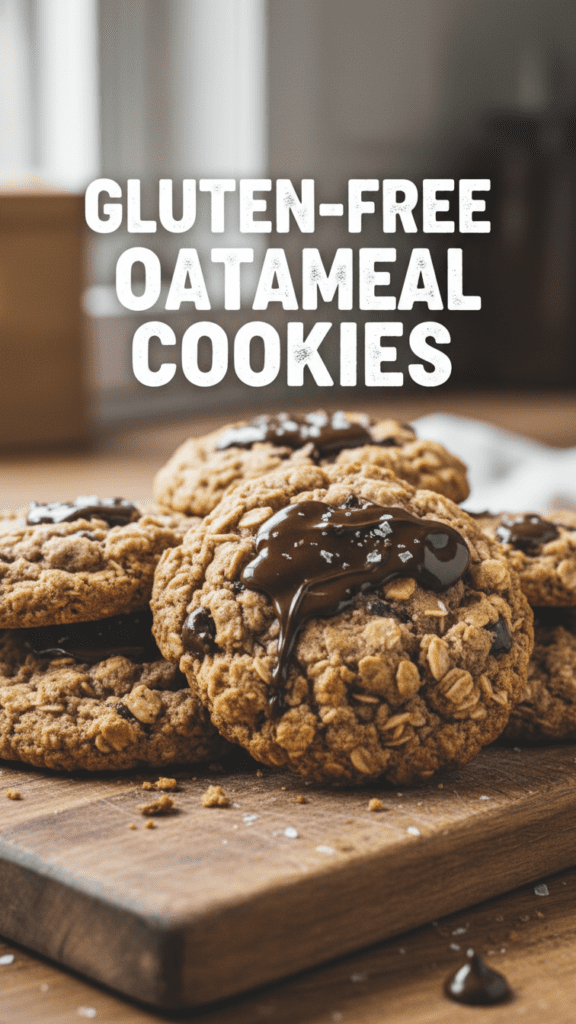
🍪 The “I Can’t Believe It’s Not Cardboard” Miracle: Mastering Ultimate Gluten-Free Oatmeal Cookies
Let’s be brutally honest: most gluten-free cookies have the structural integrity of a sandcastle in a monsoon and the flavor profile of a dusty attic. It’s a culinary tragedy! You take one bite and suddenly you’re picking grit out of your teeth for three to five business days. But then, you stumble upon a gluten-free oatmeal cookies recipe that actually works—a cookie so chewy, so buttery, and so robust that you’ll want to write a formal apology to every oat you’ve ever doubted.
I once served a batch of these to my most “wheat-loving” friend who thinks “gluten-free” is a government conspiracy. He ate six of them before I told him the truth. The look of pure betrayal on his face—followed by him reaching for a seventh cookie—was the highest form of praise I’ve ever received. Are you ready to stop settling for gritty, sad discs and start baking a legendary masterpiece?
🏆 Why This Recipe is the Actual GOAT
Why should you bother preheating the oven for gluten-free oatmeal cookies when you could just buy a pre-made bag of “health” biscuits? Because these cookies offer a depth of flavor that a factory simply cannot compute. We are talking about crispy edges, a center that stays soft for days, and a hint of cinnamon that lingers like a good gossip.
This recipe is awesome because it uses the “hydration hack” to ensure your oats fully absorb the moisture, eliminating that “dry hay” texture that usually plagues GF baking. It impresses guests because they literally cannot tell the difference between these and the traditional stuff. Plus, it’s a one-bowl wonder, meaning you spend less time washing dishes and more time questioning your self-control. It’s basically a hug in cookie form, IMO.
🧂 The “No-Grit-Allowed” Ingredient List
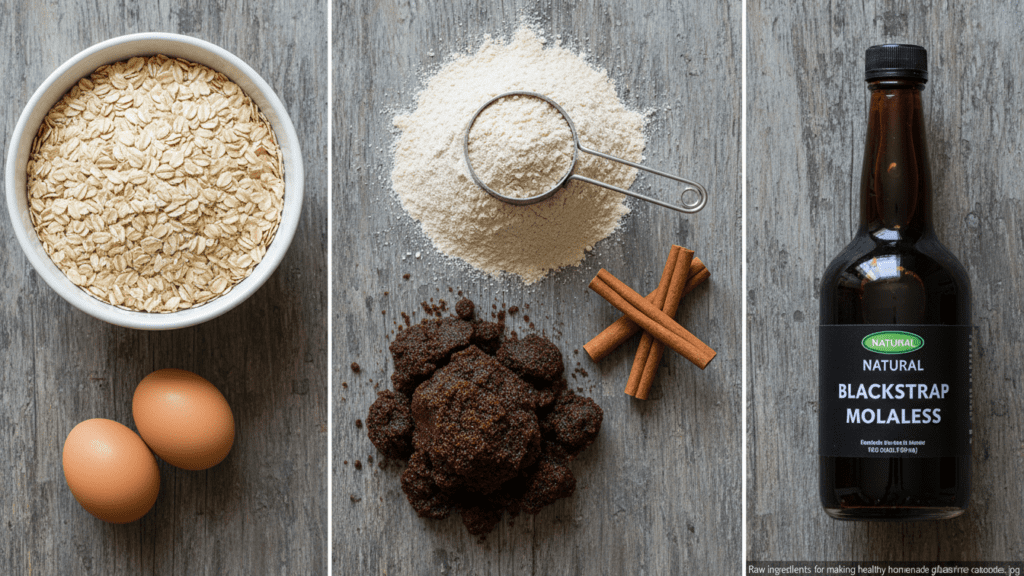
Success depends on the quality of your oats and the temperature of your fat. Don’t go cheap here, or your cookies will taste like regret and industrial filler.
- 1 ½ Cups Gluten-Free 1-to-1 Flour Blend: Look for one with Xanthan Gum included. It’s the “glue” that wheat usually provides.
- 3 Cups Gluten-Free Rolled Oats: CRUCIAL. Do not use instant oats unless you want a sad, mushy pancake.
- 1 Cup Unsalted Butter: Softened, but not oily. Think “pliable but not melted.”
- 1 Cup Light Brown Sugar: Packed tight. This is where the chewiness lives.
- ½ Cup Granulated Sugar: For those crispy, golden edges.
- 2 Large Eggs: Room temperature, please. Cold eggs are grumpy and don’t mix well.
- 1 Tablespoon Molasses: The secret weapon for that “bakery-style” depth.
- 1 Teaspoon Vanilla Extract: Measure with your heart, but use at least a teaspoon.
- 1 Teaspoon Baking Soda & 1 Teaspoon Cinnamon: The lift and the soul of the cookie.
- ½ Teaspoon Salt: To make the sugar behave.
- 1 Cup Mix-ins: Chocolate chips or raisins (if you like living on the edge).
Key Substitutions
- Butter Swap: Use refined coconut oil (solid state) or vegan butter sticks for a dairy-free miracle.
- Sugar Swap: Coconut sugar works, but your cookies will be darker and taste vaguely of caramel.
- Oat Swap: If you are sensitive to even GF oats, you can use quinoa flakes, but the texture will change significantly.
🔪 Tools & Kitchen Gadgets Used
You don’t need a professional laboratory, but a few basics will keep you from having a kitchen-induced breakdown.
- Electric Hand Mixer: Unless you want a forearm workout from the 1800s. Grab a reliable one here!
- Large Glass Mixing Bowl: For the ultimate one-bowl convenience. Check out nested sets!
- Silicone Spatula: For scraping every last drop of dough. Heat-resistant ones are mandatory!
- Standard Cookie Scoop: For uniform cookies that don’t fight each other on the tray. Get a sturdy scoop here!
- Baking Sheet & Parchment Paper: To prevent “stuck cookie syndrome.” Check out non-stick pans!
👩🍳 Step-by-Step Instructions: The Path to Chewy Glory
Follow these steps, and please, for the love of all things holy, do not skip the resting phase. Patience is your most important ingredient.
1. The Creaming Ritual
In your large bowl, beat the softened butter, brown sugar, and granulated sugar together for at least 3 minutes. You want it pale and fluffy. TBH, if your arm doesn’t get a little tired, you haven’t beaten it long enough.
2. The Liquid Love
Add the eggs, molasses, and vanilla extract. Beat again until the mixture looks smooth and glossy. If it looks curdled, keep going—it just needs a little more encouragement.
3. The Dry Drop
Sift in the gluten-free flour, baking soda, cinnamon, and salt. Mix on low speed until just combined. Over-mixing gluten-free flour won’t make it tough (no gluten, remember?), but it can make the butter too warm.
4. The Oat Fold
Stir in the rolled oats and your mix-ins (chocolate chips or raisins) with your spatula. This is the stage where you realize that a 1:1 ratio of dough to oats is a perfectly valid life choice.
5. The Zen Rest (Crucial!)
Cover the bowl and let it sit at room temperature for at least 20 minutes. FYI, gluten-free flour and oats take longer to absorb moisture. If you skip this, your cookies will be gritty and spread into one giant, flat “mega-pancake.”
6. The Scoop and Bake
Preheat your oven to 350°F (175°C). Scoop rounded tablespoons of dough onto your parchment-lined sheet. Bake for 10–12 minutes. They should look slightly underdone in the middle—this is the secret to a soft cookie!
7. The Final Chill
Let them sit on the hot pan for 5 minutes before moving them to a rack. They need this time to “set” their structure. If you touch them too soon, they will crumble into delicious dust.
📊 Calories & Nutritional Info (The Health Flex)
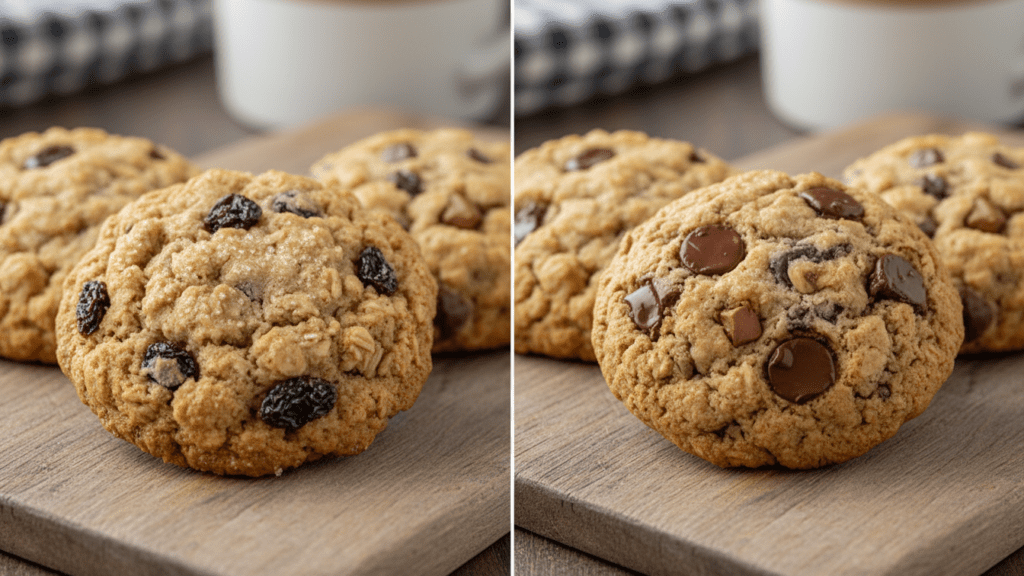
Since these are packed with fiber, we can technically classify them as a superfood. Right?
- Calories per serving (1 cookie): $\approx$ 160–180 kcal.
- Fiber: High levels thanks to the whole grain oats.
- Iron: A solid boost from the molasses and oats.
- Healthy Fats: If using coconut oil or grass-fed butter.
- Mood: Scientifically proven to improve by 1,000% after the first bite.
🚨 Common Mistakes to Avoid (The Cookie Crimes)
Avoid these if you want people to actually keep talking to you at the party.
- Using Instant Oats: They turn to mush. Your cookies will have the texture of wet cardboard. Use old-fashioned rolled oats!
- Skipping the Rest Time: I’ll say it again. LET IT SIT. Gritty cookies are a choice, and a bad one.
- Using Cold Butter: If you don’t soften the butter, it won’t aerate with the sugar. Room temp is king.
- Overbaking: If they look “done” in the oven, they are overcooked. Pull them out when the edges are just gold. 🙂
✨ Variations & Customizations
Make it yours, you kitchen rebel.
1. The Keto-Friendly Swap
Replace the oats with unsweetened coconut flakes and chopped pecans. Use monk fruit sweetener instead of sugar. It’s a low-carb “oatless” cookie that still hits the spot.
2. The “Fire-Breather” Version
Add ½ teaspoon of ground ginger and a pinch of cayenne pepper to the cinnamon. It’s a warming kick that balances the sweet molasses beautifully.
3. The Trail Mix Twist (Vegetarian Swap)
Add pumpkin seeds, dried cranberries, and dark chocolate chunks. It’s basically a granola bar disguised as a dessert, making it legally acceptable to eat for breakfast.
❓ FAQ Section: Your Oatmeal Cookie Queries Solved
Why are my gluten-free oatmeal cookies flat?
Usually, this is because your butter was too warm or you skipped the 20-minute rest. Cold dough and hydrated oats stay thick!
Can I make these without an electric mixer?
You can, but you’ll need a strong arm and a lot of determination to get that butter and sugar fluffy enough. Good luck!
How do I store gluten-free cookies?
Keep them in an airtight container at room temperature for up to 5 days. They actually get even chewier on day two!
Can I freeze the dough?
Yes! Scoop the dough into balls, freeze them on a tray, and then toss them in a bag. Bake directly from frozen—just add 2 minutes to the timer.
Are all oats gluten-free?
No. While oats are naturally GF, they are often processed in facilities with wheat. Always look for the “Certified Gluten-Free” label to be safe.
Is molasses mandatory?
IMO, yes. It provides the moisture and the “chew” that gluten-free cookies desperately need. If you must skip it, use dark brown sugar instead.
Can I use a different flour?
Stick to a 1-to-1 baking blend. If you use just almond flour or just coconut flour, the ratios will be completely off and you’ll end up with a mess.
🥂 Final Thoughts: Go Forth and Bake!
You’ve done it. You’ve successfully navigated the world of gluten-free baking without having a public breakdown. You are now a titan of the cookie sheet and a hero of the healthy-ish dessert. Go ahead, have that fourth cookie—it’s mostly oats, after all. Just don’t tell me if you used a microwave to melt the butter; I have a reputation to maintain. 🙂