Dim Sum Cart DIY: How to Host the Ultimate Steamy, Chaotic Brunch Party
The best part about going out for dim sum is the chaotic joy of it all: the sheer volume of choices, the aggressive cart ladies, the mystery of the tiny steamer baskets. The worst part? Having to put on pants and leave the house. Well, what if I told you that you can capture the delicious, steamy fun right at home with your own Dim sum cart?
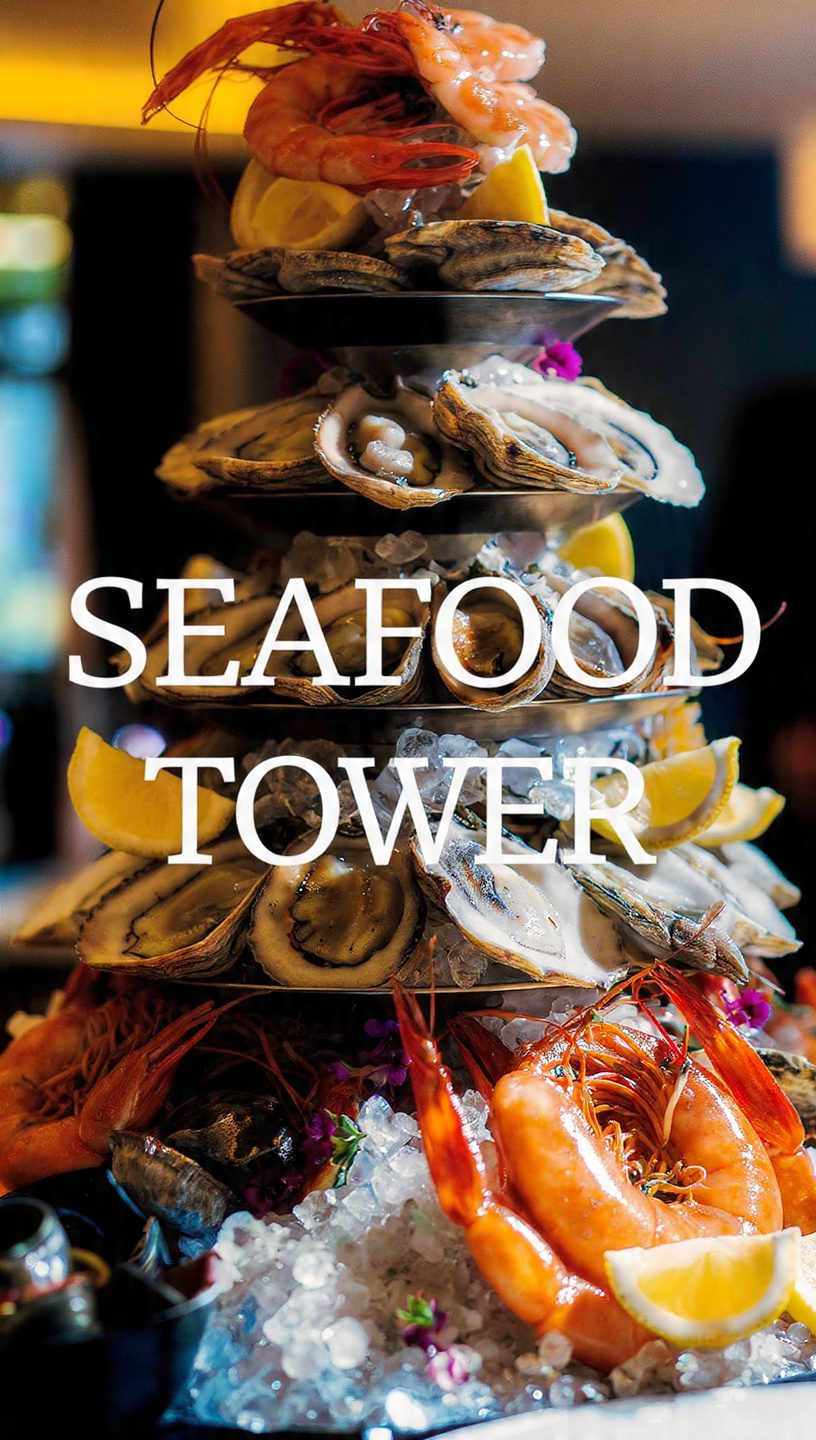
This isn’t about making fifty different dumplings from scratch (unless you’re feeling ambitious/insane). It’s about assembling the best selection of high-quality frozen and pre-made goodies, then heating and serving them the correct way—straight from the steamer to the plate. It’s the ultimate interactive brunch experience. Get ready to turn your dining room into a high-octane Hong Kong tea house.
Why This Recipe Is Awesome (Interactive, Easy, and Abundant)
A DIY Dim Sum Cart is less a recipe and more a masterful act of culinary coordination. Here’s why you need to host this immediately.
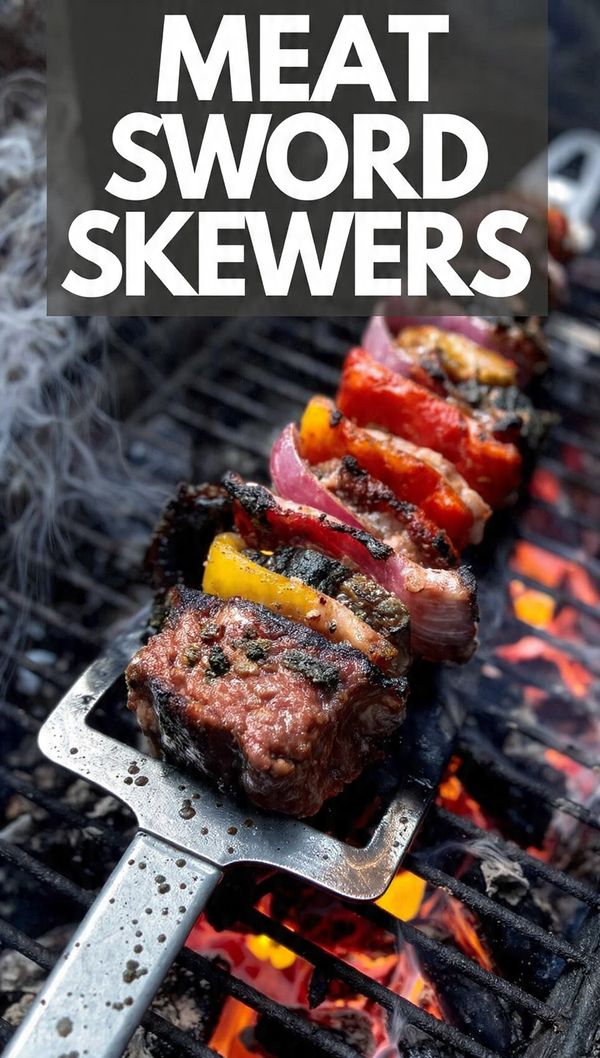
First, the Interactive Fun. Guests get to pick and choose exactly what they want from the “cart” (which can be a tiered serving tray or even a bar cart). You get to explain what each mystery dumpling is, and everyone gets to try a little bit of everything. Why serve a single dish when you can serve an abundant tasting menu?
Second, Ease of Execution. We are leaning heavily on the amazing frozen dumplings and buns available at Asian grocery stores. Your main job is mastering the steaming time and arranging the sauces. You spend almost zero time cooking and maximum time showing off your beautiful bamboo baskets. IMO, effortless entertaining is the only kind of entertaining.
Third, Ultimate Flavor Variety. Dim sum should hit every note: salty, sweet, savory, and spicy. By curating 5-7 different items (from shrimp dumplings to pork buns to sticky rice), you guarantee a balanced, satisfying meal. TBH, who doesn’t love small bites?
The Goods: Ingredients You Need
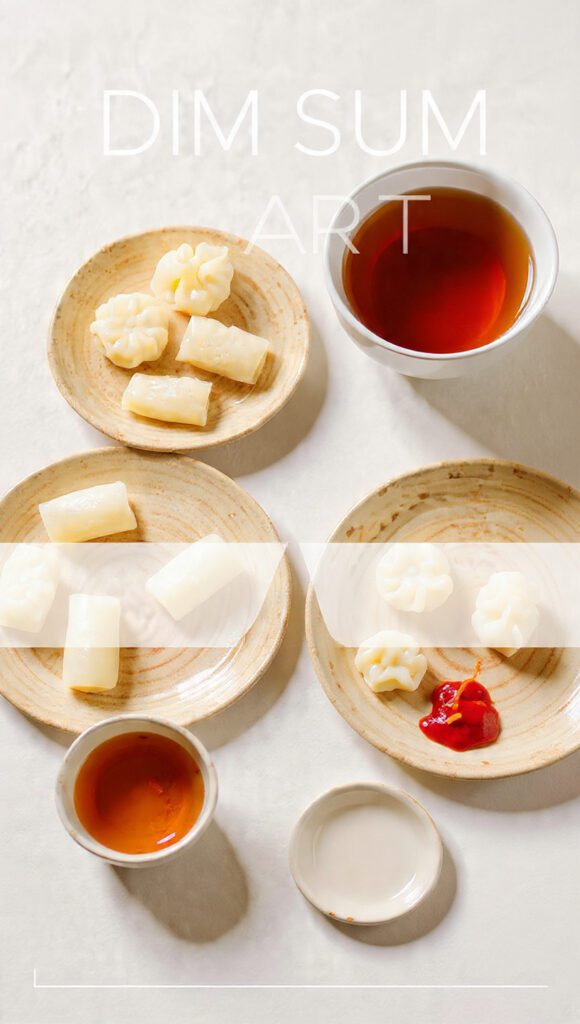
Focus on buying a variety of items that cook in roughly the same amount of time (steaming is easiest) and offer different proteins and textures.
- The Steamed Classics:
- 1 package Frozen Shrimp Dumplings (Har Gow): The translucent wrapper is a must.
- 1 package Frozen Pork & Shrimp Siu Mai (Shu Mai): The classic open-faced dumpling.
- 1 package Frozen Char Siu Bao (Pork Buns): Soft, fluffy, and savory-sweet.
- 1 package Frozen Sticky Rice in Lotus Leaf (Lo Mai Gai): A hearty, savory option.
- 1 package Frozen Vegetable Dumplings or Crystal Dumplings (for vegetarian option).
- The Fried & Fun:
- 1 package Frozen Spring Rolls or Sesame Balls.
- The Sauces & Condiments (The Necessary Kicks):
- Soy Sauce: Low sodium.
- Chili Garlic Sauce (or homemade chili oil).
- Red Vinegar (often served with ginger slivers for dumplings).
- Sriracha (for the modern spice fiend).
- The Tea:
- Jasmine or Pu-erh Tea: Essential for cleansing the palate and tradition.
H3 Key Substitutions (When the Freezer is Empty)
- No Pork Buns? Substitute with Mantou (plain steamed buns) and serve them with a side of sweetened condensed milk or savory braised pork filling.
- Dumpling Shortage? Use frozen potstickers but steam them instead of pan-frying.
- Vegetarian Swap: Load up on vegetable dumplings, steamed tofu pockets, and edamame. Ensure all sauces are fish-sauce free.
Tools & Kitchen Gadgets Used (The Steamer Setup)
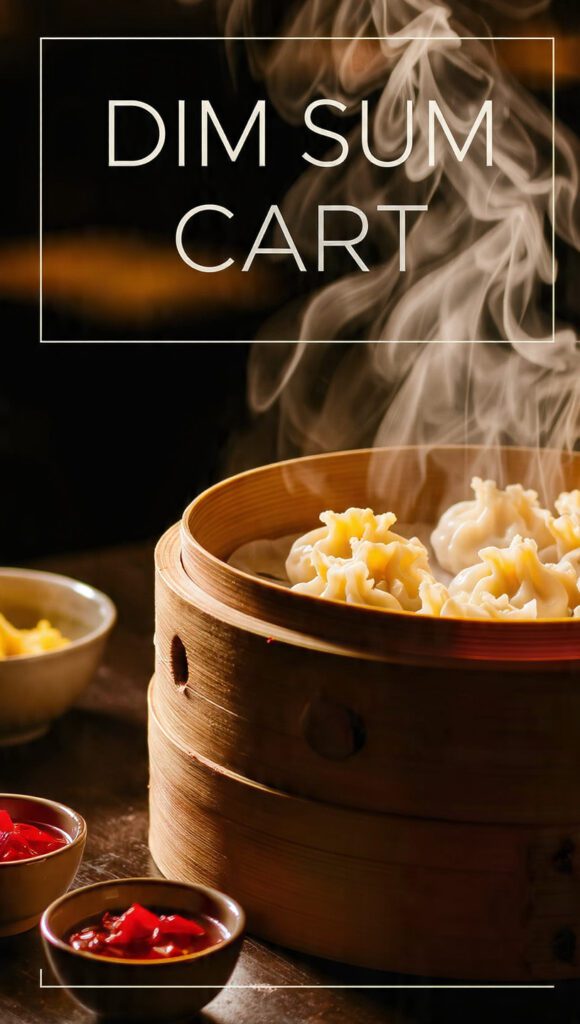
The single most important tool is the steamer basket. It gives you the authentic look and perfectly soft, moist texture.
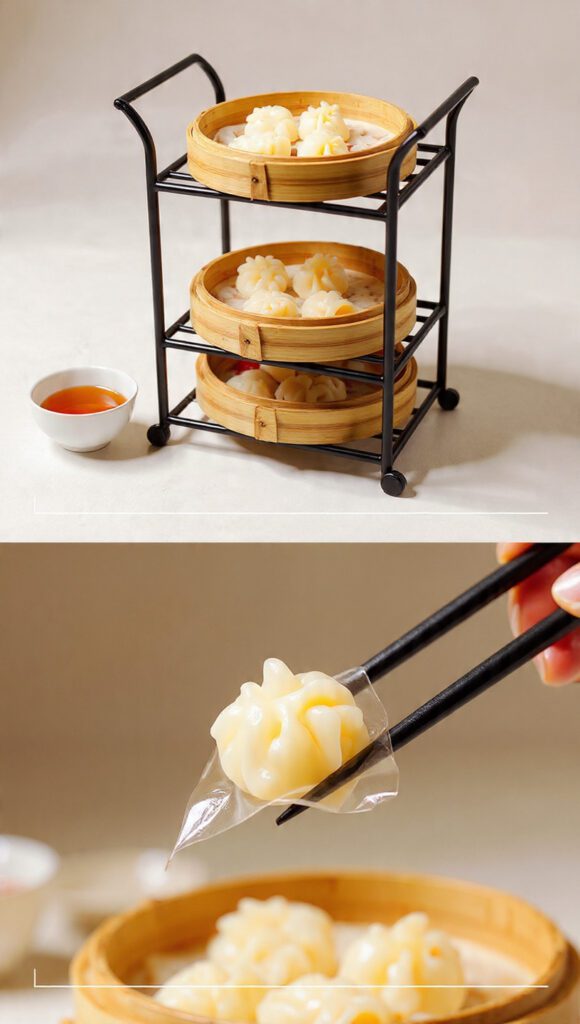
- Tiered Bamboo Steamer Baskets: Essential! You need at least 2-3 tiers to heat several types of dim sum at once.
- Wok or Large Pot: For boiling the water that the bamboo steamer rests on.
- Small Utensils/Tongs: For lifting the delicate dumplings out of the baskets.
- Small Ramekins or Sauce Dishes: For serving all the necessary dipping sauces.
- Insulated Hot Water Kettle: For quick tea refills.
- Chopsticks (Mandatory): And maybe some training chopsticks for your less-coordinated friends.
- Serving Cart or Tiered Tray: This is your actual “cart” for rolling out the meal!
Step-by-Step Instructions (Steaming to Perfection)
The entire process hinges on heating everything evenly and efficiently. Group items by similar cooking times.
H3 Step 1: Prep the Sauces and Cart
- Arrange your sauces (soy, chili, vinegar) into small ramekins and place them on your serving cart or table. Slice some ginger into slivers and place it next to the red vinegar.
- Brew your tea and keep the pot warm.
- Place your frozen items onto parchment liners inside the bamboo baskets. Separate different items by basket or tier.
H3 Step 2: Master the Steaming Technique
- Fill your wok or large pot with water (about 2 inches deep). Bring the water to a rolling boil.
- Carefully place your tiered steamer baskets (with the dim sum inside) over the boiling water, ensuring the water does not touch the bottom basket.
- Steam the items for 8–15 minutes. Buns (bao) usually take the longest (12-15 minutes), while thinner-skinned dumplings (har gow) take less time (8-10 minutes). Start steaming the long-cook items first.
H3 Step 3: Serve the Cart (Chaos Management)
- Once the first batch (har gow, siu mai) is ready, use the tongs to quickly transfer the small servings (4 per dish is standard) directly from the bamboo basket to small plates or bowls.
- Roll the “cart” out to your guests, or simply bring the bamboo baskets directly to the table for that authentic, steamy presentation.
- Start the next batch of steaming items (like the sticky rice or buns) immediately. Dim sum is meant to be served hot and in rounds.
H3 Step 4: Keep the Flow Going
- Keep the tea and sauces flowing. Remind guests to dip sparingly—you don’t want to drown the delicate dumplings.
- For any fried items (like spring rolls), quickly bake them in the oven or air fryer just before the final round of steaming is done. The fried texture is a necessary contrast!
Calories & Nutritional Info (The Grazing Game)
Dim sum is a collection of small bites, making total calorie count highly variable. This is an estimate per serving dish (4 dumplings or 1 bun).
- Estimated Calories Per Dish (4 dumplings): ~150–250 calories. (The fried items will be higher).
- Good Source of Lean Protein: Shrimp (Har Gow) and lean pork provide excellent protein.
- Higher Carb Content: Mostly from the wrappers (flour, rice flour) and buns.
- Beware of Sodium: Sauces like soy sauce and oyster sauce contribute significant sodium. Use low-sodium soy sauce.
- Fat Content: The pork and fried items increase the fat.
Common Mistakes to Avoid (Dim Sum Disasters)
Steaming seems easy, but a few small errors can ruin your delicate wrappers.
- Not Lining the Basket: Never put dumplings directly onto the bamboo bottom! They will stick horribly and tear when lifted. Always use parchment liners or cabbage leaves.
- Over-Steaming: This is the quickest way to ruin the delicate texture of har gow. Over-steamed dumplings become mushy and tough. Stick to the 8-10 minute window for thin wrappers.
- Ignoring the Tea: Dim sum literally means “touch the heart” and is traditionally a tea service. You need a pot of hot, fresh tea to cut the richness of the dumplings and aid digestion.
- No Sauce Variety: Soy sauce alone is boring. Provide a chili oil, a savory sauce, and an acidic vinegar so guests can customize their dipping experience.
Variations & Customizations (Themed Carts)
Take your cart beyond the Cantonese classics and try regional variations.
- Spicy Sichuan Cart: Feature dumplings tossed in chili oil and Szechuan peppercorn sauce after steaming. Include a spicy version of steamed pork belly (instead of char siu bao).
- Sweet Dessert Cart: Swap savory items for sweet ones! Include Sesame balls (Jian Dui), small pieces of mango pudding, egg tarts, and tiny coconut tapioca desserts. Serve with a dessert wine.
- Vegan Tofu & Vegetable Cart: Focus on plant-based items. Serve steamed mushroom buns, crystal vegetable dumplings, spring rolls, steamed tofu with ginger-scallion sauce, and edamame.
FAQ Section (The Steamy Questions)
Making dim sum at home brings up common questions about technique and sourcing.
- Q: Where should I buy frozen dim sum?
- A: Large Asian grocery stores (especially Chinese supermarkets) have the best quality and widest selection of frozen dim sum (Har Gow, Siu Mai, etc.).
- Q: Can I use a metal steamer instead of bamboo?
- A: Yes, but bamboo is preferred. Metal steamers can cause condensation to drip onto the dumplings, making them watery. Bamboo absorbs moisture better.
- Q: How do I prevent the dumplings from sticking to the liner?
- A: Use parchment paper liners or place a thin slice of carrot or cabbage leaf under each dumpling.
- Q: Can I make dim sum items ahead of time?
- A: Yes! Dim sum is designed to be made ahead and frozen. Your job is the easy part: steaming them from frozen.
- Q: How long can the dumplings sit out?
- A: Since they are hot and moist, they are best eaten immediately. Do not let them sit out for more than 1 hour before serving the next hot batch.
- Q: Should the water be boiling or simmering?
- A: The water should be at a rolling boil to create enough steam pressure to cook the dumplings quickly and evenly.
- Q: What is the perfect tea to serve?
- A: Pu-erh (dark, earthy) or Jasmine (lightly floral) are the most traditional choices. They cut the richness of the pork and shrimp well.
Final Thoughts (The Steamy Success)
You brought the chaotic, comforting joy of a high-end Chinese tea house right into your home. You conquered the steamer, mastered the sauces, and hosted an epic Dim sum cart brunch. That is a major win.
Go ahead, try one more Siu Mai before you put the leftovers away. Did you realize homemade dim sum could be this easy and fun? I bet you’ll never wait three weeks for a reservation again. Now, which steamer basket are you buying next?