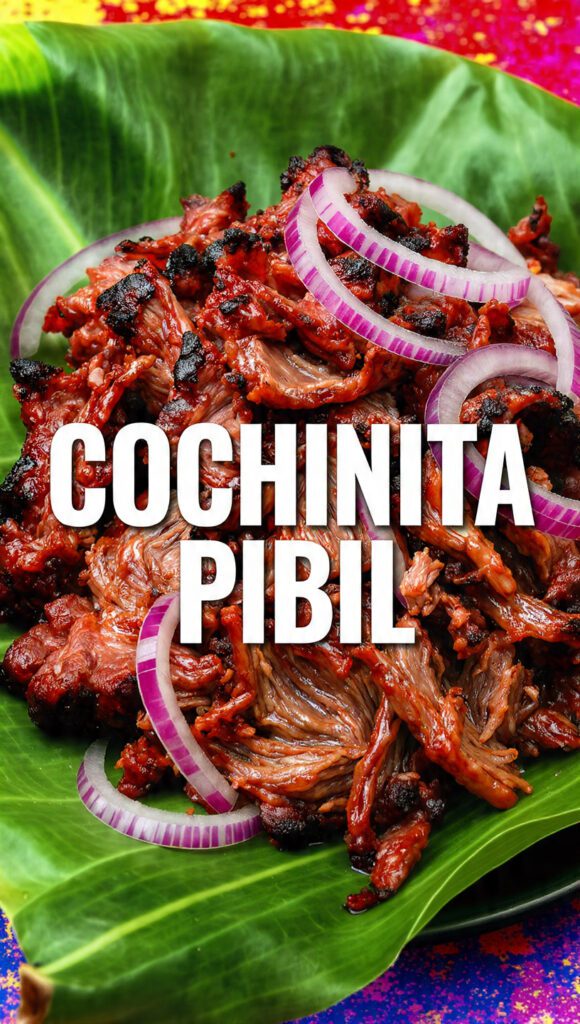
The Ultimate Authentic Cochinita Pibil Recipe: Your Ticket to Yucatán Bliss
We have all been there. You are scrolling through a travel blog, staring at a picture of bright orange, slow-roasted pork wrapped in a banana leaf, and suddenly your sad ham sandwich looks like a personal failure. You think to yourself, “I could never make cochinita pibil at home; I don’t even own a backyard fire pit.” Well, great news: unless you are planning to dig a hole in your landlord’s lawn, you can actually make this legendary Mayan dish in your very own kitchen.
I first encountered real pibil in a tiny roadside shack in Mexico where the chef looked at me with pure pity when I asked if it was spicy. It wasn’t spicy; it was a complex, earthy, citrusy explosion that made my taste buds throw a party. After years of trying to replicate that magic without accidentally burning down my apartment, I have finally perfected the “indoor” version. Do you want to be the person who serves the best tacos your friends have ever tasted? Or do you want to keep living a life of mediocre pulled pork?
Why This Cochinita Pibil Recipe Is the Absolute GOAT
Why should you bother tracking down achiote paste and banana leaves? Because this recipe produces a flavor profile that is completely unique in the BBQ world. We aren’t talking about sweet Kansas City ribs or tangy Carolina vinegar; we are talking about a deep, floral, citrus-soaked masterpiece that melts in your mouth.
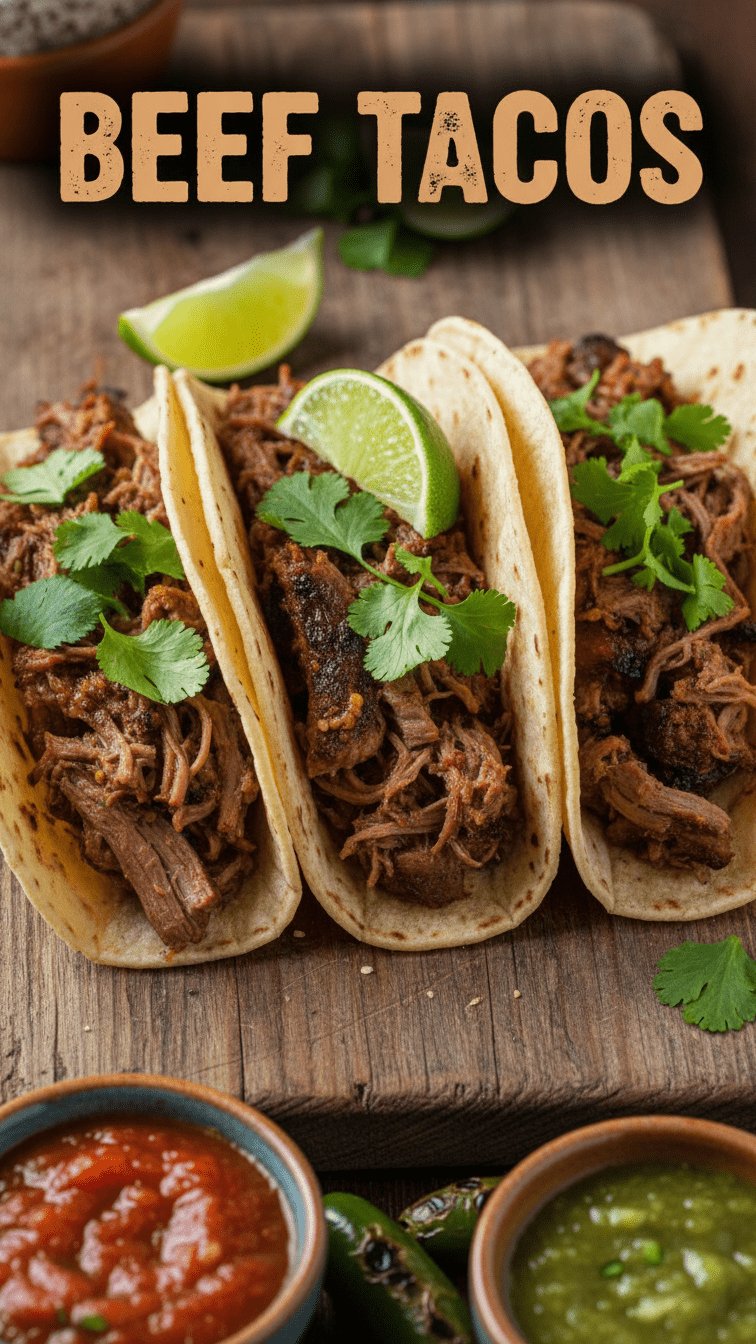
Beyond the ego boost of mastering a regional Mexican classic, this dish is incredibly low-maintenance once it hits the oven. It is the ultimate “set it and forget it” meal that yields enough leftovers to make you look like a meal-prep genius for the rest of the week. Plus, the vibrant red color from the annatto seeds makes your dinner table look like an Instagram filter come to life. Ready to ruin every other pork recipe for yourself forever?
The Goods: What You Need
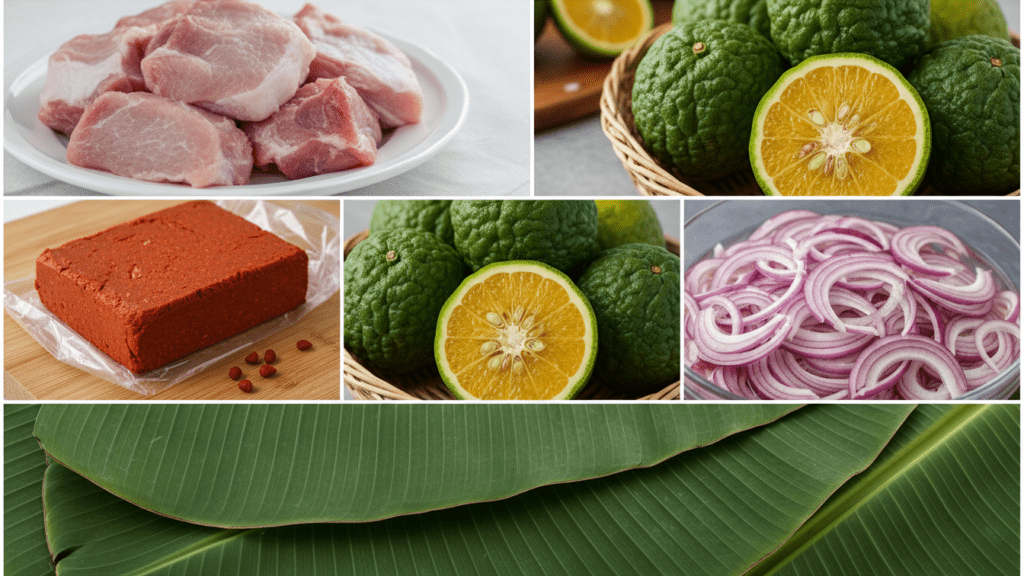
Don’t let the exotic names scare you. Most of these are a quick Amazon order or a trip to your local Mexican market away. If you try to use orange juice from a carton, we might have words.
- 3-4 lbs Pork Shoulder (Butt): Cut this into large chunks so the marinade can penetrate every fiber.
- 3.5 oz Achiote Paste (Annatto): This is the soul of the dish. It provides that iconic brick-red color and earthy flavor.
- 1 cup Bitter Orange Juice: If you can’t find Seville oranges, mix 1/2 cup sweet orange juice with 1/4 cup lime juice and 1/4 cup grapefruit juice.
- 1 tsp Ground Cumin: For that warm, smoky undertone.
- 1 tsp Dried Oregano: Preferably Mexican oregano if you can find it.
- 1/2 tsp Ground Cinnamon: Just a hint to add a “what is that amazing flavor?” mystery.
- 1 tsp Salt and 1 tsp Black Pepper: To bring the party together.
- Banana Leaves: These are essential for steaming the meat and adding a subtle, tea-like aroma.
- Red Onions and Habaneros: For the mandatory pickled onion garnish.
- White Vinegar: For the pickling liquid.
The Arsenal: Tools & Kitchen Gadgets
You don’t need a Mayan fire pit, but a few specific tools make this process a lot less messy. If your current roasting pan is a flimsy aluminum tray from the dollar store, it is time for an upgrade.
- Heavy-Duty Dutch Oven: This holds heat perfectly and keeps all those precious juices from evaporating.
- High-Speed Blender: To turn the achiote and juice into a perfectly smooth marinade.
- Kitchen Twine: To tie your banana leaf “presents” together (though folding them under works too).
- Disposable Gloves: Annatto seeds will dye your hands orange for three days. TBH, you don’t want to look like you’ve been eating Cheetos in a dark room.
- Mandoline Slicer: For getting those red onions paper-thin for the pickling stage.
Step-by-Step Instructions: The Mayan Masterclass
Step 1: The Marinade Magic
Combine the achiote paste, bitter orange juice (or your DIY blend), cumin, oregano, cinnamon, salt, and pepper in your blender. Blitz it on high until it is a smooth, vibrant red liquid. Bold move: taste a tiny drop. It should be incredibly tangy and salty—remember, it has to season four pounds of meat!
Step 2: The Pork Bath
Place your pork chunks in a large bowl and pour the marinade over them. Wear your gloves! Massage the marinade into the meat like you’re giving it a luxury spa treatment. Cover and let it sit in the fridge for at least 4 hours, but overnight is where the real magic happens.
Step 3: Prepping the Leaves
If you bought frozen banana leaves, thaw them first. Run them quickly over a low stove flame for a few seconds until they turn shiny and pliable. They will “snap” if they are cold, and we want them to bend like silk. Line your Dutch oven with the leaves, overlapping them so no pork can escape.
Step 4: The Package Deal
Nestle your marinated pork into the leaf-lined pot. Pour any remaining marinade over the top. Fold the leaves over the meat to create a sealed package. Cover the pot with its heavy lid. IMO, the tighter the seal, the better the pork.
Step 5: The Low and Slow
Slide that pot into a 325°F oven. Now, go do something else for 3.5 to 4 hours. Take a nap, watch a movie, or research why you didn’t make this sooner. You will know it is ready when the pork falls apart just by you looking at it sternly.
Step 6: The Shred and Serve
Shred the meat directly in its juices using two forks. Discard any large chunks of fat. Serve the cochinita pibil on warm corn tortillas, topped generously with your pickled red onions and a splash of habanero salsa if you’re brave enough.
Calories & Nutritional Info
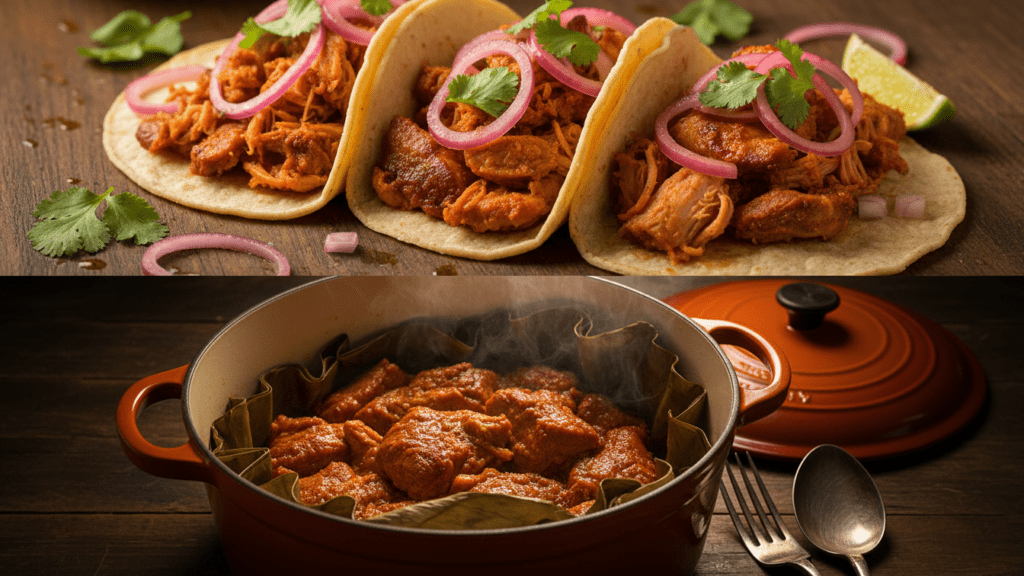
Since we are using pork shoulder, this is a hearty, high-protein meal. Just tell yourself the orange juice adds vitamins.
- Calories: ~340 kcal per serving (approx. 2 tacos).
- Protein: 28g (Pure muscle-building magic).
- Total Fat: 22g (It is pork shoulder; the fat is where the flavor lives!).
- Carbohydrates: 8g (Mostly from the achiote and citrus).
- Vitamin C: A solid boost from all that lime and orange juice.
Common Mistakes to Avoid (The Cheeky Guide)
- Using Regular Orange Juice: Sweet OJ alone will make your pork taste like a weird breakfast cereal. Always use the bitter orange blend.
- Skipping the Banana Leaves: If you just use foil, you lose that earthy, grassy aroma that defines the dish. Buy the leaves!
- Peeking Too Often: Every time you open the oven or the lid, you lose steam. Trust the process.
- Not Pickling the Onions: Cochinita is very rich. Without the acid of the pickled onions, it is just “heavy meat.” The onions are the hero of the story.
Variations & Customizations
Feeling adventurous? Try these three spins:
- The “I Can’t Find Pork” Swap: Use chicken thighs. They cook faster (about 1.5 hours) and soak up the achiote flavor beautifully.
- The Spicy Inferno: Throw two whole habaneros into the Dutch oven (inside the leaves) to roast with the meat. It infuses the whole batch with a slow, creeping heat.
- The Vegetarian Pivot: Use large chunks of jackfruit or thick slices of roasted cauliflower. The texture is surprisingly similar, and the marinade does all the heavy lifting.
FAQ: Everything You’re Dying to Know
What does Cochinita Pibil taste like?
It is a mix of earthy, citrusy, and savory. The achiote isn’t “hot” spicy; it is warm and aromatic. The sour orange provides a sharp tang that cuts through the rich pork.
Can I make this in a Slow Cooker or Instant Pot?
Absolutely. In a slow cooker, go 8 hours on low. In an Instant Pot, go for 60 minutes on high pressure. FYI, you should still use the banana leaves inside the pot!
What is Achiote?
Achiote is a paste made from annatto seeds, spices, and vinegar. It is the primary coloring and flavoring agent in Yucatecan cuisine.
Is it spicy?
The meat itself is mild. The heat traditionally comes from the pickled onions and habanero salsa served on the side. You control the fire!
Where do I buy banana leaves?
Check the freezer section of any Hispanic or Asian grocery store. They are usually sold in large, flat packs.
Can I use pork tenderloin?
Please don’t. Tenderloin is too lean and will turn into dry strings. Stick to pork shoulder or butt.
Why is it called “Pibil”?
“Pib” is the Mayan word for an underground oven. “Pibil” means “food cooked in a pib.” Our Dutch oven is just a modern, less-sandy version.
Final Thoughts
There you have it—a cochinita pibil recipe that will make you the undisputed monarch of the kitchen. Once you pull those charred banana leaves back and see that glistening, deep-red pork, you will realize that store-bought carnitas never stood a chance.
Go ahead, invite your friends over and act like this was incredibly difficult to make. I won’t tell them it mostly involved you sitting on the couch while the oven did the work. Just make sure you have plenty of cold beer and extra napkins. Happy eating! 🙂