The Ultimate Authentic Champurrado Recipe: Better Than a Mexican Grandma’s?
We have all been there. You are standing in line at a cold morning street market, shivering in your boots, when the glorious scent of cinnamon and toasted corn hits your nose. You pay three dollars for a steaming foam cup of champurrado, take one sip of that thick, chocolatey velvet, and suddenly the world isn’t such a cold, dark place anymore. But then you go home, try to recreate it with a packet of instant cocoa, and end up with a watery disappointment that tastes like chocolate-flavored sadness. Why do we do this to ourselves?
I first attempted this recipe after a particularly freezing winter trip to Oaxaca, convinced I was a master of Mexican mixology. I didn’t have masa harina, so I tried to thicken it with cornstarch. Spoiler alert: I created chocolate Jell-O. It was a dark day for my kitchen and my dignity. But after years of “research” (mostly just drinking a lot of chocolate), I have finally perfected the golden ratio of corn to cacao. Are you ready to stop settling for thin hot chocolate and start drinking a meal that doubles as a hug?
Why This Champurrado Recipe Is the Absolute GOAT
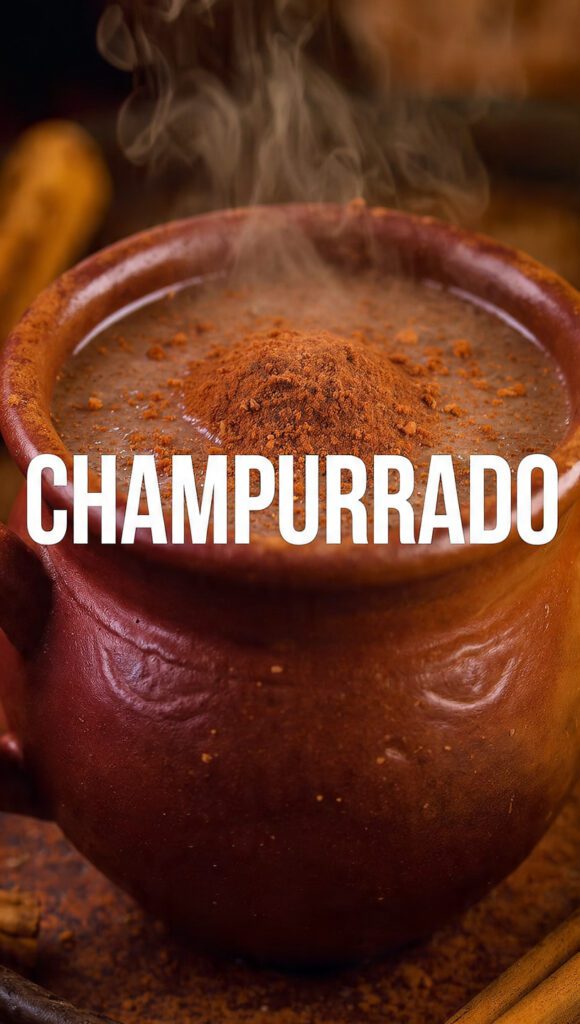
Why should you bother whisking a pot for twenty minutes when you could just use the microwave? Because this recipe produces a texture so thick it practically holds up a spoon. Authentic champurrado is the undisputed heavyweight champion of winter drinks. It isn’t just “hot chocolate”; it’s an ancient Aztec energy drink that has been perfected over centuries to satisfy your soul and your stomach simultaneously.
Beyond the ego boost of mastering a cultural classic, the flavor profile is a total flex. We are talking about the deep, grainy earthiness of toasted corn paired with the smoky sweetness of piloncillo and the spicy kick of real Mexican chocolate. It is naturally vegetarian, impressively hearty for guests, and makes your house smell like a boutique bakery in Guadalajara. Plus, once you taste the difference between “masa-thickened” and “store-bought,” you’ll realize that texture is the best ingredient. Ready to reclaim your winter glory?
The Goods: What You Actually Need
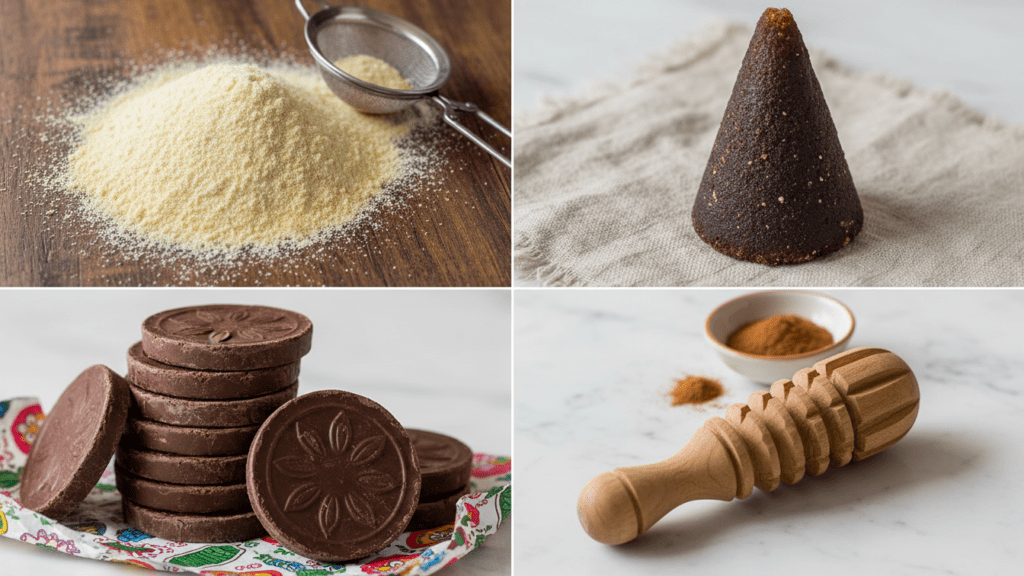
Don’t let the traditional names scare you off. Most of this is a quick grocery trip away, and the substitutions are pretty friendly if you’re in a pinch.
- 1/2 cup Masa Harina: This is the corn flour used for tortillas. Do NOT use cornmeal unless you want to drink chocolate sand.
- 2 cups Warm Water: To turn that flour into a smooth slurry.
- 3 cups Whole Milk: You can use water if you want to be “authentic,” but milk makes it decadent.
- 2 tablets Mexican Chocolate: Look for brands like Abuelita or Ibarra. They have that essential cinnamon-sugar grit.
- 1 cone Piloncillo: This is unrefined cane sugar. If you can’t find it, 1/2 cup of dark brown sugar is a solid Plan B.
- 1 Stick of Ceylon Cinnamon: The “real” cinnamon that breaks easily.
- 1 tsp Vanilla Extract: Because we aren’t savages.
- Pinch of Salt: To make the chocolate flavors actually stand up and be counted.
The Arsenal: Tools & Kitchen Gadgets
You don’t need a professional laboratory, but a few specific tools make the difference between a smooth elixir and a lumpy mess. Grab these on Amazon if your current whisk is looking a bit pathetic.
- Molinillo or Large Stainless Steel Whisk: The molinillo is the traditional wooden tool used to create that iconic froth.
- Large Heavy-Bottomed Pot: To prevent the milk and corn from scorching on the bottom.
- Fine Mesh Strainer: Just in case you didn’t whisk hard enough—no one likes masa clumps.
- Digital Kitchen Scale: Because “eyeballing” masa is a dangerous game for your consistency.
- Heat-Proof Ladle: For serving this liquid gold without burning your fingers.
Step-by-Step Instructions: The Path to Chocolate Glory
Step 1: The Cinnamon Infusion
Start by placing your water, the cinnamon stick, and the piloncillo cone into your large pot. Bring it to a simmer over medium heat. Bold move: resist the urge to poke the piloncillo. It will melt on its own, creating a dark, molasses-scented tea. Once the sugar is dissolved and the water is dark brown, you’re ready for the next level.
Step 2: The Masa Slurry
While the cinnamon is doing its thing, whisk your masa harina into the warm water in a separate bowl. You want a liquid that looks like thick milk with zero lumps. IMO, using a blender for this step is a total pro-tip. If you see a lump, kill it.
Step 3: The Big Pour
Slowly pour the masa slurry into the cinnamon water while whisking constantly. Turn the heat down to medium-low. You’ll notice the mixture starts to thicken almost immediately. This is the “magic” phase where your water turns into a base that can actually hold its own in a fight.
Step 4: The Chocolate Convergence
Add your tablets of Mexican chocolate and the milk to the pot. Keep whisking! The chocolate tablets take a minute to break down. You want to see those little specks of cinnamon and sugar from the chocolate floating in a sea of creamy brown goodness. TBH, the smell at this stage should be illegal.
Step 5: The Molinillo Dance
This is where you earn your chef stripes. Use your molinillo or whisk to stir the mixture for about 10-15 minutes. You need to simmer it long enough to cook the “raw” taste out of the masa. You’re looking for a glossy, thick consistency that coats the back of a spoon. If it gets too thick, add a splash more milk.
Step 6: The Final Froth
Just before serving, place your molinillo between your palms and spin it rapidly to create a beautiful foam on top. Stir in the vanilla and salt at the very last second. Pour into mugs and serve with a side of pan dulce. Congratulations, you are now a champion of winter.
Calories & Nutritional Info
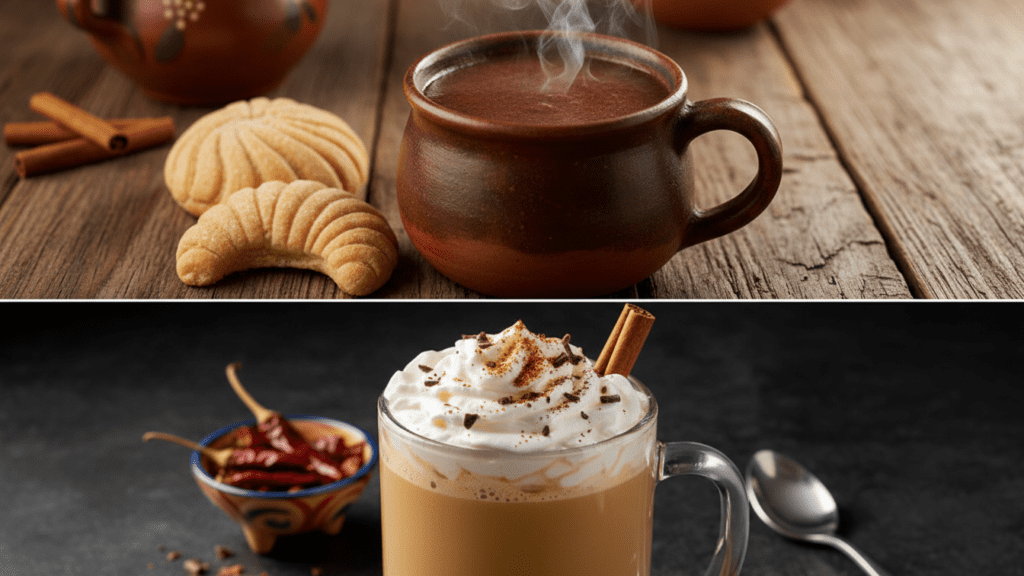
I’m going to be honest with you: this is a drinkable meal. It’s for the soul, not the calorie-counting app.
- Calories: ~320 kcal per serving.
- Protein: 8g (Thank the milk and corn!).
- Total Fat: 12g (Mostly the “happy” cocoa butter kind).
- Carbohydrates: 45g (Fiber from the corn, sugar from the piloncillo).
- Vitamins: You get a decent hit of calcium and iron.
Common Mistakes to Avoid (The Cheeky Guide)
- Walking Away: Masa is clingy. If you stop whisking, it will stick to the bottom of the pot and burn, ruining the whole batch. Stay with the pot!
- The Cold Masa Sin: Adding dry masa harina directly to hot liquid. You will get “masa dumplings,” and not the good kind. Always make a slurry first.
- Boiling Too Hard: If you boil the milk violently, it will curdle or skin over. Keep it at a gentle simmer.
- Using “Taco” Masa: Make sure your masa harina isn’t seasoned with salt or lime for savory dishes. Look for the plain stuff.
Variations & Customizations
Feeling a little adventurous with your chocolate? Try these three spins:
- The Spicy Aztec: Add a tiny pinch of cayenne pepper and a star anise pod to the infusion stage. It adds a sophisticated heat that’ll keep your guests guessing.
- The Nutty Mexican: Blend 1/4 cup of toasted almonds or peanuts into your masa slurry. It turns the drink into a rich, nutty masterpiece.
- The Keto-ish Alternative: Use heavy cream and almond milk, and thicken with a tiny bit of xanthan gum instead of masa. FYI, it won’t be “champurrado” technically, but it hits the spot if you’re avoiding carbs.
FAQ: Everything You’re Dying to Know
Why is my champurrado lumpy?
You probably didn’t whisk the masa slurry enough before adding it to the pot, or the heat was too high. Strain it through a fine mesh sieve to save your reputation!
Can I make this vegan?
Absolutely. Swap the whole milk for coconut milk or high-fat oat milk. Coconut milk actually pairs beautifully with the Mexican chocolate.
What is the best chocolate to use?
Abuelita is the classic “childhood” choice, but if you want something higher quality, look for Taza or artisanal Oaxacan chocolate discs.
How long does it last in the fridge?
It stays fresh for about 3 days. FYI, it will turn into a solid brick of chocolate pudding in the fridge. Just reheat it with a splash of milk to bring it back to life.
Is champurrado gluten-free?
Yes! Masa harina is made from corn, so it’s naturally gluten-free. Just check your chocolate packaging to ensure there’s no cross-contamination.
Do I have to use piloncillo?
No, but you should. Piloncillo has an earthy, smoky flavor that white sugar just can’t touch. Brown sugar is the next best thing.
Can I use a blender?
Yes! Blending the finished product for 30 seconds is a great way to get that professional froth if you don’t have a molinillo.
Final Thoughts
There you have it—a champurrado recipe that will make everyone forget you ever struggled with a microwave. It’s thick, it’s rich, and it’s the perfect way to survive any cold snap with your sanity intact.
Go ahead, pour yourself a giant mug and dive in. Just don’t blame me when your friends start showing up at your door every time the temperature drops below fifty degrees. Happy whisking! 🙂