

Homemade Natto: How to Master the Sticky, Stinky Superfood That Changes Everything
We have all been there. You walk into a trendy Japanese breakfast spot, see a small bowl of fermented soybeans with strings of goo stretching toward the ceiling, and think, “What on earth is that, and why does it smell like a gym locker in a cheese factory?” That, my friend, is natto. You either love it or you simply haven’t learned how to control the microbial chaos yet.
Honestly, making this at home is the ultimate kitchen flex. It’s essentially a high-stakes science project where you play god to a specific strain of bacteria until they reward you with a texture that would make Spiderman jealous. I once served a batch of home-fermented beans to a “foodie” friend who thought I’d bought them from a boutique importer in Kyoto. In reality, I just kept a pot of soy warm for 24 hours. Ready to stop fearing the funk and start living your best, probiotic-infused life? Let’s get sticky. 🙂
Why This Recipe is Actually Awesome
Why should you bother fermenting your own beans when you can buy those little styrofoam packs for two dollars? First off, freshness is everything. Store-bought natto is often frozen and thawed, which can dull the flavor. When you make it yourself, the beans have a nutty, earthy depth that actually makes the “old sock” aroma feel sophisticated rather than scary.
TBH, the ease of cooking is the real kicker here—if you can call waiting 24 hours “cooking.” You basically soak, steam, and then let the bacteria do all the heavy lifting while you live your life. It impresses guests like crazy because nobody expects you to be an amateur microbiologist in your spare time.
Our Top Pick

Papier Herb Garden Recipe Journal - Hardback Design
Capture your culinary ideas and favorite memories with this beautifully designed recipe journal. Organized sections for breakfast, lunch, dinner, and treats make it easy to record recipes, ratings, dietary notes, and cooking tips, along with measurement and conversion guides. Extra pages let you list favorite restaurants, shops, and places to try. Crafted with a premium hardback cover, luxurious 100gsm paper, and a gold foil accent, it’s both durable and stylish. Thoughtfully designed to suit any kitchen, it makes a practical, timeless gift for family, friends, or yourself.
Finally, let’s talk about the superfood status. Natto is a Vitamin K2 powerhouse and contains nattokinase, which is basically like a spa day for your cardiovascular system. It’s high-protein, low-calorie, and makes you feel like a functional adult who actually cares about their gut biome. What else do you want from a legume?
The “Fermentation Station” Shopping List
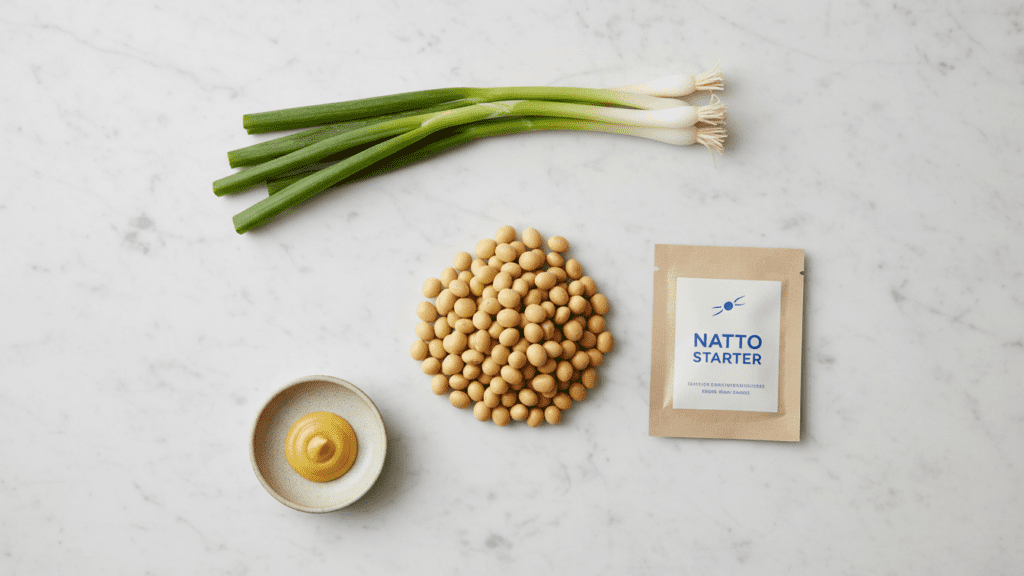
Don’t go trying to make this with large garden beans. You need specific soldiers for this sticky war.
- Small Soybeans: Look for “Natto Soybeans” specifically. Smaller beans have more surface area for the bacteria to cling to, which means more of that glorious stringiness.
- Natto Starter (Bacillus subtilis natto): You can buy this as a powder or simply use one tablespoon of store-bought natto to “seed” your batch.
- Filtered Water: Because your bacteria don’t want to drink chlorine any more than you do.
- Rice (for serving): Standard short-grain Japanese rice is the only acceptable vessel.
- Garnish Duo: Fresh green onions and hot yellow mustard (Karashi).
Tools & Kitchen Gadgets You’ll Need
To master natto, you need a way to keep things warm and sterile. If you introduce random kitchen germs, you aren’t making breakfast; you’re making a biohazard.
- Pressure Cooker or Instant Pot: Essential for getting the beans soft enough to squish with your pinky.
- Instant-Read Meat Thermometer: You need to hit that “Goldilocks” zone—not too hot to kill the bacteria, not too cool to let them sleep.
- Large Glass Baking Dish: To spread the beans thin so the bacteria can breathe.
- Food Grade Incubator or Yogurt Maker: Anything that can hold a steady 100°F (38°C) for 24 hours.
- Sterilizing Pot: To boil all your spoons and bowls before you start.
Step-by-Step Instructions
Step 1: The Long Soak
Wash your soybeans and soak them in three times their volume of water for at least 12 hours. If it’s winter, give them 20. The beans should double in size and lose their round shape, becoming oblong. FYI, skipping the soak is the fastest way to end up with “bean gravel” that no amount of bacteria can save.
Step 2: The Steam Bath
Drain the beans and put them in your pressure cooker. Cook them on high pressure for about 40-45 minutes. You want them soft enough that you can crush a bean between two fingers with zero resistance. A hard bean is a failed natto—don’t let the beans win.
Step 3: The Sterile Seed

This is where things get “science-y.” Boil some water and sterilize every single tool that will touch the beans. Now, take your warm (not hot!) beans and put them in your glass dish. Dissolve your natto starter in a tiny bit of boiled (then cooled) water and drizzle it over the beans. Stir gently with a sterile spoon.
Step 4: The Incubation Marathon
Cover the dish with a piece of sterilized cheesecloth or a lid that isn’t airtight—the bacteria need oxygen to make the strings! Place the dish in your incubator at 100°F (38°C). Now, walk away for 22 to 24 hours. Do not peek! You are letting a civilization rise in that dish.
Step 5: The “Aging” Secret
After 24 hours, pull the dish out. You should see a white, dusty film on the beans and smell something sweet yet pungent. Put them in the fridge immediately. Natto needs to “age” for 1 to 2 days in the cold to allow the enzymes to fully develop and for that “ammonia” smell to dissipate into a rich umami.
Our Top Pick

LuBudingJoy Blank Recipe Book
B5 Blank Recipe Book – Create and organize your favorite recipes in one beautiful place. This hardcover recipe book (10" × 7.3") features 150 blank pages and includes DIY category stickers. Designed with conversion charts, content tables, and a back pocket for loose notes.
Calories & Nutritional Info
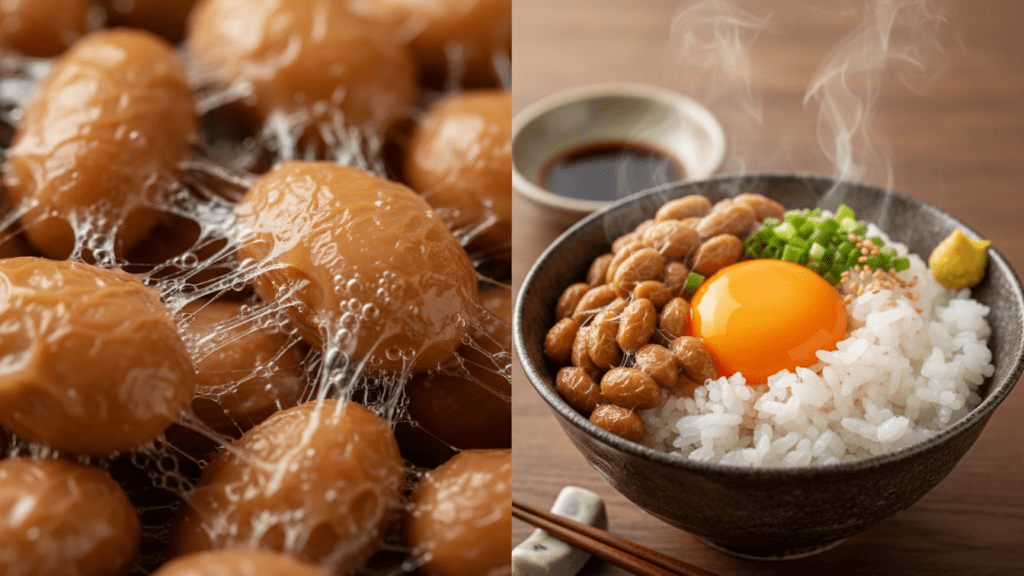
Here is why your doctor will actually be proud of you:
- Calories: Approximately 210 kcal per 100g serving.
- Protein: A massive 18g of plant-powered muscle fuel.
- Vitamin K2: The highest food source on the planet—great for bone and heart health.
- Fiber: 5g (your gut will literally send you a thank-you note).
- Probiotics: Billions of live cultures to colonize your digestive tract.
Common Mistakes to Avoid
- The Heat Trap: If you add the bacteria while the beans are screaming hot (over 115°F), you will kill the starter. Let them cool slightly!
- The Germ Invasion: If you don’t sterilize your spoons, you might grow mold instead of natto. Boil your tools.
- Airtight Sealing: If you seal the container tightly, the bacteria will suffocate. Give them air.
- Too Deep a Layer: If your bean pile is three inches deep, the middle won’t ferment. Spread them thin.
- Giving Up Too Early: If it smells weird at 12 hours, that’s normal. IMO, the smell is just the beans’ way of saying “I’m working on it!” 🙂
Variations & Customizations
Feeling adventurous? Try these three tweaks:
The Spicy Kimchi Kick
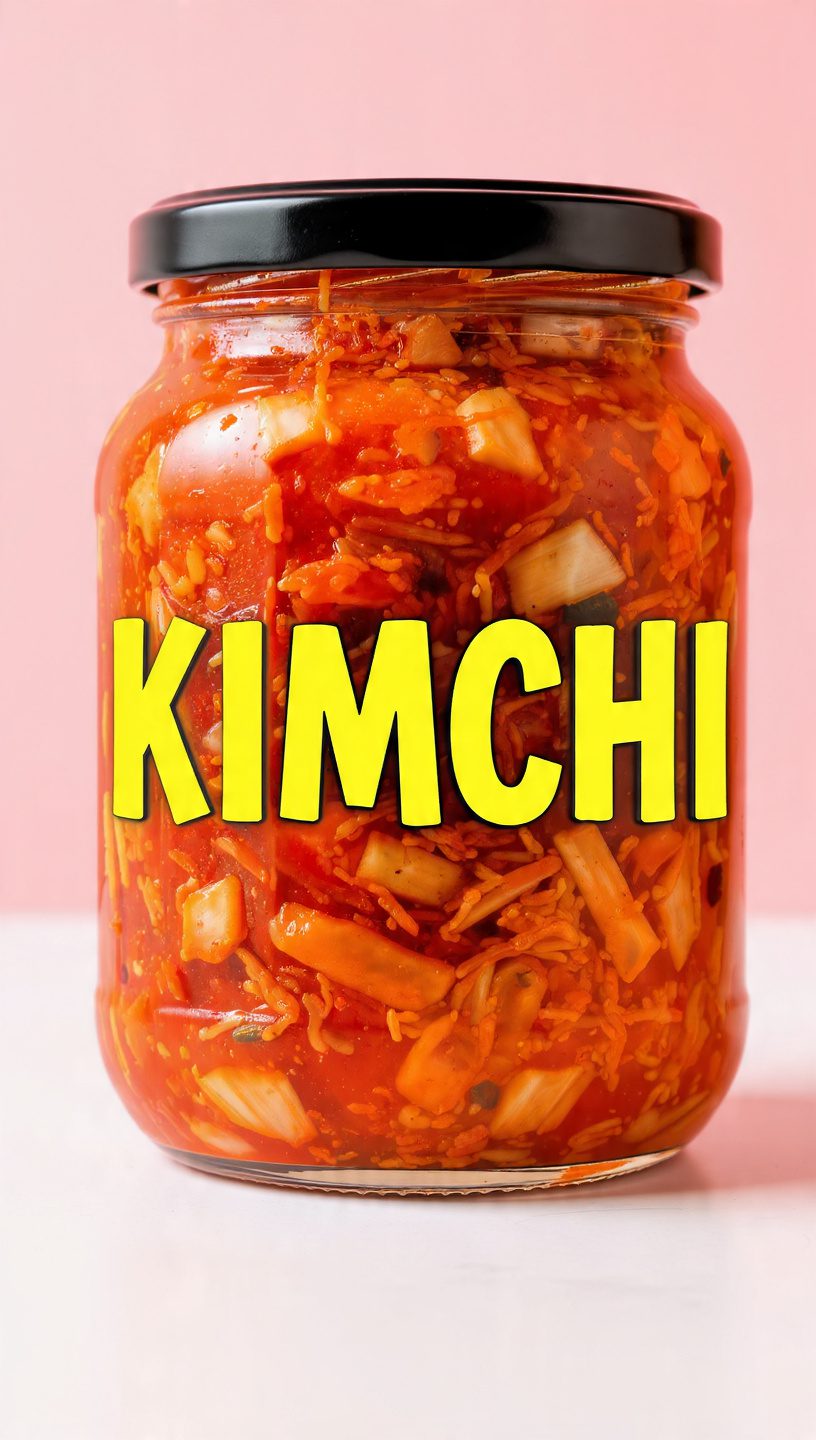
Mix your finished natto with a tablespoon of chopped kimchi. The spice and acidity cut through the richness of the beans perfectly. It’s the ultimate “morning wake-up call.”
The Keto Avocado Smash
Skip the rice! Fold the natto into a half-mashed avocado with a drizzle of soy sauce. It’s a high-fat, high-protein breakfast that stays perfectly within your macros.
The Westernized Toast
Spread a thin layer of natto on a piece of sourdough toast and top with a poached egg. The runny yolk mixes with the sticky bean juices to create a sauce that is low-key life-changing. TBH, this is the best way to convert “natto-skeptics.” 🙂
FAQ Section
Why does natto smell like ammonia? This usually means it over-fermented or wasn’t aged properly in the fridge. A 24-hour chill usually fixes this, but some smell is totally normal!
Can I make natto without a starter? You need the Bacillus subtilis bacteria. If you don’t have powder, use store-bought natto as a “mother” culture. It works perfectly!
Is natto safe for everyone? Generally, yes! However, because it is so high in Vitamin K, people on blood thinners (like Warfarin) should check with their doctor first.
How do you actually eat this stuff? Stir it vigorously! The more you stir, the thicker and whiter the strings become. Add soy sauce and mustard after stirring for the best texture.
Can I use other beans besides soy? You can! Black beans and chickpeas make interesting natto, though the texture and flavor will be different from the traditional version.
How long does homemade natto last? It stays fresh in the fridge for up to a week. If you made too much, it freezes beautifully for up to 3 months.
What are the strings made of? That is polyglutamic acid, a natural polymer created during fermentation. It’s safe, healthy, and incredibly sticky!
Final Thoughts
There you have it—your roadmap to the stickiest, punkiest, healthiest bowl of beans you’ve ever met. Making natto isn’t just about food; it’s about embracing the weird side of the culinary world and winning.
Go ahead, give it a shot. And hey, if you end up with strings stuck to your chin and your cat looking at you with judgment, just remember: you’re a fermentation legend now. Tag me in your “long-string” photos, or just sit in your sticky umami bliss. Happy fermenting!