
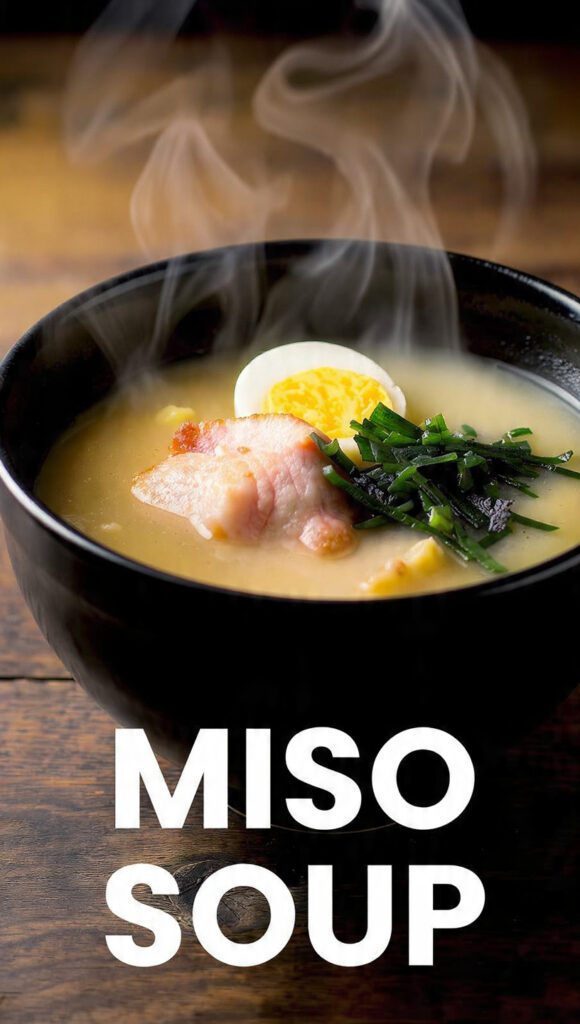
The Ultimate Liquid Gold: Why You Need to Master Authentic Miso Soup
We’ve all been there. You sit down at a trendy Japanese spot, and they place a tiny, steaming lacquer bowl in front of you. You take a sip of that salty, cloudy elixir and suddenly, your soul feels like it just received a warm hug from a cloud. You think, “I could never make miso soup this good at home.” Well, I am here to tell you that you are wrong—and probably overpaying for fermented bean water.

Seriously, why settle for those sad, dehydrated powder packets that taste like salty cardboard? I once tried to make a “quick” version using a bouillon cube and some old soy sauce, and let’s just say my taste buds still haven’t forgiven me. Making the real thing is actually a flex that takes less than fifteen minutes. Are you ready to stop drinking “soup-flavored water” and start brewing the real deal?
Why This Recipe is Awesome
Why should you care about a bowl of broth? For starters, this recipe functions as the ultimate culinary Swiss Army knife. It is the perfect appetizer, a light lunch, or the only thing you want to consume when you’ve spent the weekend making questionable life choices. It’s light, it’s savory, and it requires zero actual “cooking” skills beyond boiling water without starting a fire.

The flavor profile is a masterclass in umami. You get the earthy depth of the fermented miso, the oceanic whisper of the dashi, and the silky comfort of the tofu. It hits every single taste bud like a well-coordinated flash mob. TBH, it’s the most efficient way to feel like a “health person” without actually having to eat a giant bowl of raw kale. 🙂
Our Top Pick

Papier Herb Garden Recipe Journal - Hardback Design
Capture your culinary ideas and favorite memories with this beautifully designed recipe journal. Organized sections for breakfast, lunch, dinner, and treats make it easy to record recipes, ratings, dietary notes, and cooking tips, along with measurement and conversion guides. Extra pages let you list favorite restaurants, shops, and places to try. Crafted with a premium hardback cover, luxurious 100gsm paper, and a gold foil accent, it’s both durable and stylish. Thoughtfully designed to suit any kitchen, it makes a practical, timeless gift for family, friends, or yourself.
Plus, it serves as the ultimate “look at me” dish for guests. Put this in front of someone, and they’ll assume you’ve spent years apprenticing under a master chef in Kyoto. In reality, you just stirred a paste into some hot liquid. Who doesn’t love a high-reward, low-effort situation?
Ingredients
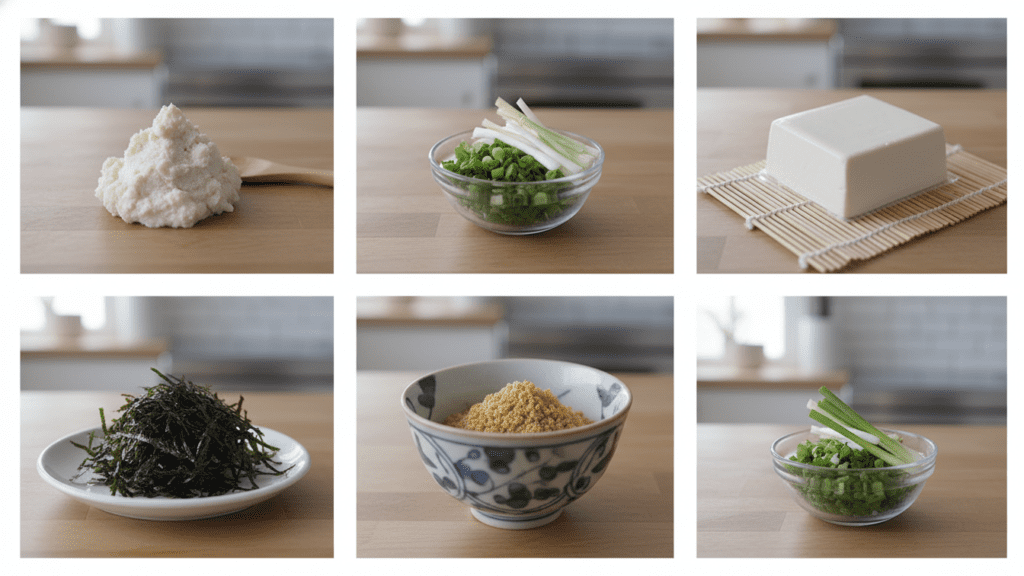
Gather your supplies, but keep it simple. If you start adding frozen corn or leftover pasta to this, we are no longer friends. Quality ingredients make the difference between a masterpiece and a mess.
- 4 cups Dashi Stock (The backbone; use Kombu and bonito flakes for the real deal, or high-quality granules)
- 3-4 tablespoons Miso Paste (Red is bold, white is sweet; I recommend a mix for the “Goldilocks” effect)
- 1/2 block Silken Tofu (Cut into tiny, adorable cubes that melt in your mouth)
- 2 tablespoons Dried Wakame Seaweed (It expands like a science experiment, so don’t go overboard)
- 2 Green Onions, thinly sliced (The garnish that actually matters)
- Optional: A pinch of Dashi granules (If your homemade stock feels like it needs a little “oomph”)
Tools & Kitchen Gadgets Used
You don’t need a professional laboratory, but a few specific tools make the process feel like a ritual rather than a chore. These items are the MVP of any Japanese-inspired kitchen.
- Stainless Steel Fine-Mesh Miso Strainer – This is the secret weapon. It allows you to dissolve the paste without leaving “miso clumps” at the bottom of the bowl.
- Professional Chef’s Knife – For those paper-thin green onion slices that make you look like a pro.
- Small Saucepan – You need something that heats evenly; we aren’t cooking for a crowd here.
- Wooden Ladle – Because metal on lacquer is a vibe killer.
- Lacquer Soup Bowls – If you drink this out of a coffee mug, I can’t help you.
Step-by-Step Instructions
Alright, let’s get to work. Try to stay focused; this happens fast, and if you blink, you might boil away the magic.
Step 1: The Dashi Dance
Start by bringing your 4 cups of dashi to a gentle simmer in your saucepan. If you are using dashi granules, follow the packet instructions, but IMO, using a little extra powder never hurt anyone. Do not let it reach a violent boil; we want a polite, bubbling conversation, not a shouting match.
Step 2: The Seaweed Expansion
Drop your dried wakame into the simmering broth. Watch as those tiny black specks transform into lush, green leaves. It takes about two minutes. If they start taking over the pot, you used too much—better luck next time!
Step 3: Tofu Entry
Carefully slide your silken tofu cubes into the pot. Treat them like fragile glass; if you toss them in like a basketball, they will shatter into white mush. Let them warm through for about one minute.
Step 4: The Miso Moment (Crucial Step!)
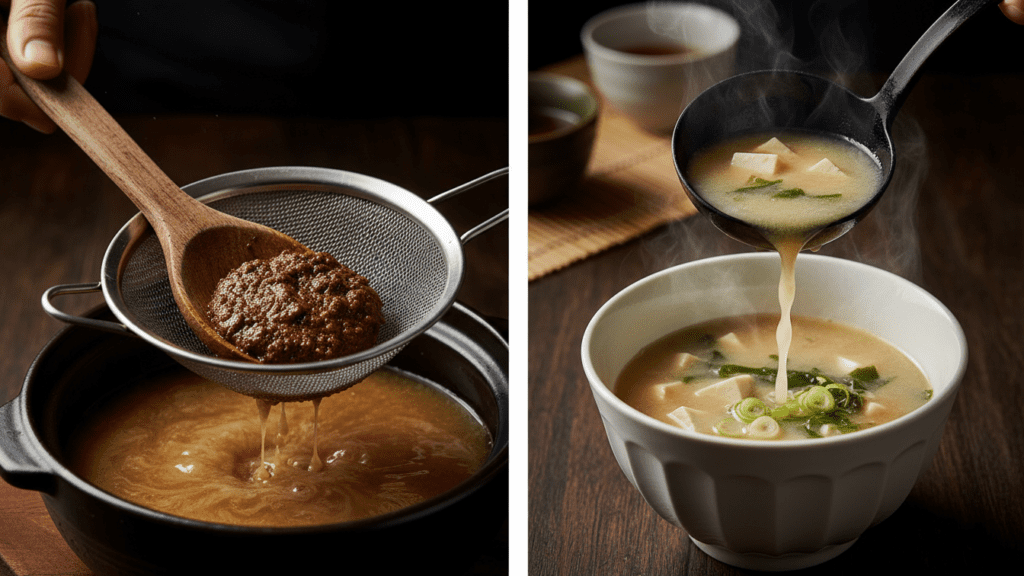
Turn the heat down to the lowest setting or turn it off entirely. Place your miso paste into the fine-mesh strainer and submerge it halfway into the broth. Use a spoon to rub the paste through the mesh until it dissolves into the liquid. Never boil the miso paste, or you will kill the probiotics and ruin the delicate flavor.
Our Top Pick

LuBudingJoy Blank Recipe Book
B5 Blank Recipe Book – Create and organize your favorite recipes in one beautiful place. This hardcover recipe book (10" × 7.3") features 150 blank pages and includes DIY category stickers. Designed with conversion charts, content tables, and a back pocket for loose notes.
Step 5: The Final Garnish
Give the soup a gentle swirl. It should look like a beautiful, cloudy nebula. Pour it into your bowls and top with a generous handful of thinly sliced green onions.
Step 6: Serve Immediately
Miso soup waits for no one. Drink it while it’s hot, and don’t forget to stir it occasionally with your chopsticks to keep the miso from settling at the bottom.
Calories & Nutritional Info
For the folks who like to track every molecule, here is the breakdown. It’s actually one of the healthiest things you can put in your face.
- Calories: ~60-80 kcal per serving (Basically negative calories in my book).
- Protein: 5g (Thanks, tofu!).
- Fats: 2g (The “good” kind from the fermented beans).
- Notes: This dish is a probiotic powerhouse. It’s essentially a spa treatment for your gut. FYI, it is high in sodium, so maybe don’t drink a gallon of it if you’re watching your salt intake.
Common Mistakes to Avoid
Don’t let your Japanese dinner turn into a tragedy. Avoid these classic slip-ups:
- Boiling the Miso: I’m saying it again because people always mess this up. Boiling kills the flavor and the health benefits. Keep it below a boil.
- Using Firm Tofu: Firm tofu is for stir-fry; silken tofu is for the soul. Stick to the silken stuff.
- Old Miso Paste: Miso lasts a long time, but if it smells like a wet basement, throw it out. Fresh paste equals fresh flavor.
- Skipping the Dashi: If you use plain water, you are just drinking bean tea. Dashi is mandatory.
- Too Much Seaweed: Wakame grows five times its size. If you use too much, you’ll be eating a salad with a spoon. Measure carefully.
Variations & Customizations
Once you master the classic, feel free to get a little wild. Here are three ways to flip the script.
- The Hearty Hero: Add sliced shiitake mushrooms and a handful of baby spinach to the dashi before adding the miso. It turns a light snack into a full-blown meal.
- The Spicy Scandi: Add a drop of chili oil (rayu) and some grated ginger to the broth. It will wake you up faster than an alarm clock.
- The Shellfish Flex: Add a few Manila clams to the dashi. As they open, they release a briny sweetness that is absolutely elite.
FAQ Section
What is the best miso for miso soup? There is no “best,” but Awase miso (a blend of red and white) is the most balanced for beginners. White miso is milder, while red is funkier and saltier.
Is miso soup vegan? It depends on the dashi! Traditional dashi uses bonito (fish) flakes. If you want it vegan, use Kombu (kelp) dashi or mushroom-based stock.
Can I make miso soup in advance? IMO, no. The flavors are best when fresh. If you must, keep the dashi and toppings ready, then add the miso paste right before serving. 🙂
Is it okay to drink miso soup every day? Absolutely! In Japan, many people drink it with every meal. It’s a fantastic way to get fermented nutrients into your system daily.
Can I use regular soy milk instead of tofu? Wait, what? No. Tofu provides the texture. If you want a creamy soup, look up creamy miso recipes, but for traditional soup, keep the cubes.
Why does my miso soup separate? That’s actually a sign of quality! Real miso is a suspension of fermented particles. Just give it a quick stir and it will be back to its cloudy glory.
Does miso soup have gluten? Most miso is gluten-free (made from soy and rice), but some versions use barley (mugi miso). Always check the label if you’re a Celiac warrior.
Final Thoughts
There you have it—the miso soup recipe that will officially make you the most sophisticated person in your friend group. It’s salty, it’s savory, and it takes less time to make than it does to find a parking spot at a sushi bar. Once you realize how easy it is to brew this liquid gold at home, you’ll never settle for a packet again.
Go ahead, pour yourself a bowl and enjoy the smug satisfaction of a restaurant-quality meal in your pajamas. Just try not to act too surprised when your friends start asking for your secret “ancient family recipe.” Ready to ruin store-bought soup for yourself forever? Happy sipping!