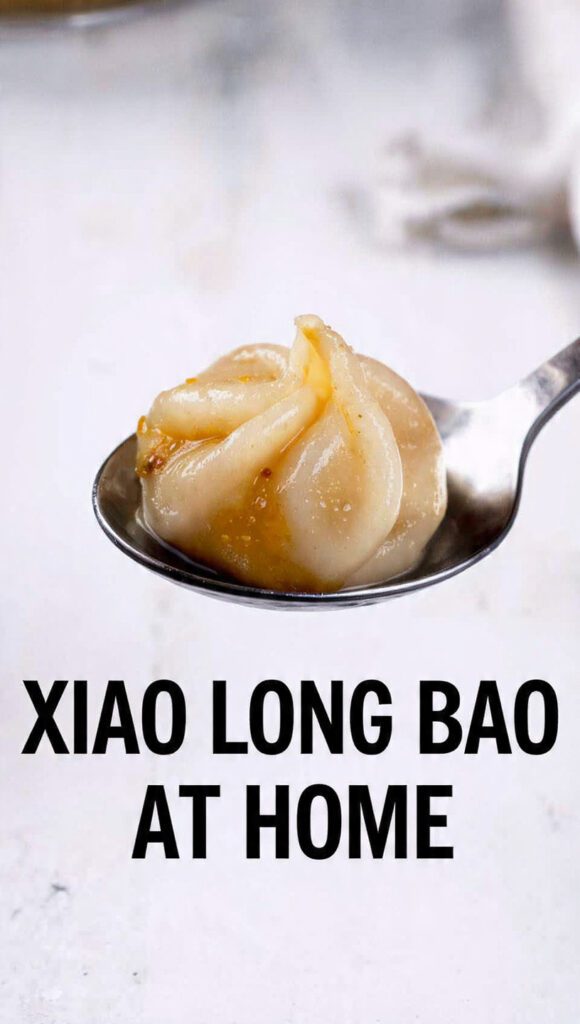
Soup Dumpling Sorcery: The Ultimate Guide to Xiao Long Bao at Home
Let’s be real for a second. We have all stood in a two-hour line at a world-famous dumpling house, staring through a glass window at a small army of chefs pleating dough with surgical precision. You probably thought, “I could never do that.” Well, I am here to tell you that you absolutely can—and you don’t even need a white lab coat. Today, we are conquering the legendary xiao long bao, the miraculous “soup dumpling” that defies the laws of physics and common sense.

Why would anyone spend an entire Saturday afternoon making something that disappears in one bite? Because that one bite contains more joy than a week-long vacation. Imagine the look on your friends’ faces when they bite into a solid object and find a savory, steaming lake of gold inside. Ready to play God with some dough and pork? Let’s get into it.
Why This Recipe is Awesome
This recipe is the ultimate culinary flex. Anyone can sear a steak, but trapping soup inside a thin piece of dough? That is pure magic. TBH, making these at home makes you look like a kitchen wizard who has mastered the elements of earth, water, and fire.
The flavor profile here beats anything you will find in the frozen aisle. We are talking about a rich, gelatinous broth and a pork filling so tender it practically melts. Plus, you control the pleats. If your dumplings look like little lumpy clouds at first, who cares? They still taste like a million dollars.
It also serves as the perfect group activity. Call over your bravest friends, open a bottle of wine, and start a pleating competition. It is therapeutic, fun, and rewards you with the best dinner of your life. Who needs a social life when you have a bamboo steamer?
Ingredients
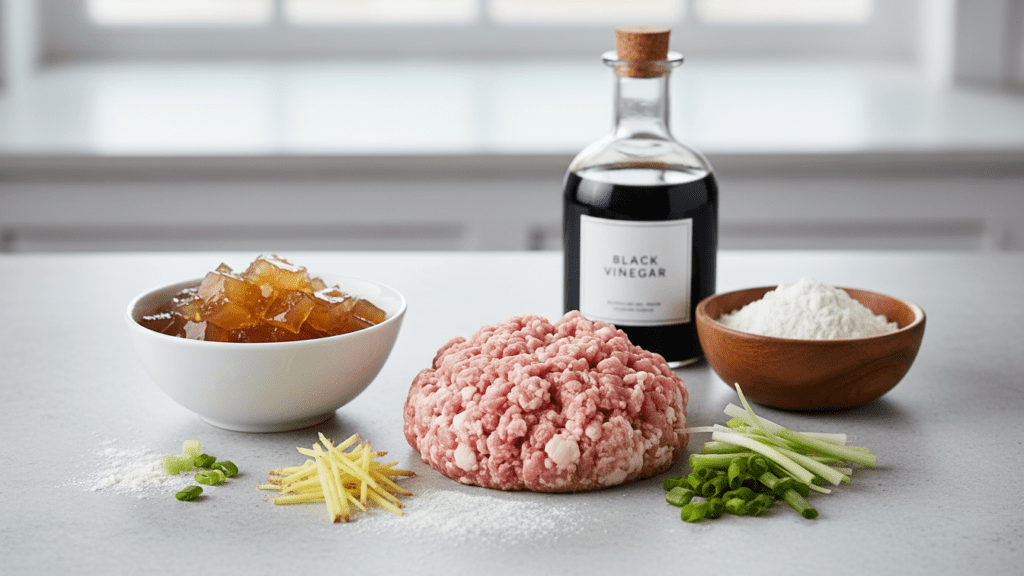
Gather your supplies. You cannot fake your way through this with a “close enough” attitude. Respect the ingredients, and the ingredients will respect you.
The Magic Soup (Aspic)
- 2 lbs Chicken Backs or Wings (for that sweet, sweet collagen)
- 1 lb Pork Skin (This is the secret; do not skip it!)
- 3 slices Fresh Ginger
- 2 Scallions, smashed
- 1 tablespoon Shaoxing Wine
- 6 cups Water
The Pork Filling
- 1 lb Ground Pork (The fattier, the better—aim for 80/20)
- 1 tablespoon Soy Sauce
- 1 teaspoon Salt
- 1 teaspoon Sugar
- 1/2 teaspoon Toasted Sesame Oil
- 1/4 teaspoon White Pepper
- 200g Prepared Aspic, finely minced (your solidified soup)
The Wrapper (Dough)
- 2 cups All-Purpose Flour
- 1/2 cup Hot Water (nearly boiling)
- 1/4 cup Cold Water
Tools & Kitchen Gadgets Used
You need the right gear to ensure your soup stays where it belongs—inside the dumpling. These gadgets turn a difficult task into a streamlined process.
- Large Stockpot – To simmer that broth into a rich, gelatinous liquid.
- Fine Mesh Strainer – Crucial for a clear, smooth aspic.
- Food Processor – This makes mincing your solidified soup aspic much faster.
- Bamboo Steamer Basket – The only way to cook these properly with even steam.
- Small Rolling Pin (Asian style) – Essential for getting those thin edges and thicker centers.
- Digital Kitchen Scale – Precision is key when weighing your dough and filling.
Step-by-Step Instructions
Buckle up. This is a multi-day journey, or at least a very long afternoon. Don’t rush the process, or you’ll end up with a steamer full of sad, empty dough pockets.
Step 1: Create the Liquid Gold
Boil your pork skin and chicken in the stockpot for 2 minutes, then drain and rinse. Return them to the pot with fresh water, ginger, scallions, and Shaoxing wine. Simmer for at least 4 hours until the liquid reduces by half. Strain the liquid into a shallow pan and refrigerate until it turns into a firm, wiggly jelly.
Step 2: Prep the Filling
Once your soup jelly (aspic) sets, mince it into tiny cubes. Mix your ground pork with soy sauce, salt, sugar, sesame oil, and white pepper. Fold the minced soup jelly into the pork. Keep this mixture cold in the fridge until the very second you are ready to fold.
Step 3: Master the Dough
Mix the flour with hot water first to partially cook the starch, then add cold water. Knead until it feels as smooth as a baby’s cheek. Let the dough rest for 30 minutes under a damp cloth. If you skip the rest, the dough will fight you like a stubborn toddler.
Step 4: Roll and Pleat
Divide your dough into 10-gram pieces. Roll them into circles with thin edges and a thicker center. Place a scoop of cold filling in the middle. Now, the hard part: pinch and fold at least 18 tiny pleats around the top to seal it. Does it look like a professional did it? No? That’s fine. Just make sure it’s sealed.
Step 5: The Steam Phase
Line your bamboo steamer with parchment paper (poke holes in it!) or cabbage leaves. Place the dumplings inside, leaving space between them. Steam over high heat for exactly 8 minutes. Watch the dough go from opaque to translucent—that is the signal of success.
Calories & Nutritional Info
You are eating dough, pork, and concentrated broth. It isn’t a kale salad, but it isn’t a deep-fried candy bar either. Here is the estimate per dumpling:
- Calories: 60-80 kcal per dumpling.
- Protein: 4g (Pure pork and collagen power).
- Fats: 5g (This is where the flavor lives).
- Carbs: 6g (Mostly from that delicate wrapper).
- Pro-tip: The vinegar dipping sauce has zero calories, so dunk away to your heart’s content!
Common Mistakes to Avoid
Don’t let your hard work literally leak away. Watch out for these common face-palms:
- Using Lean Pork: If you use 90/10 pork, your dumplings will be dry and sad. Fat equals juice.
- Rolling the Middle Too Thin: If the bottom of the wrapper is too thin, the weight of the soup will tear the dumpling before it reaches your mouth.
- Overcrowding the Steamer: These dumplings expand. If they touch, they will bond for life, and tearing them apart will spill the soup.
- Letting the Filling Get Warm: If the aspic melts while you are pleating, you will have a soggy mess. Work in small batches and keep the rest in the fridge.
- Skipping the Vinegar: The black vinegar cuts through the richness. Without it, the flavor is one-note.
Variations & Customizations
Once you master the basics, you can start getting fancy with it.
- The Spicy Sichuan: Add a teaspoon of Chili Oil and Sichuan peppercorn to the pork filling for a numbing, spicy kick.
- The Seafood Upgrade: Mix finely chopped shrimp or crab meat into the pork for a classic “Surf and Turf” dumpling experience.
- The Green Goddess (Veggie Swap): While difficult, you can make a “broth” using agar-agar and a rich mushroom stock paired with a finely minced mushroom and tofu filling.
FAQ Section
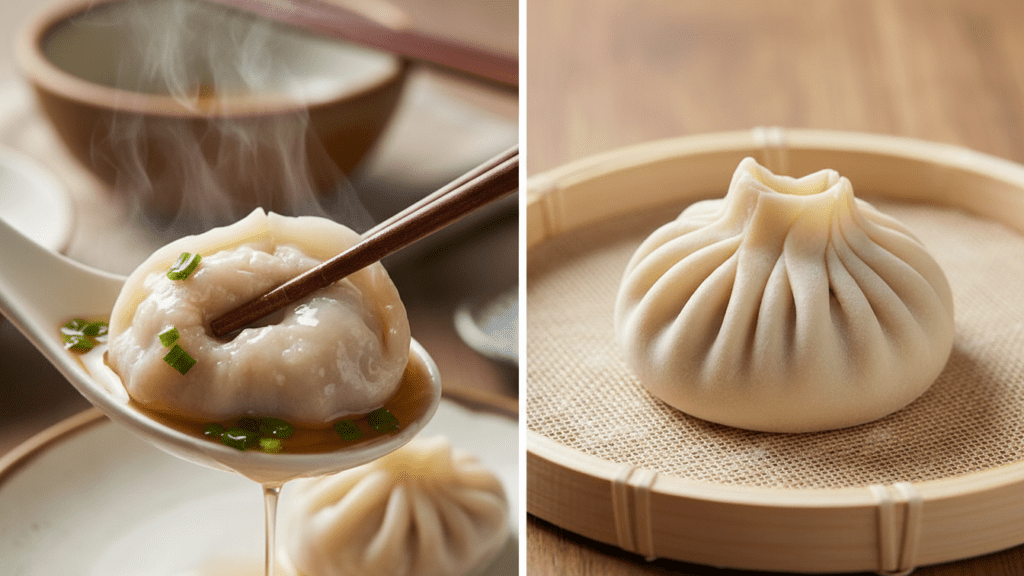
How do I eat xiao long bao without burning my mouth? Place the dumpling on a spoon, poke a small hole to release the steam, sip the soup first, and then eat the rest. Don’t be the person who pops a boiling hot one in their mouth. IMO, that is a mistake you only make once. 🙂
Can I use store-bought wrappers? No. Just… no. Store-bought wrappers are too thin and don’t have the elasticity needed to hold the soup. You must make the dough from scratch.
What is the best vinegar for dipping? Use Chinkiang black vinegar. It has a malty, deep flavor that regular white or apple cider vinegar just can’t match.
Can I freeze xiao long bao? Yes! Freeze them on a tray first so they don’t stick, then bag them. Steam them directly from frozen for 10-12 minutes.
Why didn’t my soup stay liquid? If your broth didn’t have enough pork skin or bones, it won’t have enough gelatin to stay solid at room temp. More skin next time!
How many pleats should a dumpling have? Tradition says 18. If you have 10 and they stay closed, you’ve won. Don’t let the “pleat police” ruin your dinner.
Is it okay to use a metal steamer? It works, but bamboo is better. Bamboo absorbs excess moisture, preventing the dumplings from getting soggy or dripping condensation on themselves.
Final Thoughts
There you go! You have officially graduated from “person who eats dumplings” to “person who crafts dumplings.” Sure, your kitchen might look like a flour bomb went off, and your fingers might be slightly cramped, but that first sip of homemade broth makes it all worth it.
Now, go forth and impress your friends. Or just eat all twenty by yourself—I won’t tell anyone. Ready to ruin store-bought dumplings for yourself forever? Happy pleating!