
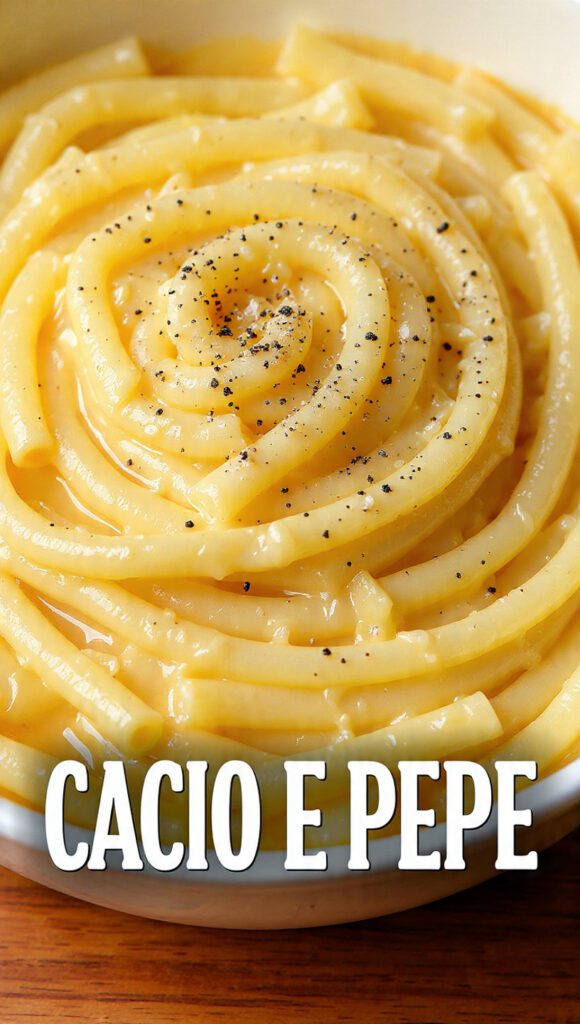
Authentic Cacio e Pepe Recipe: Better Than a Roman Trattoria
Have you ever paid twenty-five dollars for a bowl of pasta that looked like it was tossed in a dusty library, only to realize it was actually a culinary masterpiece? Welcome to the world of cacio e pepe, the Roman classic that literally translates to “cheese and pepper.” It sounds like something you’d eat in a college dorm when you’ve run out of groceries, but don’t be fooled. If you mess this up, you end up with a clump of rubbery cheese stuck to a dry noodle; if you nail it, you get a velvet-smooth sauce that would make a grown man weep.

I once watched a friend try to make this by dumping a bag of pre-shredded “taco blend” cheese into a boiling pot of pasta. I still have nightmares about the orange oil slick that followed. To be honest, making this dish is a rite of passage for every home cook. Are you ready to stop settling for jarred alfredo and finally master the art of the emulsion? Let’s dive in before your water boils over.
Why This Recipe Is the Ultimate Flex
Why should you bother learning a dish with only three ingredients? Because cacio e pepe is the ultimate culinary lie. It looks incredibly simple, but it demands respect, timing, and a little bit of swagger. Mastering this dish proves you actually know how to cook, rather than just how to follow instructions on the back of a box.

Beyond the ego boost, it’s the fastest way to impress a date or a skeptical mother-in-law. You can whip this up in fifteen minutes, and it tastes like you’ve summered in Trastevere. It’s salty, spicy, and decadently creamy without a single drop of actual cream. Ready to ruin restaurant pasta for yourself forever?
The Goods: What You Need
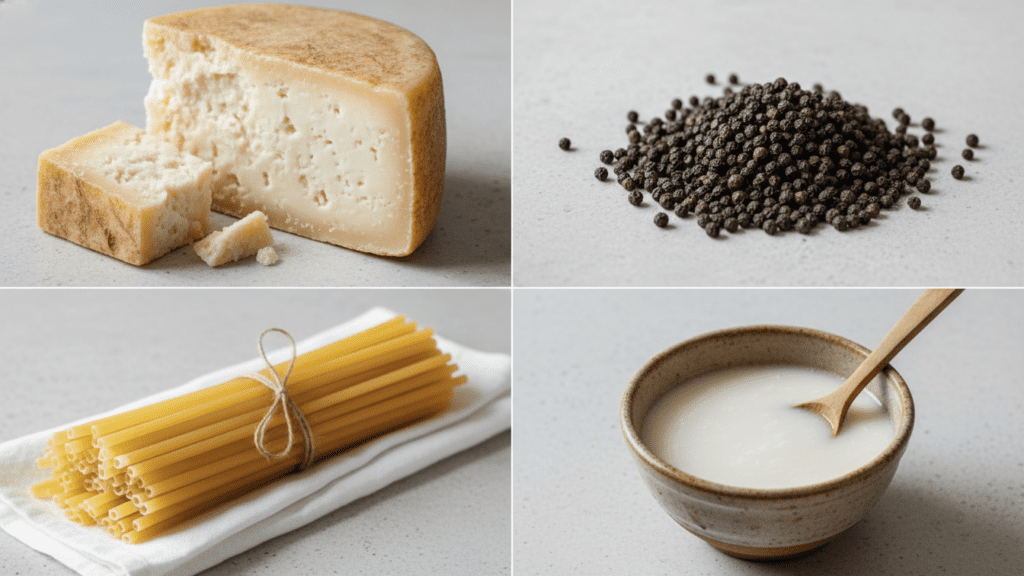
Don’t even think about walking into a grocery store and buying the “green shaker” cheese. If you do, we aren’t friends.
- 200g Tonnarelli or Bucatini: Spaghetti works in a pinch, but you want a noodle with some “heft.”
- 1.5 cups Pecorino Romano: This must be finely grated and high quality. Pecorino is sheep’s milk cheese; it’s saltier and funkier than Parmesan.
- 2 tbsp Whole Black Peppercorns: Do not use the pre-ground dust from your spice cabinet. We need the real stuff.
- Starchy Pasta Water: This isn’t just water; it’s the liquid gold that builds your sauce.
- Sea Salt: Just a pinch for the pasta water—remember, the cheese is already a salt bomb.
The Arsenal: Tools & Kitchen Gadgets
You don’t need a professional kitchen, but a few specific items make the difference between a silky sauce and a clumpy disaster.
- Large Heavy-Bottomed Skillet: You need surface area to toast the pepper and toss the pasta.
- Fine Mesh Grater (Microplane): This is non-negotiable. The cheese must be like snow to melt properly.
- Mortar and Pestle: For crushing those peppercorns into irregular, spicy shards.
- Stainless Steel Tongs: Essential for tossing the pasta like a pro without breaking the noodles.
- Heat-Proof Bowl: For mixing your cheese paste.
Step-by-Step Instructions: The Path to Glory
Step 1: The Pepper Toast
Start by crushing your whole peppercorns. Place them in a dry skillet over medium heat. Toast them until they smell so fragrant your neighbors start knocking on your door. TBH, the smell of toasted pepper is the best part of this entire process.
Step 2: The Pasta Plunge
Boil your pasta in a pot with about half the usual amount of water. Why? We want a super-concentrated, starchy liquid. Cook the pasta until it is very “al dente”—about two minutes before the package says it’s ready. Save at least two cups of that murky pasta water before draining.
Step 3: The Cheese Paste
While the pasta boils, put your finely grated Pecorino Romano into a bowl. Add a few tablespoons of the warm (not boiling!) pasta water. Whisk it until it forms a thick, smooth paste. If it looks like mashed potatoes, you’re doing it right.
Step 4: The Marriage
Add a splash of pasta water to the skillet with the toasted pepper. Toss in your undercooked pasta and stir vigorously. The starch will finish cooking the noodles and start building a base. IMO, the tossing motion is where the magic happens.
Step 5: The Emulsion
Turn the heat to the absolute lowest setting (or turn it off entirely). Add your cheese paste to the skillet. Toss and stir like your life depends on it. Add tiny splashes of pasta water as needed until the cheese melts into a creamy, glossy glaze that clings to every noodle.
Step 6: The Final Presentation
Plate it immediately while it’s glistening. Top with another crack of fresh pepper and a tiny bit more cheese. If you let it sit in the pan, it will turn into a brick. Serve it hot, serve it fast, and wait for the standing ovation.
Calories & Nutritional Info
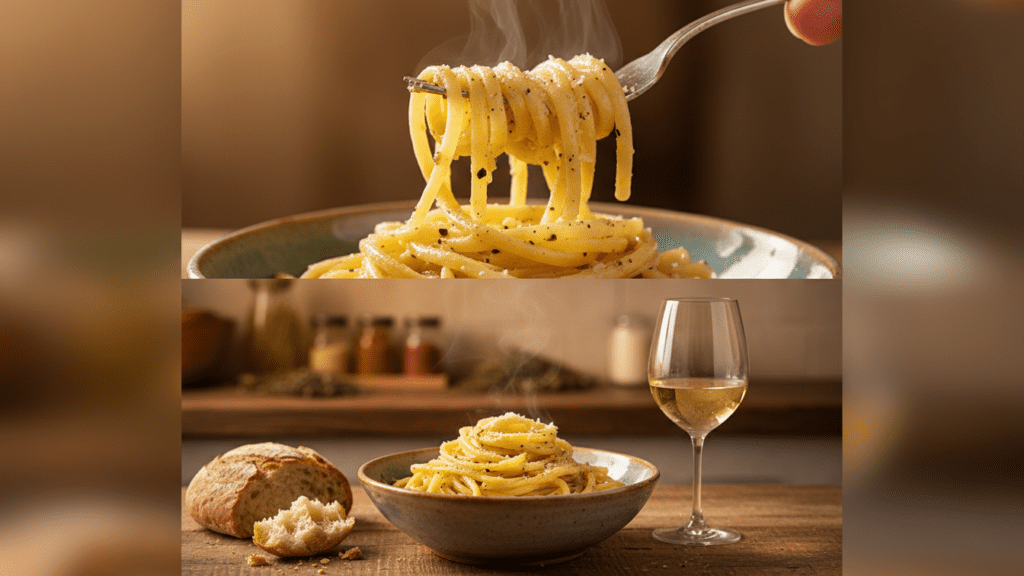
I’m going to be honest with you: this is a bowl of cheese and carbs. It’s for the soul, not the waistline.
- Calories: ~520 kcal per serving.
- Protein: 22g (Thank you, Pecorino!).
- Total Fat: 18g (Mostly the delicious kind).
- Carbohydrates: 65g.
- Vitamin C: Exactly zero. Eat an orange tomorrow.
Common Mistakes to Avoid (The Cheeky Guide)
- Using Boiling Water for the Paste: If the water is too hot, the cheese will “seize” and turn into a giant rubber ball. Use warm water only.
- Pre-Shredded Cheese: These bags contain cellulose to keep the cheese from sticking. It also keeps the cheese from melting. Grate it yourself.
- Too Much Pasta Water: If you drown it, you get soup. Add water in tiny splashes.
- Walking Away: This dish requires your undivided attention for five minutes. Stay with the pan!
Variations & Customizations
Feeling adventurous? Try these three spins:
- The “Luxe” Version: Add a teaspoon of truffle oil or fresh truffle shavings at the end. It’s pretentious, but it tastes incredible.
- The Spicy Kick: Add a pinch of red chili flakes to the skillet while toasting the pepper for a Roman-fusion heat.
- The Keto-Friendly Swap: Use heart of palm noodles or spaghetti squash. FYI, the sauce won’t be as creamy without the starch, but it’s a solid low-carb fix.
FAQ: Everything You’re Dying to Know
Why is my cacio e pepe clumpy?
The cheese probably got too hot too fast, causing the proteins to tighten into clumps. Keep the heat low and add starchy water gradually to keep it smooth.
Can I use Parmesan instead of Pecorino?
You can, but it won’t be authentic. Parmesan is milder and less salty. If you do, add a bit more salt to the water.
What is the best pasta shape?
Tonnarelli is the traditional Roman choice, but Bucatini is the best for catching the sauce. Spaghetti is the reliable backup.
Why is my sauce oily?
You didn’t have enough starch in your water or you didn’t toss the pasta vigorously enough to emulsify the fat.
Can I add butter or cream?
Purists will say no, but a knob of butter can help a beginner stabilize the sauce. Just don’t tell any Italians I said that.
How do I store leftovers?
Cacio e pepe does not reheat well. The sauce will break and get oily. Eat it all in one sitting—it’s the only way.
Is it supposed to be this peppery?
Yes! The pepper isn’t just a garnish; it’s a primary flavor. If your nose doesn’t tickle, you didn’t add enough.
Final Thoughts
There you have it—a bowl of cacio e pepe that will make you feel like you’ve been transported to a sun-drenched terrace in Rome. Once you master the delicate dance of starch and cheese, you’ll realize that complicated recipes are overrated.
Go ahead, give it a shot! Even if your first attempt is a bit clumpy, it’ll still taste like cheesy heaven. Just make sure you have a glass of Frascati ready to go. Happy tossing! 🙂

