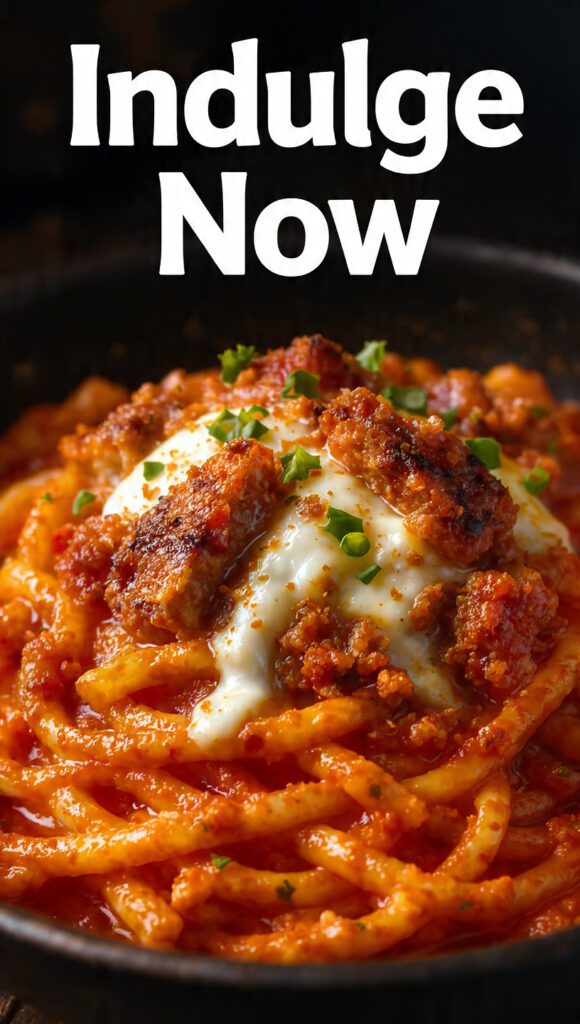
The Ultimate Authentic Amatriciana Recipe: Better Than Any Roman Trattoria
If you think you have tasted true pasta perfection, but you haven’t sat down with a bowl of amatriciana, I am sorry to tell you that your life has been a lie. I once watched a tourist in Rome try to ask for “extra cream” in their Amatriciana sauce, and I swear the waiter aged ten years on the spot. We are talking about one of the most sacred pillars of Roman cuisine—a dish so bold and smoky that it practically demands a glass of red wine and a nap immediately afterward.
Have you ever wondered why your homemade pasta sauce tastes like slightly seasoned water while the Italians seem to be using liquid gold? The secret isn’t magic; it is pork fat and pig-headed tradition. This recipe isn’t just dinner; it’s a history lesson that you can actually enjoy eating. Are you ready to stop settling for that jarred marinara and finally start cooking like someone who actually respects their taste buds?
Why This Recipe Is the Undisputed GOAT
Why should you bother tracking down specific Italian cured meats when you could just throw some bacon in a pan? Because amatriciana relies on a very specific alchemy of pork, pecorino, and heat that bacon simply cannot replicate. This dish hits every single flavor profile: it is salty, it is smoky, it has a kick of spice, and it carries enough acidity from the tomatoes to keep you coming back for “just one more” bite.
Beyond the flavor, this is the ultimate “I’m a sophisticated adult” flex. It requires only a handful of ingredients, but it tastes like you spent eight hours hovering over a cauldron. It is fast, it is flashy, and it proves you know the difference between “good” and “life-changing.” Ready to become the most popular person at your next dinner party?
The Ingredients: The Holy Trinity of Pork and Cheese
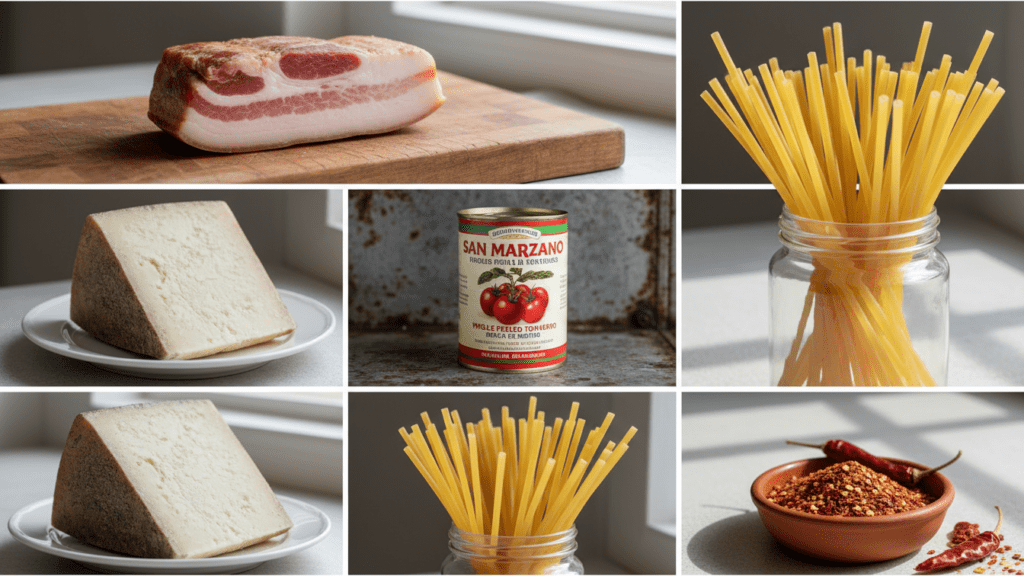
Don’t even think about walking into a grocery store and grabbing the first things you see. If you want the real deal, you have to follow the rules.
- 150g Guanciale: This is cured pork cheek. Do not use bacon. Do not use pancetta. If you use bacon, a Roman grandmother somewhere will cry. Guanciale provides the signature funk and fat that makes this dish.
- 400g Canned San Marzano Tomatoes: These are the gold standard. Crush them by hand like you’re getting revenge on an ex.
- 100g Pecorino Romano: This is a salty, sharp sheep’s milk cheese. Leave the “green shaker” parmesan in the trash where it belongs.
- 400g Bucatini or Spaghetti: Bucatini is traditional because the hole in the middle acts as a straw for the sauce. Science!
- 1 tsp Red Chili Flakes: For that signature “evil” kick.
- Dry White Wine: Just a splash for the pan, and a large glass for you.
- Black Pepper: Freshly cracked, because we have standards.
The Arsenal: Tools & Kitchen Gadgets
You don’t need a professional kitchen, but a few specific tools will make your life much easier and your sauce much silkier.
- Large Stainless Steel Skillet: You want surface area so the fat can render out and the sauce can emulsify.
- High-Quality Box Grater: For that Pecorino. You want it fluffy so it melts into the sauce, not in clumps.
- Microplane: For that final dusting of cheese that makes the plate look like art.
- Kitchen Tongs: Essential for tossing the pasta into the sauce like a pro.
- Pasta Pot: The bigger, the better. Pasta needs room to swim.
Step-by-Step Instructions: The Path to Glory
Step 1: The Rendering
Start by cutting your guanciale into thin strips. Place them in a cold skillet and turn the heat to medium. We are “rendering,” which is a fancy way of saying we are melting the fat out until the pork becomes crispy and golden. Do not add oil! The pig provides its own lubricant.
Step 2: The Deglaze
Once the pork is crispy, remove about half of it and set it aside (this keeps the crunch for later). Add your chili flakes to the rendered fat. Pour in a splash of white wine and scrape the bottom of the pan to get all those brown bits. TBH, this is where the flavor actually lives.
Step 3: The Tomato Bath
Add your hand-crushed San Marzano tomatoes to the pan. Season with black pepper, but be careful with the salt. The guanciale and pecorino are already salt bombs. Let the sauce simmer and thicken for about 10–15 minutes while you boil your pasta.
Step 4: The Pasta Plunge
Cook your bucatini in salted water until it is very al dente—about two minutes less than the box says. Save a cup of the starchy pasta water! This liquid is literally “liquid gold” and helps the sauce stick to the noodles instead of sliding off.
Step 5: The Marriage
Use tongs to move the pasta directly into the sauce. Add a splash of that pasta water and toss like your life depends on it. Turn off the heat and add the Pecorino Romano. The cheese and the starchy water will create a creamy, emulsified glaze that is absolutely illegal in several countries.
Step 6: The Final Flourish
Top the pasta with the crispy guanciale you saved earlier and another dusting of cheese. Serve it immediately. If you let it sit, the sauce will thicken into a brick, and we aren’t here for that. Enjoy your masterpiece!
Calories & Nutritional Info: The Truth
Look, it’s pasta and pork fat. It’s not a kale smoothie, but it is 100% worth the gym time.
- Calories: ~550 kcal per serving.
- Protein: 22g (Thank you, pig and cheese).
- Total Fat: 25g (Mostly the “delicious” kind).
- Carbohydrates: 65g.
- Sodium: High. Drink some water, okay?
Common Mistakes to Avoid: The Hall of Shame
- Using Garlic or Onions: If you add these, you are making a delicious tomato sauce, but you are not making amatriciana. Keep it pure.
- Draining the Pasta Water: If you dump that water down the sink, you are throwing away the secret to a silky sauce. Stop the sink-drain massacre.
- Using Pre-Grated Cheese: That stuff is coated in potato starch and will never melt properly. Grate it yourself.
- Burning the Guanciale: There is a fine line between “crispy” and “bitter charcoal.” Watch your pan!
Variations & Customizations: For the Rebels
- The “Amatriciana di Mare”: Swap the pork for smoked swordfish or tuna belly. It’s a seafood twist that still honors the smoky spirit of the original.
- The Keto-Friendly Swap: Use zucchini noodles or spaghetti squash. FYI, it won’t be as satisfying, but the sauce is so good you might not care.
- The Spicy Inferno: Double the chili flakes and add a dash of hot honey at the end. It’s a modern twist that will definitely clear your sinuses.
FAQ: Everything You’re Dying to Know
What is the difference between Amatriciana and Carbonara?
Amatriciana uses tomato and chili; Carbonara uses eggs and black pepper. Both use guanciale and pecorino. They are basically cousins who don’t talk to each other.
Can I use pancetta if I can’t find guanciale?
You can, but the flavor will be milder and less “funky.” If you must, use unsmoked pancetta. IMO, it’s worth the hunt for guanciale.
Why is my sauce oily?
You probably didn’t add enough pasta water or toss it vigorously enough. The starch in the water is the bridge between the oil and the tomato.
Is Amatriciana actually from Rome?
It originated in the town of Amatrice (hence the name) but became a staple of Roman cuisine when the shepherds moved to the city.
What is the best pasta shape?
Bucatini is the king here. The hole in the middle captures the sauce. It’s basically a noodle with built-in technology.
Can I make this vegetarian?
You can use smoked tofu or sun-dried tomatoes to mimic the smoke, but TBH, the pork is the heart of this dish.
Do I really need San Marzano tomatoes?
Yes. They are less acidic and have fewer seeds. If you use cheap canned tomatoes, your sauce will taste like a tin can.
Final Thoughts
There you have it—a bowl of amatriciana that will make you feel like you’ve been transported to a sun-drenched terrace in Rome. Once you master the art of rendering that guanciale and emulsifying that sauce, you’ll realize that store-bought jars are a crime against humanity.
Go ahead, pour yourself that glass of wine and dive in. Just don’t blame me when you can never look at regular spaghetti the same way again. Happy cooking! 🙂