🥦 The “Eat Your Veggies (Happily)” Hack: Mastering the Perfect Pasta Primavera
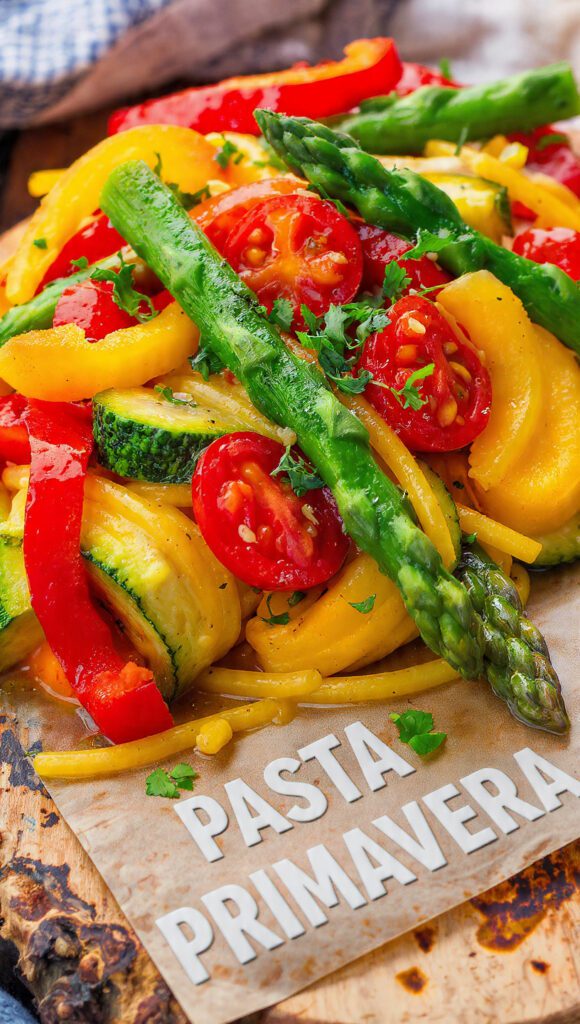
Let’s be brutally honest: if your only experience with “vegetables” involves a sad, steamed medley or a side salad you pretend to eat, we need to have a serious intervention. We’ve all been there—trying to force down a plate of bland greens, pretending it’s good for us, while secretly dreaming of pizza. It’s a culinary tragedy! But then, you discover a real pasta primavera recipe, and suddenly, your perception of vegetables transforms. It becomes a vibrant, flavorful symphony that makes you actually want seconds.
I once served this to a friend who swore they hated zucchini. After the first forkful of brightly colored pasta, tossed in a light, garlicky sauce, they were asking for the recipe and questioning their entire anti-vegetable existence. That, my friends, is the power of fresh produce, perfectly cooked, and lovingly embraced by pasta. Are you ready to stop settling for drab, disappointing greens and start building a legendary, vibrant Italian masterpiece?
🏆 Why This Pasta Primavera is the Actual GOAT
Why should you bother chopping a bunch of veggies when you could just grab a frozen dinner? Because this pasta primavera is the ultimate “healthy-ish, super-flavorful” flex. It relies on the absolute best of seasonal produce, cooked just until tender-crisp, and then tossed with pasta in a bright, zesty sauce. It’s essentially a celebration of spring on a plate.
This recipe is awesome because it’s endlessly customizable—use whatever vegetables look good at the market! It impresses guests because it looks incredibly colorful and fresh, screaming “I’m a thoughtful cook who cares about nutrition and flavor.” Plus, it’s remarkably quick. It’s the undisputed champion of fresh, vibrant weeknight dinners, IMO.
🥕 The “Farmer’s Market Haul” Ingredient List
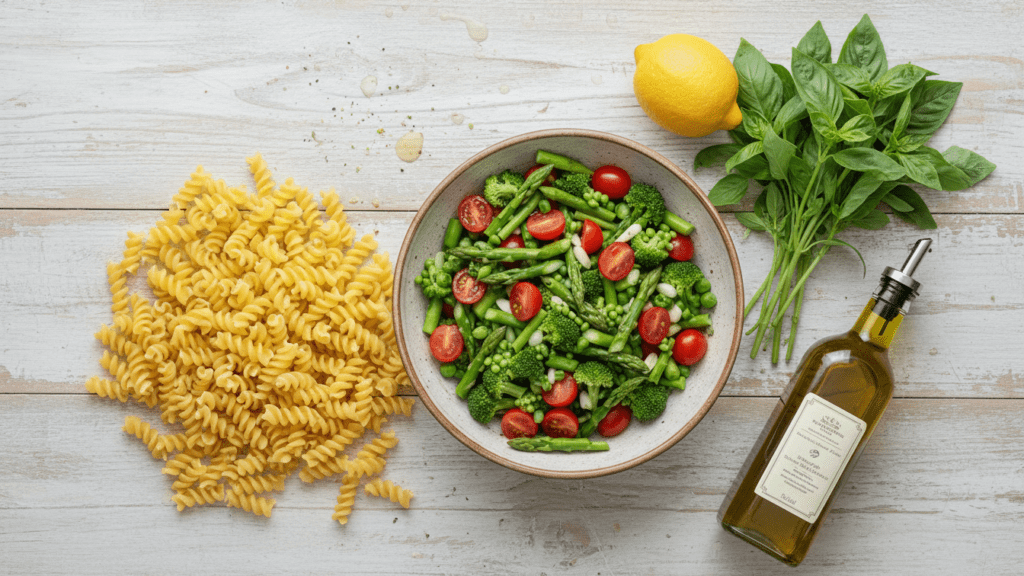
Success depends entirely on the freshness of your vegetables and the quality of your olive oil. Don’t go for sad, wilted produce, or your pasta will lack joy and your life will lack flavor.
- 1 lb Short Pasta (Penne, Farfalle, or Orecchiette): The shape helps trap the sauce and veggies.
- 2 Tablespoons Extra Virgin Olive Oil: Use the “good stuff” you keep for finishing dishes.
- 1 Small Yellow Onion: Finely diced.
- 2 Cloves Garlic: Minced (or more, if you’re a garlic fiend like me).
- 1 Cup Asparagus: Trimmed and cut into 1-inch pieces.
- 1 Cup Broccoli Florets: Small florets, please.
- 1 Cup Cherry Tomatoes: Halved.
- ½ Cup Snap Peas: Fresh, bright green, and crunchy.
- ½ Cup Frozen Peas: Because sometimes fresh aren’t available, and they add a nice pop.
- Zest of 1 Lemon + 2 Tablespoons Lemon Juice: For that essential zesty brightness.
- ½ Cup Reserved Pasta Water: The “liquid gold” that binds the sauce.
- ¼ Cup Freshly Grated Parmigiano-Reggiano: Or more, because cheese is life.
- ¼ Cup Fresh Basil: Roughly chopped.
- Salt & Freshly Cracked Black Pepper: To taste.
Key Substitutions
- Vegetable Swap: Use zucchini, bell peppers, spinach, or mushrooms. Seriously, whatever looks good!
- Cheese Swap: If you’re dairy-free, use nutritional yeast for a cheesy flavor.
- Protein Boost: Add grilled chicken, shrimp, or chickpeas for a more substantial meal.
🔪 Tools & Kitchen Gadgets Used
You don’t need a professional laboratory, but a few basics make this a twenty-minute job instead of a soggy struggle.
- Large Pot: For boiling the pasta (obviously). Check out heavy-duty stockpots here!
- Large Skillet or Sauté Pan: Big enough to hold all those glorious veggies and the finished pasta. Grab a spacious non-stick pan!
- Colander: For draining the pasta, while strategically saving some pasta water. Check out stainless steel colanders!
- Microplane Grater: For that delicate lemon zest and fluffy parmesan. Get a precision grater here!
- Chef’s Knife & Cutting Board: For all the delightful vegetable prep.
👩🍳 Step-by-Step Instructions: The Path to Vibrant Glory
Follow these steps precisely. Primavera is about the “texture,” not the mush. Patience (and paying attention to cook times) is your best friend.
1. The Water Dance
Bring a large pot of water to a rolling boil. Salt it generously until it tastes like the ocean—this is your only chance to season the pasta itself. Drop your pasta in and cook according to package directions, but aim for al dente.
2. The Veggie Sauté
While the pasta boils, heat the olive oil in your large skillet over medium heat. Add the diced onion and cook until softened, about 3-4 minutes. Toss in the minced garlic and cook for another minute until fragrant (don’t let it burn!).
3. The Green Dream Team
Add the asparagus and broccoli florets to the skillet. Sauté for 3-5 minutes until they are tender-crisp and bright green. Next, throw in the snap peas and cherry tomatoes, cooking for just 2 more minutes. We want them vibrant, not sad and droopy.
4. The Pea Perfection
Just before the pasta finishes cooking, add the frozen peas to the skillet with the other vegetables. They only need a minute or two to thaw and warm through.
5. The Pasta Rescue
Before you drain the pasta, scoop out about ½ cup of the starchy pasta water and set it aside. This is your secret weapon for a silky sauce! Drain the rest of the pasta thoroughly.
6. The Great Integration
Add the drained pasta directly to the skillet with the cooked vegetables. Pour in the lemon juice, lemon zest, and a few splashes of your reserved pasta water. Toss everything vigorously. The starch from the pasta water and a little olive oil will create a light, emulsified sauce.
7. The Finishing Flourish
Remove the skillet from the heat. Stir in the freshly grated Parmigiano-Reggiano and the chopped fresh basil. Season generously with salt and freshly cracked black pepper. Taste it! Does it need more lemon? More cheese? More sass?
8. The Immediate Gratification
Serve your pasta primavera immediately. This dish waits for no one! Garnish with a little extra basil and a final dusting of cheese. Revel in the fact that you just made vegetables incredibly delicious.
📊 Calories & Nutritional Info (The Guilt-Free Indulgence)
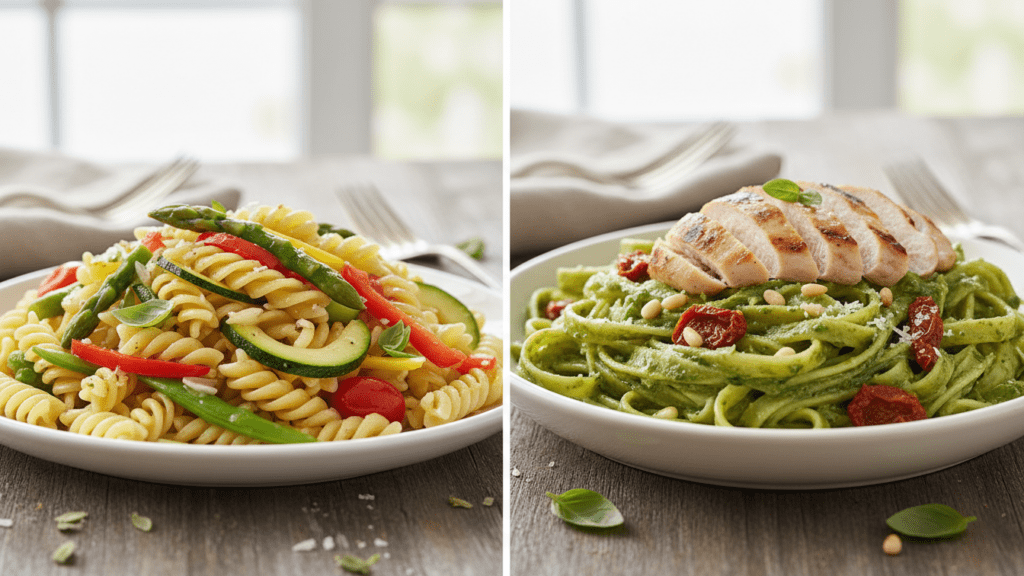
Since this is practically a garden in a bowl, we can legally pretend it’s a detox. Right?
- Estimated Calories Per Serving: $\approx$ 400–500 kcal.
- Fiber Power: High levels from all those glorious vegetables (your gut will thank you!).
- Vitamins & Minerals: Packed with Vitamin C, K, A, and folate.
- Protein Boost: About 15-20g, especially with whole wheat pasta or added protein.
- Mood: 100% improved after the first vibrant bite. 🙂
🚨 Common Mistakes to Avoid (The Veggie Fails)
Avoid these if you want people to actually keep talking to you at the dinner table.
- Overcooking the Veggies: Mushy vegetables are a crime against nature. Keep them tender-crisp!
- Using Cold Pasta Water: If you forget to save it, just use a splash of regular water, but it won’t be as silky. The starch is key!
- Forgetting Lemon Zest: It adds a bright, essential flavor boost you can’t get from just juice. Don’t skip the zest!
- Bland Seasoning: Vegetables need salt and pepper to sing. Taste and adjust!
✨ Variations & Customizations
Because you’re the boss of this vegetable parade.
1. The Pesto Power-Up
Stir in 2-3 tablespoons of fresh basil pesto at the very end with the cheese and basil. It adds another layer of herbal, garlicky goodness.
2. The “Mediterranean Dream”
Add kalamata olives, sun-dried tomatoes, and crumbled feta cheese to the sautéed vegetables. Ditch the lemon juice for a splash of red wine vinegar.
3. The Creamy (But Still Healthy) Twist
Whisk 2 tablespoons of cream cheese or mascarpone into your reserved pasta water before adding it to the skillet. It creates a richer, slightly creamier sauce without being heavy.
❓ FAQ Section: Your Primavera Queries Answered
What does “primavera” mean?
“Primavera” is Italian for “spring.” The dish is named for its use of fresh, vibrant spring vegetables.
Can I use any type of pasta?
Yes! Short pasta shapes like penne, farfalle, or orecchiette work best because they trap the small vegetable pieces and sauce beautifully.
Is pasta primavera healthy?
Yes, absolutely! It’s packed with fresh vegetables, making it a great way to get your daily nutrients. Keep the olive oil and cheese in moderation for an even lighter meal.
Can I make it vegan?
Definitely! Simply omit the Parmigiano-Reggiano and use nutritional yeast for a cheesy flavor. Ensure your pasta is egg-free if you’re being strict.
What kind of vegetables are best for primavera?
The best vegetables are whatever is in season! Asparagus, broccoli, peas, bell peppers, zucchini, spinach, and cherry tomatoes are all fantastic choices.
How do I prevent my vegetables from getting soggy?
Cook them quickly over medium-high heat, and don’t overcrowd your pan. Cook them in batches if necessary, and aim for tender-crisp, not mushy.
Can I make pasta primavera ahead of time?
TBH, it’s best fresh. The vegetables can get soggy if they sit too long. You can prep and chop the vegetables ahead of time, then cook and assemble just before serving.
🥂 Final Thoughts: Go Forth and Veggie-Load!
You’ve done it. You’ve successfully navigated the world of “Delicious Vegetable Pasta” without having a public breakdown. You are now a titan of the skillet and a hero of the dinner party. Go ahead, have that second serving—it’s mostly just vegetables and sunshine, right? Just don’t tell me if you used a frozen vegetable medley that had been in your freezer since 2008; I have a reputation to maintain. 😉