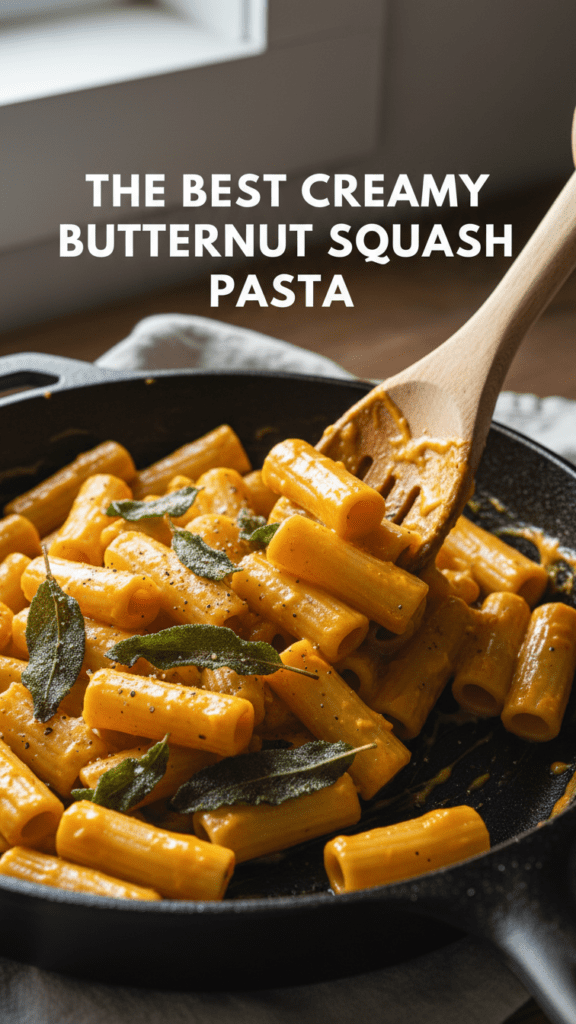
The Ultimate Creamy Butternut Squash Pasta Sauce: A Gourmet Hug in a Bowl
Let’s be brutally honest for a second: we’ve all had those “healthy” vegetable pasta sauces that possess the personality of a wet paper bag and the flavor profile of a dusty attic. You sit there, chewing on a piece of whole-wheat penne, trying to convince your brain that you’re having a “treat” while your soul quietly yearns for a big, warm hug of melted butter and heavy cream. But what if I told you that a butternut squash pasta sauce actually exists that is so thick, so rich, and so unapologetically decadent that your “cheese-is-life” friends will actually ask for the recipe?
I first whipped this up for a friend who thinks “vegetables” are just a fancy word for “starvation.” One bite of this silky, garlic-infused masterpiece later, and she was literally scraping the bottom of the saucepan with a piece of garlic bread, questioning her entire identity as a carnivore. This isn’t just a “safe option” for the health-conscious crowd; it is objectively elite comfort food. If you want to shut down the skeptics and reclaim your kitchen dignity without the post-alfredo bloating, you’re in the right place. Ready to ruin standard tomato sauce for yourself forever? Let’s get to the roasting.
Why This Sauce is the Absolute GOAT of Autumn Dinners
Why should you bother roasting a gourd for a butternut squash pasta sauce when you could just open a jar of the red stuff? Because your taste buds deserve a party, not a chore. First off, the flavor profile is a masterpiece of balance—think the earthy sweetness of caramelized squash playing tag with the savory punch of fried sage and the sharp zing of parmesan. It isn’t just “good for being healthy”; it is a vibrant, complex comfort dish that makes you feel like a Michelin-star chef in your own pajamas.
Secondly, it is ridiculously easy to assemble. If you can use a blender without needing an instruction manual or a trip to the emergency room, you’ve already won. It’s a one-pan (plus a blender) wonder that makes you look sophisticated while the oven does 90% of the heavy lifting. Plus, it impresses guests every single time—nothing says “I have my life together” like a perfectly emulsified, golden sauce. TBH, it’s the most empowering thing you can do with a vegetable. 🙂
The Grocery List: Clean, Simple, and High-End
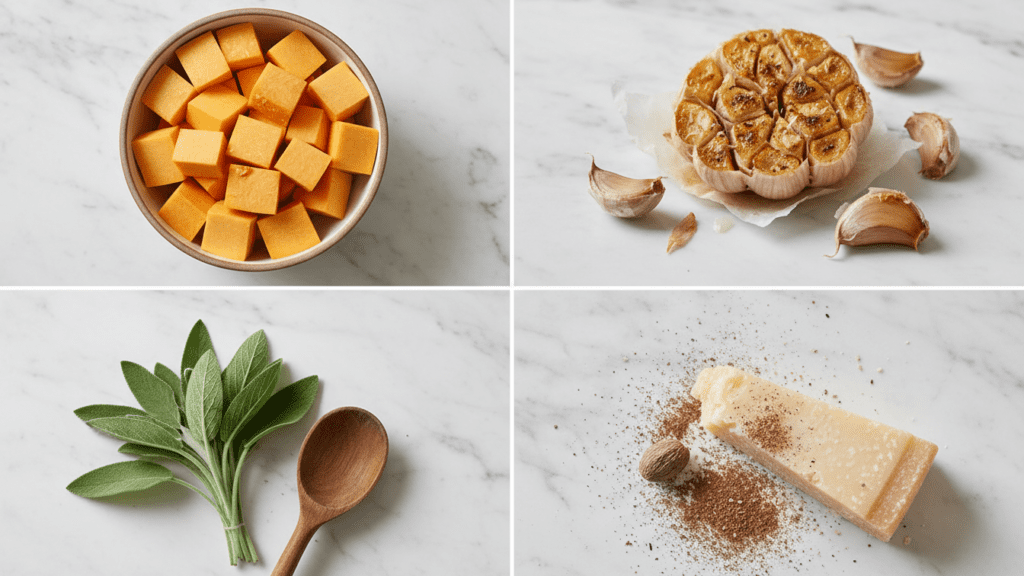
Don’t overcomplicate your life by searching for rare starches harvested under a blue moon. We are using powerhouse staples that actually play well together.
- Butternut Squash: 1 large one (about 2-3 lbs). Buy the pre-cut chunks if you value your fingers and your time; I won’t judge you.
- Garlic: One whole head. Yes, the entire thing. Trust the process.
- Shallots: 2 large ones. They are like onions but with a better resume.
- Fresh Sage: A giant handful. Dried sage tastes like dust, so don’t even try it.
- Vegetable Broth: 1 to 2 cups. Use a high-quality one for better depth.
- Heavy Cream or Full-Fat Coconut Milk: 1/2 cup for that “viral” velvet texture.
- Parmesan Cheese: 1/2 cup, freshly grated. (Skip the green shaker can, we are adults here).
- Nutmeg: Just a pinch. It makes the squash taste “expensive.”
- Pasta of Choice: Rigatoni or Shells are best for catching all that liquid gold.
Tools & Kitchen Gadgets You’ll Actually Use
To make this the smoothest cooking experience of your life, snag these basics. I’ve linked my favorites so you can treat your kitchen to the upgrades it deserves!
- High-Speed Blender: The absolute non-negotiable for a grit-free sauce. Check out this Vitamix powerhouse on Amazon here.
- Large Rimmed Baking Sheet: Essential for roasting the squash without it sliding into the abyss. Grab a professional-grade sheet here.
- Cast Iron Skillet: For frying that sage until it’s perfectly crispy. This Lodge skillet is a legend.
- Microplane Grater: For that “snowing” Parmesan effect and fresh nutmeg. Get a professional one here.
- Silicone Whisk: Perfect for stirring the sauce without scratching your pan. Get a heat-resistant set here.
Step-by-Step Instructions: The Path to Silky Glory
Follow these steps precisely. TBH, the prep is the difference between a gourmet feast and a clumpy vegetable disaster.
1. The Roasting Ritual
Preheat your oven to 400°F (200°C). Toss your butternut squash chunks, halved shallots, and the entire head of garlic (with the top sliced off) onto your baking sheet. Drizzle with olive oil, salt, and pepper. Roast for 35-40 minutes until the squash looks caramelized and the garlic feels soft enough to tell you its secrets.
2. The Great Squeeze
Once the veggies cool slightly, squeeze the roasted garlic cloves out of their skins directly into your high-speed blender. Add the roasted squash and shallots. FYI: try not to eat all the roasted garlic before it hits the blender; I know it’s tempting.
3. The Liquid Marriage
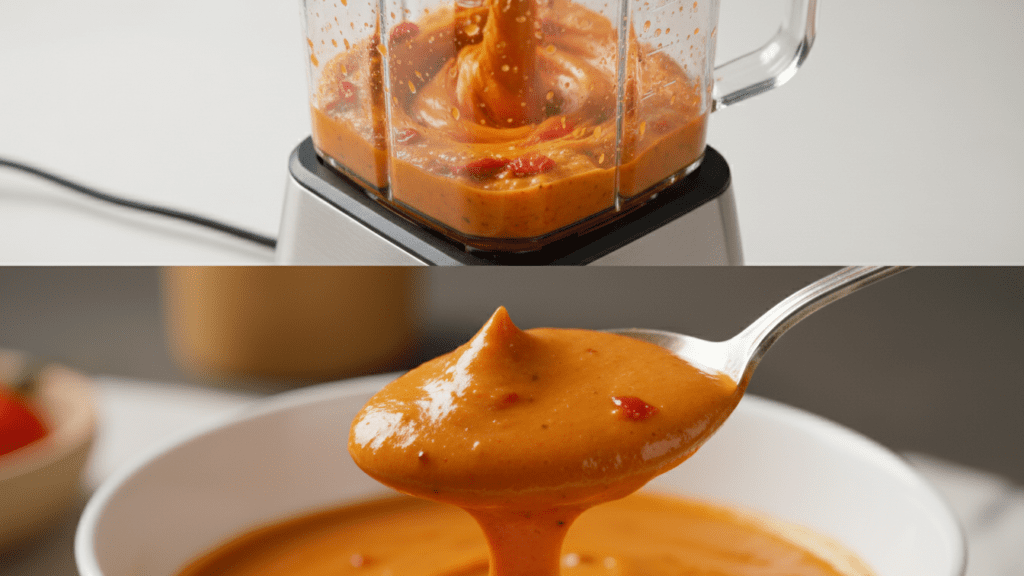
Pour the vegetable broth, heavy cream, and that pinch of nutmeg into the blender with the roasted veggies. Blitz on high for 60 seconds. You are looking for a texture so smooth it looks like liquid gold. If it’s too thick, add a splash more broth until it reaches “pourable perfection” status.
4. The Sage Sizzle
While the blender works, heat a little oil or butter in your skillet and fry the fresh sage leaves for about 30 seconds. They should be crisp but not burnt. Remove them and set them aside—these are your crispy flavor bombs.
5. The Big Combine
Pour the blended sauce into your skillet or a large pot over low heat. Toss in your cooked, al dente pasta. Use a pair of tongs to coat every strand. Stir in the Parmesan cheese until it melts into the sauce. If it gets too thick, add a splash of the starchy pasta water.
6. The Final Flex
Serve immediately. Top with those crispy sage leaves, extra cracked black pepper, and more Parmesan. Eat it while it’s hot, because this sauce waits for no one.
Calories & Nutritional Info
For those of you who track your stats like a part-time job, here is why your body will love this bowl:
- Calories: ~320 kcal per serving (sauce only, serves 4).
- Net Carbs: ~28g (High in complex, fiber-rich carbs!).
- Protein: ~8g (Mostly from the glorious Parmesan).
- Fat: ~18g (Heart-healthy fats and creamy goodness).
- Vitamins: Packed with Vitamin A and C from the squash.
Common Mistakes to Avoid: Don’t Be That Person
Even a recipe this simple can go sideways if you get cocky. Avoid these blunders to keep your kitchen dignity.
- Boiling the Sauce on High: High heat can cause the cream to break or the squash to get grainy. Keep it low and slow.
- Using Only Water: Water provides zero flavor. Use a high-quality broth to give the sauce life.
- Skipping the Nutmeg: It seems optional, but it’s the secret to that “restaurant-style” depth. Don’t skip it.
- Draining All the Pasta Water: That starchy water is the secret to a glossy sauce. Save a cup.
- Under-Roasting: If the squash isn’t browned, it won’t be sweet. Wait for the caramelization.
Variations & Customizations
Feeling adventurous? Here are three ways to flip the script on this butternut squash pasta sauce:
The Spicy Siren
Add a tablespoon of Calabrian chili paste to the blender. It turns the sauce a beautiful fiery orange and gives it a kick that clears the sinuses and warms the soul.
The Vegan Warrior
Swap the heavy cream for full-fat canned coconut milk and use nutritional yeast instead of Parmesan. It stays just as creamy and rich without a single cow involved. 🙂
The Protein Power-Up
Stir in some crispy pancetta or crumbled spicy Italian sausage at the end. The saltiness of the meat pairs perfectly with the sweetness of the squash.
FAQ Section: You Asked, I Answered
Can I make butternut squash pasta sauce ahead of time? Yes! It stays peak delicious in the fridge for about 4 to 5 days. It will thicken as it sits, so just add a splash of water or broth when you reheat it to bring back the silkiness.
Do I have to peel the squash? If you bought a whole squash, yes. The skin is tough and won’t blend smoothly. IMO, just buy the pre-peeled cubes and save yourself the workout.
Can I freeze this sauce? Heck yes. It freezes beautifully for up to 3 months. Just thaw it in the fridge overnight and give it a good whisk or a quick blitz in the blender after reheating.
Is butternut squash sauce healthier than Alfredo? Absolutely. You’re trading a base of pure butter and cream for nutrient-dense fiber and vitamins. It’s basically a salad in disguise.
Why is my sauce grainy? This usually means your blender isn’t powerful enough or your squash wasn’t roasted until soft. Try blending it for another 2 minutes on the highest setting.
Can I use frozen butternut squash? You can, but it won’t caramelize as well as fresh. If you use frozen, roast it directly from frozen with a bit of extra oil to help it brown.
What pasta shape is best? Go for something with holes or ridges. Rigatoni, Penne, or Conchiglie (shells) are the undisputed kings for holding onto thick, creamy sauces.
Final Thoughts
There you have it. A butternut squash pasta sauce recipe that actually respects your time and your taste buds. It’s smoky, it’s thick, and it’s the only meal that makes me feel like I’m winning at adulthood on a random Tuesday. Once you make this, you’ll realize that store-bought jarred sauces are just a sad, salty lie. Go forth, roast that gourd, and enjoy the creamy glory. Just don’t be surprised when your neighbors start raiding your leftovers. 🙂
Would you like me to help you find the perfect wine pairing for this dish?