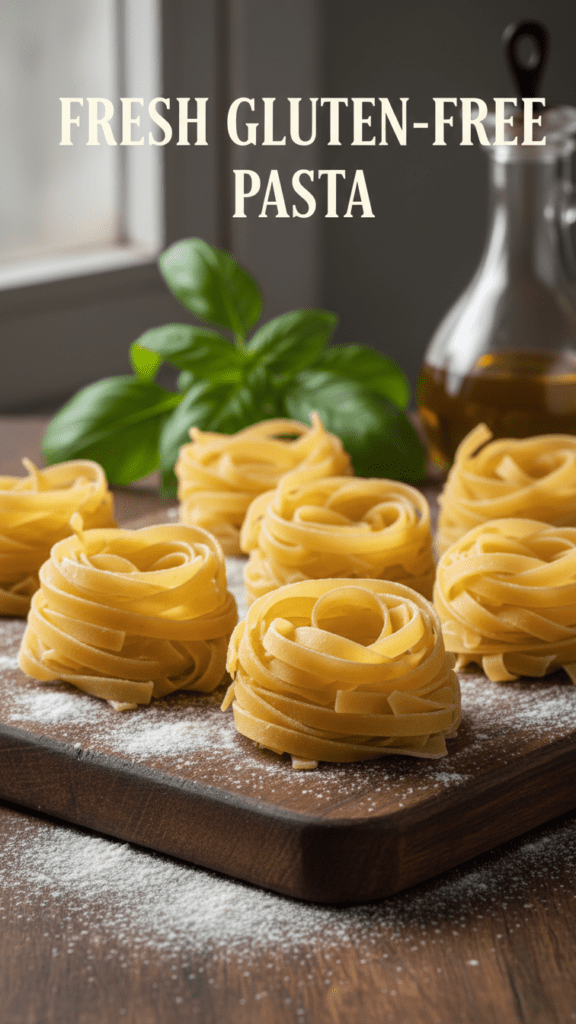
The Ultimate Gluten-Free Pasta Recipe: Chewy, Silky, and Actually Real
Let’s be brutally honest for a second: most store-bought gluten-free pasta has the structural integrity of a wet paper towel and the flavor profile of a dusty attic. You know the drill. You boil it for seven minutes and it’s crunchy; you boil it for seven minutes and one second, and suddenly you’re staring at a pot of starchy sludge. It’s a culinary betrayal of the highest order. But what if I told you that you could make fresh, golden, springy pasta at home that actually bends without breaking?
I first mastered this recipe after a disastrous dinner party where my “health-conscious” lasagna turned into a pile of mush that resembled an elementary school art project. After a few tears and a lot of flour-dusted research, I cracked the code. This isn’t just “good for being gluten-free”; it is objectively delicious. If you’re ready to reclaim your Italian-heritage dreams without the bloating or the heartbreak, you are in the right place. Ready to make a dough that actually has a soul? Let’s get messy.
Why This Pasta is the G.O.A.T. of Your Kitchen
Why should you bother dusting off a rolling pin when the “brown rice penne” is sitting right there on the shelf? Because your taste buds have standards, that’s why. First off, the texture is elite. We aren’t making giant crackers here; we’re making a silky, egg-rich dough that carries sauce like a dream.
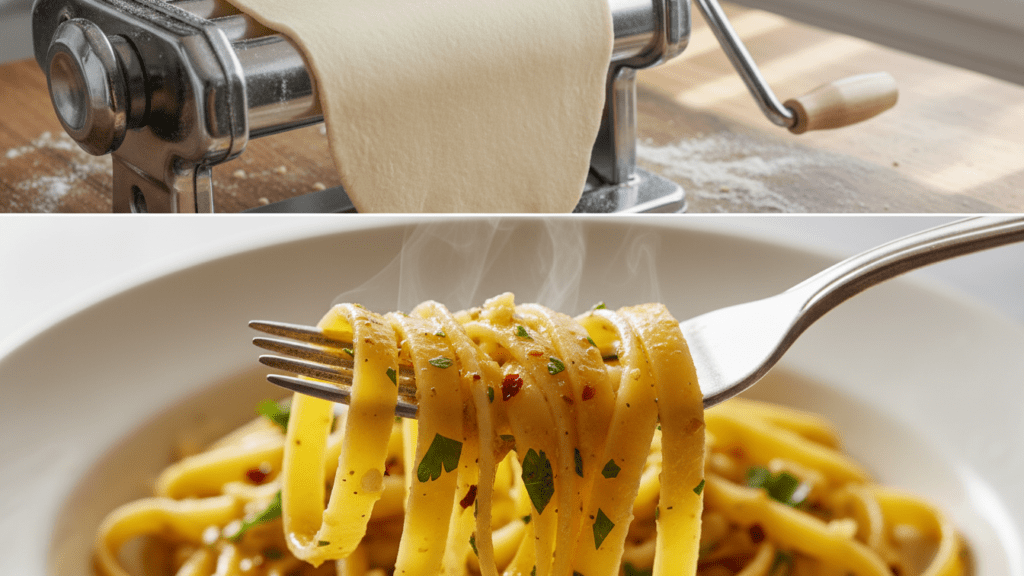
Secondly, it is ridiculously impressive. Nothing screams “I have my life together” more than hanging fresh pasta strands across your kitchen. Plus, the cook time is roughly 90 seconds. While your friends are waiting for their water to reach a rolling boil, you’re already halfway through your first glass of Chianti. It’s the ultimate flex for a dinner party, and TBH, it’s the most empowering recipe in any Celiac-friendly arsenal.
The Grocery List: No Science Lab Required
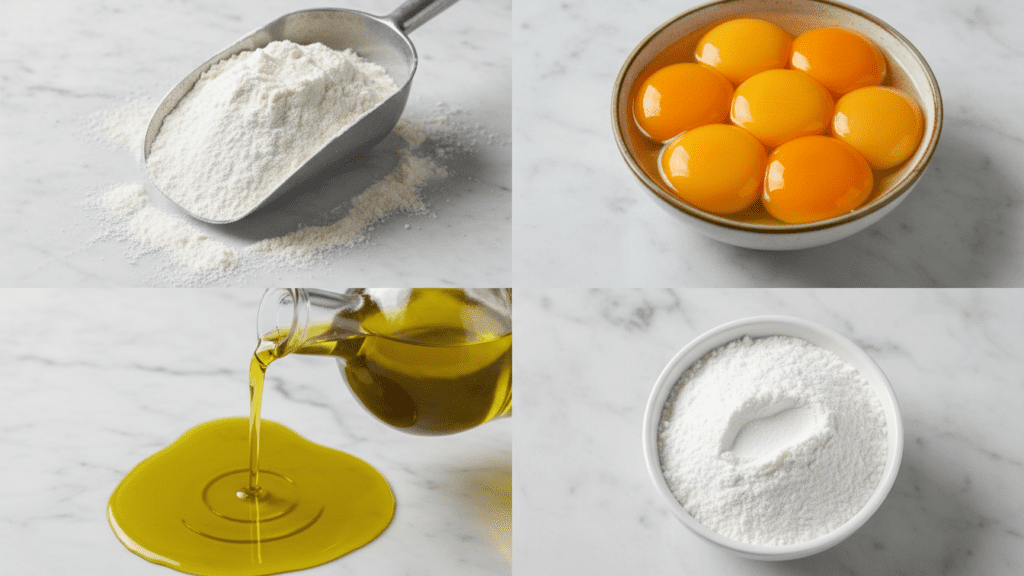
Don’t overcomplicate your life by searching for rare starches harvested under a blue moon. We are using powerhouse pantry staples that actually work together to create magic.
- Gluten-Free All-Purpose Flour Blend: Look for a high-quality blend that includes Xanthan Gum. (Substitute: If yours doesn’t have it, add 1.5 teaspoons of xanthan gum to the mix).
- Tapioca Starch: This is the secret weapon for that “chew” we all miss.
- Large Eggs: 3 whole eggs and 2 yolks. We want that deep, golden color.
- Olive Oil: One tablespoon of the good stuff.
- Sea Salt: Because flavorless dough is a culinary felony.
- Warm Water: Just a splash, only if the dough is feeling a bit “moody” and dry.
Tools & Kitchen Gadgets Used
To make this the smoothest process of your life, snag these basics. I’ve linked my favorites so you can treat your kitchen to the upgrades it deserves!
- A Solid Pasta Machine: Hand-rolling is for masochists. Check out this classic Marcato Atlas on Amazon.
- Large Wooden Cutting Board: Provide your dough with a sturdy stage. Grab a beautiful maple board here.
- Bench Scraper: Essential for cleaning up starchy messes. This stainless steel tool is a game-changer.
- Pasta Drying Rack: Because you don’t want your hard work sticking together. Try this collapsible rack.
- Digital Kitchen Scale: Precision is the difference between pasta and a brick. Get a reliable scale here.
Step-by-Step Instructions: The Path to Pasta Glory
Follow these steps precisely. TBH, the order matters more than you think when you’re working without wheat.
1. The Flour Volcano
On your large wooden cutting board, whisk together your gluten-free flour blend, tapioca starch, and salt. Create a wide “well” in the center. It should look like a little starchy volcano ready to erupt.
2. The Liquid Marriage
Crack your eggs and yolks into the center of the well and add the olive oil. Using a fork, gently whisk the eggs, slowly bringing in flour from the inner walls of the volcano. FYI: if your volcano wall breaks and the eggs start a jailbreak across the counter, don’t panic. Just use your bench scraper to corral the liquid back into the center.
3. The Knead for Speed
Once a shaggy dough forms, start kneading by hand. You need to work this dough for at least 5-8 minutes. Unlike wheat pasta, you aren’t developing gluten, but you are hydrating the starches and activating the xanthan gum. The dough should feel smooth, pliable, and slightly tacky, like Play-Doh.
4. The Beauty Nap
Wrap the dough tightly in plastic wrap. Let it rest at room temperature for 30 minutes. Do not skip this! The flour needs time to absorb the moisture, or your pasta will be gritty and sad. Go watch a YouTube video on how to pronounce “Tagliatelle” properly while you wait.
5. Roll and Thin
Divide the dough into four pieces. Keep the ones you aren’t using wrapped so they don’t dry out. Dust your pasta machine with flour. Flatten a piece of dough and run it through the widest setting. Fold it in thirds like a letter and run it through again. Repeat this “lamination” 3 times. Now, keep narrowing the settings until the sheet is translucent.
6. The Cut and Cook
Use the cutter attachment on your machine to create fettuccine or linguine. Toss the strands with a little extra flour and hang them on your pasta drying rack. To cook, drop them into a pot of heavily salted boiling water for 2-3 minutes. The moment they float, they are done!
Calories & Nutritional Info
For those of you who track your stats like a part-time job, here is the lowdown per serving (approx. 4 servings):
- Calories: ~340 kcal
- Carbs: ~58g (pure energy, baby!)
- Protein: ~9g (thanks, eggs!)
- Fat: ~8g (the olive oil and yolks do the work here)
- Fiber: ~3g (depends on your specific flour blend)
Common Mistakes to Avoid: Don’t Be That Person
Even a recipe this simple can go sideways if you get cocky. Avoid these blunders to keep your dignity and your dinner intact.
- Using Cold Eggs: Cold eggs make the dough stiff and difficult to work with. Warm them in a bowl of tepid water for 5 minutes before cracking.
- Skipping the Rest: If you don’t let the dough rest, it will snap and crumble in the machine. Patience is a flavor.
- Adding Too Much Water: GF dough is deceptive. It might look dry, but keep kneading before adding liquid. Add water only by the teaspoon.
- Overcooking: Fresh pasta is not like boxed pasta. If you leave it for 5 minutes, you are eating porridge. Watch that pot like a hawk.
- Not Enough Salt: Your pasta water should taste like the Mediterranean Sea. Don’t be shy with the salt shaker.
Variations & Customizations
Feeling adventurous? Here are three ways to flip the script on this fresh gluten-free pasta:
The Verdant Green Goddess
Blanch a handful of fresh spinach, squeeze out every single drop of water, and puree it with your eggs. It turns the pasta a stunning emerald green and adds a subtle earthy flavor. Perfect for a vegetarian swap with a light garlic butter sauce.
The Spicy Siren
Add a tablespoon of tomato paste and 1 teaspoon of crushed red pepper flakes to the egg mixture. It results in a fiery, sunset-orange dough that pairs beautifully with seafood or a simple marinara.
The Keto-Ish Almond Twist
Replace 1/2 cup of the AP flour with super-fine almond flour. It adds a nutty richness and lowers the carb count slightly. You might need an extra egg yolk to help with the binding, but the texture is incredibly decadent.
FAQ Section: You Asked, I Answered
Why is my gluten-free pasta falling apart in the water? Usually, this means your dough was too dry or you didn’t knead it long enough to activate the xanthan gum. Next time, ensure the dough feels like soft clay before it goes into the plastic wrap.
Can I make this without a pasta machine? Yes, but get ready for a workout. Use a rolling pin to get it as thin as humanly possible, then roll the sheet into a log and slice it with a sharp knife. IMO, the machine is worth the investment.
How do I store fresh gluten-free pasta? You can dry it completely on the rack (takes about 24 hours) and store it in an airtight container for 2 weeks. Or, freeze it in “nests” on a baking sheet, then transfer to a freezer bag. Cook straight from frozen!
Does this pasta taste like rice or corn? Nope! Because of the high egg content and the flour blend, it tastes like authentic Italian egg pasta. Your gluten-eating friends won’t be able to tell the difference.
Can I make this pasta vegan? It’s tricky because eggs provide the structure. You can use an egg replacer and a bit more olive oil, but the pasta will be more delicate. I recommend a “flax egg” for a heartier, grainier texture.
What is the best sauce for fresh pasta? Fresh pasta is delicate, so a light brown butter and sage sauce or a simple Carbonara is elite. Avoid heavy, chunky meat sauces that might weigh down the tender strands.
Is tapioca starch mandatory? Technically no, but you’ll miss the “chew.” Tapioca provides that elasticity that is naturally missing without gluten. If you can’t find it, use cornstarch, but the texture will be slightly different.
Final Thoughts
There you have it. A fresh gluten-free pasta that actually respects your time and your taste buds. It’s chewy, it’s silky, and it’s the only recipe that makes me feel like I’m winning at adulthood on a Friday night. Once you master this dough, you’ll realize that the boxed stuff in the “specialty” aisle has been lying to you for years. Go forth, roll some dough, and enjoy the springiness. Just don’t be surprised when your wheat-loving friends start stealing your bowl. 🙂