🥖 Sourdough Saviour: The Easiest Sourdough Discard Crackers Recipe
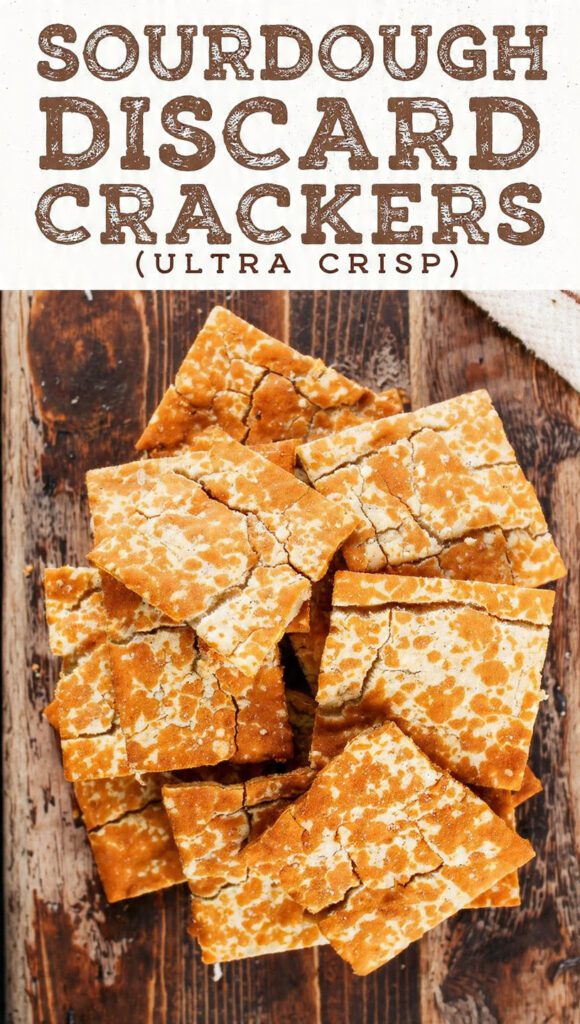
Let’s be honest, the moment you commit to keeping a sourdough starter alive, you also commit to an endless cycle of guilt. You feed it, it thrives, and then you scoop out that beautiful, bubbly discard, which you promptly toss because who has time to bake bread every day? Stop the madness! That discard isn’t trash; it’s the secret to the crunchiest, tangiest, most ridiculously addictive crackers you will ever eat. This sourdough discard crackers recipe is the ultimate two-step zero-waste solution. You get a perfect, savory crunch with a subtle, sophisticated sour tang. Seriously, you will actually look forward to discarding your starter now.
Why This Recipe Is the Ultimate Discard Hack
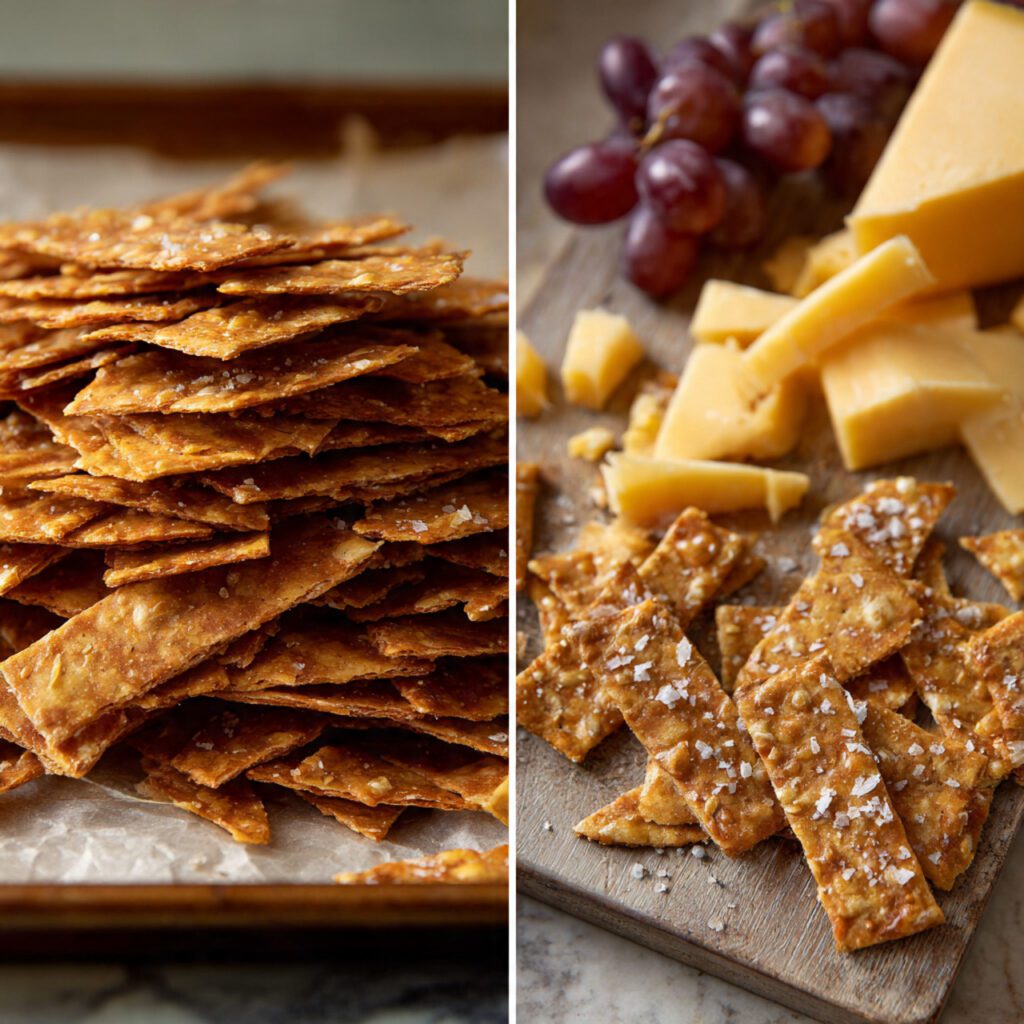
These crackers are awesome because they deliver flavor complexity and crunch texture that you simply cannot get from store-bought crackers. The sourdough discard provides a deep, tangy depth, while the baking process ensures they are shatteringly crisp—perfect for dipping or topping.
You need to master this recipe because it solves the sourdough guilt problem immediately. It’s a two-ingredient base (discard + flour!) that requires no kneading, no complex rising, and minimal active time. You mix, roll thin, bake, and boom—you have gourmet crackers ready for your next cheese board.
It’s economical, incredibly impressive to guests (who wouldn’t be impressed by homemade crackers?), and completely customizable. Are you tired of sad, plain crackers? Do you want a truly unique vehicle for your cheese and dips? This recipe is the answer. IMO, this is the most satisfying way to achieve zero food waste.
Essential Ingredients for Perfect Crunch

The beauty lies in the simplicity of the base, allowing you to layer flavor on top.
- 1 cup Sourdough Discard (unfed): Use starter that hasn’t been fed in 12-24 hours, straight from the fridge or counter.
- 1/2 cup All-Purpose Flour: Or a mix of AP and whole wheat flour for heartiness.
- 2 tbsp Olive Oil: Adds richness and helps achieve that crispy texture.
- 1/2 tsp Salt: Essential for seasoning the dough itself.
H3 Topping Ingredients (The Flavor Layer)
- 1 tbsp Melted Butter or Olive Oil: For brushing.
- Flaky Sea Salt: For a professional, crunchy finish.
- Optional Seasonings: Garlic powder, dried herbs (rosemary, thyme), or Parmesan cheese.
Key Substitutions:
- Flour: Substitute up to half the AP flour with whole wheat, rye, or spelt flour for a nuttier flavor.
- Olive Oil (in the dough): Melted coconut oil or butter works, but olive oil provides the best Mediterranean flavor.
- Salt: Use kosher salt in the dough, but flaky sea salt on top for the best texture contrast.
Tools & Kitchen Gadgets Used
Rolling thin is the biggest hurdle. Use a rolling pin or pasta machine for uniform thickness.
- Large Mixing Bowl: For combining the minimal ingredients.
- Rubber Spatula: For mixing.
- Rolling Pin: Essential for achieving a paper-thin dough.
- Parchment Paper: Crucial for non-stick rolling and baking. Use two sheets.
- Large Baking Sheet: You need one or two sheets to bake the crackers flat.
- Pizza Cutter or Sharp Knife: For scoring the crackers quickly.
- Pastry Brush (Optional): For brushing the oil topping evenly.
Step-by-Step Instructions: Mix, Roll, and Crunch
The speed of this recipe is astonishing. Prep time is under 10 minutes!
H3 Mix the Dough (The 5-Minute Phase)
- Combine: In your mixing bowl, mix the sourdough discard, flour, olive oil, and salt with a rubber spatula. Mix until a smooth, shaggy ball of dough forms. It will be slightly sticky but manageable. Do not overmix!
- Rest (Optional but Helpful): Cover the dough and let it rest on the counter for 15–30 minutes. This allows the gluten to relax, making the dough much easier to roll paper-thin later.
H3 Roll and Score (The Thinness Test)
- Prep to Roll: Preheat your oven to 350°F (175°C). Place the dough ball directly onto a large sheet of parchment paper. Place a second sheet of parchment paper on top.
- Roll Paper Thin: Use your rolling pin to roll the dough out as thin as humanly possible—think almost transparent, paper-thin (about 1/16th of an inch). The thinner the cracker, the crisper the crunch!
- Score and Pierce: Peel off the top sheet of parchment paper. Brush the dough with the melted butter or olive oil. Use a pizza cutter or sharp knife to score the dough into desired cracker shapes (squares, triangles, or rectangles). Do not cut all the way through! Use a fork to pierce each cracker section several times. This prevents puffing!
H3 Bake and Cool
- Bake: Slide the parchment paper sheet directly onto your baking sheet. Bake for 15–20 minutes.
- Check and Finish: After 15 minutes, check the crackers. They should be lightly golden and crispy on the edges. If the center still looks pale or soft, remove the golden edges and return the middle portion to the oven for another 5 minutes.
- Cool Down: Transfer the entire parchment sheet to a wire rack and let the crackers cool completely. They crisp up fully as they cool. Break them along the scored lines and store in an airtight container.
Calories & Nutritional Info (The Guiltless Crunch)
This is a savory snack, and the numbers are quite friendly for a homemade baked good. Estimates are per 8-10 crackers.
- Estimated Calories Per Serving (8-10 Crackers): Approximately 120–150 calories. (Varies based on oil and topping amount).
- Protein: Low to Moderate, around 3–5g per serving.
- Carbohydrates: Moderate, mostly from the flour. Around 15–20g per serving.
- Fat: Moderate, mostly from the olive oil.
- Key Nutritional Note: Contains beneficial wild yeasts and bacteria from the starter. TBH, this is the most nutritious way to eat cheese.
Common Mistakes to Avoid (Crunch Catastrophes)
The difference between a crisp cracker and a chewy flatbread is subtle. Pay attention!
- Not Rolling Thin Enough: The absolute biggest mistake! Thick crackers turn out chewy and soft, not crisp. Roll them until they are almost transparent—think large tortilla chip thickness.
- Skipping the Pricking (Docking): If you don’t pierce the cracker sections with a fork, they will puff up into hollow, uneven blisters. Docking is essential for a flat, crisp finish.
- Baking Too Cool/Too Short: These require low, slow baking to dry out fully. If the oven temperature is too low or the time is too short, they will remain soft. Crackers must be firm and snap easily when cool.
- Storing Before Cooling: If you store the crackers before they are completely cool, the trapped steam will soften them. Wait until they are fully room temperature and crisp before sealing them in a jar.
Variations & Customizations
Bored of the tang? Impossible! But here are ways to flavor your next batch.
H3 Everything Bagel Crunch
Before scoring, brush the dough with the melted butter, and sprinkle generously with Everything Bagel seasoning. Press the seeds lightly into the dough with the rolling pin. The result is salty, garlicky perfection.
H3 Rosemary and Sea Salt
Mix 1 tbsp of finely minced fresh rosemary and 1 tsp of garlic powder directly into the dough during the initial mixing phase. Before baking, brush with oil and sprinkle with flaky sea salt. The herb infusion is divine.
H3 Spicy Chili Lime
Mix 1 tsp of chili powder and 1/2 tsp of ground cumin into the dough. After brushing with oil, sprinkle with lime zest and a dash of cayenne pepper before baking. Serve with guacamole!
FAQ Section: The Sourdough Cracker Conundrums
You’ve got questions about turning goo into gold. We have the answers.
1. Can I use fed/active starter instead of discard?
Yes, but it won’t be quite as tangy. The unfed/discard starter is slightly more acidic, which gives the crackers their signature sharp, addictive flavor. The texture works regardless.
2. Why are my crackers chewy instead of crisp?
They are too thick or undercooked. If they are thick, they can never fully dry out. If they are soft even when cool, they need 5–10 more minutes in the oven (test the thickest part).
3. How long does the dough last in the fridge?
You can store the unbaked, prepared dough in the fridge for up to 3 days. Just let it come to room temperature for 15 minutes before rolling and baking.
4. Can I freeze sourdough discard crackers?
No need to! Once fully baked and cooled, they keep beautifully in an airtight container at room temperature for up to 3 weeks. Just ensure the seal is tight to prevent moisture intrusion.
5. How do I get uniform squares?
Use a ruler and a pizza cutter after rolling. Score the dough in a grid pattern. The most important thing is uniform thickness, so they bake evenly.
6. Should I use butter or oil for the topping brush?
Melted butter gives a richer flavor and a golden color. Olive oil gives a crisper, more neutral texture. Choose based on your desired flavor profile (Mediterranean vs. classic butter cracker).
7. Can I use silicone mats instead of parchment paper?
Yes, you can roll the dough directly on a silicone mat and bake it on the mat. However, parchment paper is often easier because you can roll the dough between two sheets, ensuring you don’t stick to the counter.
Final Thoughts
You just pulled off the ultimate culinary magic trick: you turned your trash (sourdough discard) into a towering platter of crisp, tangy, utterly perfect sourdough discard crackers. You conquered the thin roll and the low bake, and now you have the best base for cheese and dips known to man. Go ahead and crunch guilt-free. You are officially winning the zero-waste game.