
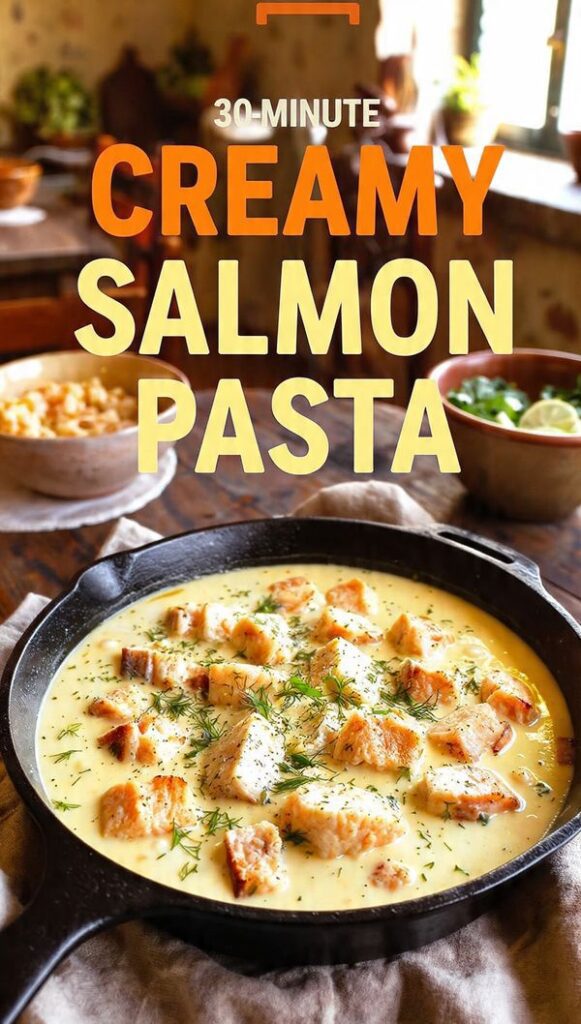
30-Minute Creamy Salmon Pasta: The Ultimate Fast, Fancy Weeknight Dinner
Let’s face it, when you crave creamy pasta, you usually reach for the fettuccine and skip the fish because seafood feels like too much fuss. But what if you could have a restaurant-quality, elegant, and deeply satisfying creamy pasta dish—complete with heart-healthy salmon—ready in under 30 minutes?

Welcome to the ultimate weeknight flex: 30-minute creamy salmon pasta. We use a smart technique where the salmon sears quickly, and the creamy sauce is built right in the same pan while the pasta boils. The result is a velvety, rich sauce infused with garlic and lemon, complemented perfectly by flaky, tender salmon. Get ready to banish takeout and embrace the fast, fancy life. Seriously, why wait for a waiter when you can cook this faster?
Why This Creamy Salmon Pasta Is Awesome (Speed, Elegance, and Health)
This recipe is the perfect blend of efficiency and sophisticated flavor, making it ideal for busy weeknights or date nights.

First, Unbeatable Speed and Efficiency. We employ simultaneous cooking—pasta boiling, salmon searing, and sauce building all happen in parallel. Salmon cooks incredibly fast, allowing the entire dish to finish in under 30 minutes. Why spend an hour on two different pots when you can get it done in one swift, coordinated effort?
Second, Restaurant-Quality Creaminess. The sauce is a simple melt of butter and cream, seasoned intensely with garlic, lemon, and Parmesan. The key is finishing the pasta in the sauce with a bit of starchy pasta water, creating a luscious, emulsified coating that clings to every noodle. IMO, a sauce should never pool at the bottom of the plate.
Third, High-Impact Health. Salmon is an excellent source of Omega-3 fatty acids and lean protein, making this indulgence a surprisingly healthy weeknight choice. The flavor is so rich, you forget you’re eating good-for-you fish. TBH, serving fish this fast makes you feel like a culinary wizard.
The Goods: Ingredients You Need
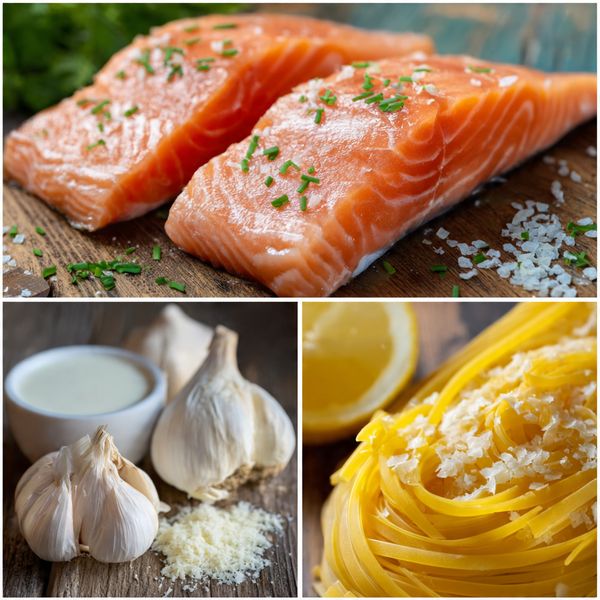
Focus on the freshest salmon fillet you can find, and use a long, thin pasta for the best texture.
- The Pasta Core:
- 8 ounces Long Pasta (Fettuccine, Linguine, or Spaghetti).
- The Protein Star:
- 2 (4–6 oz) Salmon Fillets (skin-on or off).
- The Creamy Sauce Base:
- 4 tablespoons Butter (unsalted).
- 4 cloves Garlic, minced (don’t skimp!).
- 1 cup Heavy Cream (or half-and-half).
- 1/2 cup Grated Parmesan Cheese (freshly grated is best).
- Juice of 1/2 Lemon.
- 1/2 teaspoon Red Pepper Flakes (optional, for warmth).
- The Finish:
- Fresh Parsley or Dill, chopped (for garnish).
- Flaky sea salt and black pepper.
H3 Key Substitutions (The Speedy Swap Guide)
- Salmon Substitute: Use peeled shrimp (cook time reduces to 4 minutes total!) or canned tuna/salmon (flaked, added at the end).
- Heavy Cream Substitute: Use a mix of milk and 1 teaspoon of cornstarch (whisked together) for a lower-fat sauce, but the sauce won’t be as rich.
- Pasta Swap: Use penne or rotini if you prefer short pasta. The cook time remains similar.
- Fat Substitute: Use olive oil instead of butter for a Mediterranean base, but the sauce flavor will be sharper.
Tools & Kitchen Gadgets Used (The Simplicity Solution)
You need two reliable heat sources: one for the pasta and one for the sauce/searing.
- Large Pot: For boiling the pasta water.
- Large Skillet (Non-Stick or Cast Iron): CRUCIAL! This is where you sear the salmon and build the entire sauce.
- Tongs or Fish Spatula: For handling the delicate salmon fillets.
- Whisk: For making the cornstarch slurry (if subbing cream) and whisking the final sauce.
- Colander: For draining the pasta.
- Sharp Knife: For mincing the garlic and chopping the herbs.
Step-by-Step Instructions (Boil, Sear, Sauce, Toss!)
The entire process should flow seamlessly. Start the pasta water first, as it takes the longest!
H3 Step 1: Start the Pasta and Sear the Salmon (10 mins)
- Put the large pot of salted water on high heat.
- While the water heats, pat the salmon fillets dry and season them generously with salt and pepper.
- Heat 1 tablespoon of olive oil in the large skillet over medium-high heat. Place the salmon in the pan. Sear for 4–5 minutes per side until golden and cooked through (internal temp 145°F / 63°C).
- Remove the salmon and set it aside on a plate to rest.
- Once the pasta water boils, add the fettuccine and cook until al dente (check package time, usually 8-10 minutes). Reserve 1 cup of pasta water before draining!
H3 Step 2: Build the Cream Sauce (5 mins)
- Reduce the heat on the skillet to medium-low. Add the 4 tablespoons of butter to the skillet.
- Add the minced garlic and red pepper flakes. Sauté for 1 minute until fragrant (do not burn the garlic!).
- Pour in the heavy cream and lemon juice. Bring the sauce to a gentle simmer, stirring constantly. Reduce the heat to low.
H3 Step 3: Finish and Flake (5 mins)
- Add the grated Parmesan cheese to the simmering sauce, whisking constantly until the cheese is completely melted and the sauce is smooth.
- Add 1/2 cup of the reserved pasta water. Whisk; the starch in the water helps the sauce thicken and adhere to the pasta.
- Flake the rested salmon fillets into large, juicy chunks.
H3 Step 4: Toss and Serve
- Drain the pasta and immediately add it to the skillet with the creamy sauce. Toss everything together until the pasta is perfectly coated.
- Gently fold in the flaked salmon chunks (don’t break them up too much!).
- Garnish with fresh dill or parsley. Serve immediately!
Calories & Nutritional Info (Decadent, but Balanced)
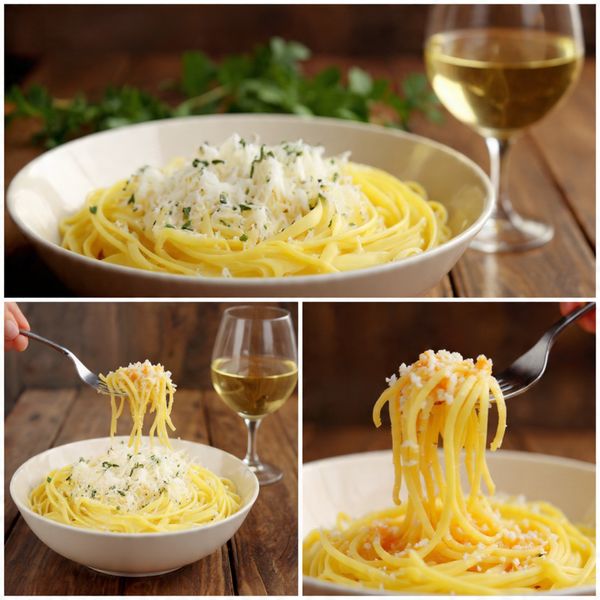
This recipe is rich in healthy fats and protein, making it a satisfying and nutritious choice. This estimate is for one generous serving (1/4 of the recipe).
- Estimated Calories Per Serving (1/4 of recipe): ~650–780 calories. It is a hearty, filling main meal.
- High in Omega-3 Fatty Acids: Salmon is an excellent source, promoting heart and brain health.
- Excellent Source of Protein: Salmon, cream, and cheese provide a high protein count.
- Calcium and Vitamin D: Dairy components contribute essential vitamins.
- Carbohydrates: Pasta is the main carb source.
Common Mistakes to Avoid (The Sauce and Fish Fails)
Achieving perfect sauce consistency and tender fish requires adherence to heat control.
- Overcooking the Salmon: Salmon dries out easily. Cook only to 145°F (63°C) and let it rest. It continues to cook slightly after removal.
- Boiling the Cream: Boiling heavy cream and Parmesan causes the sauce to split, curdle, and turn grainy. Keep the heat low and whisk gently.
- Forgetting the Pasta Water: The starchy pasta water is mandatory! It creates the perfect emulsified, thick, glossy sauce that clings to the noodles.
- Using Pre-Shredded Cheese: Pre-shredded cheese (with cellulose) can make the sauce grainy. Grate your own fresh Parmesan for the smoothest, silkiest sauce.
Variations & Customizations (Flavor Upgrades)
Use the creamy base and quick-searing method to adapt the meal easily.
- Spicy Lemon Shrimp Pasta: Swap salmon for shrimp. Add extra red pepper flakes and a dash of white wine to the sauce base. Shrimp cooks even faster (4 minutes total).
- Linguine with Clam Sauce (Seafood Swap): Skip the salmon. Sauté the garlic. Add canned chopped clams (undrained) and reserved pasta water. Finish with cream and lemon.
- Vegetarian Spinach & Sundried Tomato Pasta: Skip the salmon. Sauté sun-dried tomatoes and spinach after the garlic. Finish with the creamy sauce and add ricotta cheese for protein instead of fish.
FAQ Section (The Pasta and Fish Queries)
People often wonder about the safety and technique of handling fish and creamy sauces quickly.
- Q: Is it okay to use frozen salmon fillets?
- A: Yes, but thaw the salmon completely overnight in the fridge first. Pat them dry before searing for the best results.
- Q: Why should I reserve the pasta water?
- A: The water is starchy, and the starch acts as a natural emulsifier, helping the fat (butter/cream) and the liquid combine into a thick, velvety sauce that sticks to the pasta.
- Q: My sauce separated/curdled. How do I fix it?
- A: Remove the skillet from the heat immediately. Whisk in 1 tablespoon of cold liquid (cream or water) and whisk aggressively until the sauce re-emulsifies. Low heat is key going forward!
- Q: How long do leftovers last?
- A: Due to the fish and cream, leftovers are best consumed within 2 days of preparation. Reheat gently on the stovetop.
- Q: Can I skip searing the salmon?
- A: You can bake the salmon (400°F for 12 minutes) or air fry it (380°F for 8 minutes) while the pasta boils. Searing just adds a superior golden crust and flavor.
- Q: What is the best way to flake the salmon?
- A: Use a fork to gently separate the meat into large, juicy chunks. Don’t shred it finely; you want substantial pieces of fish.
- Q: Can I use low-fat cream cheese for the sauce?
- A: Yes, but whisk it with a little milk and temper it first. Low-fat dairy is more likely to curdle or break when exposed to high heat. Keep the heat very low.
Final Thoughts (The Seafood Savant)
You created a creamy, luxurious, and heart-healthy dinner in a flash. You mastered the dual-action technique—searing the fish while emulsifying the sauce. That bowl of steaming 30-minute creamy salmon pasta is proof that elegance and speed can absolutely coexist. You are officially the Seafood Savant of Weeknights.
Go ahead, twirl that perfectly coated forkful. Did you realize gourmet pasta could be this quick and easy? I bet you’ll be making this every time you host dinner. Now, are you adding dill or capers next time?

