Greek Yogurt Pancakes: The Fluffiest, High-Protein Stack You’ll Ever Make
Let’s be honest, you love pancakes, but you sometimes feel guilty because they’re basically just fluffy carbs. What if you could eat that cloud-like perfection and get a massive protein boost at the same time? Enter the revolutionary Greek yogurt pancakes, your new favorite high-protein breakfast hack.
This isn’t about dry, dense health food; this is about achieving the ultimate tender, fluffy texture thanks to the acidity and thickness of Greek yogurt. It acts like instant buttermilk, creating the perfect reaction with baking soda for maximum rise. Get ready to ditch the guilt and start your day with a satisfying, high-fuel stack. Seriously, why choose between fluffy and healthy when you can have both?
Why These Greek Yogurt Pancakes Are Awesome (Protein, Fluff, and Tenderness)
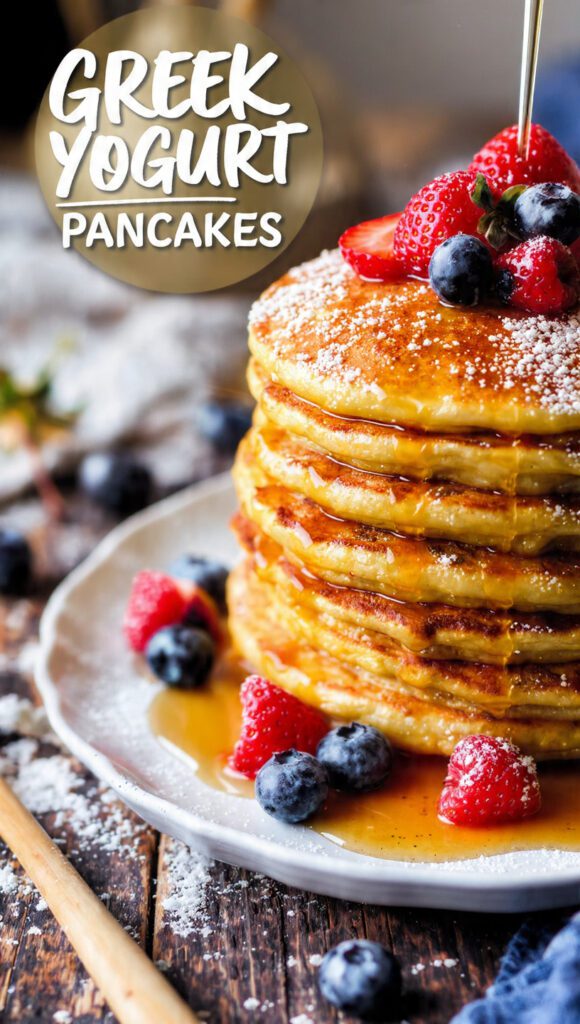
This recipe is the perfect balance of indulgence and nutrition, making it a must-have for weekend brunch or weekday meal prep.
First, The High-Protein Power. Greek yogurt is packed with protein (often 2-3 times more than regular yogurt), which provides sustained energy and keeps you full until lunch. You get a significant protein boost without having to add chalky protein powder. Why eat a high-carb breakfast when you can eat a high-fuel one?
Second, Unbelievable Tenderness. The yogurt’s acidity works wonders with the leavening agents (baking powder/soda), resulting in a huge, fluffy rise and an incredibly tender crumb. It also replaces the need for buttermilk, streamlining the recipe. IMO, the fluffier the pancake, the better the morning.
Third, Fast and Simple Prep. You don’t need fancy tools or techniques. You simply whisk the wet ingredients, fold in the dry, and cook. Since Greek yogurt is thick, the batter is naturally substantial and easy to manage on the griddle. TBH, the hardest part is probably finding the syrup.
The Goods: Ingredients You Need
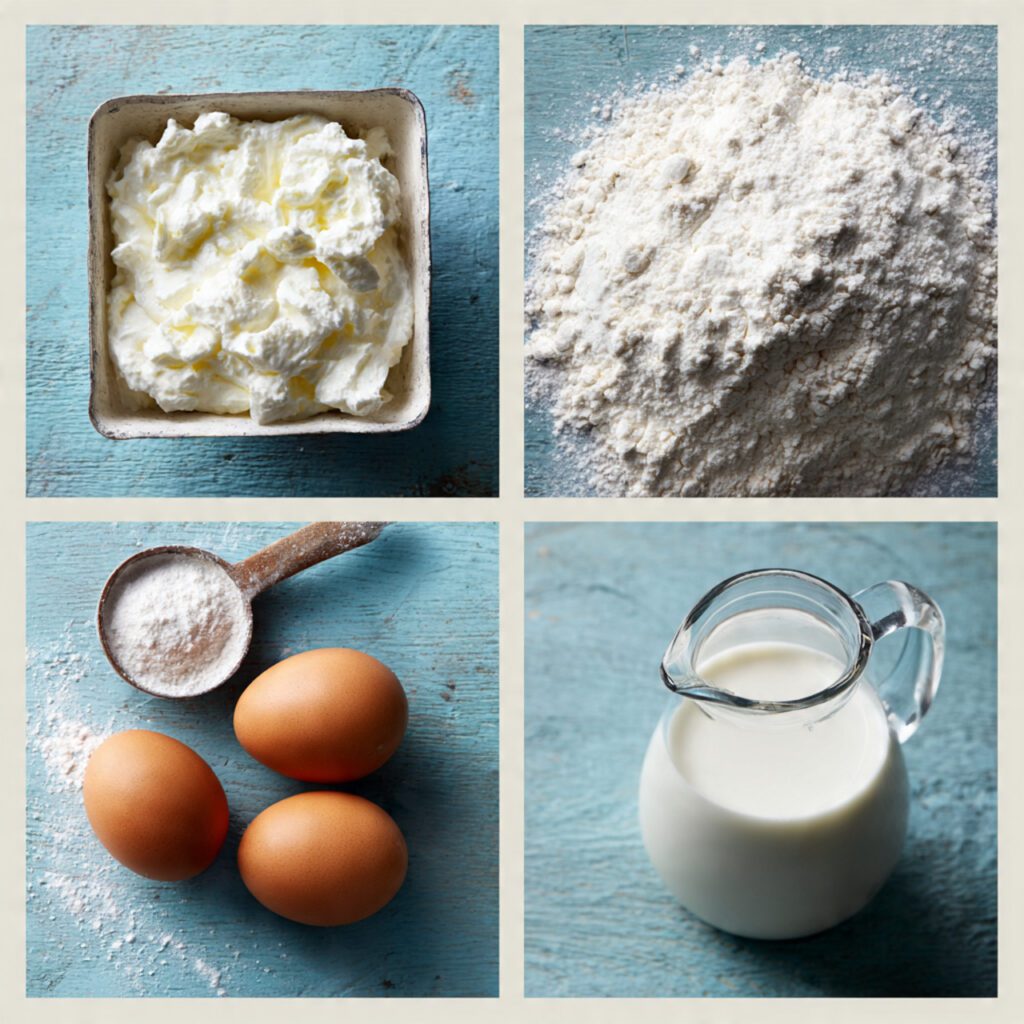
Accuracy is key, especially with the thick Greek yogurt. Use plain, full-fat or low-fat yogurt for the best results.
- The Protein Core (The Blend):
- 1 cup Plain Greek Yogurt (full-fat or low-fat).
- 2 large Eggs.
- 1/2 cup Milk (or water, to thin the thick yogurt slightly).
- 1 teaspoon Vanilla Extract.
- The Dry Mix (The Fluff):
- 1 1/4 cups All-Purpose Flour.
- 2 tablespoons Granulated Sugar.
- 1 teaspoon Baking Powder (the primary lift agent!).
- 1/2 teaspoon Baking Soda (boosts the browning and fluffiness).
- 1/4 teaspoon Salt.
- The Cooking Fat:
- 2 tablespoons Butter, melted (plus extra for the griddle).
H3 Key Substitutions (The Protein Mix-Up)
- Greek Yogurt Substitute: Use Skyr (Icelandic yogurt) for even higher protein, or Ricotta cheese for a richer, slightly softer texture.
- Milk Swap: Use water, buttermilk, or nut milk for a dairy-free base. The consistency might be slightly different, so adjust the milk quantity incrementally.
- Flour Swap: Use oat flour or whole wheat flour for a healthier, higher-fiber pancake. Whole wheat may require an extra tablespoon of milk.
- Sugar Substitute: Use honey or maple syrup (2 tbsp) in the wet mix, or liquid stevia/monk fruit sweetener for a low-sugar option.
Tools & Kitchen Gadgets Used (Griddle Glory)
Basic tools are all you need. Focus on a good non-stick surface and a careful whisking technique.
- Large Mixing Bowl: For combining all the ingredients.
- Whisk: For blending the wet ingredients until smooth.
- Griddle or Large Flat Non-Stick Skillet: Essential for perfectly even, golden pancakes.
- Rubber Spatula: For gently folding the final batter (prevents tough pancakes).
- Wide, Flat Spatula: For easy flipping.
Step-by-Step Instructions (Whisk, Fold, and Fuel)
The biggest secret to these Greek yogurt pancakes is treating the thick batter with respect—no overmixing!
H3 Step 1: Whisk the Wet Ingredients (The Smooth Base)
- In the large mixing bowl, whisk together the Greek yogurt, eggs, milk, and vanilla extract until the mixture is smooth and completely uniform. Greek yogurt is thick, so whisk well to break it down.
- Stir in the melted butter.
H3 Step 2: The Gentle Fold (The Fluff Secret)
- In a separate bowl (or whisked directly into the wet mix), combine the flour, sugar, baking powder, baking soda, and salt. Whisk the dry ingredients briefly to ensure the leavening agents are evenly distributed.
- Pour the wet mixture into the dry ingredients.
- Using a rubber spatula, gently fold the batter until just combined. You should see visible streaks of flour. STOP FOLDING IMMEDIATELY. Lumps are normal and absolutely guarantee maximum fluffiness.
- Let the batter rest for 5 minutes. This allows the yogurt’s acid to fully react with the baking soda.
H3 Step 3: Cook the Protein Power Stack
- Preheat your griddle or skillet over medium heat. Butter the surface lightly or wipe with oil.
- Pour the batter onto the hot surface (1/4 cup per pancake).
- Cook for 2–3 minutes until bubbles form and pop on the surface and the edges are set.
- Flip the Greek yogurt pancakes and cook for another 1–2 minutes until golden brown and cooked through.
H3 Step 4: Stack and Serve (The Delicious Finish)
- Stack the pancakes high! These are strong, thick pancakes, so pile them up.
- Top generously with a pat of butter, fresh fruit (berries are fantastic), and a drizzle of maple syrup or honey.
- Serve immediately and enjoy the incredibly filling, tender breakfast.
Calories & Nutritional Info (The Healthiest Stack)
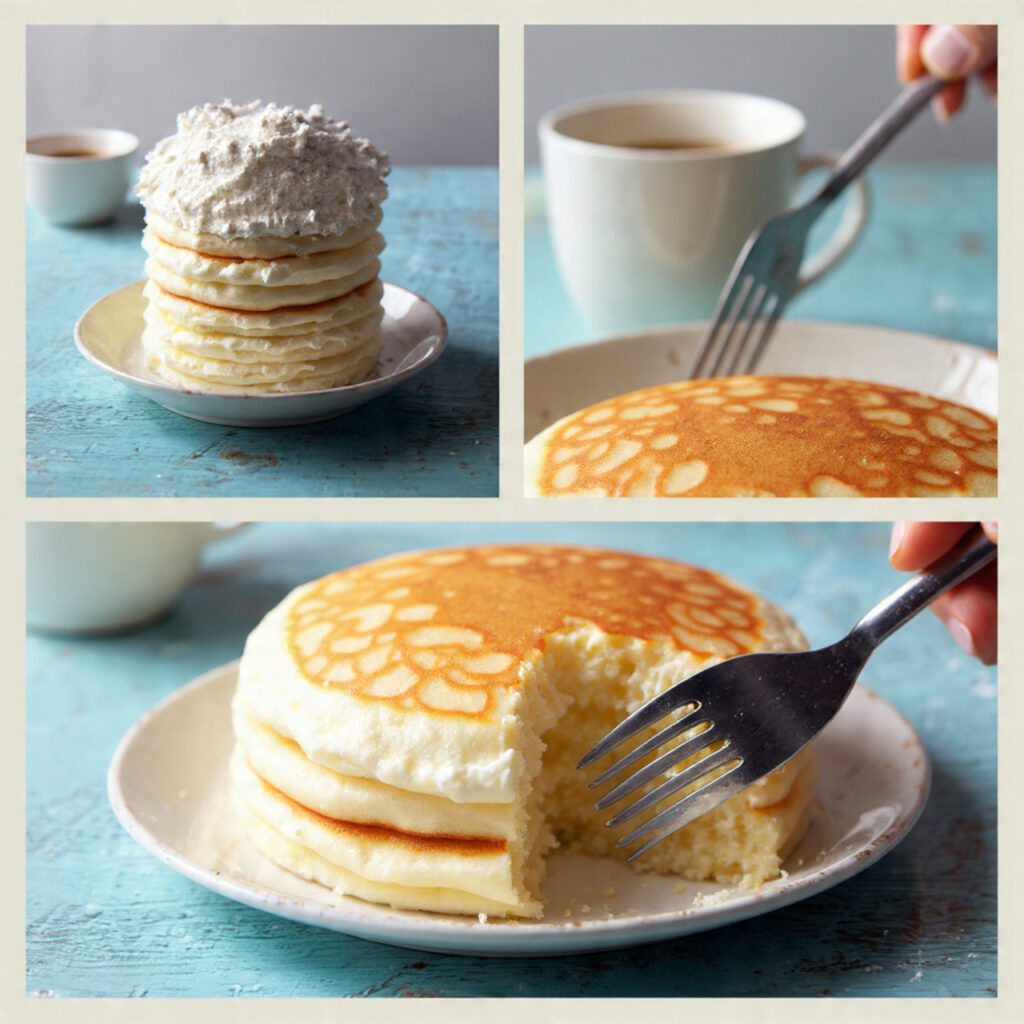
These pancakes provide a powerful balance of protein and complex carbohydrates for serious morning fuel. This estimate is for two medium pancakes without toppings.
- Estimated Calories Per Serving (2 medium pancakes): ~280–350 calories (without syrup or fruit).
- Excellent Source of Protein: Greek yogurt significantly boosts the protein content (around 15-20g per serving).
- Good Source of Calcium: Greek yogurt is rich in calcium.
- Lower in Saturated Fat: Especially if you use non-fat yogurt and a healthy oil for cooking.
- Complex Carbohydrates: Flour provides energy.
Common Mistakes to Avoid (The Density Disaster)
The biggest threat to these pancakes is overmixing. Follow these rules for peak fluffiness.
- Overmixing the Batter: This is the single biggest mistake! Overmixing develops gluten, which crushes the air bubbles, resulting in flat, dense, and chewy pancakes. Stop immediately when flour streaks remain.
- Not Thinning the Yogurt: Undiluted Greek yogurt creates a batter that is too thick and heavy to spread and cook properly. Add that milk/water to achieve a pourable consistency.
- Cold Griddle: The griddle must be heated evenly to medium heat. A cold griddle results in pale, tough pancakes. Preheat your surface properly.
- Adding Yogurt Cold: Using yogurt directly from the fridge can slow the leavening reaction. Use room-temperature yogurt for a quicker, fluffier result.
Variations & Customizations (Flavor Upgrades)
The thick base of Greek yogurt is perfect for incorporating sturdy additions like nuts and spices.
- Lemon Poppy Seed Protein: Add 1 tablespoon of lemon zest and 1 teaspoon of poppy seeds to the dry mix. Serve with a dusting of powdered sugar and extra lemon juice.
- Savory Garlic Herb Pancakes: Skip the sugar and vanilla. Use vegetable oil instead of butter. Add 1/4 cup of grated Parmesan cheese and 1 tablespoon of chopped fresh chives/parsley to the final batter. Serve with smoked salmon or a fried egg.
- Keto/Low-Carb Protein Power: Replace the flour with almond flour or coconut flour. Use a low-sugar yogurt and liquid stevia/monk fruit sweetener. (Texture will be slightly less fluffy, but high in protein).
FAQ Section (The Protein Pancake Ponderings)
People often wonder how to maintain the quality and consistency of these healthy pancakes.
- Q: Why should I use Greek yogurt instead of regular yogurt?
- A: Greek yogurt is strained, making it thicker and higher in protein. This results in a naturally fluffier, more satisfying, and protein-packed pancake.
- Q: Can I make the batter the night before?
- A: Yes, you can prep the batter the night before! Store it tightly covered in the fridge. In the morning, let it warm up for 10 minutes and stir gently. You may need to add an extra pinch of baking powder to re-boost the lift.
- Q: How can I keep the pancakes warm for a crowd?
- A: Place cooked pancakes on a wire rack on a baking sheet and keep them in a low oven (200°F / 95°C) until ready to serve. This prevents steaming and sogginess.
- Q: My pancakes are flat. What went wrong?
- A: You likely overmixed the batter (releasing the air bubbles). Or your baking powder/soda is expired. Mix gently!
- Q: How much protein does one serving provide?
- A: Depending on the brand of yogurt and toppings, one serving (2 pancakes) typically provides 15–20 grams of protein.
- Q: Should I use cooking spray or butter on the griddle?
- A: Cooking spray or neutral oil (like canola) is better than butter for the main cooking, as butter burns easily and leaves dark spots.
- Q: How do I store and reheat these pancakes?
- A: Store cooked, cooled pancakes in an airtight container for 3–4 days. Reheat them in the toaster oven or a low oven for 5 minutes for the best texture.
Final Thoughts (The Protein Chef)
You conquered the complex science of leavening, utilized the mighty Greek yogurt, and created the ultimate tender, high-protein pancake stack. You proved that healthy breakfast can be fluffy, delicious, and deeply satisfying. You are officially the Protein Chef.
Go ahead, enjoy that soft, airy bite. Did you realize morning cooking could be this good for you? I bet you’ll be experimenting with different spices next weekend. Now, are you adding blueberry or savory cheese next time?