Sheet Pan Dinners: The Ultimate Guide to Minimal Cleanup and Maximum Flavor
Let’s be honest, the thought of dirtying three different pots, a mixing bowl, and two spatulas for a weeknight dinner is enough to make you dial for pizza. The cooking is fine; the cleanup is the crisis. That’s why sheet pan dinners are here to rescue your evenings and save your sanity.
This isn’t about throwing sad, pale ingredients onto a tray. This is about harnessing the power of high-heat roasting to achieve perfectly caramelized vegetables and juicy proteins, all cooked together on one glorious, single sheet pan. You prep for 10 minutes, the oven does the hard work, and you throw away the parchment paper. Get ready to kiss endless scrubbing goodbye.
Why Sheet Pan Dinners Are Awesome (Efficiency, Flavor, and Freedom)
The sheet pan method is the culinary equivalent of an efficient robot butler—it works hard so you don’t have to.
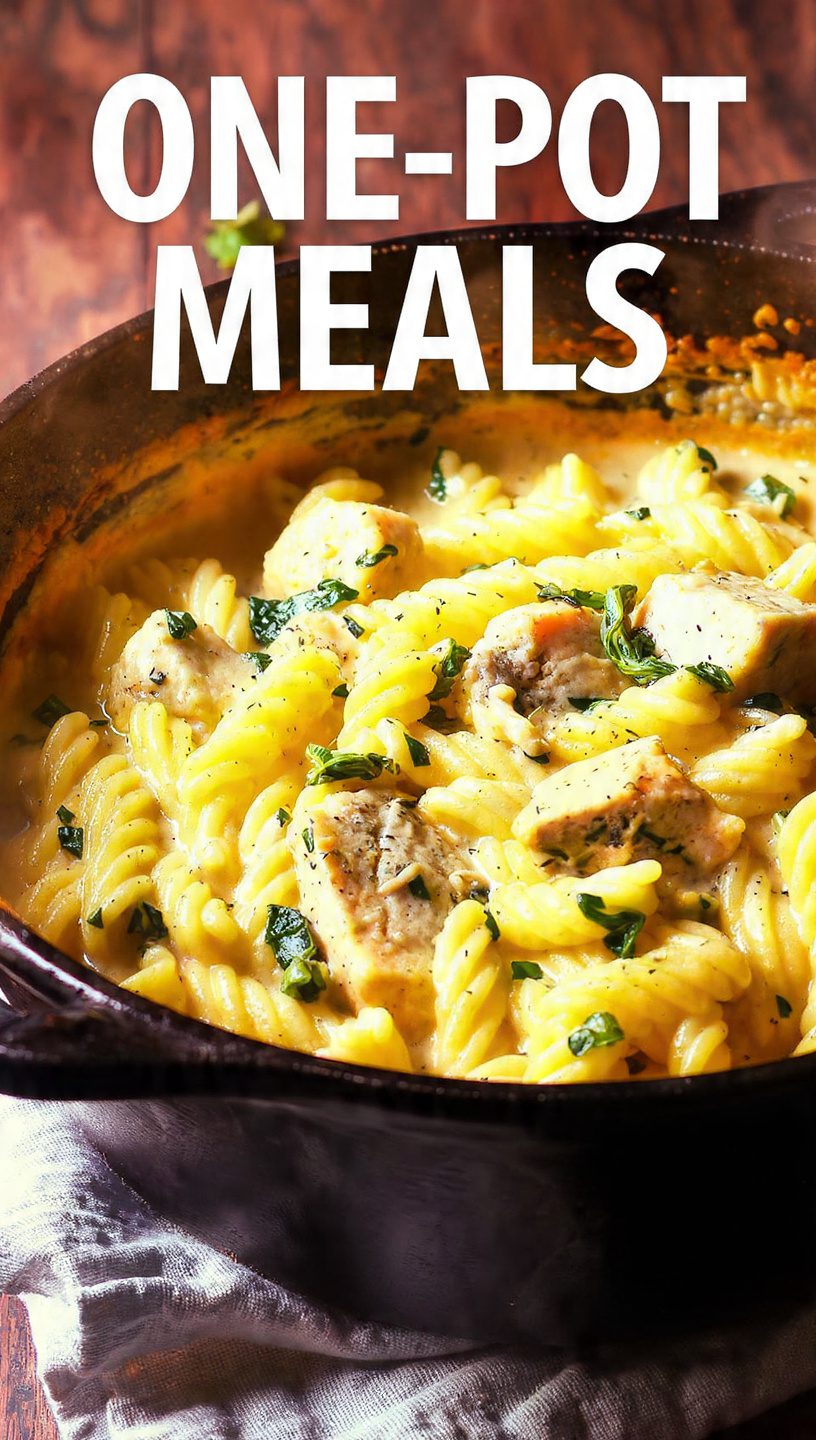
First, The One-Dish Wonder. You use one standard baking sheet. That’s the entire equipment list (besides a knife). Cleanup involves peeling off the foil or parchment paper and maybe a quick rinse of the pan. Why dirty every dish in the house when one sheet can handle it all?
Second, Unbeatable Roasting Flavor. Roasting at high heat (usually 400°F/200°C) coaxes incredible flavor out of vegetables. They caramelize, the protein sears slightly, and all those delicious juices mingle. This creates a deep, complex flavor that steaming or boiling simply can’t match. IMO, a roasted vegetable is the best vegetable.
Third, Ultimate Set-It-and-Forget-It. Once the pan goes into the oven, you are free. No stirring, no flipping, no splattering grease on the stovetop. This is your time to relax, unpack your bag, or pour yourself a much-deserved beverage. TBH, the less time I spend monitoring, the better the food tastes.
The Goods: Ingredients (The Greek Lemon Chicken Feast)

The key to a successful sheet pan dinner is matching cook times. We use hearty chicken thighs and dense root vegetables that finish at the same time.
- The Protein (The Star):
- 1.5 pounds Boneless, Skinless Chicken Thighs (cut into 1-inch cubes for quick cooking).
- The Slow-Roasting Veggies (The Base):
- 2 cups Small Potatoes (red or gold), cut into 1-inch cubes.
- 1 medium Red Onion, cut into thick wedges.
- The Quick-Roasting Veggies (The Latecomers):
- 1 cup Broccoli Florets.
- 1 cup Bell Pepper (any color), chopped.
- The Mediterranean Marinade/Seasoning:
- 4 tablespoons Olive Oil.
- 2 tablespoons Lemon Juice.
- 1 tablespoon Dried Oregano.
- 1 teaspoon Garlic Powder.
- Salt and Freshly Ground Black Pepper.
- 1/4 cup Feta Cheese (crumbled, added at the end).
H3 Key Substitutions (Mix and Match Your Pan)
- Chicken Thighs Swap: Use Italian sausage (sliced) or firm tofu (cubed) for vegetarian options. If using sausage, adjust cook time to ensure 165°F internal temperature.
- Potato Substitute: Use sweet potatoes, carrots, or squash for the slow-roasting base. Ensure they are all cut into uniform, small pieces.
- Quick Veggie Swap: Use asparagus, cherry tomatoes, or mushrooms. Add these later (Step 3) as they cook faster.
Tools & Kitchen Gadgets Used (The Minimalist Kitchen)
All you need is the pan and the basics. No need for complicated pots and strainers!
- Large, Rimmed Baking Sheet (Mandatory): A half-sheet pan is standard. The rim prevents juices from dripping!
- Parchment Paper or Aluminum Foil: CRUCIAL! This makes cleanup a matter of seconds.
- Large Mixing Bowl (Colossal): For tossing all the ingredients together uniformly.
- Sharp Chef’s Knife and Cutting Board: For uniform chopping, which guarantees even cooking.
- Instant-Read Meat Thermometer: Essential for checking chicken doneness quickly.
- Tongs: For tossing the ingredients and serving.
Step-by-Step Instructions (Toss, Stagger, and Roast)
The trick to successful sheet pan dinners is realizing not all ingredients cook at the same rate. We use a staggered cooking method.
H3 Step 1: Prep and Toss the Base (10 mins)
- Preheat your oven to 400°F (200°C). Line your sheet pan with parchment paper (easier than foil!).
- In the large mixing bowl, combine the cubed chicken thighs, potatoes, and red onion wedges.
- Add half the olive oil, lemon juice, oregano, garlic powder, salt, and pepper. Toss everything aggressively until every piece is coated.
H3 Step 2: Start the Roast (The Slow Burn) (15 mins)
- Spread the chicken and the slow-roasting vegetables (potatoes, onions) onto the sheet pan in a single, even layer. Do not overcrowd the pan! If the food overlaps, it steams instead of roasts. Use a second pan if necessary.
- Place the pan in the oven and roast for 15 minutes.
H3 Step 3: Add the Quick Veggies (The Stagger) (10 mins)
- While the pan is roasting, prep the broccoli and bell peppers. Toss them with the remaining half of the olive oil and seasoning.
- After the initial 15 minutes, pull the pan out. Add the broccoli and bell peppers to the open spaces on the pan. Give the potatoes and chicken a quick flip with tongs.
- Return the pan to the oven and roast for another 10–15 minutes, or until the chicken reaches 165°F (74°C) internal temperature, and the potatoes are fork-tender.
H3 Step 4: Finish and Serve (5 mins)
- Remove the pan from the oven. Squeeze a final dash of fresh lemon juice over the entire dish.
- Sprinkle with the crumbled Feta cheese.
- Serve immediately, directly from the sheet pan (place the pan on a trivet for safety!).
Calories & Nutritional Info (Healthy Roasting)
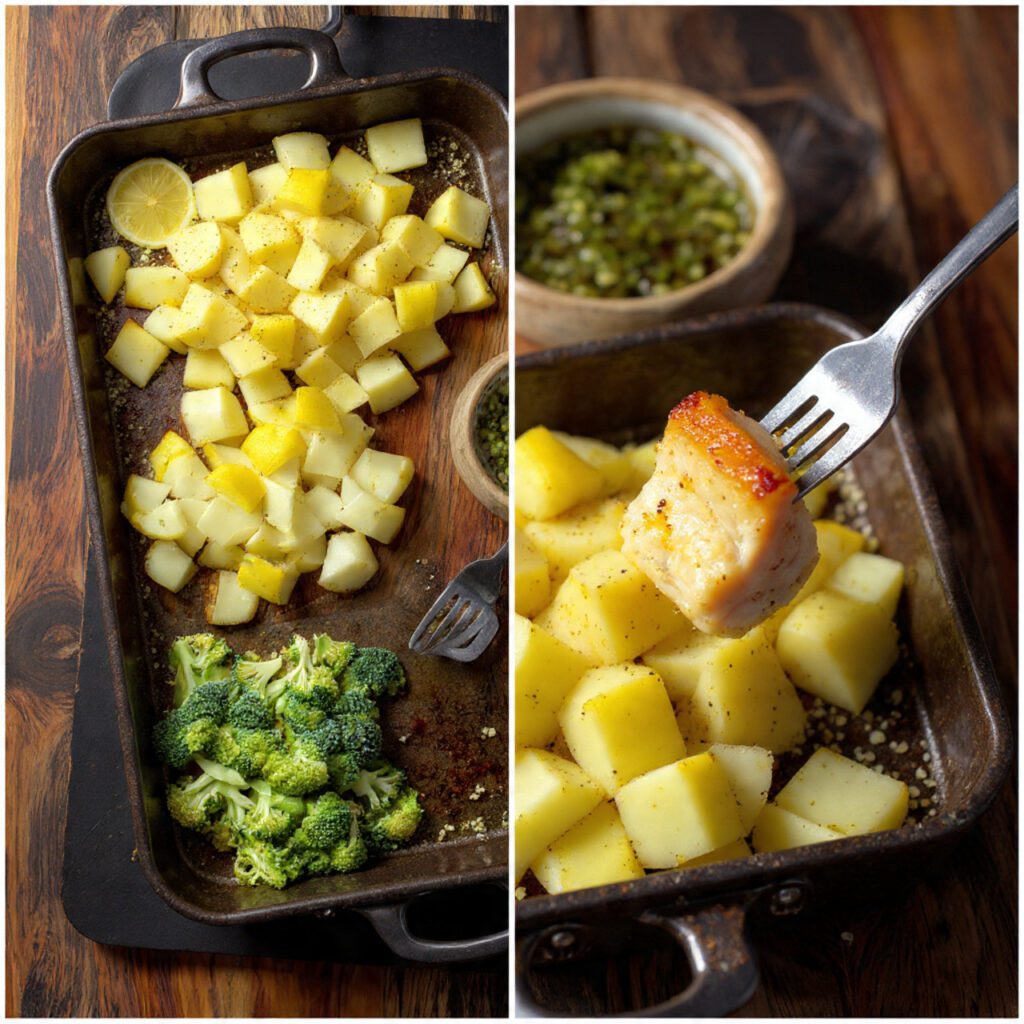
This is a well-rounded meal, leaning heavily on lean protein and complex carbohydrates/vegetables.
- Estimated Calories Per Serving (1/4 of recipe): ~500–600 calories. It’s a complete, hearty main dish.
- High in Protein: Chicken thighs provide excellent protein and flavor.
- Healthy Fats: Olive oil provides monounsaturated fats, and the chicken thighs add some moisture.
- Fiber and Vitamins: Potatoes and all the vegetables are great sources of complex carbs and vitamins.
- Gluten-Free: Naturally a gluten-free meal.
Common Mistakes to Avoid (The Soggy Sheet)
Avoid these common roasting errors to ensure crisp, caramelized results instead of soft, steamed food.
- Overcrowding the Pan: This is the ultimate sheet pan crime. Ingredients must be in a single layer with space around them. Overlapping causes steam, not caramelization. Use two pans if necessary!
- Uneven Chopping: Small potato cubes cook faster than giant ones. If your ingredients are different sizes, they won’t finish at the same time. Chop all ingredients into uniform sizes.
- Not Staggering Cook Times: Adding broccoli (8 mins to cook) at the same time as potatoes (25 mins to cook) results in burnt broccoli and undercooked potatoes. Start the dense items first.
- Low Heat: Roasting requires high heat for browning. Don’t drop below 400°F (200°C) for this method.
Variations & Customizations (Sheet Pan Adventures)
The sheet pan technique works for almost any global flavor profile.
- Spicy Sheet Pan Fajitas: Slice steak or chicken breast into thin strips. Slice onions and bell peppers. Toss everything with taco seasoning, lime juice, and oil. Roast for 15-20 minutes. Serve directly from the pan with warmed tortillas and sour cream.
- Keto/Low-Carb Fish Dinner: Use salmon fillets and asparagus/broccoli. Toss with oil, salt, and dill. Salmon and asparagus cook in a similar time (12-15 minutes at 400°F). Finish with lemon. Skip the potatoes!
- Sheet Pan Sausage and Root Veg (Vegetarian Swap): Slice plant-based sausage (firm texture is best), carrots, parsnips, and onions. Toss with olive oil and rosemary/thyme. Roast until tender.
FAQ Section (The Roasting Q&A)
Newcomers to the sheet pan life always have legitimate concerns about timing and cleanup.
- Q: Is it okay to use foil instead of parchment paper?
- A: Yes, but parchment paper is better because food tends to stick less, and it’s less prone to leaching if acidic ingredients (like lemon juice) are used.
- Q: How can I speed up the potato cooking time?
- A: Cut them smaller (1/2-inch cubes) or, for a pro move, microwave the potato cubes for 3 minutes before tossing and roasting. This ensures they cook perfectly in 25 minutes.
- Q: Does the chicken get dry because it’s cooked so long?
- A: No! We use chicken thighs (which are naturally higher in fat and moisture) and keep them cubbed. They stay incredibly juicy during the roasting time.
- Q: How long do sheet pan dinners last as leftovers?
- A: Leftovers store well in an airtight container for 3-4 days. Reheat them in the air fryer or oven for the best texture.
- Q: What is the best way to clean the pan if I don’t use foil/parchment?
- A: Immediately after serving, soak the pan with hot water and dish soap. The baked-on bits should lift off easily after 10-15 minutes of soaking.
- Q: Can I use different marinades?
- A: Absolutely! Just ensure the marinade isn’t too sugary, as high sugar content causes the pan to burn and scorch too quickly at 400°F.
- Q: Why are my veggies soggy and not crispy?
- A: You overcrowded the pan. There was no room for the moisture to evaporate, causing them to steam instead of roast. Use two pans next time!
Final Thoughts (The Single-Pan Superstar)
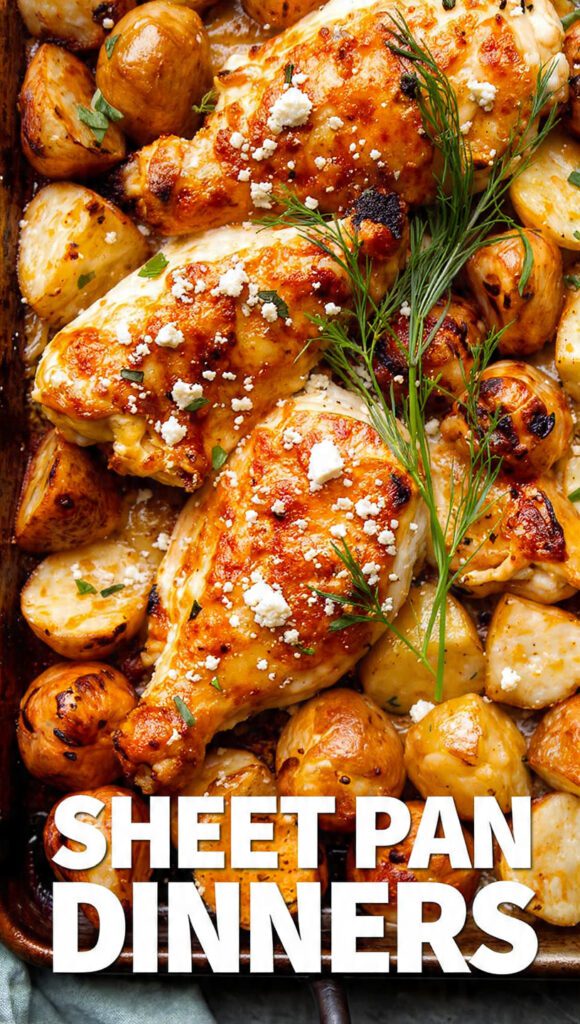
You conquered the complex logistics of dinner with a single piece of equipment. You achieved maximum flavor, perfect caramelization, and the fastest cleanup known to man. That beautiful pan of Lemon Herb Chicken is proof that sheet pan dinners are the ultimate weeknight solution.
Go ahead, enjoy that delicious, guilt-free meal. Did you realize minimal effort could yield such delicious results? I bet you’ll be tossing out those extra roasting pans. Now, what globally-inspired sheet pan adventure are you tackling next?