Sushi Boat: How to Build the Viral, Gourmet Platter That Will Wow Every Guest
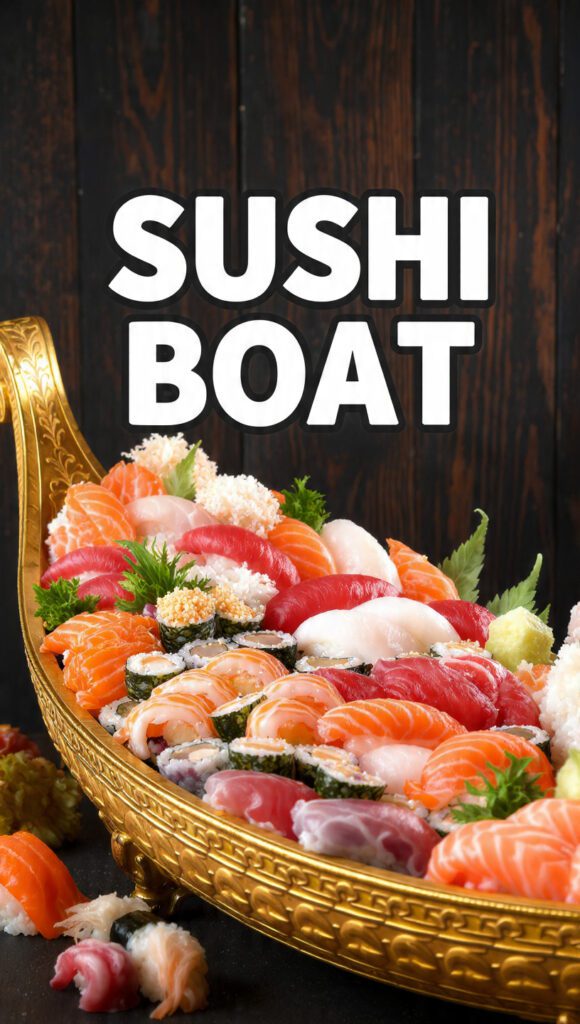
Remember the first time you saw a huge, elaborate Sushi boat glide past your table at a fancy restaurant? It looked less like dinner and more like a floating, edible work of art. You probably thought, “I could never afford that,” or “My kitchen is definitely not equipped for sea-faring cuisine.” Well, I’m here to tell you that you absolutely can build your own stunning Sushi boat right at home.
This isn’t just about putting fish on rice; it’s about engineering an epic, customizable feast that is perfect for date nights, dinner parties, or just proving to yourself that you are capable of culinary greatness. You get all the visual impact of high-end sushi without the exorbitant bill. Get ready to sail into sashimi success.
Why This Recipe Is Awesome (Aesthetics, Customization, and Freshness)
A homemade sushi boat is the ultimate showstopper that requires more assembly finesse than actual cooking skill. Here’s why you should ditch the takeout menu.

First, the Unbeatable Aesthetics. Forget boring plates. Arranging rolls, sashimi, and nigiri on a tiered wooden platter (or even a beautifully arranged cutting board) instantly creates a dining experience. The colors of the fish, the green of the wasabi, and the pink of the ginger create a vibrant, gorgeous display. Why serve a plate when you can serve a spectacle?
Second, Total Customization. When you make it yourself, you choose your favorites—no weird fish you don’t like, no annoying substitutions. You control the flavor, the ratio of rice to fish, and the spice level. You also cater to every guest: half rolls, half sashimi, maybe some vegetarian options. IMO, freedom of choice is the best part of any meal.
Third, Health and Freshness. You control the quality of the fish (must be sushi-grade!) and you serve it instantly fresh. Sushi is a low-fat, high-protein meal, making this indulgence a surprisingly healthy choice. TBH, making your own sushi saves you hundreds and gives you the freshest result possible.
The Goods: Ingredients You Need
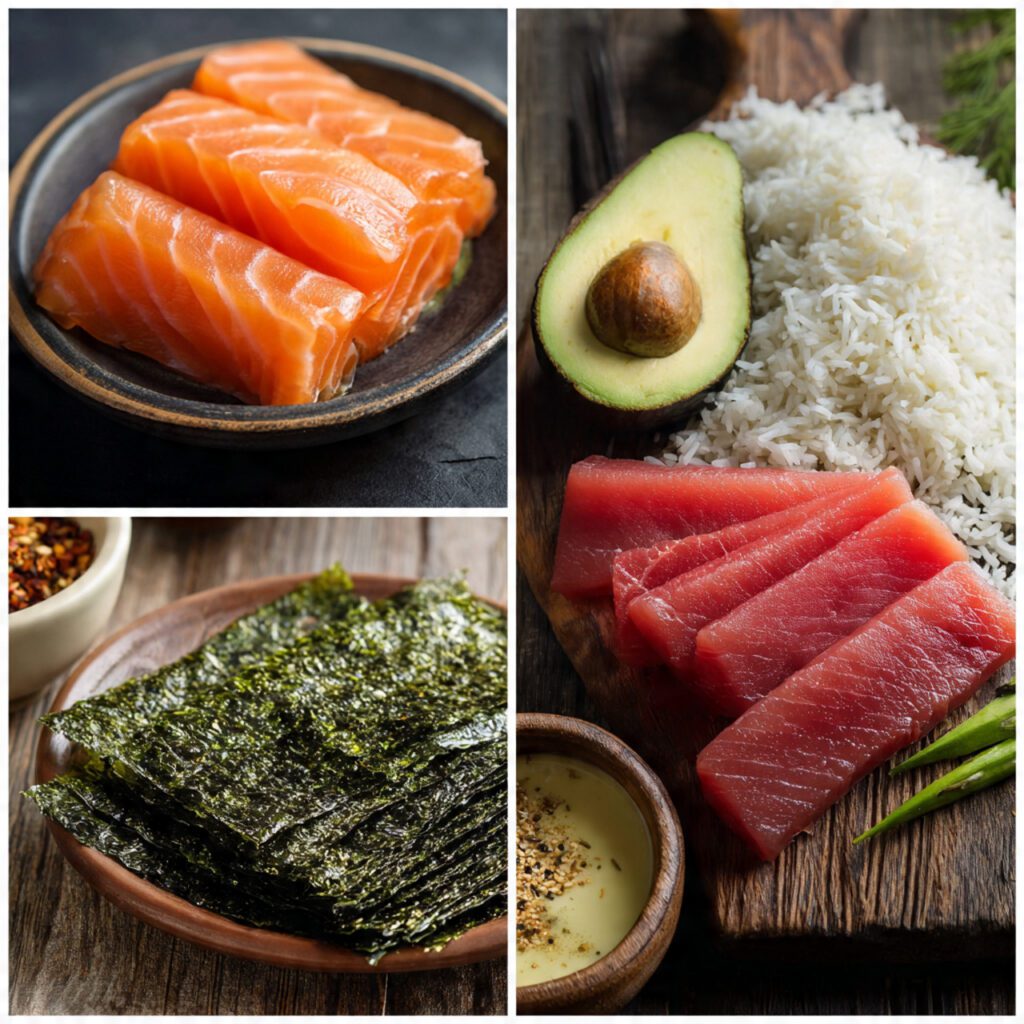
Making a sushi boat requires sourcing high-quality, safe ingredients, especially the rice and the fish. Quality is non-negotiable for raw fish.
- The Foundation (Rice & Nori):
- 2 cups Sushi Rice (short-grain, sticky rice).
- 1/2 cup Sushi Rice Seasoning (or homemade mix of rice vinegar, sugar, and salt).
- 1 package Nori Sheets (roasted seaweed).
- The Protein Stars (Must be SUSHI-GRADE):
- 4 ounces Sushi-Grade Tuna (Ahi), sliced for sashimi or cubbed for rolls.
- 4 ounces Sushi-Grade Salmon, sliced for sashimi or cubbed for rolls.
- Cooked Shrimp (Ebi) or Imitation Crab (Kani) for cooked rolls.
- The Fillings & Veggies:
- 1 large Avocado, thinly sliced (the ultimate creamy texture).
- 1 Cucumber, seeded and julienned (thin strips).
- Cream Cheese (for Philly Rolls).
- The Essential Condiments (The Flavor Kick):
- Soy Sauce (low sodium).
- Wasabi Paste (the hotter, the better, obviously).
- Pickled Ginger (Gari).
- Sesame Seeds (white and black).
- Spicy Mayo (mayo mixed with Sriracha).
H3 Key Substitutions (When You Can’t Get the Exact Fish)
- No Sushi-Grade Fish? Focus on cooked seafood rolls (shrimp, smoked salmon, imitation crab) or vegetarian rolls (avocado, cucumber, sweet potato). Do NOT attempt to use regular grocery store fish raw.
- Rice Swap: Sticky, short-grain rice is essential for sushi. Do not try to use long-grain rice—it won’t stick, and the rolls will crumble.
- Cream Cheese Substitute: Use a thick, plant-based cream cheese or Mascarpone for a similar creamy tang.
Tools & Kitchen Gadgets Used (The Sushi Arsenal)
You need a few specialized tools to make the rolls and present them professionally.
- Rice Cooker (Highly Recommended): Ensures perfectly cooked, fluffy sushi rice effortlessly.
- Bamboo Rolling Mat (Makisu): Essential for rolling tidy, tight sushi rolls.
- Sharp, Thin Knife: The single most important tool for slicing fish and rolls cleanly. Keep it damp!
- Plastic Wrap: For covering the mat and your hands (reduces sticking).
- Sushi Boat/Platter: The main serving vessel (a tiered wooden boat, a large slate platter, or even a long wooden cutting board).
- Small Ramekins: For serving soy sauce, wasabi, and ginger neatly.
- Squeeze Bottles: For drizzling Spicy Mayo and unagi sauce (teriyaki glaze).
Step-by-Step Instructions (Roll, Slice, and Arrange)
Making sushi is more about technique than complex cooking. Focus on making the rice perfectly first.
H3 Step 1: Perfect the Sushi Rice (The Foundation)
- Rinse the sushi rice under cold water until the water runs completely clear. Rinsing is mandatory to remove excess starch.
- Cook the rice in the rice cooker or stovetop according to directions.
- Transfer the hot rice to a non-metal bowl. Gently fold in the sushi seasoning mixture (rice vinegar, sugar, salt). Do not mash or stir vigorously! You want to separate the grains slightly.
- Cover the rice with a damp towel and let it cool to room temperature. Warm rice steams the nori.
H3 Step 2: Roll Your Masterpieces
- Cover your bamboo rolling mat with plastic wrap. Place a sheet of Nori (seaweed) rough-side up on the mat.
- Spread a thin, even layer of the cooled sushi rice over the nori, leaving a 1-inch border at the far edge. Keep your hands damp to prevent sticking.
- Place your filling ingredients (fish, avocado, cucumber) in a neat line across the rice near the edge closest to you. Don’t overfill the roll!
- Roll the mat tightly away from you, pressing gently to seal. Use a little water on the exposed nori edge to seal the roll completely.
H3 Step 3: Slice and Plate
- Use a very sharp, damp knife to slice the rolls into 6-8 even pieces. Re-dampen the knife between every cut for the cleanest slices.
- Slice the sushi-grade fish for sashimi and nigiri. For sashimi, slice against the grain about 1/4 inch thick. For nigiri, form small oblong mounds of rice and top with the sliced fish.
- Arrange the rice and protein items on your large Sushi boat/platter.
H3 Step 4: Assemble the Boat (The Grand Display)
- Start with the largest items (the cut rolls) and arrange them in the center. Fill the remaining spaces with smaller items (nigiri, sashimi slices).
- Use garnish strategically: a small line of wasabi next to the sashimi, a fan of pickled ginger, and a few dots of masago for color.
- Drizzle the top of the appropriate rolls with Spicy Mayo or unagi sauce.
- Serve immediately! Congratulate yourself on building a spectacular vessel of deliciousness.
Calories & Nutritional Info (Lean and Healthy)
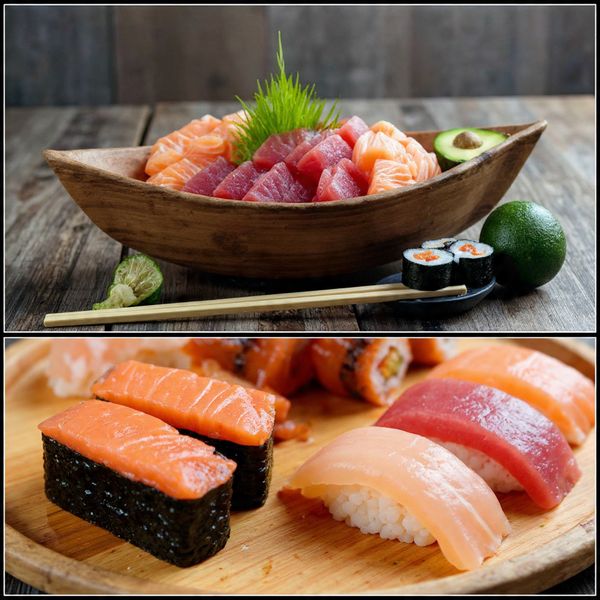
Sushi is an excellent, balanced meal option. This estimate is highly variable based on the type of roll (more rice/sauce = higher calories).
- Estimated Calories Per Serving (6 pieces of mixed rolls/sashimi): ~350–550 calories.
- High in Omega-3 Fatty Acids: Excellent source from salmon and tuna, benefiting heart and brain health.
- High in Protein: Lean fish is packed with essential amino acids.
- Low in Fat: Most fat comes from avocado and rich sauces (like spicy mayo).
- Contains Iodine: Nori (seaweed) is a great source of iodine.
Common Mistakes to Avoid (The Sushi Sins)
The pursuit of perfect sushi is fraught with danger. Avoid these to ensure success.
- Using Long-Grain Rice: Long-grain rice (like Jasmine or Basmati) will not stick. Only use short-grain “sushi rice” for the correct texture.
- Hot Rice on Nori: Hot rice steams the nori, making it tough and leathery. Rice must be cooled to room temperature before rolling.
- Dull Knife for Slicing: A dull knife will squash and destroy your beautiful rolls. Use a sharp knife and keep it damp between every cut for a clean slice.
- Overfilling the Roll: Too many ingredients makes the roll impossible to seal tightly and results in a sloppy mess. Less is more inside the roll.
- Not Asking About Sushi-Grade: Raw fish carries risks. Always verify the fish is certified sushi-grade by your reputable fishmonger. This is a non-negotiable safety step!
Variations & Customizations (Themed Vessels)
Take your boat in a new direction by focusing on different flavor themes.
- Spicy Volcano Roll Explosion: Focus on heat. Use a Spicy Tuna mix (tuna, spicy mayo, chili oil). Top the finished rolls with a slice of pickled jalapeño and a thick drizzle of Sriracha.
- Cooked California Dream: Skip raw fish entirely. Feature rolls with imitation crab, cooked shrimp, and smoked salmon. Include plenty of cucumber, avocado, and cream cheese (Philly style).
- Keto/Sashimi Purest: Skip the rice base completely. Serve only thick slices of sashimi (tuna, salmon, yellowtail) and nigiri where the rice is replaced by a slice of cucumber or avocado. Serve with soy sauce, ginger, and wasabi.
FAQ Section (Your Sushi Questions Answered)
Don’t let raw fish logistics intimidate you. Here are the top questions for sushi makers.
- Q: How long can the sushi boat sit out?
- A: Due to the raw fish, the boat should not sit at room temperature for more than 1 hour. Keep it as cold as possible (consider placing the platter on a tray of ice) and serve immediately.
- Q: Where should I buy sushi-grade fish?
- A: Buy from a reputable Japanese market, an Asian fish market, or a high-end fishmonger who specifically stocks fish designated for raw consumption.
- Q: Why is my rice sticky and falling apart?
- A: You likely over-cooked the rice or didn’t rinse the starch enough before cooking. Too much seasoning liquid can also make it mushy.
- Q: How do I store leftover sushi?
- A: Sushi is best eaten fresh. If you must store leftovers, refrigerate immediately in an airtight container for no more than 24 hours. The quality and safety degrade quickly.
- Q: Can I use brown rice for sushi?
- A: You can, but it’s not traditional. Use short-grain brown rice and add extra seasoning liquid, as brown rice is less sticky and less absorbent than white sushi rice. The rolls will be harder to keep together.
- Q: Do I need a bamboo mat?
- A: It is highly recommended for tightly rolled, professional-looking sushi. You can use a towel wrapped in plastic wrap in a pinch, but it’s much harder to get a tight roll.
- Q: What is the ideal amount of fish per person?
- A: Plan for about 4-6 ounces of raw fish per person if the sushi boat is the main meal.
Final Thoughts (The Captain of Cuisine)
You didn’t just order takeout; you built a beautiful, edible vessel of Japanese delight. You mastered the rice, the roll, and the arrangement. That homemade Sushi boat is proof that you are capable of gourmet excellence.
Go ahead, try that perfectly balanced nigiri. Did you realize homemade sushi could be this beautiful and rewarding? I bet you’ll never settle for a pre-made supermarket tray again. Now, which elaborate roll are you going to try next?