The Ultimate Guide to Tempeh Recipes: Making Fermented Soy Actually Taste Good
We have all been there. You decide to “eat healthier,” so you wander into the organic aisle and pick up a block of tempeh that looks suspiciously like a compressed slab of birdseed and regret. You bring it home, toss it in a pan, and ten minutes later, you’re eating something with the texture of an old eraser and the flavor of… well, nothing. Why does the world’s best plant-based protein have such a bad reputation? It’s because most people treat it like tofu’s weird, chunky cousin instead of the fermented powerhouse it actually is.
Honestly, if you haven’t mastered a few solid tempeh recipes, you are missing out on the MVP of meat substitutes. Unlike tofu, which has the personality of a wet napkin, tempeh brings a nutty, earthy funk to the party that actually stands up to bold flavors. Ready to stop eating cardboard and start making “bacon” that actually tastes like a high-five? Stick with me, and I’ll show you how to turn this soy block into a masterpiece. 🙂
Why Tempeh is Secretly the Best Thing in Your Fridge
Why should you bother with tempeh when you could just have another bean burger? First off, the texture is unparalleled. Because it’s made of whole fermented soybeans, it has a “bite” that mimics meat better than almost anything else on the market. It doesn’t turn into mush the second it touches a sauce, which is a major win for your Sunday meal prep.
TBH, the ease of cooking is the real kicker once you know the “secret” (spoiler: it’s a quick steam). It absorbs marinades like a sponge and gets incredibly crispy in an air fryer or skillet. It impresses guests because it looks intentional—like you’re a sophisticated foodie who understands fermentation—rather than someone who just panicked and bought the first vegan thing they saw.
Our Top Pick

Papier Herb Garden Recipe Journal - Hardback Design
Capture your culinary ideas and favorite memories with this beautifully designed recipe journal. Organized sections for breakfast, lunch, dinner, and treats make it easy to record recipes, ratings, dietary notes, and cooking tips, along with measurement and conversion guides. Extra pages let you list favorite restaurants, shops, and places to try. Crafted with a premium hardback cover, luxurious 100gsm paper, and a gold foil accent, it’s both durable and stylish. Thoughtfully designed to suit any kitchen, it makes a practical, timeless gift for family, friends, or yourself.
Finally, let’s talk about that nutritional profile. It’s packed with protein, fiber, and probiotics. It makes you feel like a functional adult who makes good choices, even if you’re eating it while wearing the same sweatpants for the third day in a row. It is the Swiss Army knife of the plant-based world.
The Flavor-Bomb Ingredient List
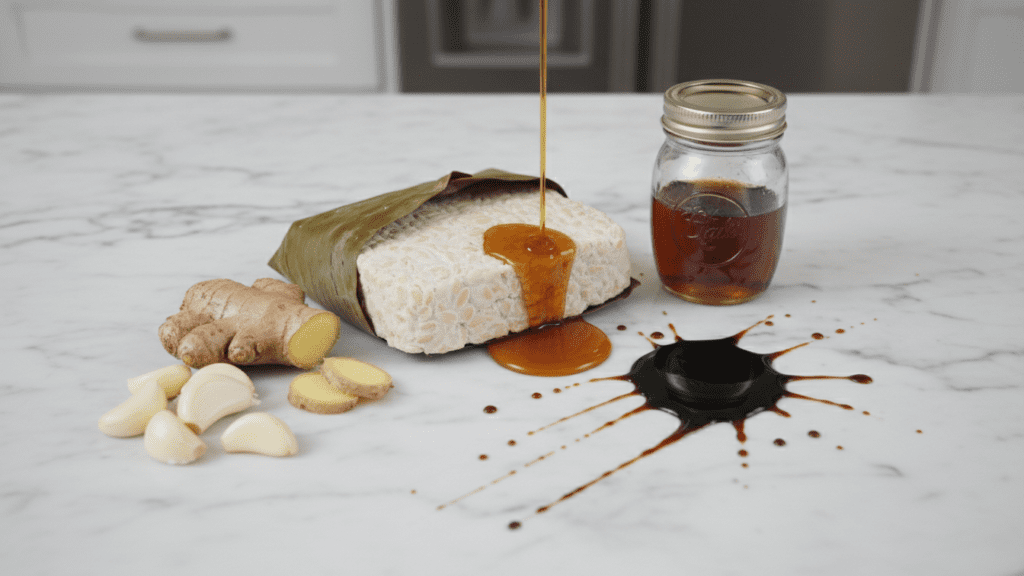
You don’t need a pantry full of rare spices, but you do need some heavy hitters to balance tempeh’s natural earthiness.
- The Protein: One 8oz block of tempeh. (Check for the “original” flavor; the pre-marinated ones are often hit-or-miss).
- The Liquid Gold: Soy sauce or Tamari for that salty, umami kick.
- The Acid: Apple cider vinegar or lime juice to brighten things up.
- The Sweetener: Maple syrup or agave. Trust me, the sugar helps the edges caramelize into crispy perfection.
- The Aromatics: Fresh garlic and ginger. Measure these with your heart, but let’s start with three cloves.
- The Heat: Sriracha or red pepper flakes.
- Liquid Smoke: This is the game-changer. Use just a drop to give it that “smoked over a campfire” vibe.
- Sesame Oil: For a nutty finish that ties it all together.
Tools & Kitchen Gadgets You’ll Need
To dominate these tempeh recipes, you need the right gear to ensure maximum crispiness and flavor penetration.
- Steam Basket: This is the most important tool. Steaming the tempeh first removes the bitterness and opens up the “pores” for the marinade.
- Chef’s Knife: You need a sharp blade to slice the block into thin, uniform strips or cubes.
- Cast Iron Skillet: For that restaurant-quality sear that makes the edges crunch.
- Air Fryer: If you want that deep-fried texture without the grease-induced guilt.
- Mixing Bowls: For whisking up your marinade.
- Tongs: To flip those strips without breaking them into sad soy crumbs.
Step-by-Step Instructions: The “Smoky Maple” Masterpiece
Step 1: The Pre-Game Steam
Chop your tempeh into thin strips or 1-inch cubes. Place them in a steam basket over boiling water for 10 minutes. Most people skip this and then wonder why their tempeh tastes like bitter dirt. Don’t be “most people.” Steaming makes the tempeh tender and ready to soak up your sauce.
Step 2: The Marinade Bath
While the tempeh steams, whisk together your soy sauce, maple syrup, vinegar, garlic, ginger, and that magical drop of liquid smoke in a bowl. Toss the warm, steamed tempeh into the mix. Let it hang out for at least 20 minutes. If you have the patience of a saint, let it sit overnight.
Step 3: The Sizzle
Heat a tablespoon of oil in your cast iron skillet over medium-high heat. Lay the tempeh strips in the pan. Do not crowd the pan. If they are too close, they will steam instead of sear, and we want crunch! Fry for 3-4 minutes per side until they look like dark, caramelized mahogany.
Step 4: The Glaze Finish
Pour the leftover marinade into the pan during the last 60 seconds of cooking. The sugar in the maple syrup will bubble and thicken, creating a sticky, glossy glaze that coats every single piece.
Step 5: The Presentation
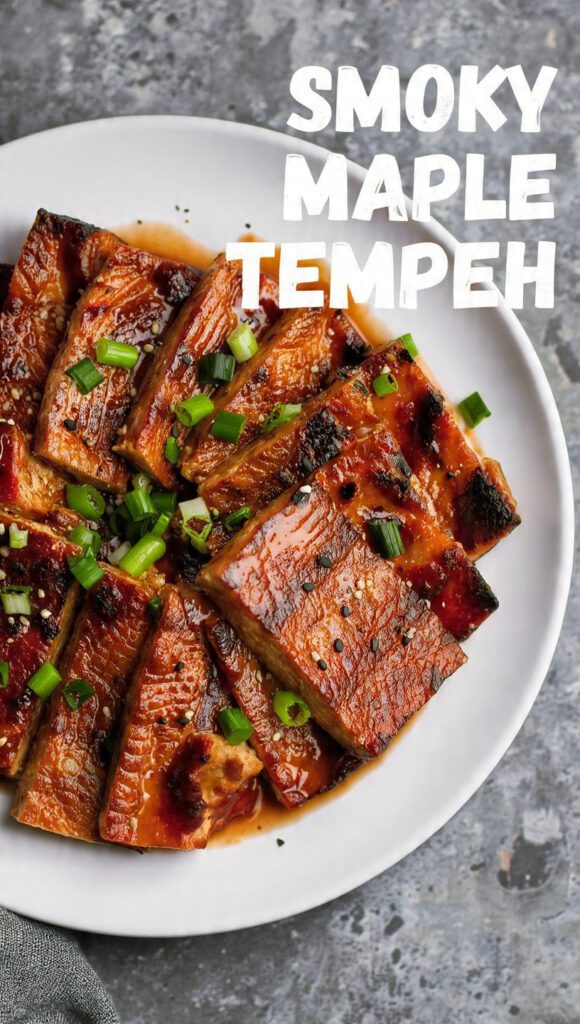
Serve it over a grain bowl, in a sandwich, or just eat it off the pan while standing in your kitchen. Garnish with green onions and sesame seeds to make it look like you actually tried. 🙂
Our Top Pick

LuBudingJoy Blank Recipe Book
B5 Blank Recipe Book – Create and organize your favorite recipes in one beautiful place. This hardcover recipe book (10" × 7.3") features 150 blank pages and includes DIY category stickers. Designed with conversion charts, content tables, and a back pocket for loose notes.
Calories & Nutritional Info
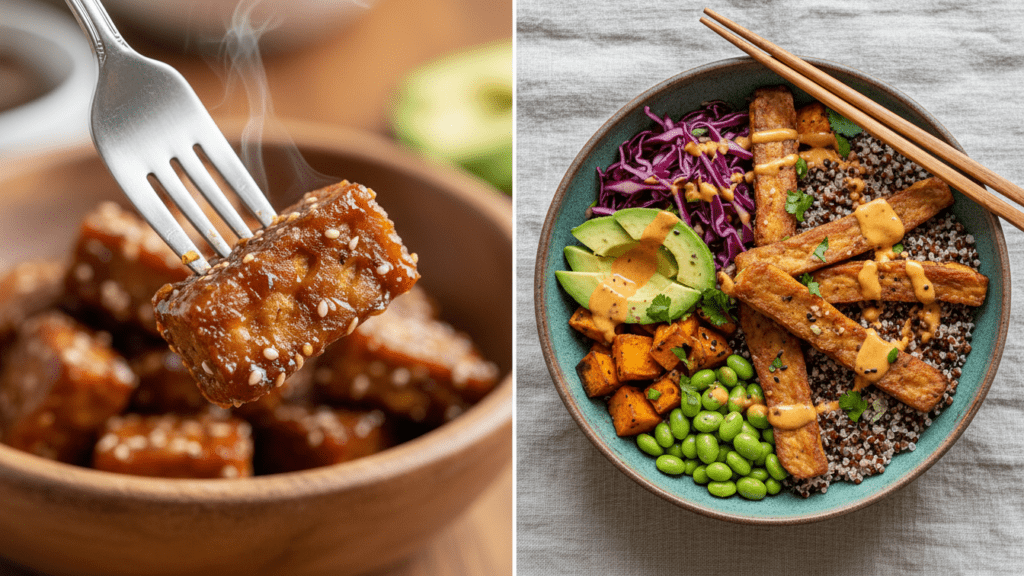
Tempeh is basically a multivitamin you can fry. Here is what you are getting per serving (approx. 1/2 block):
- Calories: Roughly 250-300 kcal (depending on how much maple syrup you “accidentally” poured).
- Protein: A massive 18g-21g of plant-based muscle fuel.
- Fiber: 7g to keep your digestive system happy.
- Prebiotics: Since it’s fermented, it’s great for gut health.
- Iron and Calcium: Surprisingly high levels for a bean block!
Common Mistakes to Avoid
- Skipping the Steam: I’ll say it again for the people in the back: Steam your tempeh. It removes the bitterness. If you skip this, don’t come crying to me.
- Under-Seasoning: Tempeh is a blank canvas. If you’re shy with the soy sauce and garlic, it will taste like nothing. Be aggressive with your flavors.
- Too Much Liquid Smoke: A drop is a dream; a tablespoon is a nightmare that tastes like a forest fire. Use it sparingly.
- Low Heat: If you fry it on low, it just gets oily and limp. Use medium-high heat for that crisp.
- Using Old Tempeh: If it has black spots, that’s actually normal fermentation! If it’s slimy or smells like ammonia, throw it away. IMO, your nose knows best.
Variations & Customizations
Feeling adventurous? Try these three spins:
The Buffalo “Wings”
Toss your steamed cubes in cornstarch, air fry until crispy, and then drench them in buffalo sauce and melted vegan butter. It’s the perfect game-day snack that won’t make you feel like a lead balloon.
The Taco Crumble
Instead of slicing, grate the tempeh on a box grater. Sauté with taco seasoning and onions. It creates a “meat” crumble that is perfect for tacos, nachos, or hiding in a lasagna so your picky relatives won’t know they’re eating soy.
The Asian-Inspired Satay
Marinate in peanut butter, soy sauce, lime juice, and red curry paste. Thread them onto skewers and grill them. It’s fancy, it’s nutty, and it makes you look like a pro chef.
FAQ Section: Everything You Actually Want to Know
Is tempeh healthier than tofu? Technically, yes. Because it’s fermented and uses the whole bean, it has more protein and fiber than tofu. It’s also less processed, which makes it a winner in the health department.
Can you eat tempeh raw? You can, but it tastes pretty bad and is harder to digest. Always cook your tempeh to improve the flavor and make the nutrients more accessible.
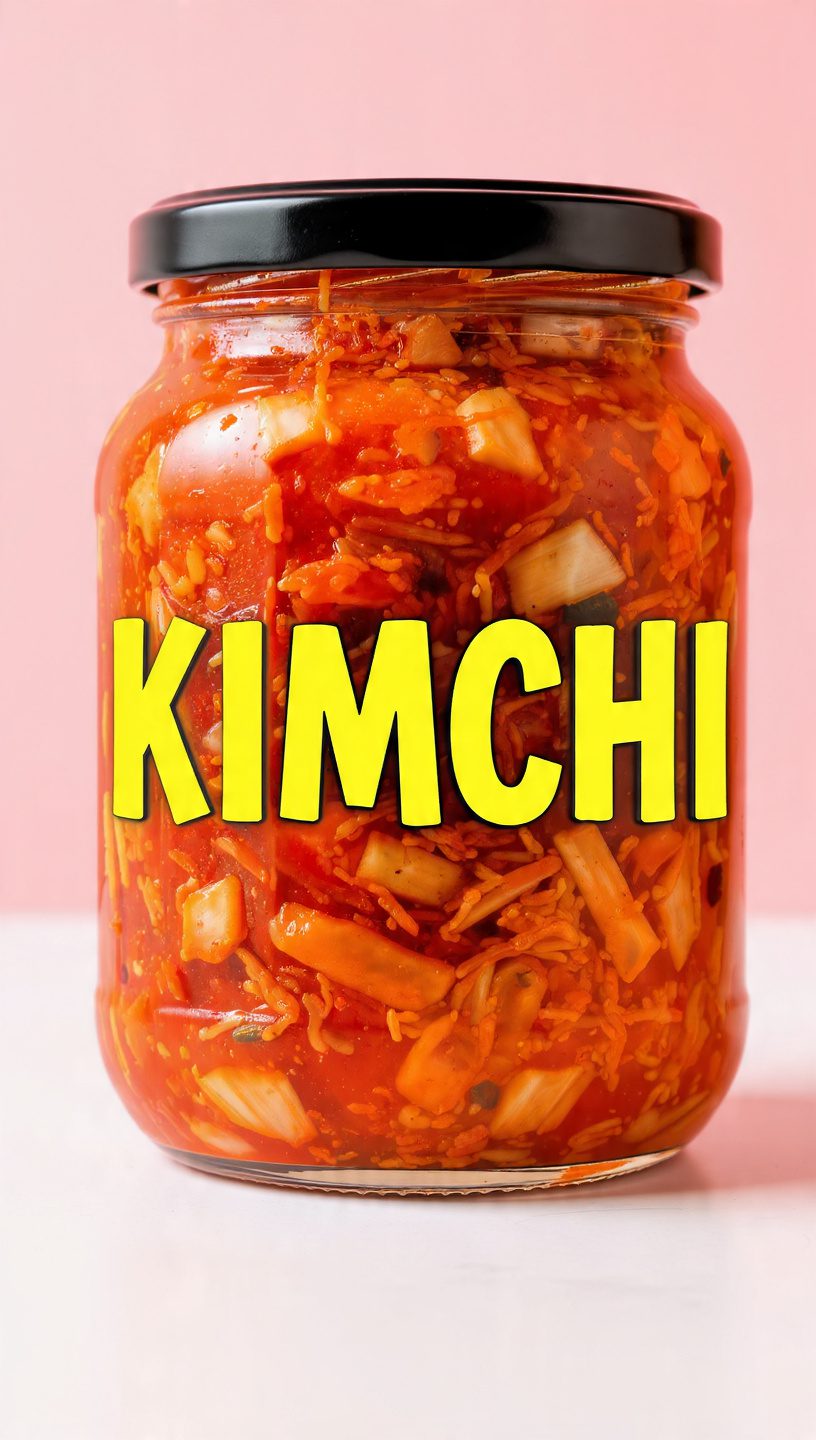
Why does my tempeh have black spots? Don’t panic! Those dark spots are just part of the natural fermentation process (the Rhizopus oligosporus mold). It’s perfectly safe and doesn’t mean it’s moldy in a “bad” way.
How do I store leftover cooked tempeh? Put it in an airtight container in the fridge for up to 4 days. It actually stays quite firm, so it’s great for cold salads the next day.
Is tempeh gluten-free? Usually, yes, but check the label. Some brands add grains like barley or wheat to the mix, which would make it a no-go for Celiacs.
Can I freeze tempeh? Absolutely. You can freeze the raw blocks for up to 6 months. Just thaw it in the fridge before you start your steaming and marinating process.
What does tempeh actually taste like? On its own, it has a mild, nutty, and slightly mushroom-like flavor. It’s much more savory than tofu, which is why it handles bold marinades so well.
Final Thoughts: Go Forth and Ferment
There you have it. You are now armed with the knowledge to make tempeh recipes that don’t suck. No more sad, gray blocks. No more chewy disappointments. Just crispy, smoky, fermented perfection.
Go ahead, give it a shot. And hey, if you manage to convince your meat-eating friends that “Tempeh Bacon” is actually good, consider your job done. Tag me in your photos or just sit in your kitchen and enjoy the crunch. FYI, you’ll never look at a rotisserie chicken the same way again. Happy frying!