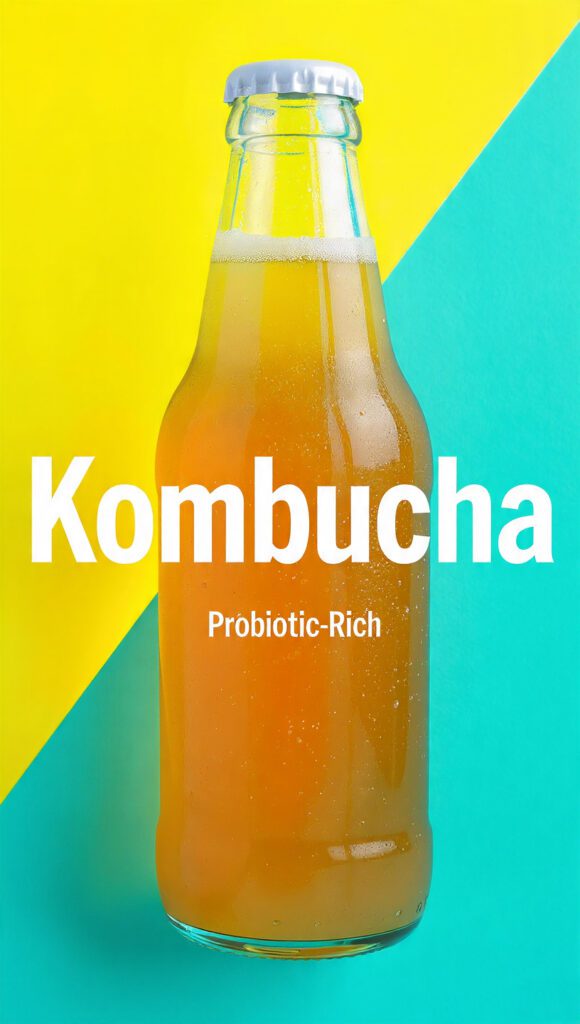
The Ultimate Guide on How to Make Kombucha Without Killing Your Kitchen
We have all been there. You stand in the grocery store aisle, staring at a $5 bottle of fermented tea, wondering if you should pay your rent or satisfy your craving for “GT’s Gingerade.” You want that fizzy, gut-healing goodness, but your bank account is currently staging a protest. What if I told you that learning how to make kombucha is essentially like owning a pet that lives in a jar, never barks, and occasionally rewards you with delicious soda?
Honestly, fermenting things at home is the ultimate kitchen flex. It proves you have the patience of a saint and the scientific curiosity of a Victorian apothecary. I once convinced a neighbor that the slimy disc in my jar was an alien life form I was sheltering. In reality, it was just a SCOBY (Symbiotic Culture of Bacteria and Yeast), and it was about to make me the most hydrated person on the block. Ready to stop buying overpriced “booch” and start your own countertop science experiment? 🙂
Why This Recipe is Actually Awesome
Why should you bother making your own when you can just grab a bottle at the gas station? First off, customization is king. Store-bought kombucha is often filtered or pasteurized to the point of boredom, but your homemade batch will have a raw, punchy zing that hits different. You control the fizz; whether you want a gentle bubble or a “careful when you open that” level of carbonation, it is your call.
TBH, the cost savings are the real hero here. A gallon of homemade kombucha costs about the same as a single bottle from the store. You are basically printing money, but in liquid form. It impresses guests like crazy, too. Pulling a chilled bottle of your own “Pomegranate-Hibiscus” blend out of the fridge makes you look like a fermentation guru who has mastered the secrets of the universe.
Our Top Pick

Papier Herb Garden Recipe Journal - Hardback Design
Capture your culinary ideas and favorite memories with this beautifully designed recipe journal. Organized sections for breakfast, lunch, dinner, and treats make it easy to record recipes, ratings, dietary notes, and cooking tips, along with measurement and conversion guides. Extra pages let you list favorite restaurants, shops, and places to try. Crafted with a premium hardback cover, luxurious 100gsm paper, and a gold foil accent, it’s both durable and stylish. Thoughtfully designed to suit any kitchen, it makes a practical, timeless gift for family, friends, or yourself.
Finally, let’s talk about that gut health. One glass of raw, homemade kombucha packs a probiotic punch that puts those expensive supplements to shame. It is the perfect afternoon pick-me-up that won’t give you a sugar crash. Who knew being a responsible adult could involve so much satisfying fizz?
The Fermentation Squad: Ingredients
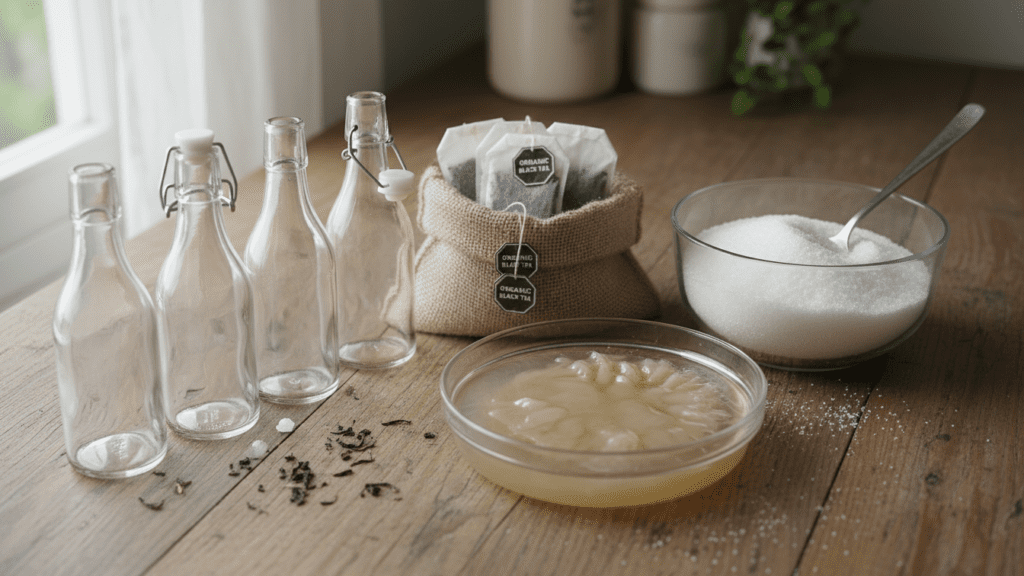
You do not need a laboratory to get started. Just grab these four basics and prepare for the magic to happen.
- The SCOBY: This is the “mother.” You can buy one online, get one from a friend, or grow your own from a bottle of raw, unflavored store-bought kombucha.
- Tea: Use plain black or green tea. Avoid flavored teas with oils (like Earl Grey), as they can irritate your SCOBY.
- Sugar: Standard white granulated sugar is best. Don’t worry, the bacteria eat most of it, so you don’t have to!
- Starter Tea: This is just previously fermented kombucha. It keeps the pH low so the bad guys (mold) can’t move in.
- Water: Use filtered water if possible. Chlorine is the enemy of a happy SCOBY.
Tools & Kitchen Gadgets You’ll Need
To master how to make kombucha, you need the right gear to keep things sanitary and oxygenated.
- One-Gallon Glass Jar: The bigger the surface area at the top, the faster your booch ferments.
- Breathable Cover: Use a clean kitchen towel or coffee filters with a sturdy rubber band. No cheesecloth! Fruit flies can crawl through the holes.
- Electric Kettle: To get your water boiling without the wait.
- Flip-Top Bottles: These are essential for the second fermentation to build up that legendary fizz.
- Plastic or Wooden Funnel: To get your tea into bottles without making your kitchen floor sticky.
- Adhesive Thermometer: To make sure your SCOBY isn’t too hot or too cold.
Step-by-Step Instructions
Step 1: The Sweet Tea Base
Boil 4 cups of water and dissolve 1 cup of sugar into it. Add 8 tea bags (or 2 tablespoons of loose-leaf) and let it steep for about 10 minutes. Remove the tea and add 8 more cups of cold, filtered water to bring the temperature down.
Step 2: The Temperature Check
This is the most important part! Wait until the tea is room temperature (below 85°F). If you put your SCOBY into hot tea, you will cook it, and our journey ends in tragedy. Use an adhesive thermometer to be sure.
Step 3: The Assembly
Pour your cooled sweet tea into the gallon jar. Add 2 cups of starter tea and then gently slide your SCOBY on top. Don’t panic if it sinks; it will eventually float back up or grow a new baby on the surface.
Step 4: The First Ferment (F1)
Cover the jar with your breathable cloth and secure it with a rubber band. Place it in a warm, dark spot (like a kitchen cupboard). Let it sit for 7 to 10 days. Taste it after a week—if it’s too sweet, let it go longer. If it’s too vinegary, you waited too long.
Step 5: The Flavor and Fizz (F2)
Once the tea tastes “just right,” remove the SCOBY and 2 cups of tea for your next batch. Pour the rest into your flip-top bottles. Add fruit juice, ginger, or berries for flavor. Seal the bottles and let them sit at room temperature for 2 to 4 days.
Our Top Pick

LuBudingJoy Blank Recipe Book
B5 Blank Recipe Book – Create and organize your favorite recipes in one beautiful place. This hardcover recipe book (10" × 7.3") features 150 blank pages and includes DIY category stickers. Designed with conversion charts, content tables, and a back pocket for loose notes.
Step 6: The Chill and Burp
Move the bottles to the fridge once they feel pressurized (you can test one). Always chill before opening to prevent a kombucha explosion on your ceiling. IMO, this is the hardest part because you just want to drink it already! 🙂
Calories & Nutritional Info
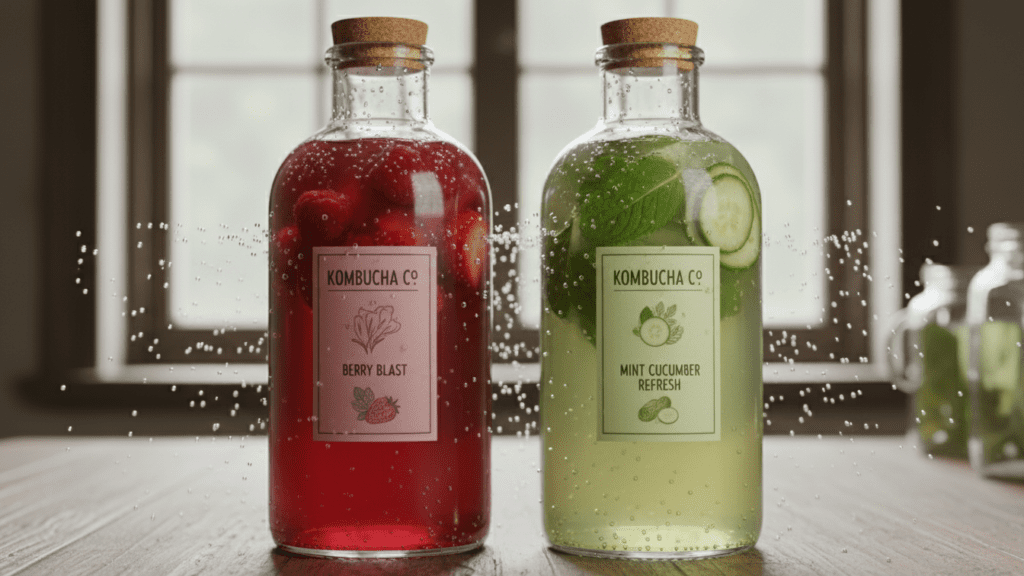
Kombucha is the ultimate “healthy soda” alternative. Here is the estimated breakdown per serving:
- Calories: Approximately 30-50 kcal per cup.
- Sugar: 2-6g (depending on how long you ferment it).
- Probiotics: High levels of Gluconacetobacter and Lactobacillus.
- Antioxidants: Rich in polyphenols from the tea base.
- B-Vitamins: Naturally produced during the fermentation process.
Common Mistakes to Avoid
- Using the Wrong Cover: Fruit flies love the smell of fermenting tea. If you use cheesecloth, they will lay eggs in your SCOBY. Use a tight-weave towel.
- Metal Contamination: Long-term exposure to metal can degrade your SCOBY. Stick to glass, wood, or plastic tools.
- Patience Failure: If you bottle it too early, it will just taste like sweet tea. Wait for that tang.
- Ignoring the Temperature: If your house is too cold (under 65°F), the SCOBY goes dormant and mold can grow. Find a warm spot.
- The “Exploding Bottle” Syndrome: If you add too much sugar/fruit in F2 and forget about it, the pressure can break the glass. Burp your bottles if you’re worried! TBH, a little fizz is good, but a glass grenade is bad. 🙂
Variations & Customizations
Feeling like a mixologist? Try these three fun spins:
The Ginger-Lemon Classic
Add freshly grated ginger and a squeeze of lemon to your F2 bottles. It is spicy, refreshing, and the ultimate digestive aid.
The Berry-Basil Smash
Muddle fresh strawberries and a few basil leaves in the bottle. It turns the drink a beautiful pink color and tastes like a high-end cocktail.
The Green Goddess
Use green tea for your F1 base instead of black tea. It results in a lighter, more floral kombucha that pairs perfectly with cucumber and mint flavors.
FAQ Section
Is homemade kombucha safe to drink? Yes! As long as you keep your tools clean and your SCOBY stays healthy, the low pH levels of the tea prevent harmful bacteria from growing.
How do I know if my SCOBY has mold? Mold is fuzzy and dry (usually white, green, or black). If it’s slimy, brown, or weirdly shaped, that’s just a healthy SCOBY being a weirdo!
Does kombucha contain alcohol? It contains a trace amount (usually 0.5% to 1%) as a natural byproduct of fermentation. It isn’t enough to make you “feel” anything, but it’s worth noting!
Why is my kombucha not fizzy? You might not have a tight enough seal on your bottles, or there wasn’t enough residual sugar for the yeast to eat in the second fermentation.
Can I make kombucha without a SCOBY? You can grow one from a bottle of raw, unflavored kombucha, but it takes a few weeks. It’s much faster to start with a healthy mother.
What is the best tea for kombucha? Plain black tea is the most reliable. It provides the nutrients the SCOBY needs to stay strong over many batches.
Can I use honey instead of sugar? It is possible, but honey has its own antibacterial properties that can mess with the SCOBY. Stick to cane sugar for your first few batches.
Final Thoughts
There you have it—you are now officially a fermentation expert. You learned how to make kombucha without turning your kitchen into a disaster zone. It’s fizzy, it’s funky, and it’s a heck of a lot better for your wallet than those store-bought bottles.
Go ahead, give it a shot. And hey, if your SCOBY starts looking like a weird sea creature, just remember: it’s a sign of a job well done. Tag me in your fizzy bottle-opening videos—I want to see those bubbles! Happy fermenting!