Homemade Malatang: The Spicy, Numbing Soup That Will Ruin Your Life (In a Good Way)
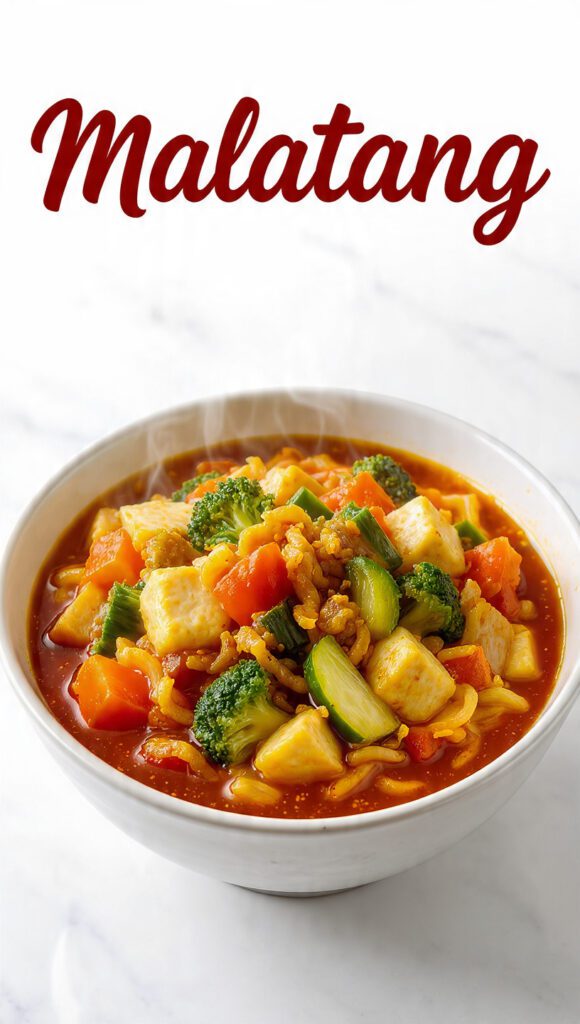
We have all been there. It is 11:00 PM on a Tuesday, and you are doom-scrolling through food videos until you hit that one clip of someone eating a steaming, vibrant red bowl of malatang. You watch them pull out a perfectly bouncy fish ball followed by a literal mountain of glass noodles dripping in spicy, numbing oil. Suddenly, your toast with butter looks like an insult to your ancestors. Why do we settle for bland leftovers when we could be sweating over a bowl of Sichuan liquid gold?
Honestly, making this at home is the ultimate kitchen power move. It looks like you spent forty-eight hours simmering bones and harvesting rare peppers in the mountains of China, but TBH, it is mostly about having the right shopping list. It is the perfect meal for when you want to feel something—specifically, a delightful tingling sensation on your tongue that makes you question your sanity. Ready to turn your kitchen into the hottest street food stall in town? Let’s get into it. 🙂
Why This Recipe is Actually Awesome
Why should you bother making this at home instead of hitting up that trendy shop downtown? First off, you get to skip the “weight-based” anxiety. You know the drill: you pick up three extra pieces of lotus root and suddenly your lunch costs forty dollars. When you make it yourself, you can add as many fish balls as your heart desires without a cashier judging your life choices.
Secondly, this is the “Choose Your Own Adventure” of soups. Do you hate cilantro? Leave it out. Do you want enough garlic to kill a vampire from three miles away? Go for it. It is the ultimate customizable comfort food. Plus, the broth uses a secret shortcut that delivers that “simmered all day” depth in about twenty minutes.
Our Top Pick

Papier Herb Garden Recipe Journal - Hardback Design
Capture your culinary ideas and favorite memories with this beautifully designed recipe journal. Organized sections for breakfast, lunch, dinner, and treats make it easy to record recipes, ratings, dietary notes, and cooking tips, along with measurement and conversion guides. Extra pages let you list favorite restaurants, shops, and places to try. Crafted with a premium hardback cover, luxurious 100gsm paper, and a gold foil accent, it’s both durable and stylish. Thoughtfully designed to suit any kitchen, it makes a practical, timeless gift for family, friends, or yourself.
Finally, it is a total crowd-pleaser. If you host a dinner party and put a giant, bubbling pot of spicy broth in the middle of the table, your guests will treat you like a culinary god. It is interactive, messy, and insanely delicious. It is the kind of meal that turns a boring Tuesday into a legendary event.
The “Everything But The Kitchen Sink” Shopping List
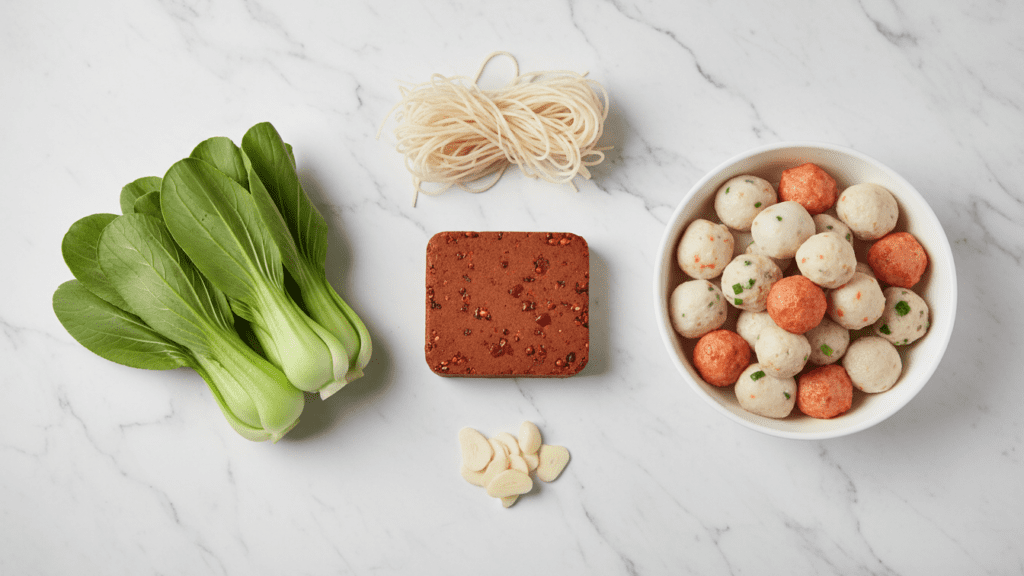
The beauty of malatang is the variety. You need a mix of textures—crunchy, chewy, and soak-it-all-up spongy.
- The Broth Base: You need a high-quality Sichuan hot pot base (the kind that comes in a solid red brick).
- Aromatics: Fresh ginger, a whole head of garlic, and a few star anise pods.
- The Liquid Gold: Chicken stock and a splash of whole milk (this is the secret to that creamy, restaurant-style broth).
- Proteins: Sliced beef brisket, fish balls, tofu puffs, and maybe some quail eggs if you’re feeling fancy.
- The Greens: Bok choy, napa cabbage, and wood ear mushrooms.
- The Starches: Wide sweet potato glass noodles or instant ramen noodles (or both, I don’t judge).
- Key Substitutions: If you can’t find specific fish balls, any seafood or thinly sliced pork works perfectly.
Tools & Kitchen Gadgets You’ll Need
To brew the perfect malatang, you need the right hardware. If you try to make this in a tiny saucepan, you’re going to have a bad time.
- Deep Stainless Steel Pot: You need enough room for the broth to bubble without splashing spicy oil on your favorite shirt.
- Fine Mesh Strainer: Perfect for fishing out your noodles before they turn into mush.
- Garlic Press: Because we are using an aggressive amount of garlic and nobody has time to mince that by hand.
- Chef’s Knife: You’ll be doing a lot of prep, so make sure your blade is sharp.
- Spider Skimmer: The MVP for serving multiple ingredients at once.
- Electric Kettle: To get your stock or water boiling in seconds.
Step-by-step Instructions
Step 1: The Aromatic Sizzle
Heat a splash of oil in your large pot. Toss in your sliced ginger and smashed garlic cloves. Fry them until they smell like heaven. Do not burn the garlic, or your broth will taste like a bitter mistake.
Step 2: The Brick of Destiny
Add about 100g of the Sichuan hot pot base to the pot. Stir it around until it melts into a fragrant, spicy oil. This is the part where you might start sneezing—that means the peppers are doing their job.
Step 3: The Creamy Secret
Pour in 4 cups of chicken stock and 1/2 cup of whole milk. The milk mellows out the harshness of the spice and creates a silky texture that coats your noodles. Bring this to a rolling boil and let it simmer for 10 minutes to marry the flavors.
Step 4: The Order of Operations
Add your ingredients based on their “will to survive” in boiling water. Start with the root vegetables and meat balls, then the sliced beef and tofu puffs. Save the leafy greens and instant noodles for the last two minutes. IMO, overcooked bok choy is a tragedy we should all avoid. 🙂
Step 5: The Final Seasoning
Taste your broth. Does it need more salt? Add a splash of light soy sauce. Do you want it to melt your face off? Add a spoonful of chili oil. Ladle it into giant bowls and top with toasted sesame seeds and a drizzle of black vinegar to brighten everything up.
Our Top Pick

LuBudingJoy Blank Recipe Book
B5 Blank Recipe Book – Create and organize your favorite recipes in one beautiful place. This hardcover recipe book (10" × 7.3") features 150 blank pages and includes DIY category stickers. Designed with conversion charts, content tables, and a back pocket for loose notes.
Calories & Nutritional Info
Is this a health food? Probably not. Is it soul food? Absolutely. Here is the estimated damage per serving:
- Calories: Approximately 450–600 kcal (wildly dependent on how many noodles you add).
- Protein: A solid 35g from the beef and fish balls.
- Carbs: Around 50g if you go heavy on the glass noodles.
- Sodium: Let’s just say you should drink an extra glass of water tomorrow.
- Vitamin C: Those greens actually provide a decent nutritional boost!
Common Mistakes to Avoid
- The Noodle Over-Boil: If you leave your noodles in the pot too long, they will absorb all the broth and turn into a giant, spicy sponge. Cook them last.
- Too Much Hot Pot Base: These bricks are concentrated fire. Start small and add more later. You can always add heat, but you can’t take it away once your tongue is numb.
- Ignoring the Milk: If you use only water, the soup will feel thin and one-dimensional. Use the milk for that authentic “bone broth” mouthfeel.
- Crowding the Pot: If you dump twenty different ingredients in at once, the temperature drops and everything steams instead of boils. Keep it at a simmer.
- Forgetting the Vinegar: A splash of black vinegar at the end cuts through the fat and oil. Don’t skip the acid.
Variations & Customizations
Feeling adventurous? Try these three spins on the classic:
The Keto Heat-Seeker
Swap the noodles for shirataki (konjac) noodles or extra bean sprouts. Double up on the fatty beef and wood ear mushrooms for a high-protein, low-carb spicy feast.
The Vegan Numbing Pot
Use a vegan hot pot base (check the labels for tallow) and swap the meat for a variety of mushrooms—shiitake, enoki, and oyster mushrooms work beautifully. Use unsweetened soy milk for the creamy finish.
The Seafood Extravaganza
Forget the beef. Load up on shrimp, mussels, and squid. The seafood sweetness pairs incredibly well with the numbing Sichuan peppercorns in the broth.
FAQ Section
What exactly is malatang? It is a popular Chinese street food that translates to “spicy numbing soup.” It’s essentially a one-person hot pot where you cook a variety of ingredients in a spicy, Sichuan pepper-infused broth.
Is malatang the same as hot pot? Not quite. While they use similar broths, malatang is usually served as a single bowl where the kitchen (or you) cooks everything together. Hot pot is a communal, long-form dining experience.
Why is it called “numbing”? The Sichuan peppercorns in the broth contain a molecule that causes a physical tingling or numbing sensation on the lips and tongue. It’s a wild ride for your nerves!
Can I make it less spicy? Yes! You can use a mild hot pot base or simply reduce the amount of spicy paste you add to the pot. Adding extra milk or water also tames the flame.
What are the best noodles for malatang? Wide sweet potato glass noodles are the classic choice because they are incredibly chewy and don’t get soggy as fast as wheat noodles.
How do I store leftovers? Store the broth separately from the solid ingredients if possible. If they are already mixed, it stays fresh for 2 days, but the noodles will absorb a lot of the soup.
Where can I find hot pot base? You can find it at any Asian grocery store or online. Look for the “Little Sheep” or “Haidilao” brands for the most consistent flavor.
Final Thoughts
There you have it. You are now equipped to create a bowl of malatang that will make your taste buds sing and your forehead sweat. It’s the ultimate comfort meal for spice lovers and a great way to clear out your fridge while feeling like a gourmet chef.
Go ahead, give it a shot. Just make sure you have a cold drink nearby and maybe a few tissues for the inevitable spice-induced tears. Tag me in your spicy creations—I want to see those noodle pulls! Happy slurping!